
.svg)




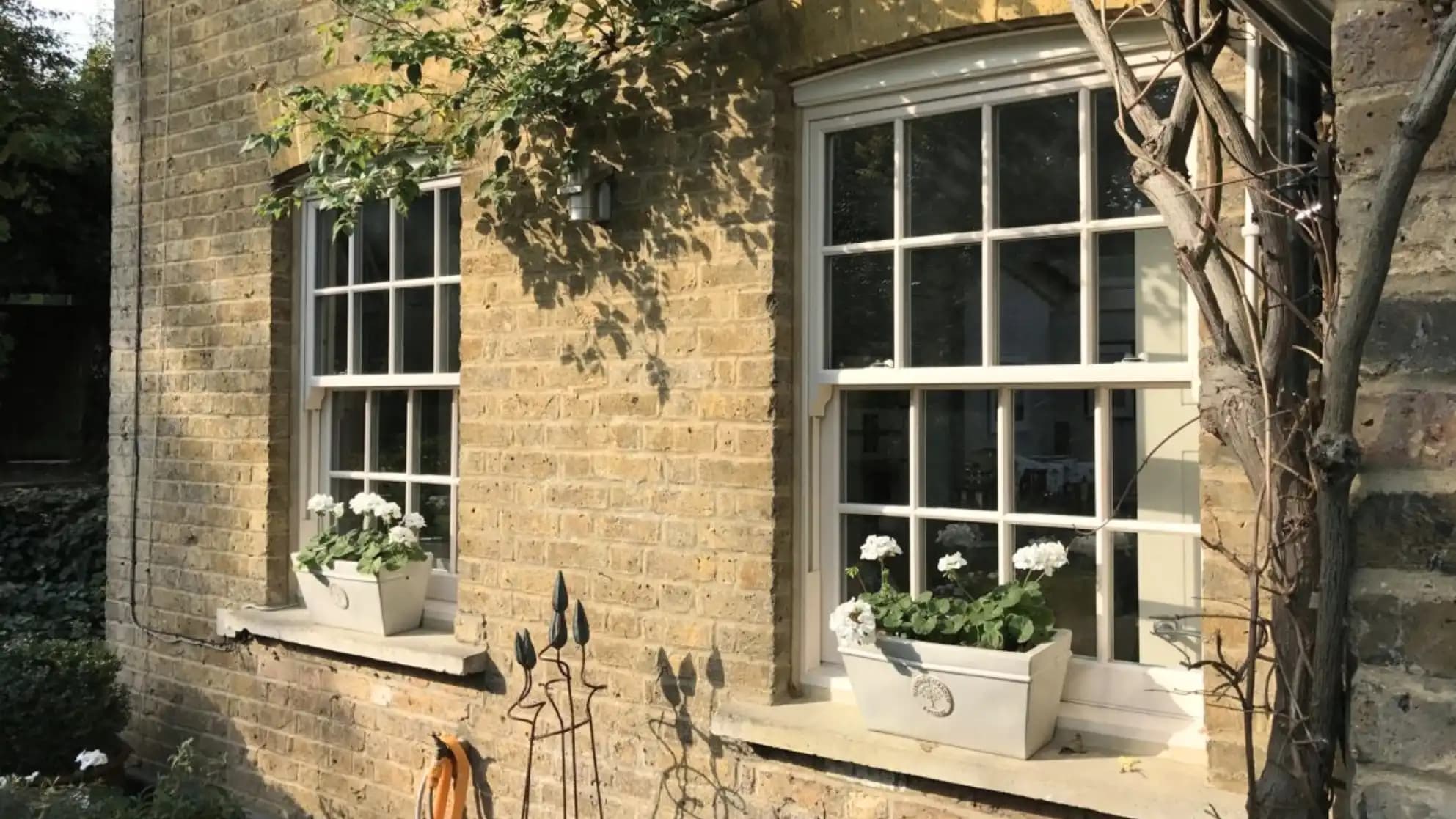
Conservation Windows in Cambridgeshire
Cambridgeshire boasts some of England's most architecturally significant conservation areas, from the world-renowned colleges and historic streets of Cambridge city centre to the medieval splendour of Ely and the charming villages that dot the surrounding fenland landscape. The county's built heritage spans nearly a thousand years, encompassing Gothic college buildings, Georgian townhouses, Victorian terraces, and distinctive Cambridgeshire clunch and brick cottages. Cambridge City Council alone manages over 10 conservation areas, many of which are subject to Article 4 directions that require planning permission for window replacements. Whether you own a Victorian terrace in Newnham, a Georgian house in Trumpington, or a period cottage in one of the surrounding villages, Harrington Windows provides expert conservation window solutions tailored to the specific requirements of Cambridgeshire's planning authorities. We manufacture bespoke timber sash and casement windows, offer heritage uPVC alternatives where appropriate, and can retrofit slim-profile double glazing to improve comfort without compromising historic character.
Conservation Areas in Cambridgeshire
Cambridge Central Conservation Area
The largest and most significant conservation area in the city, encompassing the historic colleges, King's Parade, Trumpington Street, and the medieval commercial core around the Market Square.
Newnham Conservation Area
Protects the residential character of Newnham village and the surrounding Victorian and Edwardian streets, including many properties associated with the university.
De Freville Conservation Area
Covers the late Victorian and Edwardian residential development north of the river, characterised by substantial detached and semi-detached houses with distinctive window detailing.
Trumpington Conservation Area
Preserves the village character of Trumpington with its mix of medieval, Georgian, and Victorian buildings along the High Street and Church Lane.
Ely Conservation Area
Encompasses the historic city centre surrounding Ely Cathedral, including the medieval Fore Hill, the Georgian Market Place, and the Waterside area along the River Great Ouse.
West Cambridge Conservation Area
Covers the area around the Backs, including the gardens and grounds behind the colleges, and the residential streets of west Cambridge with their distinctive Victorian villas.
Article 4 Directions & Planning
Cambridge City Council has implemented Article 4 directions across several of its conservation areas, including the Cambridge Central Conservation Area, Newnham, and De Freville. These directions remove permitted development rights for alterations to the front elevations of residential properties, meaning that window replacements visible from the public highway require a householder planning application. South Cambridgeshire District Council has Article 4 directions in some of its village conservation areas, particularly those with concentrations of listed buildings. East Cambridgeshire applies similar controls in Ely's conservation area. Planning applications for conservation windows in Cambridgeshire typically require measured drawings showing the existing and proposed window details, including section profiles, glazing bar dimensions, and material specifications. A heritage statement explaining how the proposals preserve or enhance the character of the conservation area is also expected. Harrington Windows regularly works with Cambridgeshire's conservation officers and can prepare all the necessary documentation to support your application.
Planning Authorities
Material Requirements
Cambridge City Council has a strong preference for timber windows in its conservation areas, particularly for properties where the original windows were timber sash or casement. For the colleges and listed buildings in the central conservation area, only timber of a species and quality matching the original is likely to be accepted. For Victorian and Edwardian residential properties in areas such as Newnham and De Freville, hardwood timber is the standard requirement, though the council may consider heritage uPVC for rear elevations not visible from public viewpoints. Accoya is an increasingly popular choice for Cambridgeshire conservation projects due to its exceptional stability and 50-year guarantee against rot, while Sapele and engineered Meranti offer a more traditional hardwood aesthetic. In Ely and the surrounding fenland villages, East Cambridgeshire District Council generally expects timber but may accept heritage uPVC in less sensitive locations. Slim-profile double glazing of 14mm to 16mm thickness is widely accepted across the county, and vacuum glazing units of 6mm to 8mm are approved for the most sensitive listed building applications.
Recommended Window Types
Timber Sash Windows
Traditional vertical sliding sash windows in premium hardwood, with authentic horns, lamb's tongue mouldings, and slim-profile double glazing for Cambridge's Georgian and Victorian properties.
Timber Casement Windows
Bespoke hardwood casement windows with flush or ovolo profiles, suited to the cottages, farmhouses, and village properties found across Cambridgeshire.
Heritage uPVC Sash Windows
Mechanically jointed heritage uPVC sash windows with slim sightlines and woodgrain finishes, accepted in some Cambridgeshire conservation areas for less prominent elevations.
Georgian Windows
Multi-pane Georgian windows with true divided lights or high-quality astragal bars, essential for the many 18th-century properties in Cambridge and Ely.
Slim Double Glazing
Ultra-slim sealed units and vacuum glazing from 6mm to 16mm, designed to fit within historic timber frames without altering the external character of the window.
Our Service Areas in Cambridgeshire
Frequently Asked Questions
In most Cambridge city conservation areas, yes. Cambridge City Council has Article 4 directions covering the Central, Newnham, and De Freville conservation areas, which means planning permission is required for window replacements on front and side elevations visible from public areas. Even in conservation areas without Article 4, changing the material or design of windows may require planning consent. Harrington Windows can check the requirements for your specific property.
Cambridge City Council has a strong preference for timber windows in conservation areas, particularly for properties where the originals were timber. Hardwood timber sash windows with slim-profile double glazing are the standard expectation for Victorian and Georgian properties. Heritage uPVC may be considered for rear elevations in some cases. We can advise on the specific requirements for your location within the city.
Yes, slim-profile double glazing is generally accepted by Cambridge conservation officers. Units of 14mm to 16mm can be fitted within traditional timber frames without altering the external appearance. For particularly sensitive listed buildings, vacuum glazing units of just 6mm to 8mm are available and have been approved for use in several Cambridge college buildings.
Conservation window costs in Cambridgeshire depend on the material, style, and specification. Timber sash windows typically range from 1,100 to 1,700 pounds per window, while timber casement windows start from around 850 pounds. Heritage uPVC alternatives are available from approximately 650 to 1,050 pounds per window. All quotes from Harrington Windows are fixed-price with no hidden extras.
While we primarily serve residential homeowners, we have experience working on smaller-scale projects for Cambridge colleges and other institutional buildings. For college projects, we work alongside the college's appointed architect and the conservation officer to ensure all work meets the required heritage standards. Contact us to discuss your specific project requirements.
We recommend Accoya for most Cambridgeshire conservation projects due to its exceptional dimensional stability, rot resistance, and 50-year performance guarantee. It machines well, holds paint beautifully, and is accepted by all Cambridgeshire planning authorities as a suitable conservation material. Sapele hardwood is an excellent alternative for those who prefer a natural hardwood grain finish.
A standard householder planning application with Cambridge City Council takes approximately eight weeks. For listed building consent, allow up to 12 weeks. South Cambridgeshire and East Cambridgeshire have similar timescales. We recommend beginning the process early and can handle the entire application on your behalf, from measured survey to approval.
We cover the whole of Cambridgeshire, including Cambridge city, Ely, Trumpington, Newnham, Great Shelford, Sawston, Royston, and all surrounding villages. Our surveyors visit Cambridgeshire regularly and can arrange a free, no-obligation assessment of your conservation window requirements at a time that suits you.
Need Conservation Window Advice?
We specialise in windows for conservation areas across Cambridgeshire. Get a free survey and fixed-price quote.