
.svg)

Conservation Windows in Hertfordshire
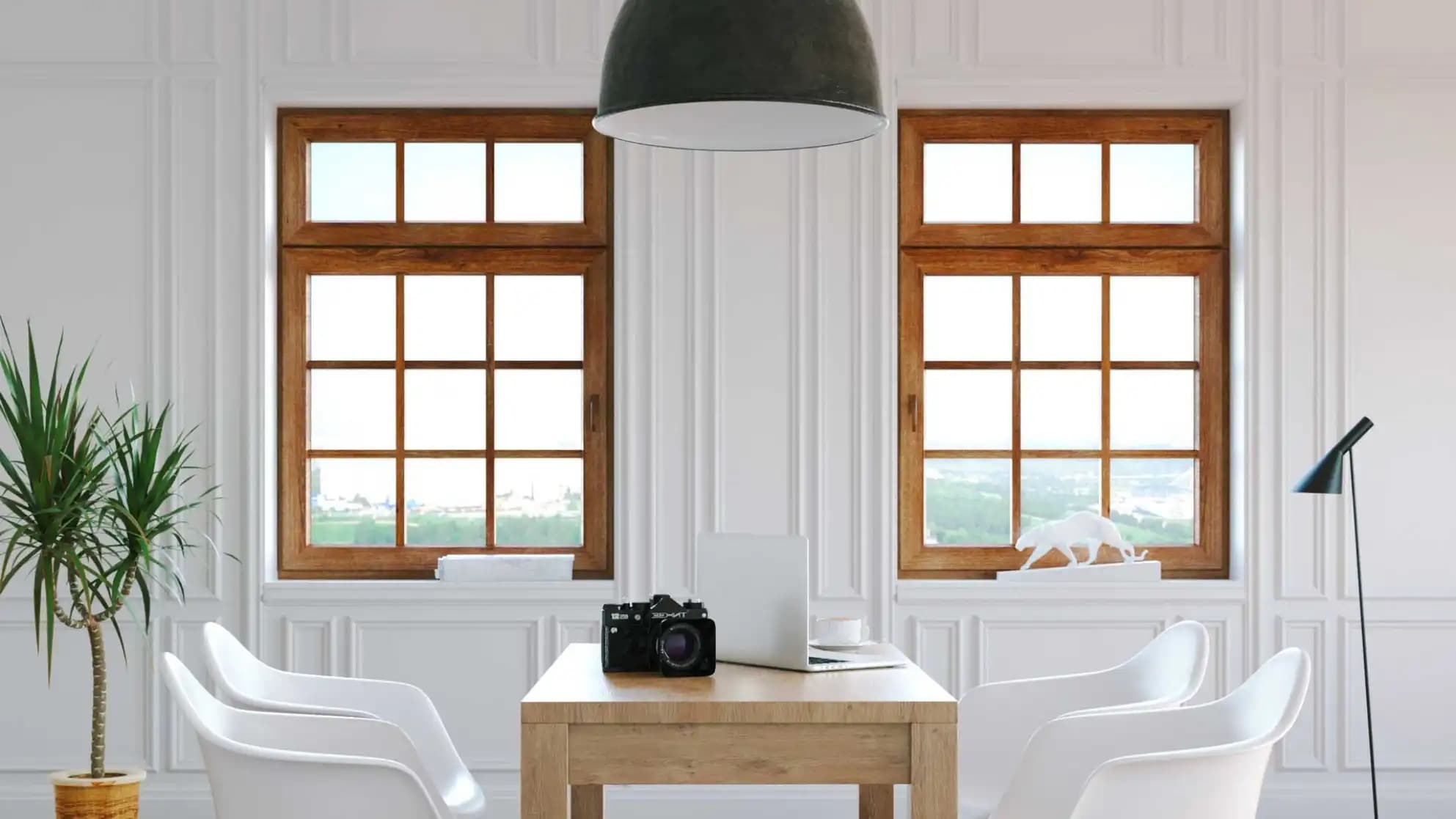
Hertfordshire is home to over 200 conservation areas, ranging from the medieval streets of St Albans and Hitchin to the planned garden cities of Welwyn and Letchworth. The county's architectural heritage spans centuries, from Tudor timber-framed houses and Georgian coaching inns to distinctive Edwardian arts-and-crafts homes and inter-war garden city dwellings. Many conservation areas in Hertfordshire are subject to Article 4 directions, particularly in towns such as St Albans, Harpenden, and Berkhamsted, where window replacements require formal planning approval. Harrington Windows specialises in manufacturing and installing conservation-grade windows that meet the exacting standards of Hertfordshire's planning authorities. We work with hardwood timber, heritage uPVC, and slim-profile double glazing to deliver windows that preserve the period character of your home while providing the thermal efficiency and security you need. Our team provides free on-site surveys, prepares planning applications, and manages installations with minimal disruption to your property.
Conservation Areas in Hertfordshire
St Albans City Centre Conservation Area
Covers the medieval core of St Albans including Holywell Hill, George Street, and the Cathedral precinct, with buildings dating from the 15th century onwards.
Harpenden High Street Conservation Area
Protects the Victorian and Edwardian character of Harpenden's town centre, including the distinctive arts-and-crafts properties along the High Street.
Welwyn Garden City Conservation Area
Preserves the planned garden city layout designed by Louis de Soissons in the 1920s, with distinctive neo-Georgian houses and specific window design requirements.
Hitchin Town Centre Conservation Area
Encompasses Hitchin's historic market town centre with medieval origins, featuring timber-framed buildings, Georgian shopfronts, and Victorian terraces.
Hertford Conservation Area
Covers the historic county town centre including Fore Street and the area around Hertford Castle, with a mix of medieval, Georgian, and Victorian architecture.
Berkhamsted Conservation Area
Protects the High Street and surrounding residential areas of this historic market town in the Chilterns, with properties ranging from medieval to Victorian.
Tring Conservation Area
Encompasses the town centre and the distinctive Rothschild-era buildings, including the Walter Rothschild Zoological Museum and surrounding Victorian properties.
Bishop's Stortford Conservation Area
Covers the historic town centre around South Street, North Street, and the area surrounding the Castle Mound, with notable Georgian and Victorian streetscapes.
Letchworth Garden City Conservation Area
Preserves the world's first garden city, designed by Barry Parker and Raymond Unwin in 1903, with distinctive arts-and-crafts houses and specific heritage guidelines.
Much Hadham Conservation Area
Protects one of Hertfordshire's most picturesque villages, featuring a remarkable collection of medieval, Tudor, and Georgian houses along the main street.
Article 4 Directions & Planning
Several Hertfordshire councils have implemented Article 4 directions within their conservation areas, requiring homeowners to obtain planning permission for window replacements that would otherwise be permitted development. St Albans City and District Council is particularly proactive, with Article 4 directions covering many of its conservation areas including the city centre and surrounding residential streets. Dacorum Borough Council applies similar controls in Berkhamsted, Tring, and the surrounding villages. The Letchworth Garden City Heritage Foundation operates its own design controls, separate from standard planning, which require all external alterations to be approved. When submitting a planning application for conservation windows in Hertfordshire, you will typically need to provide detailed scale drawings showing window sections, glazing bar profiles, and material specifications. Harrington Windows has established working relationships with conservation officers across Hertfordshire and can guide you through the entire planning process.
Planning Authorities
Material Requirements
Material requirements in Hertfordshire's conservation areas vary by council and the specific character of the area. St Albans and East Hertfordshire generally require timber for properties where the originals were timber, particularly in more sensitive locations such as the medieval core of St Albans or Much Hadham village. Hardwood species including Accoya, Sapele, and engineered Meranti are widely accepted as durable alternatives to the original softwood. In Welwyn Garden City and Letchworth Garden City, the garden city heritage authorities have specific colour palettes and window designs that must be followed. Some Hertfordshire councils, including Dacorum and North Hertfordshire, may accept heritage uPVC in certain conservation areas where the original windows were not of particular architectural merit, provided the profiles and sightlines are sufficiently slim to replicate the originals. Slim-profile double glazing is generally accepted across the county, with units of 14mm to 16mm thickness fitting neatly within traditional frame rebates.
Recommended Window Types
Timber Sash Windows
Traditional box sash or spring-balanced sash windows crafted from hardwood, with authentic horns, slim glazing bars, and heritage-grade double glazing.
Timber Casement Windows
Bespoke hardwood casement windows with flush or stormproof profiles, suitable for cottages, garden city homes, and Victorian properties across Hertfordshire.
Heritage uPVC Sash Windows
High-quality heritage uPVC sash windows with run-through horns, deep bottom rails, and woodgrain finishes for conservation areas that accept uPVC alternatives.
Georgian Windows
Authentic Georgian-style windows with individual panes or high-quality astragal bars, ideal for the many Georgian properties found across Hertfordshire's market towns.
Slim Double Glazing
Thin-profile sealed units from 12mm that can be retrofitted into existing timber frames to improve thermal performance without altering external appearances.
Our Service Areas in Hertfordshire
Frequently Asked Questions
In many Hertfordshire conservation areas, yes. Councils such as St Albans, Dacorum, and East Hertfordshire have Article 4 directions that require planning permission for window replacements. Even where Article 4 does not apply, replacing windows with a different material or design may still need planning consent. We recommend checking with your local planning authority or contacting Harrington Windows for a free consultation.
St Albans City and District Council generally requires like-for-like timber replacements within the city centre conservation area and other sensitive locations. Hardwood timber sash or casement windows that replicate the original profiles, dimensions, and glazing patterns are expected. Slim-profile double glazing is typically acceptable. We have extensive experience working in St Albans conservation areas and can advise on the specific requirements for your property.
Yes, slim-profile double glazing is generally accepted by Hertfordshire conservation officers, provided it can be fitted within the existing or replicated frame profile without altering the external appearance. Units of 14mm to 16mm are standard for conservation applications. For very sensitive buildings, vacuum glazing or secondary glazing may be recommended as alternatives.
Yes, both garden cities have their own heritage management schemes. In Welwyn Garden City, the conservation area has specific design guidance for windows. In Letchworth, the Heritage Foundation operates its own design approval process separate from the council planning system. Replacement windows must conform to approved designs, colours, and materials. Harrington Windows is familiar with both sets of requirements and can supply compliant windows.
Prices for conservation windows in Hertfordshire depend on the style, material, and size. Timber sash windows typically range from 1,100 to 1,700 pounds per window, while timber casements start from around 900 pounds. Heritage uPVC alternatives are available from approximately 700 to 1,100 pounds per window. We provide free surveys and fixed-price quotes with no hidden costs.
Some Hertfordshire councils will accept heritage uPVC in certain conservation areas, particularly where the original windows were not of significant architectural merit. Dacorum and North Hertfordshire have been more open to uPVC alternatives. However, St Albans and East Hertfordshire tend to require timber in their most sensitive areas. We can advise on the likelihood of uPVC being accepted for your specific property.
A standard householder planning application in Hertfordshire typically takes eight weeks to determine. If your property is also listed, listed building consent may take longer. We recommend allowing 10 to 12 weeks from initial survey to planning approval. Harrington Windows can prepare and submit all necessary documentation to streamline the process.
Yes, we cover the entire county of Hertfordshire. Our most frequent installation areas include St Albans, Harpenden, Berkhamsted, Tring, Bishop's Stortford, Hitchin, Hertford, Welwyn Garden City, and Letchworth. Our surveyors can visit any Hertfordshire address for a free, no-obligation assessment of your conservation window needs.
Need Conservation Window Advice?
We specialise in windows for conservation areas across Hertfordshire. Get a free survey and fixed-price quote.