.svg)


Are Timber Windows more expensive? (Timber vs Aluminium Windows)
Table of Contents
Quick Answer
Yes, timber windows are more expensive than uPVC. Standard softwood timber windows cost between 800 and 1,500 per window, while hardwood options range from 1,200 to 2,800. By comparison, uPVC windows cost 350 to 800 each. However, timber windows last 50 years or more with proper maintenance, compared to 20-30 years for uPVC, potentially making them better long-term value.
Key Takeaways
- Timber windows in the UK typically range from 900 to 1,500 pounds per window.
- Well-maintained timber windows can last 60 years or more, making the ongoing maintenance effort worthwhile.
- Standard timber windows typically need repainting or re-staining every 5 to 7 years to maintain their weather protection and appearance.
- Timber Windows: Maintenance can be more demanding for timber.Timber windowsneed to be repainted or varnished every 5-7 years to protect.
- Timber's natural beauty, superior insulation properties, and potential to last 60-plus years with proper maintenance can make it a competitive.
When it comes to choosing the right windows for your home, both timber and aluminium windows offer unique advantages. But which one gives you the best value for your money?
In this article, we'll comparetimber windowsandaluminium windowsin terms of cost, performance, and longevity to help you make an informed decision.
Whether you're renovating a period property or upgrading a modern home, we’ll dive into the factors that influence the price and long-term value of these two popular window materials.
1. Timber vs Aluminium Windows: Aesthetics and Style
A key consideration when choosing between timber and aluminium windows is the aesthetic appeal of each material.
- Timber Windows: Timber windows are perfect for traditional homes, period properties, and heritage buildings. They add warmth, character, and authenticity.Timber windowscan be painted or stained to match your home’s exterior, making them versatile for various architectural styles.
- Aluminium Windows: Aluminium windows are the go-to choice for modern, sleek designs. With their slim frames and minimalist look, they work well in contemporary homes, especially where large expanses of glass are desired for maximising natural light.
Verdict: Timber is best for traditional or period properties, while aluminium suits modern homes.
2. Which is Cheaper: Timber or Aluminium Windows?
One of the primary concerns for homeowners is cost. Let’s break down the price difference between timber and aluminium windows.
a. Initial Costs
- Timber Windows: Timber windows generally have a higher upfront cost due to the materials and craftsmanship involved. Depending on the type of wood and customisation, timber window prices can range from £900 to £1,500 per window.
- Aluminium Windows: Aluminium windows are typically more affordable, ranging between £500 and £1,200 per window. Aluminium’s lightweight and easily manufactured nature make it a more cost-effective option.
b. Maintenance Costs
- Timber Windows: Maintenance can be more demanding for timber.Timber windowsneed to be repainted or varnished every 5-7 years to protect them from weather damage, adding to the long-term cost.
- Aluminium Windows: Aluminium windows are almost maintenance-free. They don’t require repainting and are resistant to corrosion, making them a low-maintenance, cost-effective solution over time.
c. Longevity
- Timber Windows: Timber windows, if maintained correctly, can last several decades. However, they are more susceptible to rot and weather damage if not properly cared for.
- Aluminium Windows: Aluminium windows are incredibly durable and have a lifespan of up to 40-50 years. Their resistance to the elements makes them a long-lasting choice for homeowners.
Verdict: While timber windows offer beauty and heritage appeal, aluminium windows are the more cost-effective option in terms of both initial purchase and long-term maintenance.
3. Energy Efficiency: Timber vs Aluminium Windows
Energy efficiency is crucial for reducing energy bills and keeping your home comfortable throughout the year.
- Timber Windows: Timber is a natural insulator, which makes it an excellent material for energy efficiency. When combined with modern double ortriple glazing, timber windows provide great thermal performance.
- Aluminium Windows: Older aluminium windows were known for being less energy-efficient, but modern aluminium windows now come withthermal breaks—an insulating barrier between the frame's interior and exterior. This improvement significantly enhances their energy efficiency, especially when paired with double glazing.
Verdict: Both materials perform well when paired with double glazing, but timber naturally has superior insulating properties.
4. Durability and Maintenance: Which Windows Last Longer?
- Timber Windows: Timber windows require regular upkeep, including repainting, sealing, and varnishing. Without this maintenance, timber is prone to rot, warping, and insect damage. However, well-maintained timber windows can last for decades.
- Aluminium Windows: Aluminium windows are virtually maintenance-free. They won’t warp, rot, or corrode, and they withstand harsh weather conditions. This makes aluminium the more durable and hassle-free option in the long run.
Verdict: Aluminium windows offer better durability and require less maintenance, making them the more practical option for busy homeowners.
5. Security: Timber vs Aluminium Windows
Window security is a key concern for many homeowners.
- Timber Windows: Timber windows can provide good security, but they may be more vulnerable to damage if they are not regularly maintained. Adding toughened glass and multi-point locks can enhance their security.
- Aluminium Windows: Aluminium windows are naturally strong and can accommodate advanced locking mechanisms. Their slim but sturdy frames make them a great choice for secure installations.
Verdict: Aluminium windows have the edge when it comes to strength and security.
6. Environmental Impact: Which is More Sustainable?
- Timber Windows: Timber is a renewable resource, and if sourced sustainably, it can be an eco-friendly option. However, the chemicals used in varnishes, paints, and treatments may impact the environment.
- Aluminium Windows: Aluminium is 100% recyclable, and many aluminium windows are made from recycled materials. However, the process of producing aluminium is energy-intensive, so its initial environmental impact is higher than that of timber.
Verdict: Both materials can be environmentally friendly, but it’s important to choose timber from sustainable sources or aluminium made from recycled materials.
7. Which Windows Are Right for Your Home?
The choice betweentimberandaluminium windowsdepends largely on your home’s architectural style, your budget, and your willingness to carry out maintenance.
Choose Timber Windows If:
- You have a period or heritage home.
- You want a natural, authentic look.
- You are willing to invest in regular maintenance.
Choose Aluminium Windows If:
- You prefer a modern, sleek design.
- You want a low-maintenance, long-lasting solution.
- You’re looking for better security and durability.
Conclusion: Which Is Cheaper and Better in the Long Run?
Whiletimber windowsare often favoured for their classic appeal and energy efficiency,aluminium windowscome out on top for cost, durability, and low maintenance. For homeowners looking for a low-maintenance, long-term solution, aluminium windows offer excellent value for money.
However, if you own a traditional property and value authenticity, timber windows are a beautiful investment.
Frequently Asked Questions
Timber windows in the UK typically range from 900 to 1,500 pounds per window, while aluminium windows generally cost between 500 and 1,200 pounds per window. The exact price depends on the window size, style, glazing specification, and level of customisation. Timber costs more upfront due to the quality of materials and skilled craftsmanship required. However, timber's natural beauty, superior insulation properties, and potential to last 60-plus years with proper maintenance can make it a competitive long-term investment for many homeowners.
Yes, timber is a naturally superior insulator compared to aluminium. Wood has a thermal conductivity of approximately 0.13 W/mK, whereas aluminium conducts heat at around 160 W/mK, making metal a far more efficient heat conductor. Modern aluminium windows address this with thermal break technology, but timber still offers better inherent insulation. When paired with double or triple glazing, timber windows can achieve excellent U-values, helping to keep UK homes warm in winter and cool in summer while reducing energy bills.
Yes, high-quality timber windows can add significant value to a UK property. Estate agents frequently note that timber windows are viewed as a premium feature, particularly in period homes, listed buildings, and conservation areas where they are expected or required. They enhance kerb appeal and signal quality craftsmanship to prospective buyers. While the exact value increase varies, properties with well-maintained timber windows can command higher prices than those with uPVC, especially in sought-after neighbourhoods where architectural character is highly valued.
Standard timber windows typically need repainting or re-staining every 5 to 7 years to maintain their weather protection and appearance. Annual inspections are recommended to check for any signs of wear, moisture ingress, or seal deterioration. Maintenance tasks include cleaning the frames, lubricating hinges and locks, and touching up any chips or scratches in the paint finish. Modified timbers like Accoya require less frequent repainting, typically every 8 to 10 years. Well-maintained timber windows can last 60 years or more, making the ongoing maintenance effort worthwhile.
Both materials can provide excellent security when fitted with modern multi-point locking systems and toughened or laminated glass. Aluminium frames are inherently stronger and more resistant to forced entry due to the metal's rigidity, making them slightly harder to deform. Timber windows can match this level of security with reinforced frames, security-rated hardware, and robust glazing. Both window types can achieve PAS 24 security accreditation, which is the UK standard for enhanced security. Your choice of locks and glazing matters more than the frame material alone.
Yes, several UK manufacturers now offer aluminium windows with timber-effect finishes that replicate the appearance of wood grain. These powder-coated finishes are available in a range of wood-effect colours, from light oak to dark walnut. While they provide a convincing visual impression from a distance, they lack the genuine tactile warmth and character of real timber. For homeowners who want an authentic wood look with reduced maintenance, alu-clad timber windows offer a compelling alternative, combining a real timber interior with a protective aluminium exterior.
Aluminium windows are often preferred for modern and contemporary homes due to their slim sightlines, clean profiles, and ability to accommodate large glazed areas. The strength of aluminium allows for narrower frames, maximising the glass area and natural light. They are available in virtually any RAL colour with a durable powder-coated finish. However, timber windows can also suit modern architecture when designed with clean lines and contemporary profiles. The choice ultimately depends on the specific design vision, budget, and how much importance you place on maintenance requirements.
Related Posts
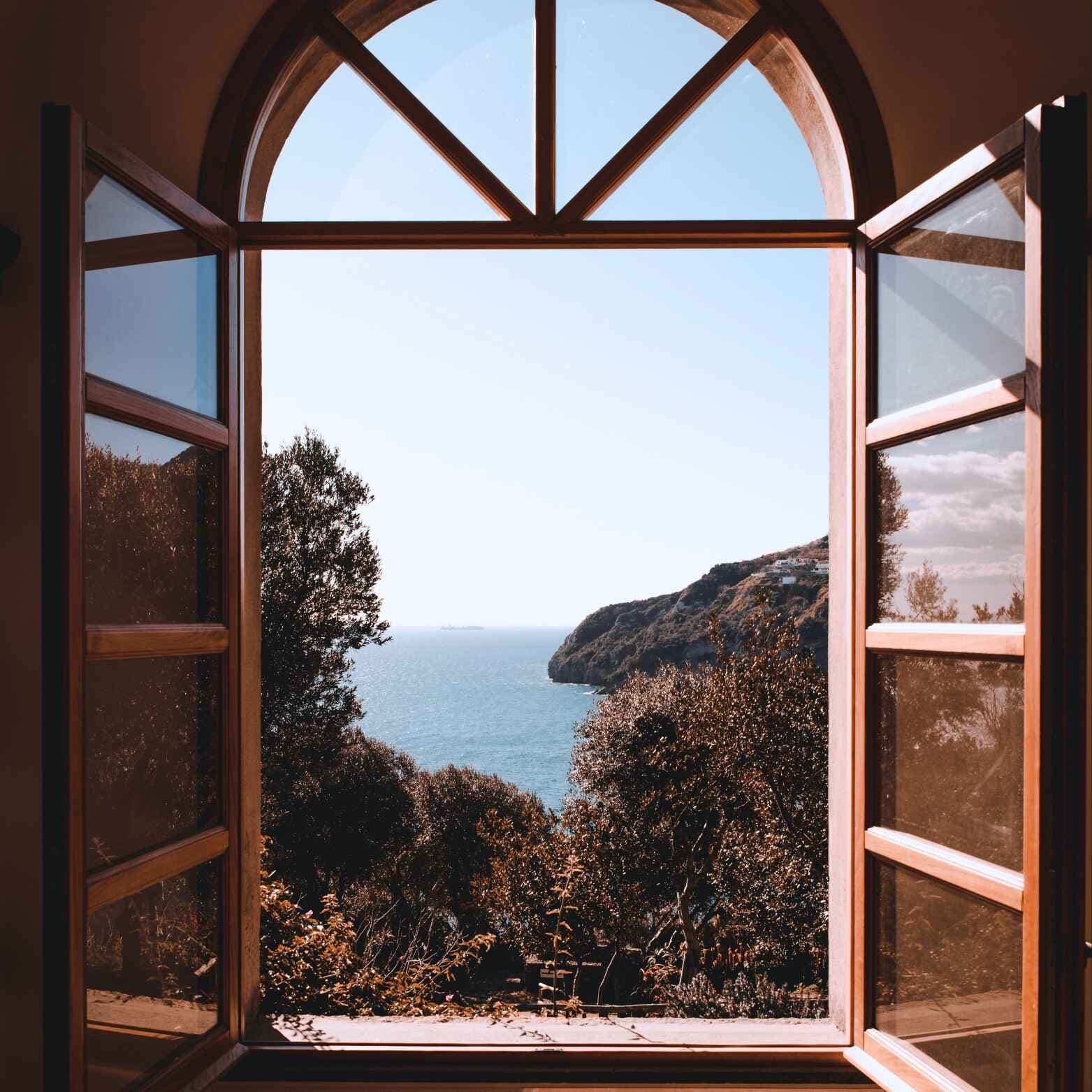
Are Wood Windows Worth the Cost?
When choosing new or replacement windows, cost is often a major factor for homeowners. Timber windows are frequently perceived as a more expensive option compar...
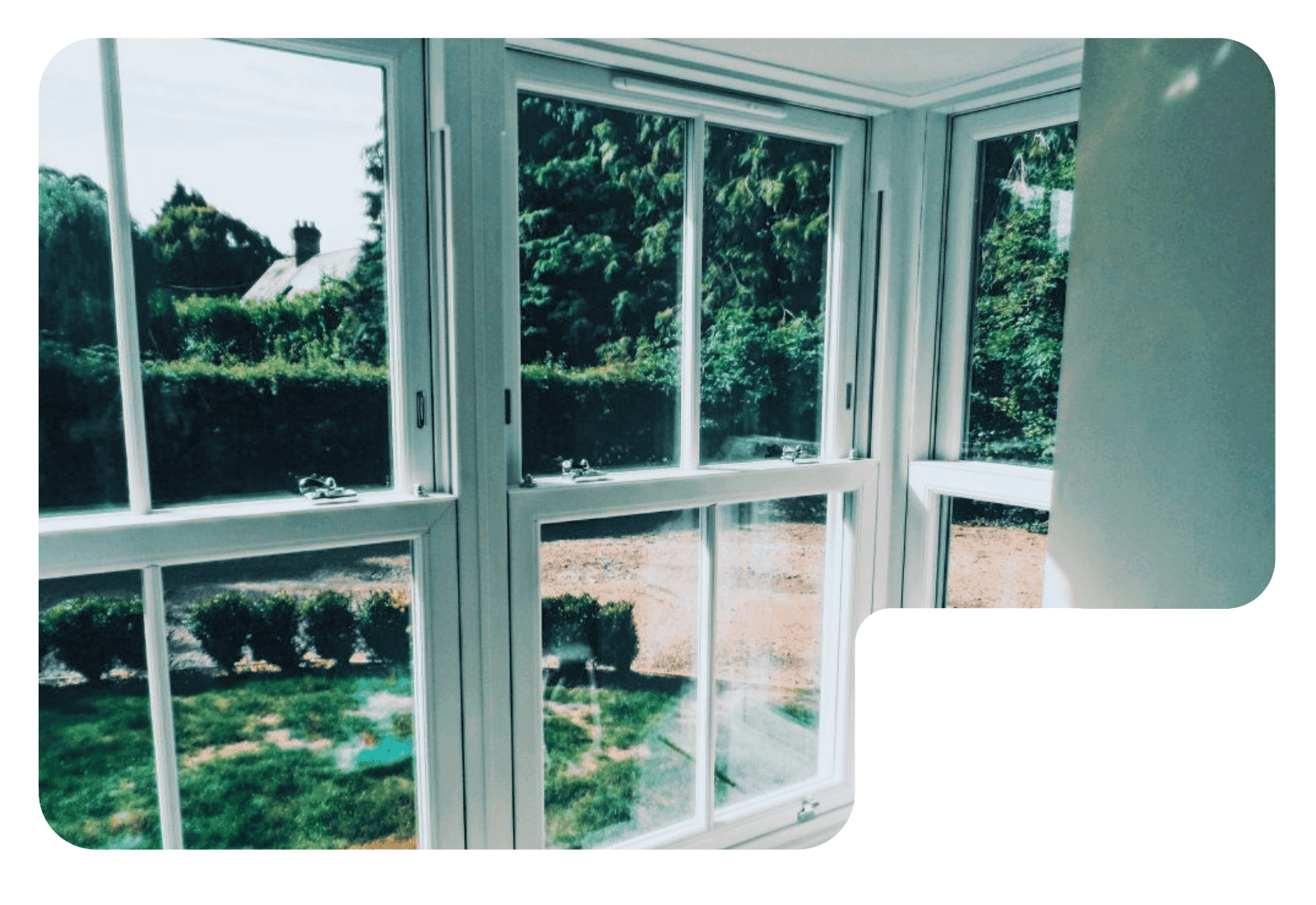
uPVC Sash Windows vs Timber: Prices, Pros & Cons Compared (2026)
Sash windows offer timeless elegance and are a defining feature of many British homes, particularly period properties. Traditionally made from timber, modern ad...
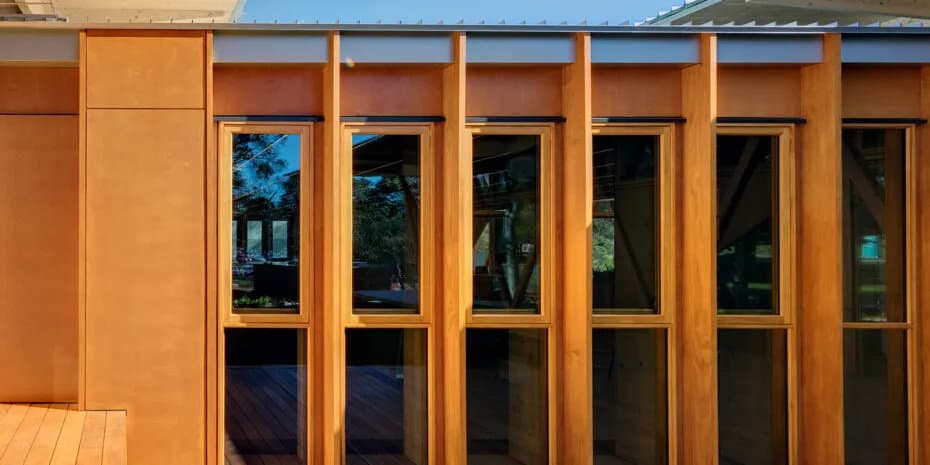
Accoya Timber Windows: The Ultimate Choice for Durability and Sustainability
Made from sustainably sourced wood, Accoya windows undergo a revolutionary modification process to enhance their durability, making them more resistant to rot, ...