.svg)






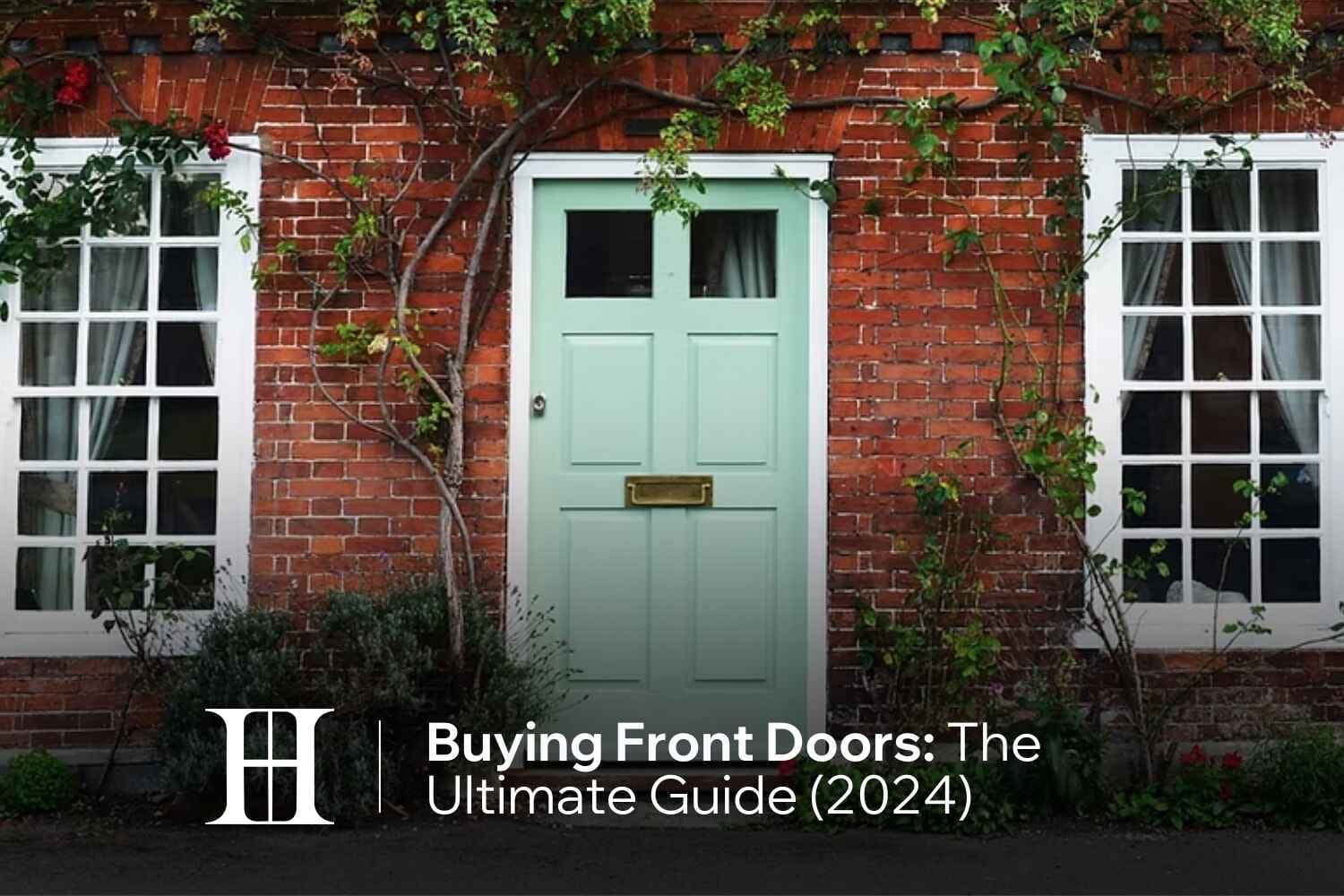

Buying Front Doors: The Ultimate Guide (2024)
Table of Contents
Quick Answer
When buying a front door in the UK, consider material (composite, timber, or uPVC), security rating (PAS 24 minimum), energy efficiency (U-value below 1.8 W/m2K), and style. Composite doors offer the best all-round performance at 800 to 2,000. Timber doors cost 1,000 to 3,500 and suit period properties. Always check for multi-point locking, weatherseals, and a 10-year minimum guarantee.
Key Takeaways
- High-quality timber doors, when properly maintained with regular painting or staining every 5 to 8 years.
- Timber requires more maintenance, including repainting every 5 to 8 years, but can last longer and offers superior repairability.
- Composite front doors, the most popular choice, typically cost between 1,000 and 2,500 pounds including installation.
- Aluminium front doors cost between 1,500 and 3,500 pounds.
- Premium options with bespoke designs, sidelights, or toplights can exceed 5,000 pounds.
Your front door is the gateway to your home, and it plays a crucial role in its overall aesthetics, security, and energy efficiency. With so many options available, choosing the right front door can be overwhelming. This comprehensive guide will walk you through the key factors to consider when buying front doors, ensuring you make an informed decision that complements your home for years to come.
What Factors Should You Consider When Buying Front Doors?
How Do You Choose the Right Composite Front Doors Material?
- Composite doorsare a popular choice for their durability, security, and energy efficiency. They are made from a combination of materials, such as glass reinforced plastic (GRP) and timber, offering the benefits of both. Composite front doors, constructed from multiple materials like uPVC, wood, and GRP, provide excellent insulation, security, and aesthetic appeal, making them a versatile and mid-range priced option for homeowners.
- uPVC doorsare a cost-effective option that requires minimal maintenance. They are available in various colours and styles but may not be as aesthetically pleasing as other materials.
- Timber doorsoffer a classic look and can be customized with paint or stain. However, they require regular upkeep to prevent rot and warping.
- Aluminium doorsare modern, durable, and resistant to rust and corrosion. They are a good choice for contemporary homes and coastal areas.
- Style: The design of a door panel can significantly impact the overall look of your front door. Moulded panels can offer a traditional or contemporary style, while also ensuring functional aspects like interaction with door seals and thresholds for weatherproofing and energy efficiency.
Front Door Design and Style
When it comes to choosing a front door, design and style play a crucial role in making a good first impression. A well-designed front door can enhance the kerb appeal of your home and increase its value. There are various styles to choose from, including modern, traditional, and contemporary designs.
- Modern front doorsoften feature sleek lines, minimalist designs, and a focus on functionality. These doors are perfect for homes with a contemporary aesthetic, offering a clean and sophisticated look.
- Traditional front doors, on the other hand, are characterized by ornate details, classic designs, and a sense of nostalgia. They are ideal for period properties or homes with a more classic architectural style.
- Contemporary front doorsblend modern and traditional elements, creating a unique and stylish look that can suit a variety of home styles.
In addition to style, the material of the front door also plays a significant role in its design. For example:
- Composite doorscan be designed to replicate the appearance of timber, offering a natural look and feel without the maintenance requirements of real wood.
- Aluminium doorsare known for their sleek and modern designs, making them a popular choice for contemporary homes. They offer a minimalist aesthetic and are available in a range of colours and finishes.
- Wooden doors, on the other hand, offer a traditional and timeless look that can add warmth and character to any home. They can be customized with paint or stain to match your personal style.
Enhancing Your Home's Kerb Appeal
Your front door is a key element in your home's kerb appeal. To make a lasting impression, consider the following:
- Colour:Choose a colour that complements your home's exterior and reflects your personal style.
- Door furniture:Enhance the look and functionality of your door with stylish handles, letterboxes, and knockers.
- Glazing:Add decorative glass panes or top lights to create a welcoming entrance and increase natural light.
Front Door Security
Front door security is a top priority for any homeowner. A secure front door can protect your home and its occupants from potential threats. Here are some key considerations when it comes to front door security:
- Look for doors with the British Standard (BSI) kitemark, PAS 24, and Secured By Design accreditations, which indicate that the door meets certain security standards.
- Consider the material of the door, with solid wood and composite doors offering added security benefits due to their robust construction.
- Multi-point locking systems, which secure the door to the frame at multiple points, can provide an additional layer of security, making it more difficult for intruders to gain entry.
- Door furniture, such as handles and hinges, should also be secure and tamper-proof to prevent forced entry.
In addition to these considerations, it’s also important to think about the overall security of your home, including:
- Window framesand glazing, which can be vulnerable to break-ins. Ensure they are made from strong materials and have secure locking mechanisms.
- Door frames, which should be sturdy and secure to support the door and prevent it from being forced open.
- Entrance doors, which should be designed with security in mind, incorporating features such as reinforced panels and secure locks.
Front Door Insulation and Energy Efficiency
Front door insulation and energy efficiency are crucial considerations for any homeowner. A well-insulated front door can help reduce heat loss, lower energy bills, and create a more comfortable living space. Here are some key considerations:
- Look for doors with low U-values, which indicate better insulation and energy efficiency. The lower the U-value, the better the door is at keeping heat inside your home.
- Consider the material of the door, with composite doors and solid wood doors offering good insulation properties. Composite doors, in particular, are designed with multiple layers to enhance thermal performance.
- Door seals and gaskets can help prevent heat loss and draughts by creating a tight seal around the door. Ensure these are in good condition and replace them if they become worn.
- Glass-reinforced plastic (GRP) skins can provide added insulation benefits, making composite doors an excellent choice for energy efficiency.
In addition to these considerations, it’s also important to think about the overall energy efficiency of your home, including:
- Window framesand glazing, which can be vulnerable to heat loss. Double or triple glazing can significantly improve energy efficiency.
- Door frames, which should be designed with energy efficiency in mind to minimize heat loss.
- Entrance doors, which should be designed to minimize heat loss and maximize energy efficiency, helping to keep your home warm in the winter and cool in the summer.
How Do You Maintain Your Front Door Furniture?
Proper maintenance can extend the life of your front door and keep it looking its best. Follow these tips:
- Regular cleaning:Wipe down your door with a soft cloth and warm soapy water to remove dirt and grime.
- Lubricate moving parts:Keep hinges and locks lubricated to ensure smooth operation.
- Touch up paint or stain:Repair any scratches or chips in the paint or stain to prevent moisture damage.
By following this comprehensive guide, you can confidently choose the perfect front door for your home, enhancing its aesthetics, security, and energy efficiency for years to come.
Front Door Trends and Innovations
The front door industry is constantly evolving, with new trends and innovations emerging all the time. Here are some of the latest developments:
- Composite doorsare becoming increasingly popular, offering a durable and low-maintenance alternative to traditional timber doors. They combine the best features of various materials to provide excellent security, insulation, and aesthetic appeal.
- Aluminium doorsare also gaining popularity, thanks to their sleek and modern designs. They are lightweight, strong, and resistant to rust and corrosion, making them ideal for contemporary homes.
- Smart door technologyis becoming more prevalent, with features such as keyless entry and biometric authentication. These innovations offer convenience and enhanced security, allowing homeowners to control access to their home remotely.
- Sustainable and eco-friendly door materialsare also becoming more popular, with homeowners looking for ways to reduce their environmental impact. Options such as recycled materials and sustainably sourced timber are gaining traction.
In addition to these trends, it’s also worth considering the latest innovations in door design and technology, including:
- Advanced locking systems, which can provide added security benefits. These systems often include features such as anti-pick, anti-drill, and anti-snap mechanisms.
- Energy-efficient door materials, which can help reduce heat loss and lower energy bills. Innovations in insulation technology are making doors more thermally efficient than ever before.
- Smart home integration, which can allow homeowners to control their front door remotely. Features such as remote locking and unlocking, video doorbells, and integration with home automation systems are becoming increasingly common.
By staying informed about the latest trends and innovations, you can choose a front door that not only meets your needs but also enhances the security, energy efficiency, and aesthetic appeal of your home.
Ready to start? Get 20% off your First Project with Harrington Windows today.
Frequently Asked Questions
Front door costs in the UK vary significantly by material and specification. Basic uPVC front doors start from around 400 to 800 pounds installed. Composite front doors, the most popular choice, typically cost between 1,000 and 2,500 pounds including installation. Solid timber front doors range from 1,500 to 4,000 pounds depending on the wood species and design complexity. Aluminium front doors cost between 1,500 and 3,500 pounds. Premium options with bespoke designs, sidelights, or toplights can exceed 5,000 pounds. Always factor in installation costs and ensure your installer is FENSA or CERTASS registered.
The best front door material depends on your priorities. Composite doors are the most popular choice in the UK, offering an excellent balance of security, insulation, durability, and low maintenance at a mid-range price point. Timber doors provide unmatched natural beauty and character, ideal for period properties and conservation areas. Aluminium doors suit contemporary homes with their slim profiles and modern aesthetics. uPVC doors offer the most affordable option with good weather resistance. For maximum security, steel doors are the strongest. Consider your property style, budget, maintenance willingness, and security requirements when choosing.
In most cases, replacing a front door does not require planning permission in England and Wales, as it falls under permitted development rights. However, if your property is a listed building, you will need listed building consent before making any changes. Properties in conservation areas may also have restrictions, particularly regarding the style, colour, and material of the replacement door. If you live in a flat or maisonette, you may need freeholder permission. Building Regulations still apply, meaning the new door must meet minimum standards for thermal performance, accessibility, and safety glazing where applicable.
Essential security features for a UK front door include a multi-point locking system that engages at three or more points along the frame, anti-snap euro cylinder locks rated to TS007 three-star standard, and reinforced hinges with hinge bolts. Look for doors that meet PAS 24:2016 enhanced security standards and carry Secured by Design accreditation from the UK Police. Laminated safety glass should be used in any glazed panels. A solid core construction, whether timber or composite, provides better resistance to forced entry than hollow-core alternatives. A door chain and wide-angle viewer add further protection.
Modern front doors have significantly improved energy efficiency compared to older models. Composite doors with insulated cores typically achieve U-values of 1.0 to 1.6 W/m2K, well within UK Building Regulations requirements. Timber doors with solid construction offer U-values around 1.2 to 1.8 W/m2K. Key energy efficiency features include multi-chambered frames, polyurethane foam insulation cores, effective weatherstripping and gaskets, and thermally efficient glazing in any glass panels. A well-fitted, energy-efficient front door can prevent significant heat loss, reducing draughts and helping to lower heating bills during the colder months.
The lifespan of a front door depends on the material and maintenance. uPVC front doors typically last 20 to 30 years before showing signs of deterioration such as discolouration, warping, or seal failure. Composite doors can last 30 to 40 years thanks to their robust construction and weather-resistant finish. High-quality timber doors, when properly maintained with regular painting or staining every 5 to 8 years, can last 50 years or more. Aluminium doors are exceptionally durable, lasting 40 to 50 years with minimal maintenance. Replacing worn seals, locks, and hinges can extend the life of any door type.
The most popular front door colours in the UK include anthracite grey (RAL 7016), which has dominated modern home design in recent years, followed by classic black, dark blue (particularly navy and Oxford blue), and heritage green. White remains popular for traditional properties. Composite and uPVC doors offer a wide range of colour options including woodgrain finishes that replicate the appearance of timber. When choosing a colour, consider your property's architectural style, the colour of your brickwork and roof, and the overall streetscape. Bold colours like red and yellow are increasingly used to create a distinctive entrance.
Composite doors are ideal if you want low maintenance, consistent performance, and a wide range of styles at a mid-range price point. They resist warping, fading, and weather damage with virtually no upkeep required. Timber doors are the better choice if you own a period property, live in a conservation area, or value the authentic natural beauty and warmth that only real wood provides. Timber requires more maintenance, including repainting every 5 to 8 years, but can last longer and offers superior repairability. Composite doors are more popular overall in the UK market due to their convenience and value.
Related Posts
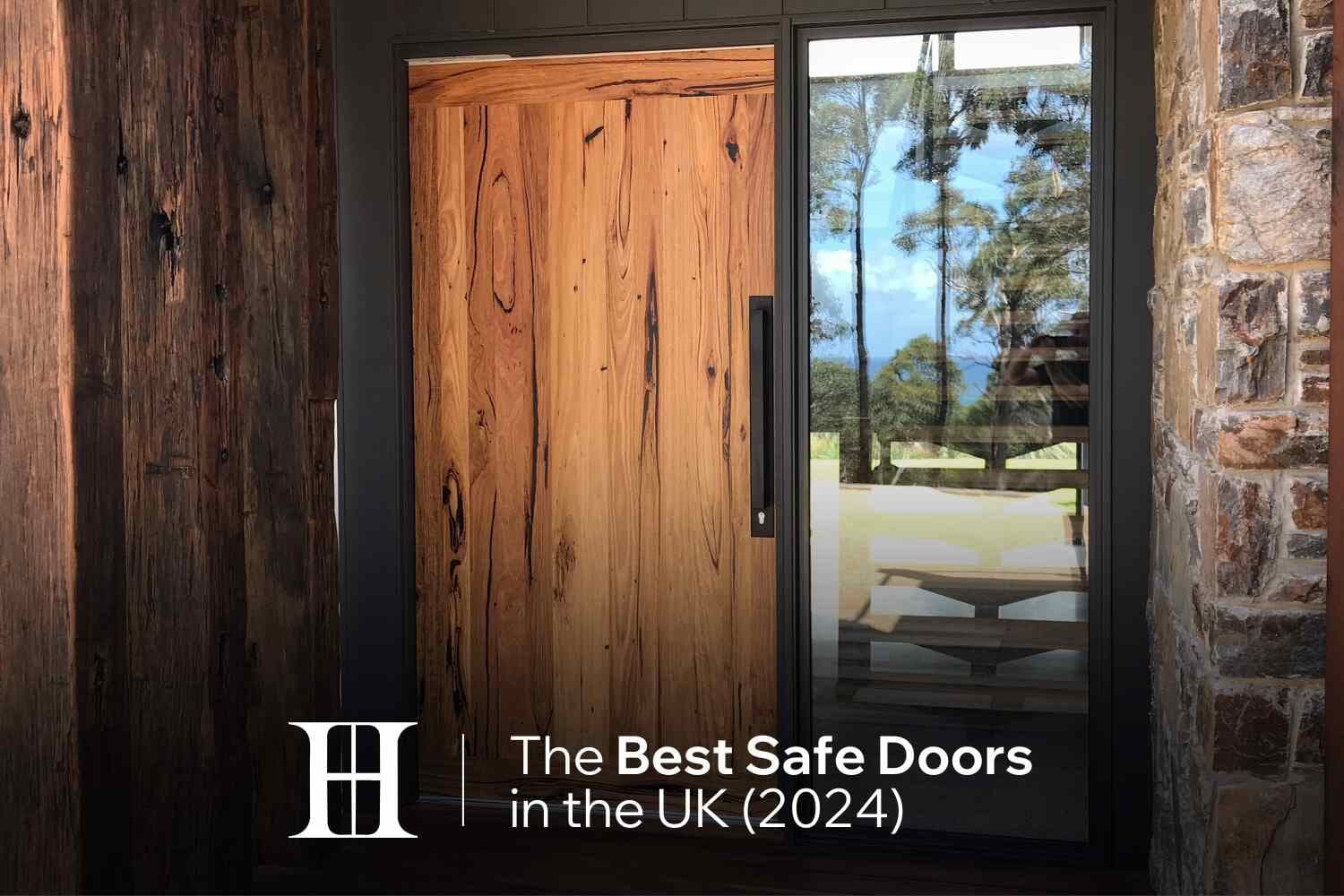
The Best Safe Front Doors in the UK (2024)
When it comes to securing your home, choosing the right front door is one of the most critical decisions you can make. High security front doors serve as the ma...
Bi Fold vs Sliding Doors: Which Is Right for Your Home?
When considering doors for your home, the choice often boils down tobi folding doorsorsliding doors. Bi folding doors are known for their functional benefits an...
uPVC Doors (Everything you need to know)
In this guide, we’ll explore the key features, styles, and benefits of uPVC doors to help you decide if they’re the right fit for your home.