.svg)


Cased Windows vs Casement Windows: What's Best for Your Home?
Table of Contents
Quick Answer
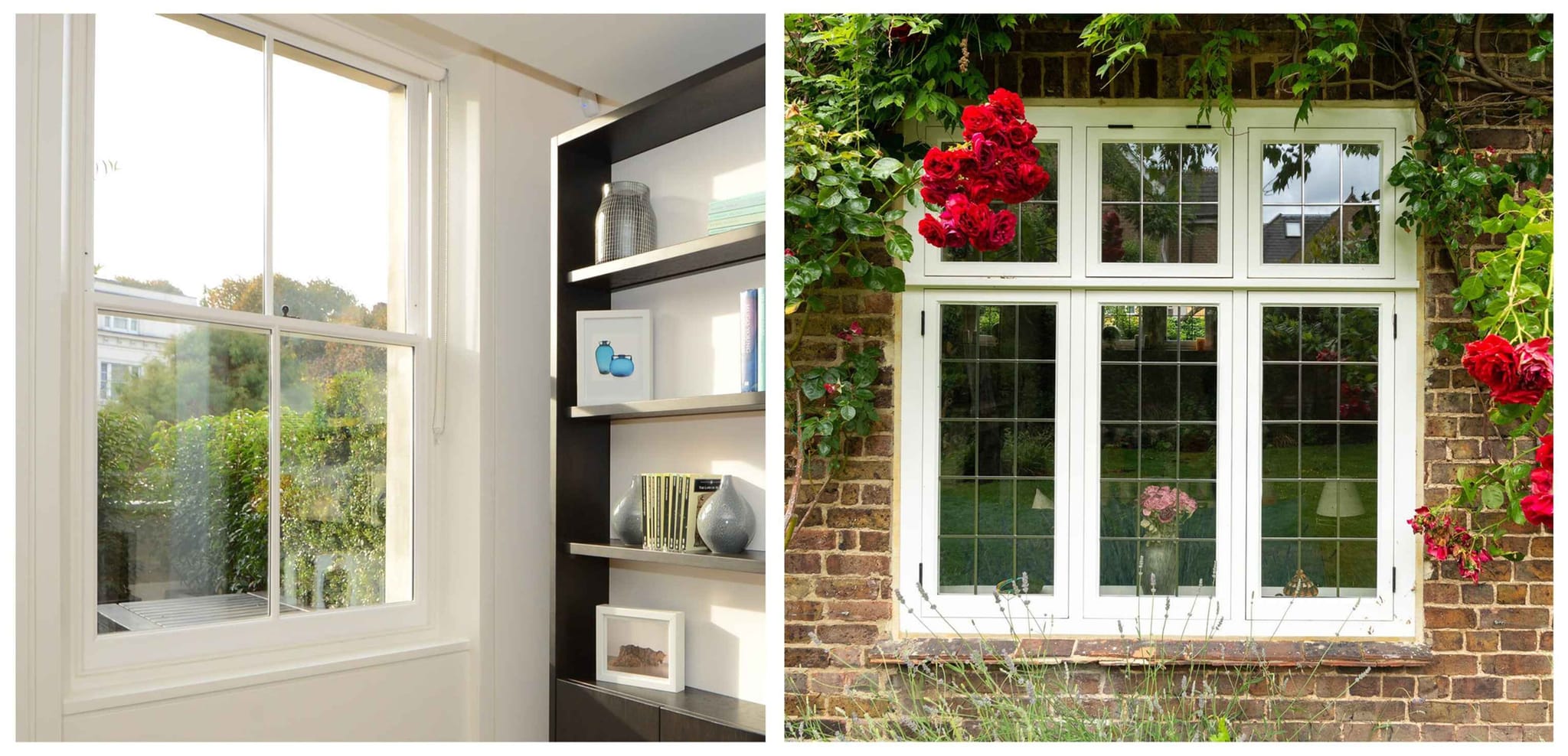
Cased windows feature sashes that slide vertically within a timber casing, common in Scottish architecture, while casement windows are hinged on the side or top and swing outward. Cased windows are ideal for period properties and conservation areas, costing 800 to 2,000. Casement windows are more widely available, easier to maintain, and cost 300 to 1,000 in uPVC or 700 to 1,800 in timber.
Key Takeaways
- Your choice should depend on budget, property style, and maintenance preferences.
- Getting multiple quotes from reputable installers is recommended to ensure the best value.
- Combined with double or triple glazing, casement windows can significantly reduce your heating bills.
- For UK homeowners looking to improve their home's EPC rating, uPVC or timber casement windows with double glazing are an.
- Aluminium casement windows cost between £650 and £1,200 per window.
When choosing new windows, you've likely come across terms likecased windowsandcasement windows.
While they might sound similar, there are distinct differences between the two that can impact your home's appearance, functionality, and overall value. Whether you're looking for energy efficiency, ease of operation, or a particular aesthetic, it's essential to know what sets these windows apart so you can make an informed decision.
In this guide, we'll break down the key features, benefits, and drawbacks ofcased windowsandcasement windowsto help you decide which is the best fit for your home.
What Are Cased Windows?
The termcased windowscan be a bit confusing, as it isn't commonly used in the UK. Typically,cased windowsrefer to any window type that is set into a frame (or casing). This broad term can include various window styles like double-hung, awning, or even sliding windows. Essentially, it's a generic way to describe a window that has a structural casing around it.
Key Features of Cased Windows:
- Framed Design: The window is fully enclosed in a frame, providing stability and support.
- Versatile Styles: Cased windows can include a variety of styles like double-hung, awning, and fixed windows.
- Different Opening Mechanisms: Depending on the style, they can open vertically, horizontally, or remain fixed.
When to Choose Cased Windows:
- Versatility: If you're looking for a wide range of options and aren't tied to a specific opening mechanism, cased windows may offer more flexibility.
- Traditional Appearance: Cased windows are often used in traditional or period properties where multiple window styles are needed.
Whilecased windowsoffer a broad range of options, they lack the specific functionality and modern design elements that casement windows provide.
What Are Casement Windows?
Casement windowsare one of the most popular window styles in the UK. They're attached to the window frame by one or more hinges on the side, allowing them to swing outward like a door. This classic design is known for its simplicity, elegance, and versatility, makinguPVC casement windowsa top choice for both modern and traditional homes.
Key Features of Casement Windows:
- Side-Hinged Design: Casement windows are typically hinged on the side, allowing the window to open fully outward.
- Efficient Ventilation: Because they open wide, casement windows allow for excellent airflow, making them ideal for kitchens and living rooms.
- Unobstructed Views: The large, single-pane design provides a clear, unobstructed view of the outdoors.
- Energy Efficiency: When closed, casement windows create a tight seal, reducing drafts and improving energy efficiency. Double glazing further enhances thermal performance.
Types of Casement Windows:
Benefits of Choosing Casement Windows:
- Ease of Operation: Casement windows are easy to open and close, even in hard-to-reach places.
- Modern Appearance: The sleek design ofmodern uPVC casement windowssuits both contemporary and classic homes.
- Enhanced Security: Multi-point locking systems make casement windows a secure choice for ground-floor windows.
When to Choose Casement Windows:
- Energy Efficiency: If energy savings are a priority, casement windows are an excellent choice due to their airtight seal.
- Maximising Views and Light: For rooms where you want unobstructed views or more natural light, casement windows are the ideal option.
- Versatile Design: With options for double glazing, various frame materials, and a range of finishes, casement windows are highly customisable.
Cased Windows vs Casement Windows: Key Differences
To help you decide betweencased windowsandcasement windows, here's a quick comparison of their main differences:
How Do You Choose the Right Material for Your Windows?
When selecting the best windows for your home, the frame material plays a critical role in determining the overall performance, durability, and appearance. Here are the most popular materials used for bothcased windowsandcasement windows:
1. uPVC
uPVC (Unplasticized Polyvinyl Chloride) is a popular choice due to its affordability, low maintenance, and excellent insulation properties.uPVC casement windowsare ideal for homeowners looking for a modern, energy-efficient solution.
- Pros: Low cost, easy to maintain, and energy-efficient.
- Cons: Limited color options compared to timber or aluminium.
2. Timber
Timber frames are perfect for period properties or homeowners who want a classic, natural look. While timber provides excellent insulation, it does require regular maintenance.
- Pros: Aesthetic appeal, natural insulation.
- Cons: High maintenance, susceptible to rot if not properly cared for.
3. Aluminium
Aluminium is sleek, durable, and ideal for modern homes. It's lightweight but strong, allowing for larger panes and slimmer frames.
- Pros: Durable, modern appearance, available in various colours.
- Cons: Higher cost and less insulation than uPVC or timber.
4. Composite
Composite windows combine the best features of multiple materials, often with a timber core and an aluminium or uPVC exterior. This combination provides superior insulation, durability, and low maintenance.
- Pros: Long-lasting, energy-efficient, and visually appealing.
- Cons: Higher cost than single-material options.
Which Window Style is Best for Your Home?
Ultimately, the choice betweencased windowsandcasement windowswill depend on your specific needs, preferences, and the architectural style of your home.
If you're looking for a versatile option with various opening mechanisms,cased windowsmight be suitable.
However, if you want modern aesthetics, excellent energy efficiency, and easy operation,casement windowsare likely the better choice...
Frequently Asked Questions
Cased windows is a broad term referring to any window set into a structural frame or casing, including double-hung, awning, and sliding styles. Casement windows are a specific type that is hinged on the side and swings outward like a door. Casement windows are the most popular style in the UK, offering superior ventilation, energy efficiency, and ease of operation. While cased windows offer versatility in opening mechanisms, casement windows provide a tighter seal when closed, making them the better choice for thermal performance and modern homes.
Yes, casement windows are among the most energy-efficient window styles available. When closed, the sash presses tightly against the frame, creating an airtight seal that minimises drafts and heat loss. Combined with double or triple glazing, casement windows can significantly reduce your heating bills. Their design allows for multi-point locking systems that compress the seal evenly around the frame. For UK homeowners looking to improve their home's EPC rating, uPVC or timber casement windows with double glazing are an excellent choice.
The four main materials for casement windows in the UK are uPVC, timber, aluminium, and composite. uPVC is the most popular due to its affordability, low maintenance, and excellent insulation. Timber offers a premium, traditional look ideal for period properties but requires regular upkeep. Aluminium provides a sleek, modern appearance with slim sightlines and is extremely durable. Composite windows combine a timber core with a weather-resistant exterior, offering the best of both worlds. Your choice should depend on budget, property style, and maintenance preferences.
In the UK, casement window prices vary depending on material, size, and glazing options. uPVC casement windows typically start from around £250 to £600 per window. Timber casement windows range from £750 to £1,500 per window. Aluminium casement windows cost between £650 and £1,200 per window. Installation adds approximately £150 to £300 per window. Prices can increase with triple glazing, custom colours, or non-standard sizes. Getting multiple quotes from reputable installers is recommended to ensure the best value.
Yes, casement windows can be used in conservation areas and listed buildings, but you may need planning permission or Listed Building Consent. Timber casement windows are often the preferred choice for heritage properties as they can replicate traditional designs while incorporating modern double glazing. Some uPVC casement windows are available with authentic woodgrain finishes that may be acceptable in certain conservation areas. Always check with your local planning authority before proceeding, as requirements vary by area across the UK.
There are three main types of casement windows available in the UK. Standard casement windows feature a single sash that opens outward on one side, ideal for smaller openings. French casement windows have two sashes that open outward without a central mullion, providing an unobstructed view and maximum ventilation. Top-hinged casement windows, also known as awning windows, are hinged at the top and open outward from the bottom, allowing ventilation even during rain. Each type can be customised with different glazing options, frame materials, and decorative features.
Yes, casement windows offer excellent security when fitted with modern hardware. Most quality casement windows come with multi-point locking systems that distribute locking pressure across several points around the frame, making them very difficult to force open. When combined with toughened or laminated glass, internal beading (where the glass is secured from inside), and shoot-bolt locks, casement windows meet or exceed the PAS 24 security standard recommended for UK homes. They are a particularly secure choice for ground-floor windows.
Related Posts
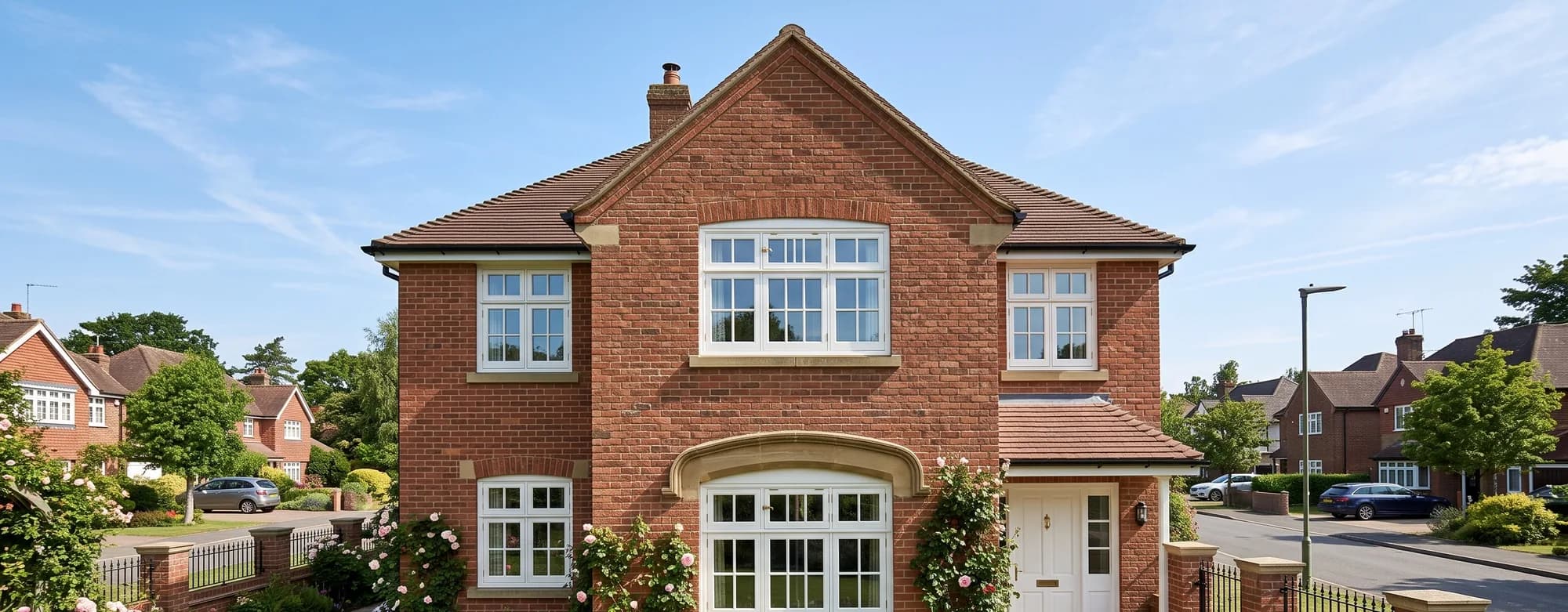
Casement Timber Windows: A Perfect Blend of Tradition and Performance
These windows, hinged on the side and designed to swing open like a door, are perfect for those looking to enhance the look of their home while maintaining ener...
Disadvantages of Tilt and Turn Windows: 7 Key Problems to Know (2026)
While tilt and turn windows are popular for their flexibility and modern look, they come with significant disadvantages of tilt and turn windows. From higher co...
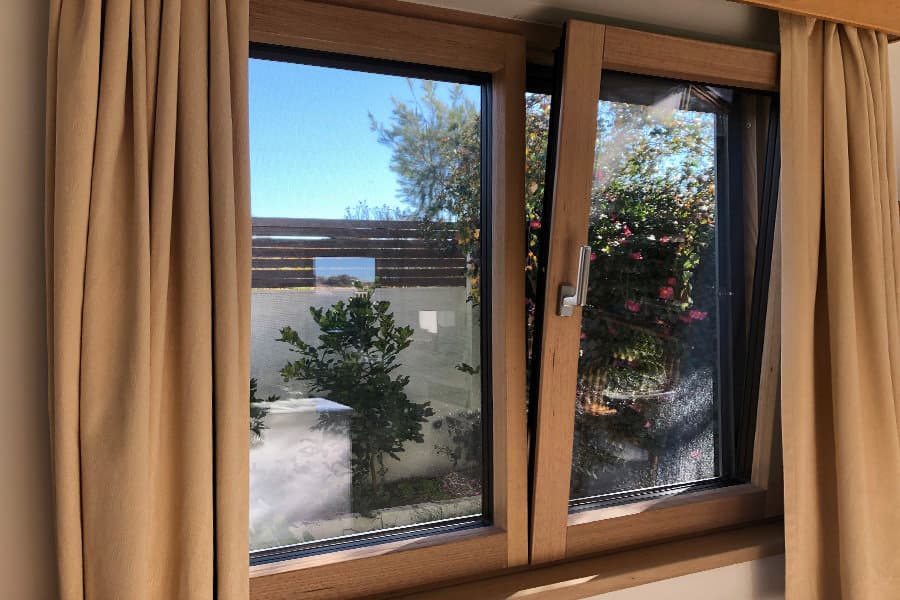
Tilt and Turn Timber Windows (Everything you need to know)
Tilt and turn timber windowsare a versatile window style that combines functionality with the timeless appeal of timber. These windows can be opened in two dist...