.svg)


Casement Timber Windows: A Perfect Blend of Tradition and Performance
Table of Contents
Quick Answer
Casement timber windows are hinged windows made from solid wood that swing outward for ventilation. They are the most popular window style in the UK, available in softwood from 700 or hardwood from 1,200 per window. Timber casements offer excellent thermal performance with U-values from 1.2 W/m2K, natural beauty, and lifespans exceeding 50 years with regular maintenance.
Key Takeaways
- With proper maintenance, casement timber windows can last upwards of 60 years or more.
- You should repaint or re-stain the frames every 3 to 5 years to protect against moisture and UV damage.
- With regular maintenance,casement timber windowscan last upwards of 60 years.
- The key to longevity is regular care, including repainting or re-staining every 3 to 5 years.
- Timber provides excellent natural insulation and can be repaired rather than replaced.
Casement timber windows have been a popular choice for homeowners for centuries, offering both aesthetic appeal and functional benefits.
These windows, hinged on the side and designed to swing open like a door, are perfect for those looking to enhance the look of their home while maintaining energy efficiency and security. Whether you're renovating a period property or upgrading a modern home,casement timber windowsare an excellent choice.
In this article, we'll explore the key benefits ofcasement timber windows, how they compare to other window types, and why they remain a top choice for homeowners in the UK.
1. Why Choose Casement Timber Windows?
Timber windowshave long been favoured for their natural beauty and durability. When combined with the practical design ofcasement windows, you get the perfect mix of style and functionality. Here’s whycasement timber windowsmight be the right choice for your home:
a. Timeless Aesthetic
Casement timber windowsoffer a classic look that enhances both traditional and modern homes. Their natural wood finish can be stained or painted to match your home’s exterior, making them highly versatile. They are especially popular inperiod properties, where maintaining the original character is essential. If you're considering the best window style for your home, you might also find our guide oncottage windowshelpful.
b. Superior Ventilation
Withcasement windows, you can open the entire window, allowing maximum airflow into your home. This makes them ideal for rooms that require better ventilation, such as kitchens or bathrooms. Additionally, they are perfect for properties located in areas with minimal wind direction, as they can catch side breezes effectively. For more details on window opening styles, check out ourguide to window styles and functions.
c. Energy Efficiency
One of the key benefits oftimber windowsis their excellent insulation properties. When paired withdouble glazing,casement timber windowscan significantly reduce heat loss, keeping your home warm during the colder months and cutting down on energy bills. Want to learn more about how upgrading your windows can save you money? Our article onhow upgrading your windows can save you energydives deeper into this topic.
2. Comparing Casement Timber Windows to Other Window Types
a. Casement vs Sash Windows
Bothcasementandsash windowsoffer distinct advantages, but the right choice depends on your home’s design and your personal preferences.Sash windows, for example, are a staple of period properties like Georgian or Victorian homes, whilecasement windowswork well in a range of settings. If you're unsure which style suits your home best, take a look at our guide onsash windowsfor more information.
b. Timber vs uPVC Windows
When it comes to material,timberanduPVC windowsare often compared. WhileuPVC windowsare low-maintenance and affordable,timber windowsoffer a more premium look and can last for decades with the right care. Learn more about the differences in our detailed comparison oftimber vs uPVC windows.
3. Long-Term Durability of Casement Timber Windows
One of the reasons homeowners choosetimber windowsover other materials is their longevity. With regular maintenance,casement timber windowscan last upwards of 60 years. However, it’s essential to protect them from moisture and harsh weather by sealing or painting them every few years. For a more comprehensive look at how to maintain timber windows, see ourguide to maintaining timber windows.
4. Enhancing Security with Casement Timber Windows
Security is a top priority for any homeowner, andcasement timber windowsdo not disappoint. When closed, the sash presses firmly into the frame, creating a tight seal that enhances security. For those seeking additional security features, opt fordouble glazingorlaminated glassto prevent forced entry. If you're concerned about home security, our article onhow secure windows can protect your homeoffers more insights.
Conclusion
Casement timber windowsare a fantastic choice for homeowners who want a balance of beauty, functionality, and long-term durability. Whether you're upgrading a modern property or preserving the charm of a period home, these windows offer timeless appeal with the practical benefits of energy efficiency and enhanced security.
For more window options, be sure to check out our other articles on window designs, such aslarge house windowsorGeorgian-style windows.
Frequently Asked Questions
With proper maintenance, casement timber windows can last upwards of 60 years or more. The key to longevity is regular care, including repainting or re-staining every 3 to 5 years, checking seals and weatherstripping annually, and promptly addressing any signs of rot or damage. Hardwood species like oak and sapele tend to last longer than softwoods like pine. Modern timber treatments and micro-porous paints have significantly improved the durability of wooden windows, making them a long-term investment for UK homeowners.
Absolutely. Timber casement windows are one of the best choices for period properties, including Victorian, Edwardian, and cottage-style homes. Their natural wood finish and traditional profiles can be crafted to match original window designs, preserving the character and heritage of the property. Timber frames can be stained or painted in heritage colours to complement the building's exterior. For listed buildings and conservation areas in the UK, timber casement windows are often the preferred or required option to maintain historical authenticity.
Timber casement windows offer a premium aesthetic with natural grain and warmth that uPVC cannot fully replicate. Timber provides excellent natural insulation and can be repaired rather than replaced. However, uPVC windows are cheaper, require virtually no maintenance, and resist rot. Timber windows typically cost more upfront (£750 to £1,500 per window versus £250 to £600 for uPVC) but can last longer with proper care. For period properties or homeowners who value authentic appearance, timber is the superior choice. For budget-conscious buyers, uPVC offers excellent value.
Casement timber windows require regular maintenance to stay in optimal condition. You should repaint or re-stain the frames every 3 to 5 years to protect against moisture and UV damage. Annually, inspect for any signs of rot, cracking, or peeling paint and address issues promptly. Clean the frames with a mild detergent and check that drainage channels are clear. Lubricate hinges and locking mechanisms regularly to ensure smooth operation. Modern timber treatments and factory-applied finishes have reduced maintenance requirements significantly compared to older timber windows.
Yes, double glazed casement timber windows are widely available and highly recommended. Combining timber frames with double glazing delivers excellent thermal performance, significantly reducing heat loss and lowering energy bills. Modern double glazed timber casement windows can achieve U-values as low as 1.2 W/m2K, meeting or exceeding current UK Building Regulations. You can also opt for triple glazing for even better insulation. The combination of timber's natural insulating properties with modern glazing technology makes these windows one of the most energy-efficient options on the market.
Yes, timber casement windows provide excellent security when fitted with modern hardware. When closed, the sash presses firmly into the frame, creating a tight seal. Modern timber casement windows come equipped with multi-point locking systems, shoot bolts, and security handles that meet PAS 24 standards. For additional security, you can opt for double glazing with laminated or toughened glass, which is much harder to break. The inherent strength and density of timber, particularly hardwoods, also makes the frames themselves resistant to forced entry.
The best timber choice depends on your budget and requirements. Hardwoods like oak, sapele, and meranti are the most durable, offering exceptional strength and natural resistance to weathering, making them ideal for high-end or heritage properties. Softwoods like Scandinavian pine or redwood are more affordable and lighter but require more frequent maintenance. Engineered timber, made from bonded layers of wood, offers excellent stability and resistance to warping. For UK properties, sustainably sourced hardwood or engineered timber generally provides the best balance of performance and longevity.
Related Posts
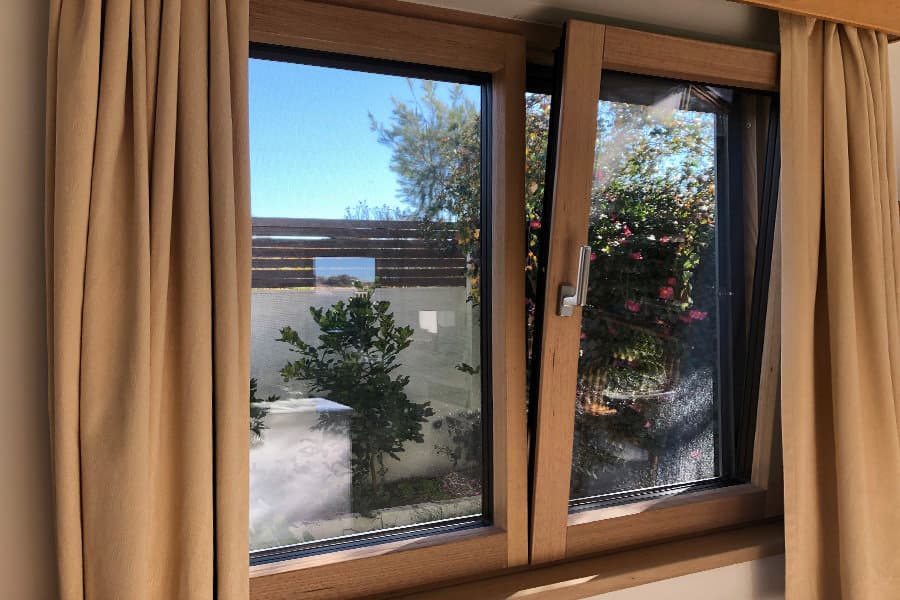
Tilt and Turn Timber Windows (Everything you need to know)
Tilt and turn timber windowsare a versatile window style that combines functionality with the timeless appeal of timber. These windows can be opened in two dist...
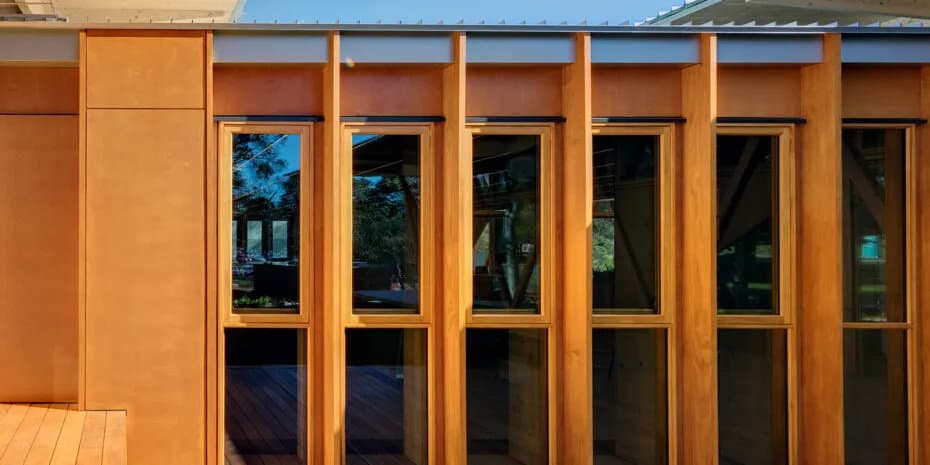
Accoya Timber Windows: The Ultimate Choice for Durability and Sustainability
Made from sustainably sourced wood, Accoya windows undergo a revolutionary modification process to enhance their durability, making them more resistant to rot, ...
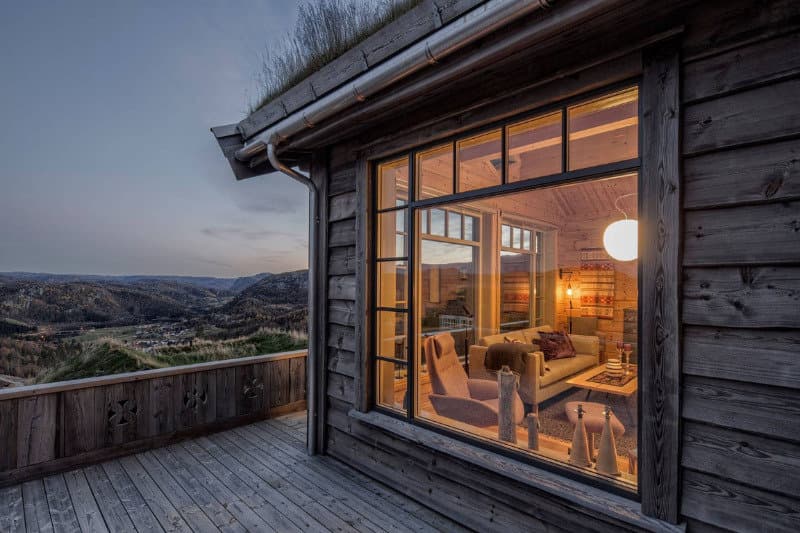
Alu Clad Timber Windows: The Perfect Blend of Durability and Aesthetic
These windows feature timber on the inside, providing warmth and traditional charm, while the aluminium cladding on the outside protects against harsh weather c...