.svg)








Do You Need Planning Permission to Add a Window UK?
Table of Contents
Quick Answer
Generally, no planning permission is needed to replace existing windows in the UK under permitted development rights, provided replacements are similar in appearance. However, planning permission is required when adding new windows, working on listed buildings, properties in conservation areas, or if your home has had its permitted development rights removed. Upper-floor side windows must be obscure-glazed and fixed if below 1.7m from floor level.
Key Takeaways
- Under Permitted Development Rights, new windows on upper-floor side elevations must typically be obscure-glazed and non-opening if below 1.7 metres.
- A FENSA or Certass registered installer can self-certify compliance, or you can apply directly to your local authority Building Control.
- If you replace windows without required planning permission or Listed Building Consent, you could face serious consequences.
- The local authority can issue an enforcement notice requiring you to restore the windows to their original state at your.
- For listed buildings, carrying out unauthorised work is a criminal offence that can result in prosecution and unlimited fines.
Planning a home improvement project often involves navigating various regulations. A common question UK homeowners ask is whether they need planning permission to add or replace windows. Understanding the rules is crucial to ensure your project proceeds smoothly and legally. At Harrington Windows, we not only provide high-quality window solutions but also help guide you through these considerations.
Understanding Planning Permission for Windows
Planning permission relates to the development and use of land and buildings. It's about ensuring changes respect local development plans and don't negatively impact neighbours or the environment. While many minor home alterations don't require formal permission, specific rules apply to windows, particularly when adding new ones or working on sensitive properties.
Permitted Development Rights: When Permission Isn't Usually Needed
Many home improvements, including some window alterations, fall under 'Permitted Development Rights'. These rights allow homeowners to make certain changes without needing to apply for planning permission. Generally, replacing existing windows with new ones of a similar appearance is considered permitted development.
However, even under permitted development, adding a new window to an upper-floor side elevation might have conditions. Often, such windows must be obscure-glazed and non-opening if they are below 1.7 metres from the floor level inside the room. Always check the specific guidance relevant to your property.
Situations Where Planning Permission Might Be Required
Permitted Development Rights can be overridden in certain circumstances or locations. You will likely need planning permission if:
1. Your Property is a Listed Building
Listed buildings have strict protections. Any alteration, including window replacement or addition, almost always requires Listed Building Consent, which is different from standard planning permission but applied for similarly. Work must preserve the building's character. Harrington Windows has experience crafting bespoke windows, such as authentic timber sash windows, suitable for heritage properties, ensuring compliance and aesthetic integrity.
2. Your Home is in a Conservation Area
Conservation areas have stricter controls to preserve their special character. Even replacing windows might require planning permission, especially if the changes affect the principal or side elevation facing a highway, or if an 'Article 4 Direction' is in place removing permitted development rights. Consulting your local council is vital. Our team understands the nuances of working within conservation areas.
3. You Are Creating a New Window Opening
Adding a completely new window opening (where none existed before) is more likely to require planning permission than simply replacing an existing one, particularly on elevations visible from the street. The impact on the building's appearance and potential overlooking of neighbours are key considerations.
4. Leasehold Properties or Restrictive Covenants
Beyond planning rules, check your property deeds or lease agreement. There may be restrictive covenants or leasehold conditions that limit alterations, including window changes.
Don't Forget Building Regulations
Separate from planning permission, any new or replacement window must comply with Building Regulations. These cover aspects like thermal efficiency (U-values), safety glazing, ventilation, and fire escape routes. Reputable installers like Harrington Windows ensure all supplied and fitted windows meet or exceed these requirements, providing you with peace of mind and a high-performance product backed by our 10-year warranty.
Navigate Window Regulations with Harrington Windows
Determining whether you need planning permission can seem complex. While the responsibility ultimately lies with the homeowner, Harrington Windows offers expert advice based on years of local experience.
Ready to enhance your home with beautiful, high-performance windows? Whether you need advice on planning permission or are ready to choose your perfect style – from classic Timber Sash to modern uPVC Tilt & Turn – our team is here to help. We pride ourselves on craftsmanship and quality materials.
**Contact Harrington Windows today for expert guidance and a no-obligation free quote for your window replacement or installation project.**
Frequently Asked Questions
In most cases, replacing existing windows with new ones of a similar appearance does not require planning permission, as it falls under Permitted Development Rights. However, you will need planning permission if your home is a listed building (Listed Building Consent is required), if your property is in a conservation area with an Article 4 Direction in place, or if the replacement significantly alters the window's external appearance. All replacement windows must still comply with Building Regulations covering thermal efficiency, safety glazing, ventilation, and means of escape. Using a FENSA-registered installer simplifies the compliance process.
Adding a completely new window opening where none previously existed is more likely to require planning permission than simply replacing an existing window. Under Permitted Development Rights, new windows on upper-floor side elevations must typically be obscure-glazed and non-opening if below 1.7 metres from the internal floor level, to protect neighbours' privacy. New windows on rear elevations at ground level are generally permitted. For front-facing elevations, the rules are stricter. The specific requirements depend on your property type and location, so always check with your local planning authority before cutting a new opening.
Conservation areas have stricter controls to preserve their special architectural character. Replacing windows in a conservation area may require planning permission, particularly if the changes affect the principal elevation or any elevation facing a highway. If an Article 4 Direction is in place, even like-for-like replacements may need permission. The local authority will typically require that replacement windows match the original style, proportions, and materials. Timber windows are often preferred or required over uPVC in conservation areas. Always consult your local council's planning department before proceeding with any window work in a conservation area.
All replacement windows in the UK must comply with Building Regulations regardless of whether planning permission is needed. Key requirements include thermal efficiency with a maximum U-value of 1.4 W/m2K for windows, adequate ventilation through trickle vents or equivalent, safety glazing in critical locations such as doors and low-level panes, and fire escape provisions for windows serving habitable rooms. Windows must also not compromise the structural integrity of the wall. A FENSA or Certass registered installer can self-certify compliance, or you can apply directly to your local authority Building Control department.
Yes, if your property is a listed building (Grade I, II*, or II), you will almost certainly need Listed Building Consent before replacing or altering any windows. This applies even to like-for-like replacements, as the consent process ensures changes preserve the building's historical and architectural significance. Unauthorised alterations to a listed building are a criminal offence. Applications are made through your local planning authority, and you may need to provide detailed specifications showing how the new windows will match the originals. Bespoke timber windows that replicate original designs are typically required for listed properties.
If you replace windows without required planning permission or Listed Building Consent, you could face serious consequences. The local authority can issue an enforcement notice requiring you to restore the windows to their original state at your own expense. For listed buildings, carrying out unauthorised work is a criminal offence that can result in prosecution and unlimited fines. Even without enforcement action, lack of proper permissions or Building Regulations compliance certificates can cause problems when selling your property. Buyers and their solicitors will check for these certificates, and their absence can delay or derail a sale.
FENSA (Fenestration Self-Assessment Scheme) is a government-authorised scheme that allows registered window installers to self-certify that replacement windows comply with Building Regulations. When you use a FENSA-registered installer, they notify your local authority on your behalf and provide a FENSA certificate as proof of compliance. This certificate is important when selling your property, as buyers' solicitors will request evidence of Building Regulations compliance. If you use a non-FENSA installer, you must arrange a separate Building Control inspection and pay additional fees. Always check that your installer is FENSA or Certass registered.
Under Permitted Development Rights, you can generally replace windows with a different style provided the new windows are of a similar external appearance to the originals. Minor changes such as switching from a top-hung to side-hung casement are usually acceptable. However, significant changes such as converting sash windows to casement windows, changing the proportions, or altering materials from timber to uPVC may require planning permission, especially in conservation areas or on prominent elevations. For properties with no special designations, there is more flexibility, but substantial changes to the front elevation may still need approval.
Related Posts
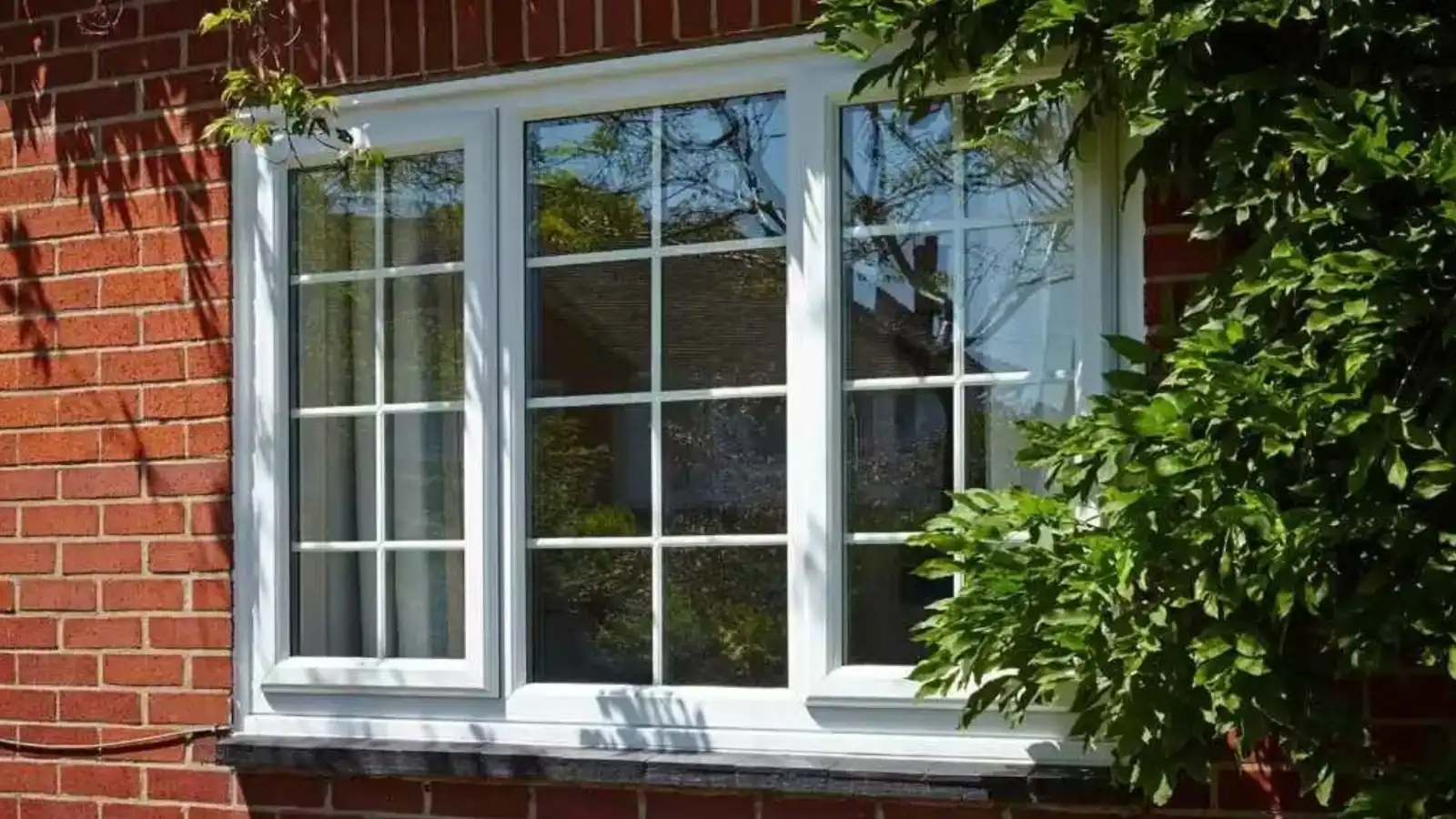
Georgian uPVC Windows: Prices, Colours & Conservation Area Guide
Georgian uPVC windows are a modern adaptation of the traditional Georgian window design, combining the architectural significance and aesthetic appeal of window...
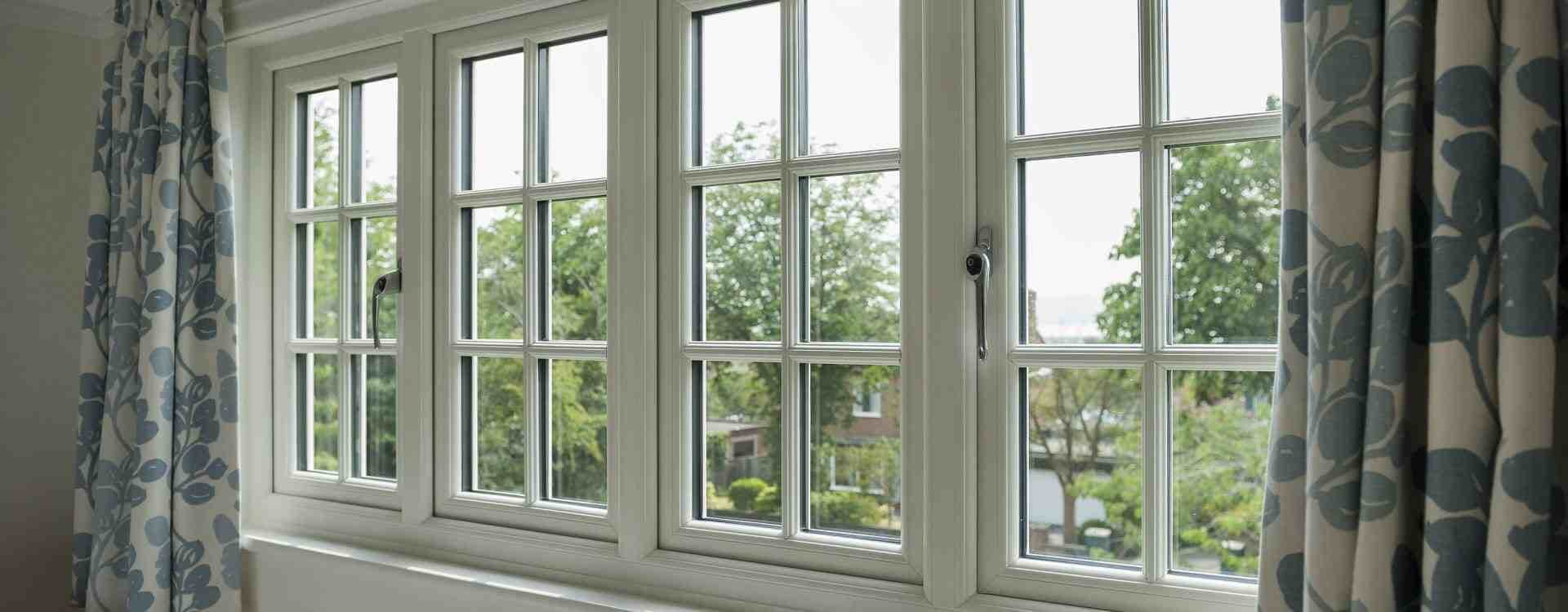
10 Benefits of Double Glazing Windows
From energy savings to added security, double glazing offers a variety of benefits that make it a smart investment.
8 Energy-Efficient Window Options to Transform Your Home
Are you looking to enhance your home's energy efficiency while adding a touch of style and elegance? Investing in energy-efficient windows can not only reduce y...