.svg)




Best Double Glazing on Windows for Energy Efficiency
Table of Contents
Quick Answer
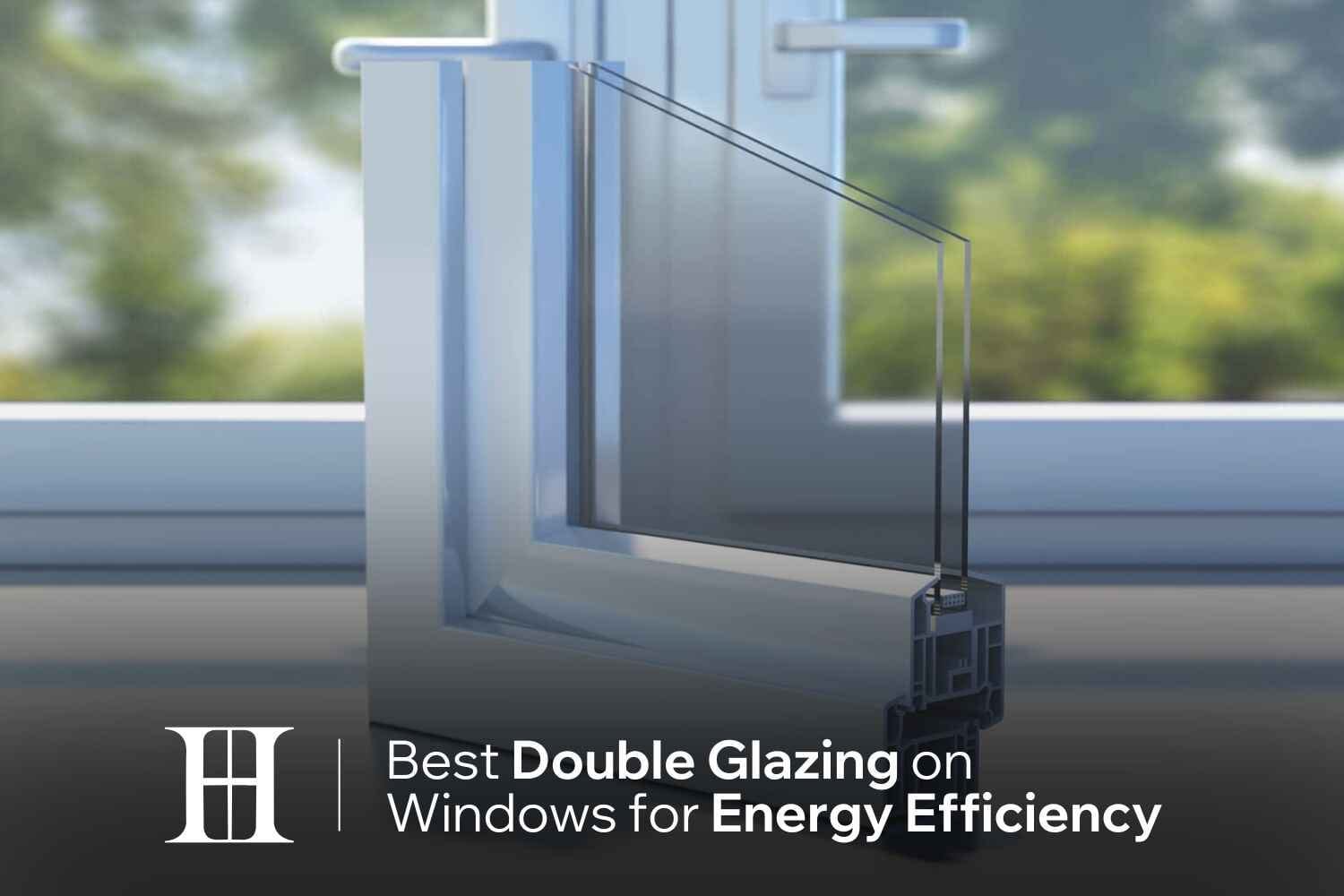
Double glazing consists of two panes of glass separated by a sealed gap filled with air or argon gas, creating an insulating barrier. Standard double-glazed units have a 16mm cavity and achieve U-values of around 1.2 W/m2K, reducing heat loss by up to 50% compared to single glazing. UK homeowners can expect to save 100 to 200 per year on energy bills after installing double glazing throughout their home.
Key Takeaways
- The frames themselves can last much longer, with uPVC lasting 25 to 35 years and timber frames lasting 40 to.
- This means a busy road measuring 70 decibels outside would be reduced to around 40 to 45 decibels inside.
- For homes in particularly noisy locations, specialist acoustic double glazing with laminated glass and asymmetric pane thicknesses can reduce noise.
- Modern double glazed units typically last 20 to 25 years before the gas-tight seal between the panes begins to deteriorate.
- Standard double glazing reduces external noise by approximately 25 to 31 decibels.
Double glazing on windows offers substantial improvements in energy efficiency, security, and noise reduction. This article explains how double glazing works, the benefits it provides such as enhanced thermal insulation and reduction in energy bills, and the types of double glazed windows you can choose from.
Key Takeaways
- Double glazing significantly improves thermal insulation, reducing energy bills and maintaining a comfortable indoor climate.
- The installation of double glazed windows enhances home security and provides effective noise reduction, creating a quieter living environment.
- Various materials for double glazed windows, such as uPVC, wood, and aluminium, offer distinct benefits in terms of aesthetics, cost, and energy efficiency.
What Are the Benefits of Double Glazing Windows?
Double glazing offers a multitude of benefits that go beyond just aesthetics. These windows are designed to provide enhanced thermal insulation, improved security, and significant noise reduction.
Installing double glazed windows allows homeowners to enjoy a more comfortable living environment and reduce their energy bills.
Improved Thermal Insulation
A major benefit of double glazed windows is their ability to enhance thermal insulation. These windows consist of two glass panes separated by a layer of Argon gas, which significantly reduces heat transfer and enhances thermal efficiency. This setup minimises heat loss during the winter and keeps your home cooler in the summer, leading to substantial energy savings. Double glazed windows also reduce condensation by keeping the inner pane warmer, which prevents moisture buildup.
Enhanced thermal insulation from double glazing helps maintain a stable indoor temperature, reducing the need for constant heating or cooling. This not only lowers your energy consumption but also ensures a more comfortable living environment throughout the year.
Enhanced Security
Beyond keeping your home warm, double glazed windows also significantly enhance security. The toughened glass used in these windows makes them much more resistant to breakage compared to single glazed options. This added strength acts as a deterrent to potential intruders, giving you peace of mind.
Laminated glass in some double glazed windows, consisting of multiple bonded layers, is even harder to break. Pairing these robust materials with high-security locks and window handles greatly enhances overall home security.
Noise Reduction
Double glazed windows can significantly improve living conditions in noisy neighbourhoods or near busy streets. The construction of double glazing, with two glass panes and a gas layer in between, acts as an effective sound barrier, reducing external noise by up to 31 decibels. This means you can enjoy a quieter and more peaceful home environment.
Homeowners often report noticeable decreases in outside noise levels, highlighting the noise reduction benefits of double glazing. This improvement in sound insulation contributes to a more serene and comfortable living space, enhancing your overall quality of life.
What Are the Different Types of Double Glazed Windows?
Various types of double glazed windows offer distinct advantages in aesthetics, durability, and energy efficiency.
The three primary materials used for these windows are uPVC, wooden, and aluminium, each catering to different preferences and requirements.
uPVC Double Glazed Windows
uPVC double glazed windows are popular for their durability, low maintenance requirements, and cost-effectiveness. These windows are known for their energy efficiency, making them a practical option for those looking to reduce their energy bills. With prices starting as low as £200 per window, uPVC options are often the most budget-friendly choice.
uPVC windows come in various styles such as uPVCcasement windows,sash, andtilt and turn, offering flexibility to match your home’s architecture. Their sturdy construction ensures longevity, making them a smart investment.
Wooden Double Glazed Windows
Wooden double glazed windows provide timeless aesthetic appeal and excellent natural insulation properties. These windows are ideal for homeowners seeking a classic look with the added benefit of superior thermal insulation.
Although requiring more maintenance than uPVC or aluminium, wooden frames’ natural beauty and insulation capabilities make them a worthwhile choice.
Aluminium Double Glazed Windows
Aluminium double glazed windows are renowned for their modern aesthetic and durability. These frames are lightweight yet strong, with excellent resistance to corrosion and environmental damage.
Their sleek design and minimal frame width make aluminium windows perfect for maximizing natural light in contemporary homes.
Energy Efficiency and Double Glazing
Homeowners primarily choose double glazed windows for their energy efficiency. These windows significantly improve thermal insulation, reducing heat loss and leading to less energy bills.
Investing in double glazing makes your home more energy-efficient and environmentally friendly.
Understanding U-Values
U-values, which measure heat transfer through a window, indicate better insulation with lower values. Typically, double glazed windows have u value values from 1.2 to 2.2 W/m²K, showing their effectiveness in minimising heat loss. The use of Argon gas between the glass panes further enhances insulation and reduces condensation, contributing to better energy performance.
UK regulations mandate new windows to have U-values of 1.4 W/m²K or lower to meet energy efficiency standards. Choosing double glazed windows with low U-values ensures superior thermal efficiency and compliance with regulations.
Window U-Value CalculatorTool
Reducing Energy Consumption
Double glazing significantly reduces energy consumption. Minimising heat loss and gain, these windows reduce the need for heating in winter and cooling in summer, lowering utility bills. Improved thermal efficiency from double glazed windows can save homeowners up to £235 annually on heating costs.
Compliance with Building Regulations
Designed to meet UK building regulations, double glazed windows aim to improve energy efficiency in buildings. Compliance with these standards ensures properties are more sustainable and energy-efficient.
Customising Your Double Glazed Windows
Customising double glazed windows enhances both the aesthetic appeal and functionality of properties. Various styles, materials, and finishes allow you to create windows that match your home’s design and meet your specific needs.
Glass Options
A range of glass options for double glazed windows suits various requirements. Obscure glass is perfect for bathrooms and private spaces, allowing natural light while ensuring privacy. Decorative glass, like leaded or bevelled options, adds stylistic elements to your windows, enhancing your home’s overall look.
In areas prone to impact, toughened glass offers additional strength and safety. These glass options enable homeowners to customise their windows for both functional and aesthetic needs.
Frame Colours and Finishes
A wide range of colours and finishes, including realistic woodgrain effects, allows customization of window frames. This enables homeowners to match windows to their home’s exterior and interior design for a cohesive, personalised look. Coloured uPVC frames are especially popular, offering durability and a variety of shades.
Many frame finishes mimic natural materials like wood while retaining the benefits of modern materials like uPVC or aluminium. This blend of aesthetics and functionality makes customized window frames a valuable addition.
Hardware and Accessories
Appropriate hardware and accessories can greatly enhance the functionality and aesthetic appeal of double glazed windows. Window handles come in various designs and finishes, enabling homeowners to match their windows to their personal style.
Astragal bars can add a classic look to windows, though they might increase the overall cost by 20 to 30%.
Installation and Maintenance of Double Glazed Windows
Proper installation and maintenance are essential for the longevity and performance of double glazed windows. Some homeowners might opt for DIY installation, but hiring a professional often yields better results and peace of mind.
Professional Installation vs. DIY
Professional installers ensure a high-quality fit and often provide a warranty, reducing the risk of property damage. DIY installation can save money, but it requires significant skill and knowledge to avoid pitfalls and ensure proper fitting.
Maintenance Tips
Maintenance for double glazed windows is relatively straightforward. Regular cleaning maintains clarity and prevents dirt or grime buildup. Inspecting locks, hinges, and seals periodically ensures proper functioning and allows for prompt issue resolution.
Regular maintenance for wooden frames is necessary to preserve their quality and insulation properties.
Cost Considerations
Understanding the costs of double glazed windows is essential for making an informed decision. Though the initial investment may seem high, long-term savings and financial incentives make it worthwhile.
Initial Costs
Upfront costs of double glazed windows vary significantly based on materials and installation methods.uPVC windowsare often the most affordable option, known for their durability and low maintenance requirements.
Long-term Savings
Double glazed windows offer significant long-term savings by improving thermal insulation and reducing heating and cooling needs. Argon gas and low-emissivity coatings enhance thermal efficiency, leading to lower energy bills and a smaller carbon footprint.
Financial Incentives
Several financial incentives can help offset the cost of installing double glazed windows. Programs like the Energy Company Obligation (ECO4) and the Home Upgrade Grant (HUG2) provide funding for energy-efficient home improvements.
Some double glazing installers also offer scrappage schemes, providing financial incentives for replacing old windows.
Case Studies and Customer Reviews
Real-life examples and customer reviews showcase the tangible benefits of double glazed windows. PT Glazing highlights success stories from various projects, illustrating positive transformations experienced by customers.
Customers often report significant improvements in home comfort and energy savings after installing double glazing. Many also note enhanced aesthetic appeal and increased property values, contributing to overall satisfaction.
Summary
Double glazed windows offer a multitude of benefits that greatly enhance the comfort, security, and energy efficiency of homes. By improving thermal insulation, these windows reduce the need for heating and cooling, leading to lower energy bills and a more comfortable living environment. The enhanced security features and noise reduction capabilities further contribute to their appeal, making them a valuable investment for any homeowner.
Opting for double glazed windows made from uPVC, wood, or aluminium allows homeowners to choose the best material to suit their needs and preferences. Customisation options, from various glass types to frame colours and hardware, enable a tailored approach that enhances both functionality and aesthetics. With proper installation and maintenance, these windows offer long-term savings and compliance with building regulations, ensuring a sustainable and cost-effective solution for modern homes.
Frequently Asked Questions
What are the main benefits of double glazed windows?
Double glazed windows provide excellent thermal insulation, which results in lower energy bills, enhanced security, and substantial noise reduction. By installing them, you create a more comfortable and peaceful indoor environment.
What materials are used for double glazed windows?
Double glazed windows are typically made from uPVC, wood, and aluminium, each offering distinct benefits such as durability, aesthetic appeal, and insulation. Choosing the right material depends on your specific needs and preferences for maintenance and style.
How do double glazed windows improve energy efficiency?
Double glazed windows significantly enhance energy efficiency by reducing heat loss and gain, thanks to their low U-values and the insulating properties of Argon gas and low-emissivity coatings. This leads to lower energy bills and a smaller environmental footprint.
What customisation options are available for double glazed windows?
You can customise double glazed windows by selecting various glass types, frame colours and finishes, and hardware accessories, ensuring they meet your specific aesthetic and functional requirements. This tailored approach enhances both appearance and performance.
Are there any financial incentives for installing double glazed windows?
Yes, financial incentives for installing double glazed windows include programs like the Energy Company Obligation (ECO4) and the Home Upgrade Grant (HUG2), which provide funding for energy-efficient upgrades. Some installers also offer scrappage schemes to reduce overall installation costs.
Frequently Asked Questions
UK Building Regulations require replacement windows to have a maximum U-value of 1.4 W/m2K. The lower the U-value, the better the insulation. Standard double glazed windows typically achieve U-values between 1.2 and 1.6 W/m2K. High-performance double glazing with low-emissivity coatings and argon gas filling can achieve U-values as low as 1.0 W/m2K. Triple glazed windows can reach even lower values of 0.7 to 0.8 W/m2K. When choosing double glazing, look for the Window Energy Rating (WER) scheme, where A++ is the highest rating, indicating the best energy performance.
Argon gas is used to fill the gap between the two panes of double glazed windows because it is denser than air and conducts heat less efficiently. This significantly reduces heat transfer through the window, improving thermal insulation by approximately 30% compared to air-filled double glazing. Argon is an inert, non-toxic, odourless gas that poses no health risk. It also helps reduce condensation on the inner pane. While krypton gas offers even better insulation, it is considerably more expensive and is typically only used in high-performance triple glazing. Argon gas filling is now standard in quality UK double glazing.
Double glazing costs in the UK vary by material and style. uPVC double glazed casement windows start from around £250 to £600 per window including installation. Timber double glazed windows range from £750 to £1,500, while aluminium frames cost £650 to £1,200 per window. Sash windows with double glazing range from £800 to £2,000. Bay windows cost £1,500 to £3,000 or more. These prices include standard double glazing with argon gas. Upgrades such as triple glazing, acoustic glass, or coloured frames will add to the cost. Regional pricing varies, with London and the South East being more expensive.
Standard double glazing reduces external noise by approximately 25 to 31 decibels, which is a significant improvement for most UK homes. This means a busy road measuring 70 decibels outside would be reduced to around 40 to 45 decibels inside, which is comparable to a quiet library. For homes in particularly noisy locations, specialist acoustic double glazing with laminated glass and asymmetric pane thicknesses can reduce noise by up to 40 decibels. Triple glazing also offers enhanced sound insulation. The size of the gap between panes and the quality of the frame seals both influence the overall noise reduction achieved.
Yes, double glazing is particularly worthwhile for older UK houses, which often have single glazing or outdated windows that are major sources of heat loss. Upgrading to modern double glazing can reduce heat loss through windows by up to 50%, saving £100 to £235 per year on energy bills. Beyond energy savings, double glazing eliminates drafts, reduces condensation that can cause damp and mould, improves security, and significantly reduces external noise. For period properties, modern slim-profile double glazing can be fitted into traditionally styled frames to maintain the building's character while delivering contemporary performance.
Double glazing uses two panes of glass with one gas-filled gap, while triple glazing has three panes with two gas-filled gaps. Triple glazing offers approximately 20% to 30% better thermal insulation than standard double glazing, with U-values as low as 0.7 W/m2K compared to 1.0 to 1.4 W/m2K for double glazing. Triple glazing also provides superior noise reduction. However, triple glazing is heavier, more expensive (typically 30% to 50% more), and requires stronger frames. For most UK homes, high-quality double glazing with low-emissivity glass provides excellent performance. Triple glazing is most beneficial in very cold regions or extremely noisy locations.
Modern double glazed units typically last 20 to 25 years before the gas-tight seal between the panes begins to deteriorate, leading to misting or condensation between the glass. The frames themselves can last much longer, with uPVC lasting 25 to 35 years and timber frames lasting 40 to 60 years with proper maintenance. When the sealed unit fails, you can often replace just the glass unit without changing the entire frame, which is more cost-effective. Signs that double glazing needs attention include condensation between panes, visible seal damage, drafts, or difficulty operating the opening mechanism.
Related Posts
10 Benefits of Double Glazing Windows
From energy savings to added security, double glazing offers a variety of benefits that make it a smart investment.
8 Energy-Efficient Window Options to Transform Your Home
Are you looking to enhance your home's energy efficiency while adding a touch of style and elegance? Investing in energy-efficient windows can not only reduce y...
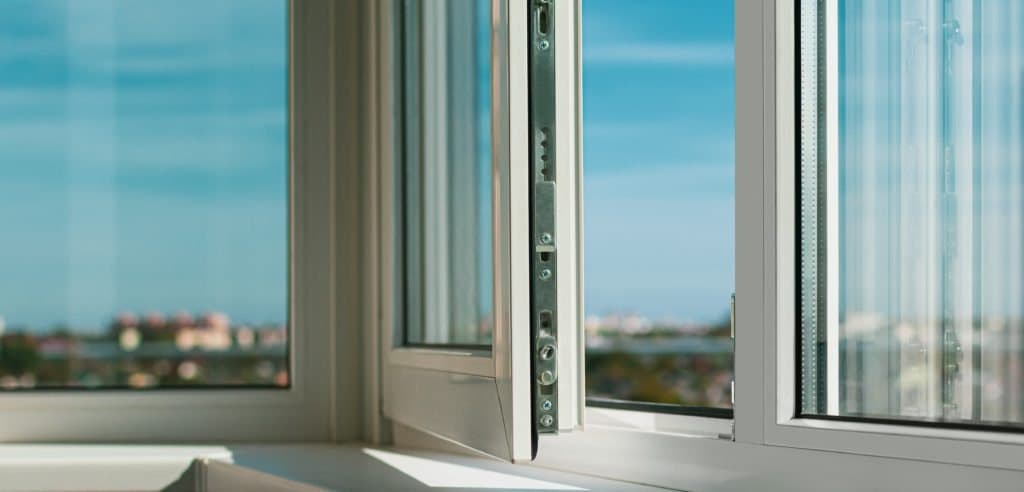
Benefits of Choosing Double Glazed Glass Windows for Your Home
Double glazed sealed units consist of two glass panels separated by a spacer bar and filled with inert gas like Argon to enhance insulation.