.svg)


Sash Windows: The Complete UK Guide to Types, Mechanisms & Costs (2026)
Table of Contents
Quick Answer
Sash windows consist of one or two movable panels (sashes) that slide vertically within a frame. Originating in the 17th century, they remain a defining feature of UK period architecture. Modern sash windows are available in timber (1,200 to 2,800), uPVC (600 to 1,200), and aluminium (900 to 1,800), with double-glazed options achieving U-values of 1.2 to 1.4 W/m2K while maintaining traditional aesthetics.
Key Takeaways
- Well-maintained timber sash windows can last 60 years or more, with many original Georgian and Victorian examples still in use.
- UPVC sash windows typically last 20 to 30 years.
- Modern sash windows can be highly energy efficient.
- When fitted with double or triple glazing, draught-proofing, low-E glass coatings, and warm-edge spacer bars.
- While original single-glazed sash windows are notoriously draughty, upgrading the glazing and adding weatherstripping can dramatically improve their thermal performance.
Sash windows have been a hallmark of British architecture for centuries, gracing everything from grand Georgian townhouses to quaint country cottages. Renowned for their timeless charm and elegant proportions, these vertically sliding windows remain as popular as ever among UK homeowners. In this comprehensive guide, we'll explore everything you need to know about sash windows – from their rich history and various styles (Georgian, Victorian, Edwardian) to modern materials, mechanics, glazing options, energy efficiency, maintenance, and innovations. Whether you're restoring a period property or considering brand-new energy-efficient sash windows for your home, this overview will help you understand the appeal and practicalities of this classic window style (and how Harrington Windows can assist in bringing its benefits to your home).
What Is a Sash Window?
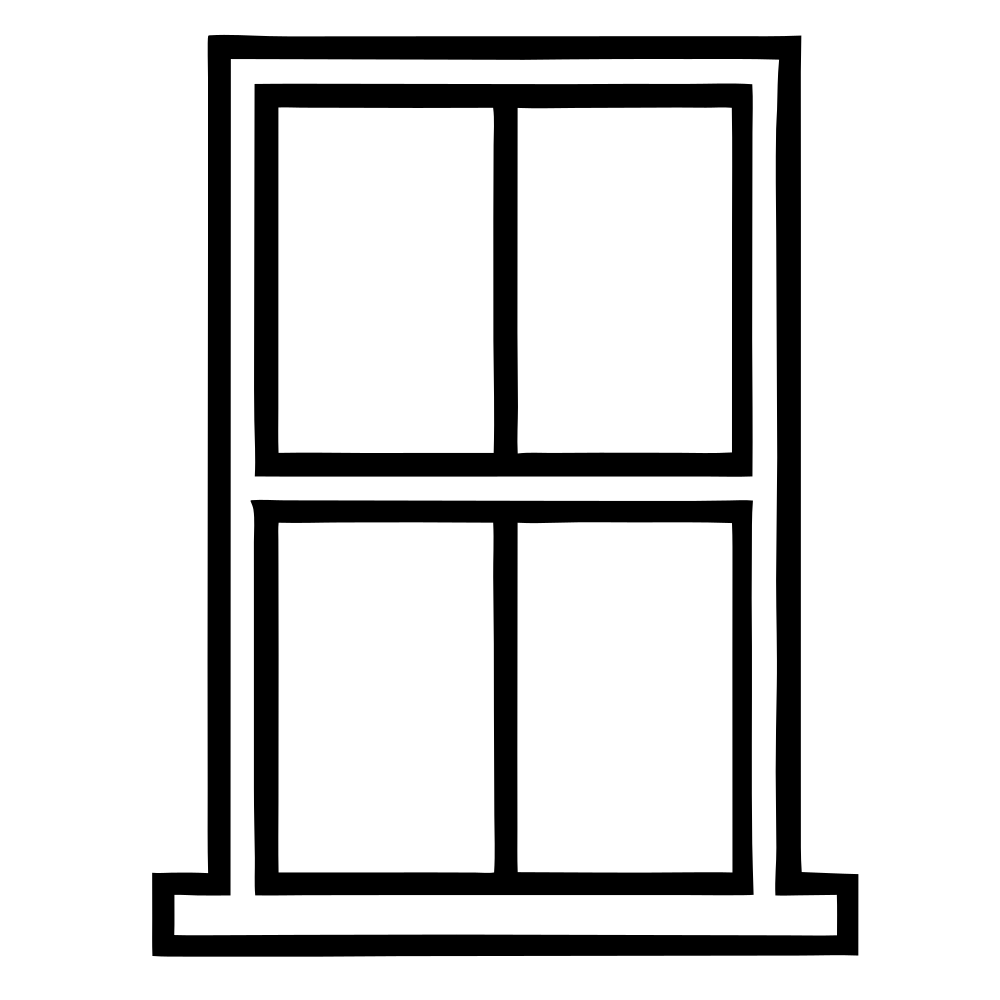
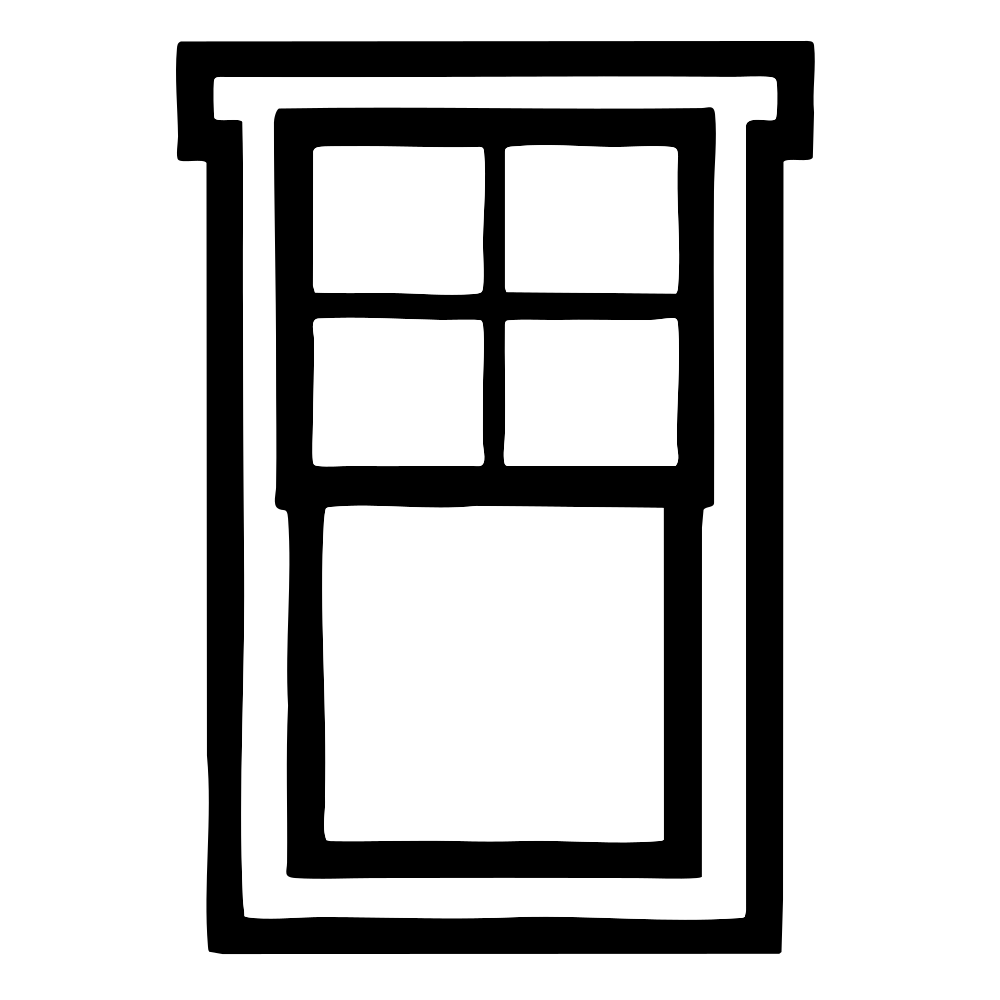
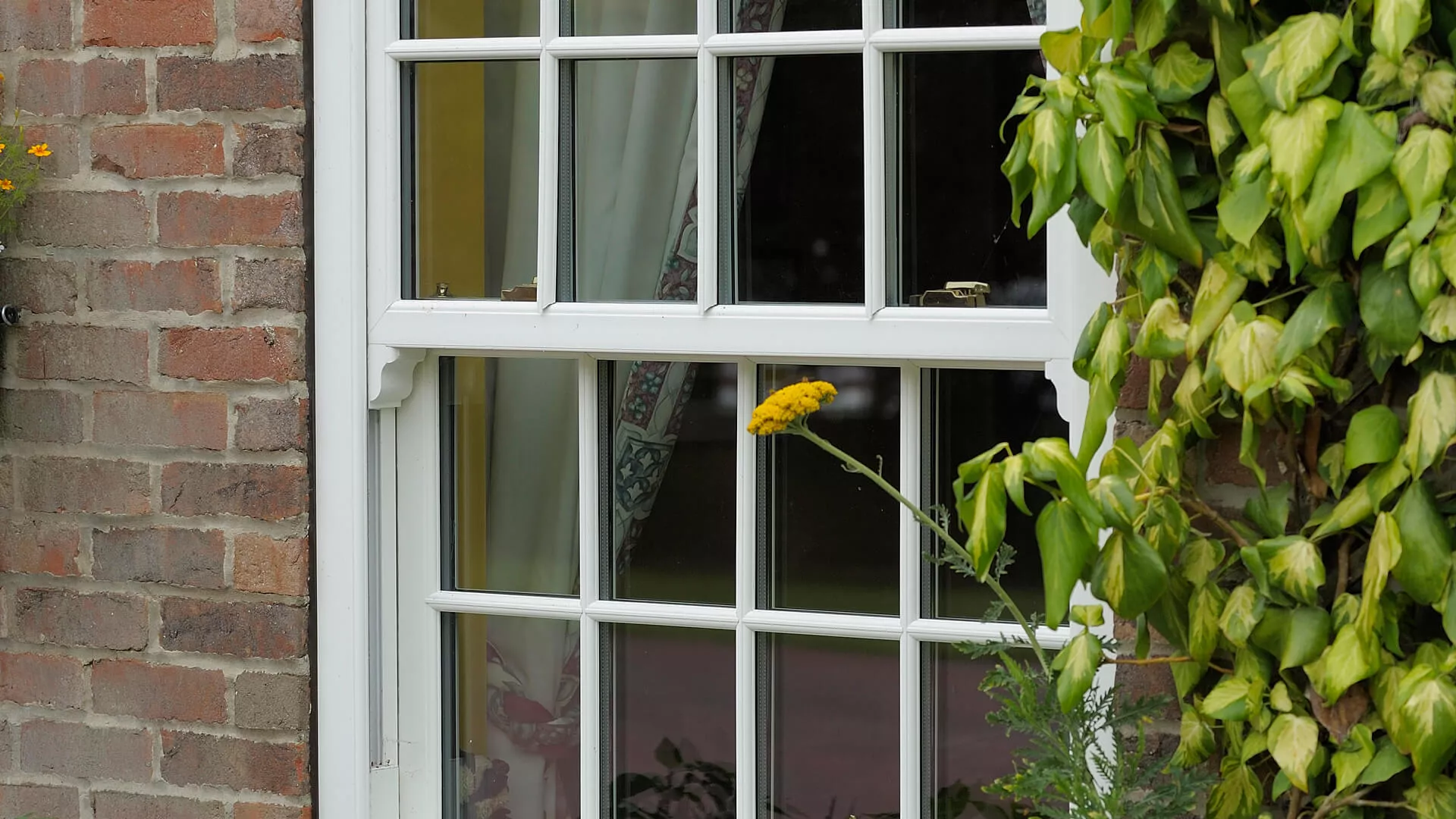
A sash window is a type of window with one or more movable panels (called sashes) that slide open and closed within the frame, rather than swinging outward or inward on hinges. In the classic design, there are two sashes that slide vertically past each other – this is often referred to as a sliding sash or double-hung sash window. In a double-hung sash, both the top and bottom sashes can move, allowing you to open the window at either end (or even crack both open for better airflow). By contrast, a single-hung sash window has one fixed sash and one movable sash (usually the bottom). The ability to open both sashes provides superior ventilation – for example, opening the top sash while also opening the bottom sash creates a convective air flow that draws cool air in below and lets warm air out above. Sash windows can also be designed to slide horizontally (often called gliding sash windows or Yorkshire sliders), though the vertical double-hung style is by far the most common for traditional homes. No matter the configuration, all sash windows are defined by their graceful sliding operation and classic look.
History of Sash Windows
Sash windows have a long and storied history in the UK. Invented around the late 17th century (the exact origin is debated), this window style quickly gained popularity for its practical combination of elegance and functionality. By the 18th century, sash windows had become a defining feature of British architecture, especially during the Georgian period. Over the years, the design evolved through the Victorian and Edwardian eras, each era leaving its own mark on the appearance of sash windows. Below, we delve into how sash window styles developed across these periods:
Georgian Era Sash Windows (18th Century)
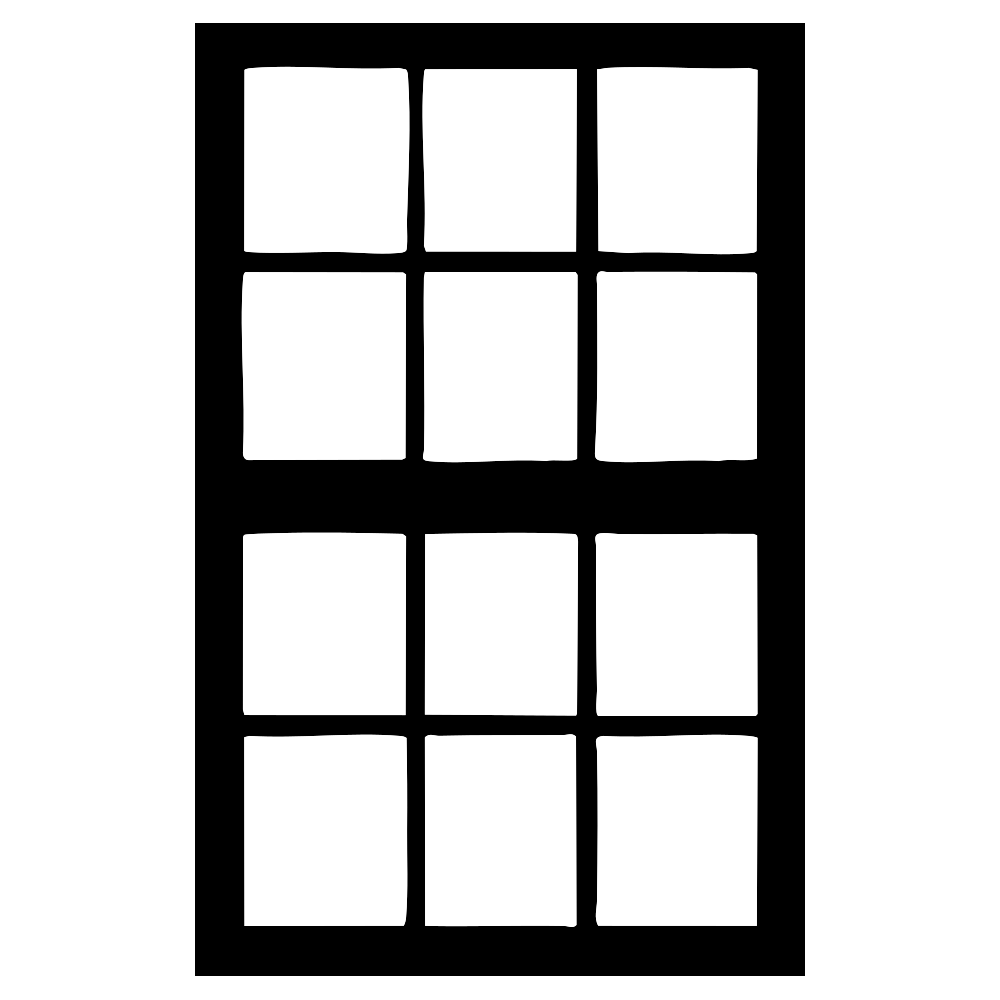
During the Georgian era (c. 1714–1830s), sash windows became virtually ubiquitous in new buildings. Georgian sash windows typically featured a "six over six" grid of small panes in each sash – in other words, each window was divided into six smaller panes over six, using astragal bars to hold the panes in place. This multitude of small glass panes was necessary because glass manufacturing techniques at the time could not produce very large, clear sheets. The result was a distinctive Georgian look: elegant, symmetrical facades with tall sash windows composed of many little panes of glass. These windows added a touch of refinement and balance to Georgian homes, and many fine examples still survive today. If you stroll through historic Georgian neighborhoods (such as parts of Bath or the Georgian squares of London), you'll see rows of six-over-six sash windows that exemplify the period's architectural harmony.
Victorian Era Sash Windows (19th Century)
By the Victorian era (c. 1837–1901), advances in glass production allowed for larger panes, and sash window designs adjusted accordingly. Victorian sash windows often used fewer, larger panes than Georgian ones – a common configuration was "two over two" (two panes per sash) or even a single large pane in each sash for maximum light. However, Victorian sashes introduced new decorative features to compensate for the reduced glazing bars. One hallmark of Victorian sash windows is the presence of sash window horns – small curved projections on the lower part of the upper sash harringtonwindows.com harringtonwindows.com. Originally, these sash horns were added in the mid-19th century for a practical reason: to strengthen the sash's joints when larger, heavier glass panes were used, and to prevent the upper sash from dropping too low. Over time, sash horns became a largely decorative element, but they remain an unmistakable Victorian flourish that adds character. Victorian sash windows are also known for their robustness and ornate detailing. Many late-19th-century homes across the UK – from London townhouses to country villas – still retain their original Victorian sashes with run-through horns and graceful proportions harringtonwindows.com harringtonwindows.com.
Edwardian Era Sash Windows (Early 20th Century)
The Edwardian era (c. 1901–1910) continued the legacy of sash windows but with its own twist on the aesthetics. Edwardian sash windows often represented a blend of Georgian and Victorian influences. A typical Edwardian design might feature a "six over two" arrangement: the upper sash divided into six small panes (two columns of three, echoing Georgian multi-pane elegance) over a lower sash with just two larger panes (or one split in half), creating a more open feel harringtonwindows.com harringtonwindows.com. This gave Edwardian windows a charming balance – they combined the ornate, grand look of multiple small panes at the top with the simplicity and greater light admission of larger panes in the bottom. The glazing bars were fewer than in Georgian windows, resulting in more daylight, and the overall look was slightly cleaner and less fussy than Victorian designs. By the early 20th century, homeowners wanted the grandeur of Georgian windows with the practical simplicity of Victorian ones, and Edwardian sash windows achieved that blend. Many Edwardian homes (often larger suburban villas and townhouses built around 1900–1910) feature such sash windows, contributing to their elegant, airy interiors. After the Edwardian period, the popularity of sash windows waned slightly as modernist styles and casement windows became more common in mid-20th-century construction. However, sash windows never truly went away – they have seen a renaissance in recent decades as homeowners look to restore period features and as modern manufacturing has made it possible to combine classic style with new technology. In fact, the timeless appeal of sash windows has ensured they remain sought-after to this day. From the stately terraces of London (famous for their rows of traditional sash windows) harringtonwindows.com harringtonwindows.com to historic market towns like Bishop's Stortford (where many Victorian and Georgian properties still proudly display original sashes), these windows are an enduring part of Britain's architectural heritage. If you own a period home, preserving and enhancing its original sash windows can be very rewarding – and choosing the right style is key. (For further tips on selecting authentic sash window designs for a period property, see our guide on [choosing traditional sash windows for your period home](/post/traditional-sash-window).)
Design and Mechanics of Sash Windows
One reason sash windows have stood the test of time is their clever design and mechanics. Unlike outward-opening casement windows, sash windows slide within their own frame, which offers some unique functional advantages. Traditionally, a sash window operates on a counterbalance system: each movable sash is attached to a cord (or chain) that runs over a pulley hidden in the frame, with a heavy steel or cast-iron weight on the other end inside the hollow frame (the "weight box"). These weighted sash systems, commonly called box sash windows, have been used since the earliest days of sash windows. The weights perfectly counterbalance the sash, allowing it to stay open at any height you raise it to – a simple but ingenious mechanism that has been reliable for centuries. In modern sash windows, you'll often find an updated mechanism: spring balances (sometimes called spiral balances). Spring sash windows use a metal spring or coil instead of the old weights and pulleys harringtonwindows.com harringtonwindows.com. The spring mechanism is usually concealed inside the frame's side channels, providing tension to hold the sash in place. This design allows for a slimmer window profile (since you don't need a large boxed frame to house heavy weights) and can simplify installation, especially in replacements or newer constructions. Spring-balanced sashes also tend to operate very smoothly with minimal effort. Both systems – the traditional cords-and-weights and the modern spring balance – have their merits. The classic box sash weight-and-pulley method offers a delightfully smooth action and a nostalgic feel (and it can be repaired indefinitely by replacing cords or weights as needed). The spring balance method offers a more contemporary approach with less bulk and typically lower maintenance. (For a deeper comparison of the two mechanisms, check out our guide [Box Sash Windows vs Spring Balanced Sash Windows](/post/box-sash-windows-vs-spring-balanced-sash-windows), which explains the differences in detail.) Most sash windows in Britain are the vertical sliding type, but as mentioned earlier, there are also horizontally sliding variants. Known historically as Yorkshire sash windows and today often termed gliding sash windows, these have sashes that slide side-to-side instead of up-and-down harringtonwindows.com harringtonwindows.com. The horizontal design was less common overall, but you may encounter it in some cottages or older buildings where a vertical slide wouldn't work. Modern gliding sash windows offer the same visual style and many of the same benefits as vertical sashes – including good ventilation and space-saving operation – but are useful for specific situations (for example, fitting a wide, short window space or for certain accessibility needs). Another advantage of sash windows' design is how they maximize space and safety. Because sashes move within the frame, a sash window doesn't project outward over a exterior path or intrude inward into your room when opened. This sliding action is great for homes that face footpaths or for upper-floor windows, as there's no sash swinging outwards that could hit something or catch the wind. It also means you can easily dress the window with shutters or curtains since there's no inward swing to accommodate. Finally, the double-hung design (with two moving sashes) contributes to excellent ventilation control. You can open the top sash a bit and the bottom sash a bit, which allows warm air to escape out the top while cooler air enters from below – effectively ventilating a room on hot days. This was a deliberate feature valued in the days before electric fans or air conditioning, and it's still appreciated by homeowners today. Sash windows offer a blend of form and function that few other window styles can match.
Benefits of Sash Windows
Why do sash windows continue to captivate homeowners? Here are some key benefits of this classic window style: Timeless Aesthetic: Sash windows exude traditional elegance and instantly add charm to a property. They are often a selling point in period homes due to their authentic look and historical character. Even in modern builds, a sash window can introduce a touch of classic style that elevates curb appeal. Excellent Ventilation: Because both upper and lower sashes can open, you have flexible control of airflow. Open both for effective top-and-bottom ventilation, or just one sash as needed – far more versatile than a standard single-pane window. This helps naturally regulate indoor temperature and fresh air. Space-Saving Design: Sash windows slide vertically (or horizontally in the case of gliding sashes) within the frame, so they don't protrude outward or inward. This is ideal for buildings along narrow streets or anywhere an outward-opening window might be hazardous or impractical. It also means you can have window boxes, curtains, or furniture near the window without obstruction. Modern Energy Efficiency: Traditional sash windows had single glazing and could be draughty, but today's sash windows can be made highly energy-efficient. Features like double glazing, weatherstripping, and insulated frames significantly improve thermal performance (more on this later), so you get classic looks without sacrificing comfort. Added Property Value: Sash windows tend to enhance the value and desirability of homes, especially in historic areas. They signal quality and heritage. Well-maintained or upgraded sash windows can make a home more attractive to buyers who appreciate character features alongside modern convenience.
Sash Window Materials: Timber, uPVC and More
Originally, all sash windows were made of timber (wood) – and many beautifully crafted timber sash windows from the 18th and 19th centuries are still in use today. In the 21st century, however, homeowners can choose from a range of materials for new sash windows, each with its own advantages. The three primary material options are timber, uPVC, and aluminium:
Timber Sash Windows
Timber remains the material of choice for purists and those in conservation areas or listed buildings. There's nothing quite like the authentic look of real wood grain and traditional joinery in a sash window. High-quality hardwood or softwood frames can last for decades (even centuries) if properly maintained. Timber is strong, a good natural insulator, and can be painted or stained any colour, offering plenty of flexibility in appearance. Traditional features such as putty-glazed glass, authentic sash horns, and classic ironmongery (fitch catches, lifting handles, etc.) are easiest to achieve in timber sash windows. For historic homes, retaining or installing timber sashes is often essential for maintaining architectural integrity. Do keep in mind that wooden sashes require regular maintenance – periodic painting or varnishing to protect the wood, and checking for rot or decay in older frames. With care, though, timber windows can perform well for generations. (Learn more in our dedicated post on [the beauty of timber sliding sash windows](/post/timber-sliding-sash-windows).)
uPVC Sash Windows
uPVC (unplasticised polyvinyl chloride) is a very popular material for modern sash windows, and for good reason. uPVC sash windows offer the traditional styling of sash windows but with greatly reduced maintenance needs. Because uPVC is a type of durable plastic, these frames won't rot, peel, or require repainting like wood. They're also usually more affordable than timber. Many UK homeowners are choosing uPVC sash windows as a cost-effective way to get the classic look harringtonwindows.com harringtonwindows.com. Modern uPVC sash designs are surprisingly authentic-looking – they can include woodgrain texture finishes and even replicate details like sash horns and Georgian bar grids, so you don't have to sacrifice appearance. Energy efficiency is another plus: uPVC frames often have internal chambers that improve insulation, and they pair well with double-glazed units for an all-around efficient window. If you're weighing uPVC vs. traditional timber sash windows, it often comes down to balancing aesthetics, budget, and any planning restrictions (some conservation areas insist on timber). uPVC is generally the low-maintenance, budget-friendly option. In fact, uPVC sash models have become so prevalent that industry experts note they're "taking over homes" as a top choice for upgrades harringtonwindows.com. (Our article on [Why uPVC Sash Windows Are Taking Over Homes](/post/upvc-sash-windows) delves into the rise of uPVC in window replacements.) Cost-wise, uPVC sash windows tend to be less expensive than timber. This helps dispel the notion that sash windows are prohibitively costly – while bespoke hardwood sashes can be an investment, modern uPVC sash windows make this style accessible on a range of budgets. (For a closer look at pricing, see [Are Sash Windows More Expensive?](/post/are-sash-windows-more-expensive) – our blog post addressing sash window costs and value: [Are Sash Windows More Expensive?](/post/are-sash-windows-more-expensive).)
Aluminium Sash Windows
Aluminium is another material option that offers a contemporary twist on the sash window. Aluminium sash windows are less common than timber or uPVC, but they are prized for their strength and sleek appearance. Because aluminium is very strong relative to its weight, the frames can be made slimmer, which allows larger expanses of glass. This makes aluminium a good choice if you want big, wide sash windows or a modern minimalist look without chunky frames. Aluminium is also rot-proof and won't warp; with proper powder-coated finishes it can last a very long time with minimal upkeep (just basic cleaning). Thermally broken aluminium profiles (with an insulating layer) ensure that modern aluminium frames meet energy efficiency standards. These windows are often used in bespoke modern builds or extensions where the homeowner wants a nod to sash styling but with a clean, modern material. Aluminium can be a smart option for large sash window installations that might be challenging for wood or uPVC in terms of structural support. The trade-off is that aluminium lacks the traditional aesthetic warmth of wood, and it can be more expensive than uPVC (comparable to or sometimes more than timber, depending on specification). Still, for durability and a contemporary style that still slides like a classic sash, aluminium is an excellent choice. (Fun fact: There are also composite sash windows that combine materials – for instance, timber on the interior with an aluminium cladding externally – to give the best of both worlds. These are specialty products and not as widely available, but they illustrate how sash window design continues to evolve.)
Frequently Asked Questions
A sash window consists of one or more moveable panels called sashes that slide vertically within a frame. The classic double-hung design has two sashes counterbalanced by hidden weights on cords or modern spring mechanisms. When you raise the bottom sash or lower the top sash, the counterbalance holds it in position at any height. This allows flexible ventilation control and a distinctive sliding operation that has been a hallmark of British architecture for centuries.
Sash window costs in the UK vary considerably by material and specification. uPVC sash windows typically start from £400 to £800 per window. Timber sash windows range from £800 to £2,500 depending on the wood species and complexity. Aluminium sash windows can cost £1,000 to £2,000 or more. Installation adds approximately £150 to £350 per window. Bespoke windows for listed buildings or conservation areas are at the premium end of these ranges.
Modern sash windows can be highly energy efficient. When fitted with double or triple glazing, draught-proofing, low-E glass coatings, and warm-edge spacer bars, they can achieve A-rated energy performance. While original single-glazed sash windows are notoriously draughty, upgrading the glazing and adding weatherstripping can dramatically improve their thermal performance. The Energy Saving Trust estimates that double glazing can save UK households up to £120 annually.
Box sash windows use the traditional counterbalance system with cast-iron or steel weights housed inside hollow box frames, connected to the sashes via cords over pulleys. Spring sash windows use a modern spiral spring or coil mechanism concealed within the frame channels. Box sash windows offer an authentic period feel and smooth operation, while spring sash windows have slimmer profiles, are easier to install, and typically require less maintenance.
Absolutely. Sash windows work beautifully in modern homes as well as period properties. Modern uPVC or aluminium sash windows offer contemporary profiles with clean lines while retaining the classic sliding operation. They can be made to any size and finished in a wide range of colours. Many new-build developments in the UK incorporate sash-style windows to add character and kerb appeal, particularly in areas where the local architectural vernacular favours traditional designs.
Sash windows are available in three primary materials. Timber is the traditional choice, offering authentic aesthetics and natural insulation, ideal for listed buildings and conservation areas. uPVC provides a low-maintenance, affordable alternative with woodgrain finishes that replicate timber. Aluminium offers slim, strong frames for a more contemporary look with large glass areas. Composite windows combining timber interiors with aluminium cladding externally are also available for premium applications.
Yes, sash windows are widely regarded as a desirable feature that can increase property value in the UK. Period properties with well-maintained or authentically replaced sash windows are particularly attractive to buyers. Estate agents often highlight sash windows as a selling point, and they contribute to the character and kerb appeal that commands premium prices. Upgrading to energy-efficient sash windows can further boost value by improving the property's EPC rating.
The lifespan of sash windows depends on the material and maintenance. Well-maintained timber sash windows can last 60 years or more, with many original Georgian and Victorian examples still in use after 150 years with periodic restoration. uPVC sash windows typically last 20 to 30 years. Aluminium sash windows can last 30 to 45 years. Regular maintenance including repainting timber frames, lubricating mechanisms, and replacing weatherstripping extends the lifespan of all types.
Sash windows work using a system of movable panels, called sashes, that slide within a frame. Traditional sash windows use a counterbalance mechanism with weights hidden inside the frame, connected to the sash by cords over pulleys. This allows the sash to stay open at any position without falling shut. Modern sash windows typically use spiral spring balances instead of weights, which are more compact and easier to maintain. In a double-hung design, both the upper and lower sashes can move independently, allowing flexible ventilation control by opening the top, bottom, or both simultaneously.
Yes, sash windows can be fitted with double glazing. Modern sash windows, whether in timber, uPVC, or aluminium, are routinely manufactured with double-glazed sealed units as standard. For existing period sash windows, slim-profile double-glazed units (typically 12-16mm thick) can be fitted into the original frames without significantly altering their appearance. Alternatively, secondary glazing panels can be installed behind existing single-glazed sash windows. Double glazing improves the U-value from around 5.0 W/m2K for single glazing to approximately 1.2-1.6 W/m2K, dramatically reducing heat loss and energy bills.
Older sash windows can be draughty due to gaps developing between the sashes and frame as components wear over time. However, this issue can be effectively addressed. Professional draught-proofing, which involves fitting brush or compression seals into the sash channels, can reduce air leakage by up to 80% and costs between £200 and £400 per window. Modern replacement sash windows are manufactured with built-in weatherseals and tight tolerances, making them as draught-proof as any other window type. Properly draught-proofed or modern sash windows provide comfortable, energy-efficient performance.
In most cases, installing or replacing sash windows does not require planning permission under permitted development rights, provided the new windows are similar in appearance to the originals. However, there are important exceptions. Properties in conservation areas may require planning permission, particularly if the window style, material, or proportions are being changed. Listed buildings almost always require listed building consent for any window alterations. Regardless of planning requirements, all window replacements in England and Wales must comply with Building Regulations and should be installed by a FENSA-registered installer.
A double hung sash window features two moveable sashes that slide vertically within the window frame. Unlike single hung windows where only the bottom sash moves, both the upper and lower sashes can be opened independently. This design has been a staple in British architecture since the Georgian era and remains popular in UK homes for its excellent ventilation control, classic appearance, and practical functionality.
The key difference is in how the sashes operate. In a single hung sash window, only the bottom sash slides upward while the top sash remains fixed. In a double hung sash window, both the top and bottom sashes can move independently. This gives double hung windows superior ventilation control, as you can open the top to release warm air and the bottom to draw in fresh air simultaneously.
Yes, uPVC double hung sash windows are widely available in the UK and offer an excellent alternative to traditional timber. Modern uPVC sash windows convincingly replicate the look of period timber windows with features like woodgrain finishes, decorative sash horns, and authentic glazing bars. They require virtually no maintenance, won't rot or warp, and are typically more affordable than timber equivalents.
In most cases, replacing like-for-like windows does not require planning permission under permitted development rights. However, if your property is in a conservation area or is a listed building, you may need planning permission and must typically use materials and designs that match the original windows. It is always advisable to check with your local planning authority before proceeding with any window replacement project.
Maintenance depends on the material. Timber sash windows require periodic repainting or varnishing every three to five years, plus regular checks for rot and decay. uPVC sash windows need only occasional cleaning with soapy water. For all types, keep the sliding tracks clean and lubricated, check weatherstripping annually, and inspect glazing seals for any gaps. Many modern double hung sash windows feature a tilt-in mechanism that allows easy cleaning from inside.
In most cases, yes. Listed building consent requirements typically stipulate that replacement windows must match the original design as closely as possible, and most listed properties in England and Wales originally had box sash windows. Conservation officers generally require like-for-like replacements that replicate the original profiles, glazing bar patterns, and operational mechanisms. Spring balanced sash windows with slim profiles may be acceptable in some circumstances, particularly for Grade II listed buildings, but you should always consult your local conservation officer before proceeding. Heritage-style double glazing within a box sash frame is now widely accepted.
Yes, spring balanced sash windows are typically 20% to 30% cheaper than box sash windows. The cost saving comes from the simpler frame construction, which requires less timber and labour. Spring balanced windows do not need the deep box housing or counterweight system, reducing both material costs and manufacturing time. A standard spring balanced sash window typically costs between 800 and 2,000 pounds installed, compared to 1,200 to 3,000 pounds for an equivalent box sash window. For new builds or properties where heritage authenticity is not required, spring balanced windows offer excellent value.
In most standard properties outside conservation areas, you can replace box sash windows with spring balanced sash windows. The spring balanced design offers a slimmer profile and may provide a more contemporary appearance while retaining the classic vertical sliding operation. However, if your property is listed or located in a conservation area, replacing box sash windows with spring balanced alternatives may require planning permission and may not be approved if it alters the building's historic character. Always check with your local planning authority before making changes to ensure compliance with any restrictions.
Spring sash windows may not always be accepted in UK conservation areas or for listed buildings, as local planning authorities often require windows that replicate the original design as closely as possible. Traditional box sash windows with cord and weight mechanisms are typically considered more historically accurate. However, some conservation officers may accept high-quality spring sash windows if they closely match the external appearance of the originals. Always consult your local planning department before specifying spring sash windows for a property with planning restrictions.
Spring sash windows generally require less maintenance than traditional box sash windows. The spring mechanism is simpler and less prone to failure than the cord and weight system, which can suffer from broken cords and stuck weights. There are no pulleys to lubricate or sash pockets to access. For uPVC spring sash windows, maintenance is minimal, requiring only occasional cleaning. Timber spring sash windows need periodic repainting, as with any timber window. Overall, the reduced complexity of the spring system makes them easier and cheaper to maintain.
Related Posts
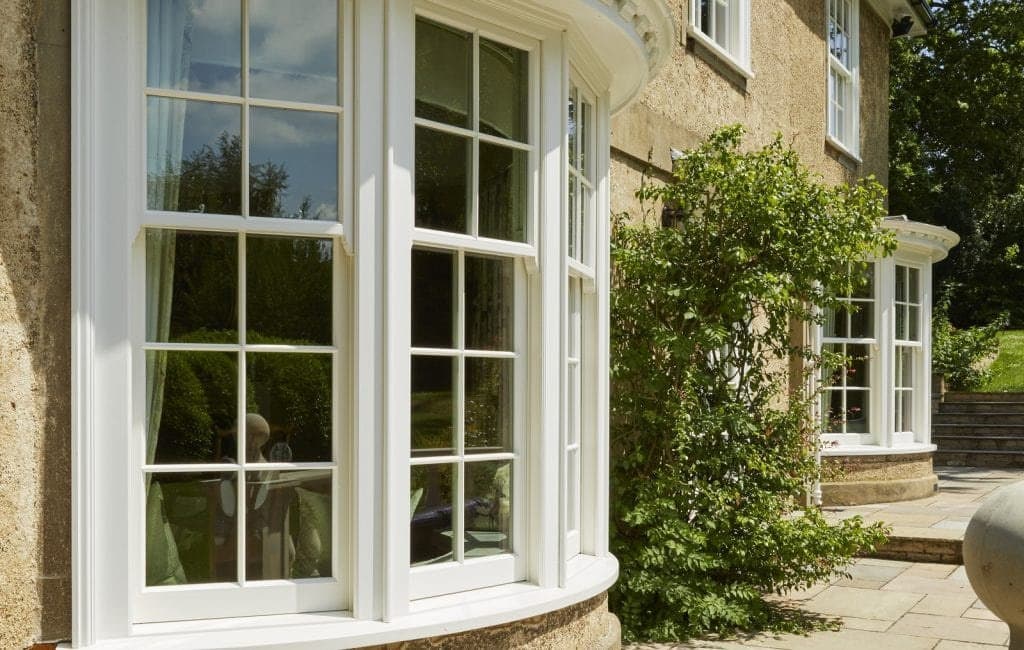
Are Sash Windows More Expensive? A Complete Guide to Sash Window Costs
Sash windows, celebrated for their classic elegance and historical charm, are often associated with period properties, but they've also become popular in modern...
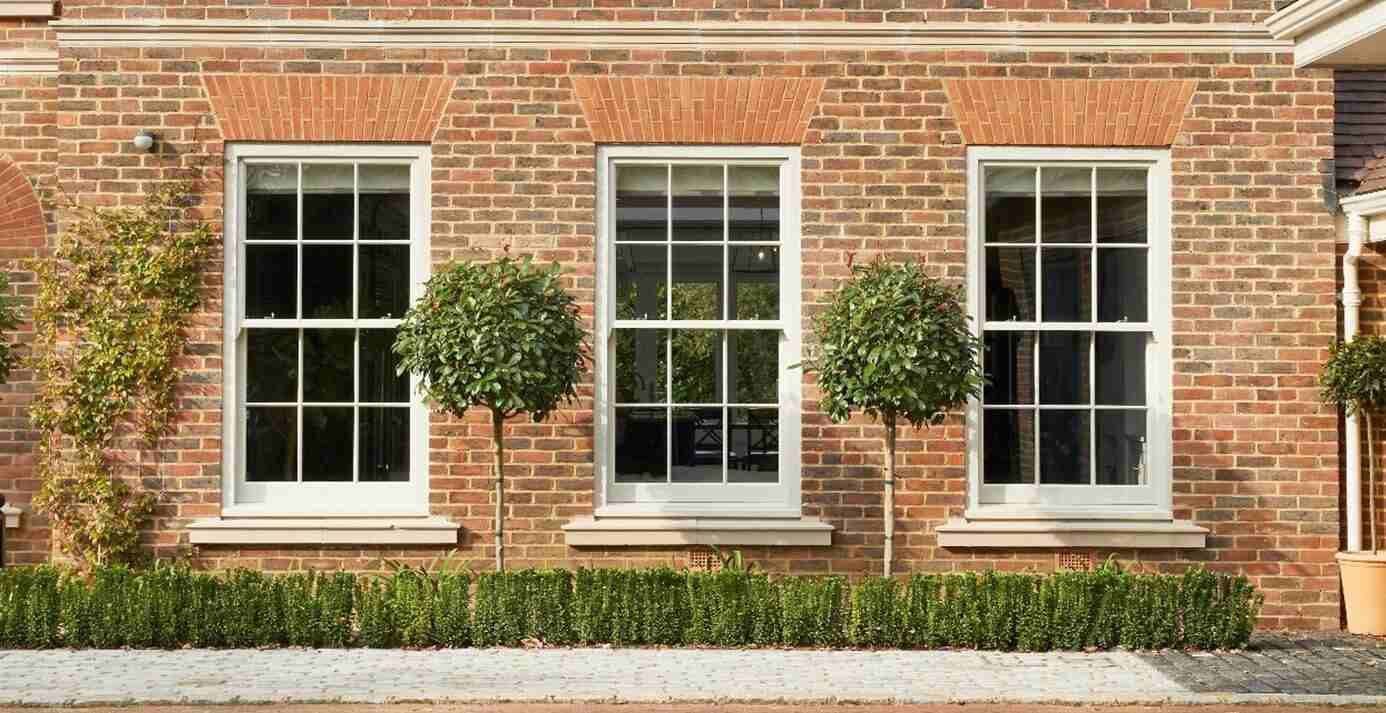
Georgian Style Windows: Patterns, Prices & Materials Guide (2026)
Georgian windowsare a timeless architectural feature that has been used in homes since the Georgian era. Known for their elegant design, these traditional Georg...
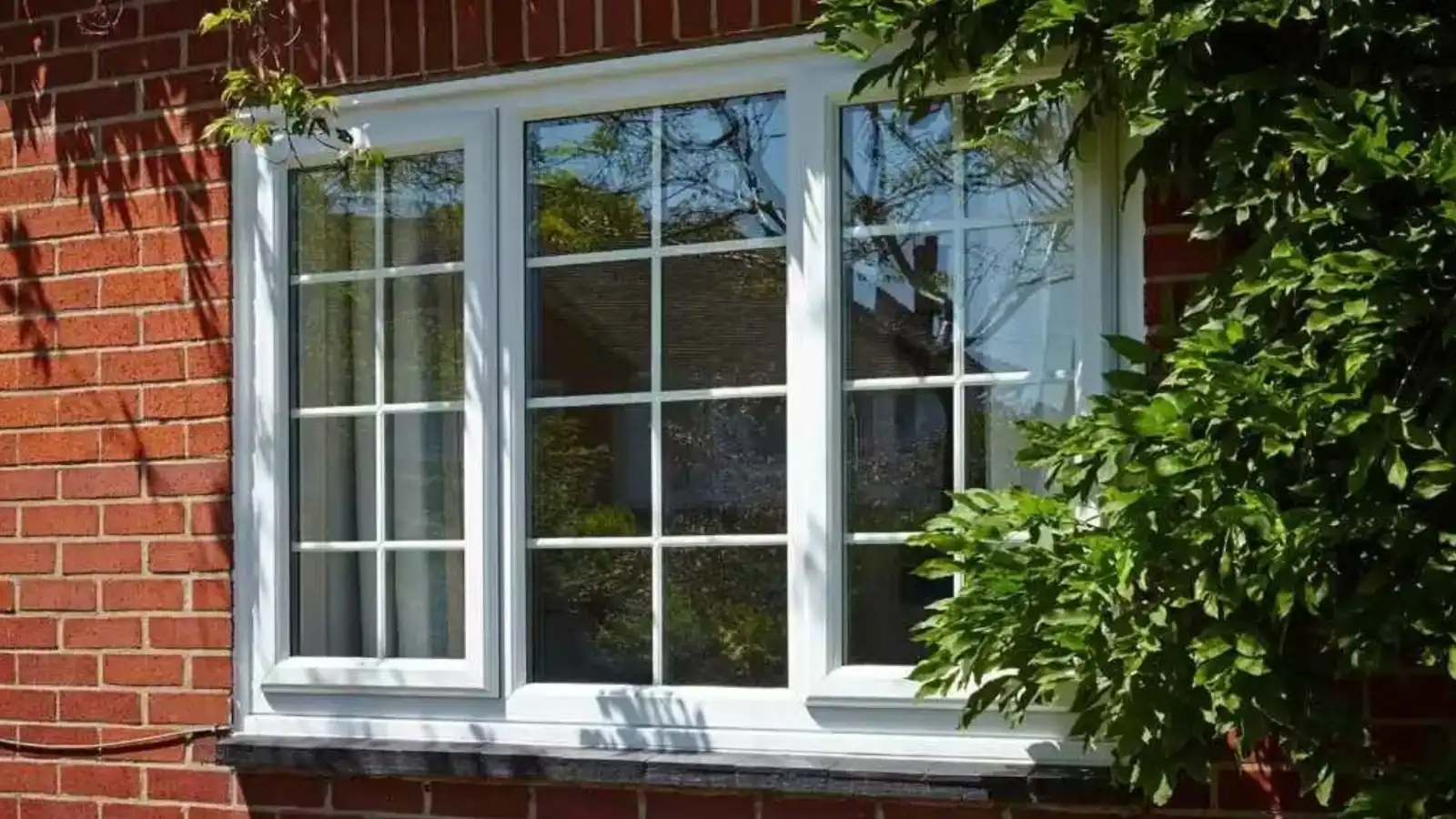
Georgian uPVC Windows: Prices, Colours & Conservation Area Guide
Georgian uPVC windows are a modern adaptation of the traditional Georgian window design, combining the architectural significance and aesthetic appeal of window...