.svg)


Georgian Style Windows: Patterns, Prices & Materials Guide (2026)
Table of Contents
Quick Answer
Georgian style windows feature a distinctive grid pattern of small panes divided by glazing bars, originating from the Georgian era (1714-1830). Modern Georgian windows replicate this classic aesthetic using either applied bars, astragal bars, or integral spacer bars within double-glazed units. They are available in uPVC, timber, and aluminium, with prices typically starting from £800 per window.
Key Takeaways
- Timber Georgian windows require repainting every 5-8 years and regular checks for putty condition.
- Slim-profile sealed units (12-16mm) fit within traditional frame proportions.
- Georgian style windows typically cost £800-£2,000 per window depending on material and size.
- The bar pattern should be proportional to the window size - smaller windows suit fewer panes.
- Modern Georgian windows can be fully double glazed while maintaining the traditional appearance.
Key Takeaways
- ✅Georgian windowsadd timeless charm to homes.
- 🏡Decorative barsenhance period property aesthetics.
- 💡Energy-efficientwith modern double glazing options.
- 💰Higher costbut boosts property value.
What are Georgian Windows?
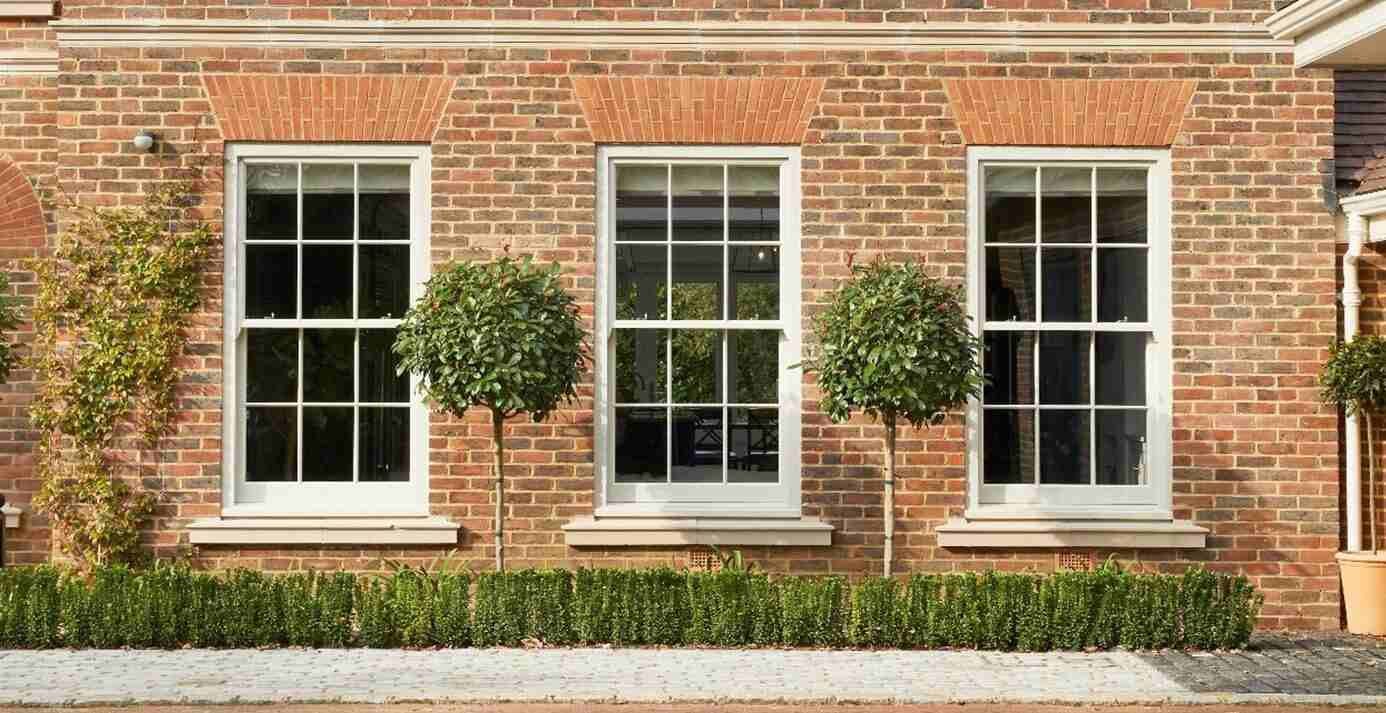
Georgian windowsare a timeless architectural feature that has been used in homes since the Georgian era. Known for their elegant design, these traditional Georgian windows are characterised by their classic grid pattern formed by georgian bars dividing the glass into multiple smaller panes, creating the illusion of individual panes. This style not only enhances the traditional Georgian appearance of a property but also adds to its overall aesthetic appeal by preserving the architectural significance of the era.
Georgian windows are often associated with period properties, making them ideal for homeowners looking to maintain the traditional period features of their homes. They are available in a variety of styles, from sash windows to casement windows, providing versatility for both contemporary and historic homes. For those looking to match traditional styles, Georgian windows are an excellent choice.
How to Identify Georgian Windows
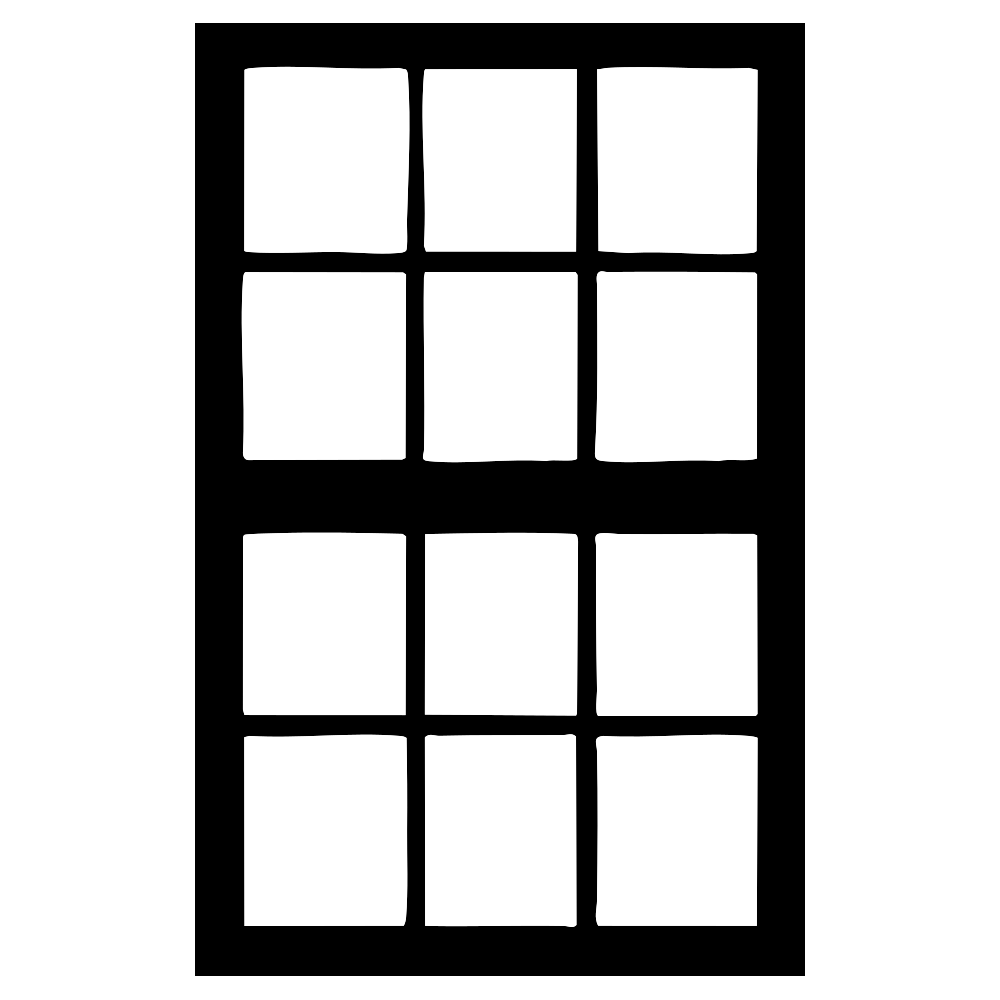
Identifying authentic Georgian windows is straightforward once you know what to look for. The most distinctive feature is a symmetrical grid pattern created by glazing bars, dividing the sash into multiple small panes of equal size. The most common configurations are 6-over-6 (six panes in the upper sash and six in the lower) and 8-over-8 panes, though grander Georgian properties may feature 12-over-12 arrangements. The glazing bars are typically slender and elegant, and the overall window proportions are tall and narrow, reflecting the architectural ideals of the Georgian period.
Georgian windows differ noticeably from Victorian and Edwardian styles. Victorian windows, which followed the Georgian era, tend to feature larger panes of glass in a 2-over-2 or 1-over-1 configuration, as advances in glass manufacturing made larger sheets available. Victorian sash windows also commonly have distinctive horns — small projections at the bottom of the upper sash box — which were structurally necessary to support the heavier glass. These horns are absent on genuine Georgian sash windows.
Edwardian windows, from the early 1900s, are different again. They typically feature wider panes with decorative glazing bars only in the top sash or top light, leaving the lower sash as a single uninterrupted pane of glass. Edwardian designs often incorporate more ornamental flourishes such as coloured glass margins or Art Nouveau-inspired leading in the upper sections, while keeping the lower portion plain for maximum light.
When it comes to common Georgian bar patterns, the 6-over-6 configuration is by far the most prevalent and is considered the hallmark of Georgian domestic architecture across Britain. The 8-over-8 pattern was frequently used on taller windows in townhouses and more formal rooms, while the impressive 12-over-12 configuration was typically reserved for grand properties, country houses, and public buildings where larger window openings were a sign of wealth and status. Understanding these patterns is essential when choosing replacement windows for a Georgian property, as matching the correct glazing bar configuration helps maintain architectural authenticity and can be a requirement in conservation areas.
What Are the Different Types of Georgian Bars?
The hallmark of Georgian windows is the decorative bars that create the illusion of individual panes of glass. These can be achieved through different methods:
- Internal Georgian Bars: Fitted within the glazing unit, these bars provide the appearance of separate panes while maintaining the benefits of double glazing.
- Astragal Bars: Positioned on the exterior, astragal bars give a more authentic look by sitting on top of the glass surface, creating a truly traditional Georgian appearance.
Both types of bars are designed to enhance the look of your windows while maintaining energy efficiency.
How Do You Choose the Right Georgian Window?
Selecting the perfect Georgian style window for your home depends on factors such as your property's architecture, budget, and personal preferences. Energy efficient windows, assessed by the British Fenestration Ratings Council, comply with building regulations and come with product guarantees. Modern georgian bar windows can be customised with features like triple glazing or double glazed windows to enhance energy efficiency.
For homes in conservation areas, it's crucial to opt for georgian windows that comply with local regulations. This ensures you maintain the property's historic charm while enjoying the benefits of modern window glazing.
Georgian Window Styles
Georgian windows come in various styles to suit different architectural needs:
Whether you're looking to maintain the authenticity of a Georgian period home or add a classic touch to a modern property, these styles offer a range of options.
Georgian Window Features and Benefits
Installing georgian style windows in your home offers several benefits:
- Energy Efficiency: Modern georgian windows are designed with double glazing and glazing bars, which enhance insulation and reduce energy bills.
- Enhanced Aesthetics: The addition of external bars and internal georgian bars helps create the appearance of separate panes, adding a classic style to any home.
- Durability: Whether you choose timber windows or aluminium frames, modern georgian bar windows are built to last, requiring minimal maintenance.
Georgian Bar Windows: Installation and Maintenance
When installing georgian bar windows, it's essential to choose the right type of astragal bars and glazing unit to fit your needs. Proper installation ensures that your windows are not only aesthetically pleasing but also energy-efficient.
Maintenance is straightforward for these windows, especially if you opt for double glazed windows with internal bars, as they are easy to clean and maintain. Regular checks on the window frame and glazing unit will help prolong the life of your windows.
Georgian Window Costs and Budgeting
The cost of georgian windows can vary depending on factors like size, material, and custom features. For example:
- uPVC Georgian windows are generally more affordable, while timber windows tend to be on the higher end due to their traditional materials.
- The addition of astragal bars and external bars fitted can increase the cost, especially if you're aiming for an authentic georgian design.
For homeowners looking to budget effectively, it's essential to consider both the upfront costs and long-term benefits, such as improved energy efficiency and increased property value.
Georgian Windows for Conservation Areas
A significant number of Georgian properties across the UK are located within designated conservation areas, which means any window replacement work must respect the character and appearance of the local area. In most conservation areas, replacing windows on a like-for-like basis — matching the original materials, proportions, and glazing bar patterns — can be carried out without requiring planning permission. However, if the replacement windows differ in material or design from the originals, planning approval is typically needed.
Homeowners should also be aware of Article 4 directions, which some local authorities apply to conservation areas to remove permitted development rights. Where an Article 4 direction is in place, even a like-for-like window replacement may require a formal planning application. It is always advisable to check with your local planning authority before commencing any window replacement work on a property in a conservation area, as carrying out unauthorised changes can result in enforcement action and the requirement to reinstate original windows at your own expense.
Fortunately, modern window manufacturers have developed slim profile uPVC and engineered timber systems specifically designed to satisfy conservation officers. Slim profile uPVC frames closely replicate the narrow sightlines of original timber Georgian windows, while engineered timber options such as Accoya or modified softwood offer excellent durability and authentic period aesthetics. Many of these systems accommodate slim double-glazed units with authentic-looking astragal bars, achieving both the thermal performance required by current Building Regulations and the visual authenticity demanded by conservation area policies.
To apply for conservation area consent for window replacement, you will need to submit a planning application to your local authority, typically including detailed drawings of the proposed windows showing materials, dimensions, glazing bar profiles, and colour finishes. Photographs of the existing windows and the wider streetscape are usually required to demonstrate how the replacements will preserve or enhance the area's character. Many homeowners find it helpful to engage a specialist window supplier experienced in conservation projects, as they can provide technical drawings and supporting statements that strengthen the application. Processing times are usually eight weeks for standard applications, and your local conservation officer can offer pre-application advice to improve the likelihood of approval.
Regulations and Compliance
If your property is located in a conservation area, it's crucial to ensure that your new georgian bar windows comply with local building regulations. This includes choosing the right materials, such as timber windows, to preserve the traditional Georgian design.
Manufacturers and Suppliers
Choosing reputable manufacturers and suppliers for your georgian windows ensures that you receive high-quality products that will last for years. Look for suppliers who specialise in georgian bar windows and have experience working with period properties.
Conclusion
Investing in georgian style windows is a fantastic way to enhance the beauty and value of your home. Whether you're restoring a historic property or adding a touch of elegance to a modern build, georgian windows offer the perfect balance of aesthetics, durability, and energy efficiency. With options like astragal bars, triple glazing, and traditional timber windows, there's a solution to fit every homeowner's needs.
For more information on the best windows for your property, explore our extensive range of georgian windows and discover how they can transform your home.
FAQs about Georgian Style Windows
What are Georgian style windows?
Georgian style windows are characterised by decorative bars that divide the glass into smaller panes, creating a classic grid-like appearance. These windows are designed to replicate the traditional look found in homes built during the Georgian era. They are popular for adding a timeless aesthetic to both period and modern properties.
What is the difference between Victorian and Georgian windows?
Victorian windows often feature larger panes of glass with fewer divisions, focusing on maximising natural light. In contrast, Georgian windows have multiple smaller panes created by georgian bars, giving them a more intricate and traditional look suitable for period properties.
How to make windows look Georgian?
To make windows look Georgian, use astragal bars or internal Georgian bars to mimic the traditional grid pattern. Opt for timber windows or uPVC options that replicate the classic appearance of original Georgian designs. Ensure the window frame has a slim profile to enhance authenticity.
Are Georgian bar windows more expensive?
Yes, georgian bar windows tend to be more expensive than standard windows due to the additional decorative bars and craftsmanship involved. However, they offer enhanced aesthetic appeal and can increase your property's value.
Can you remove Georgian bars from double glazing?
Yes, Georgian bars can be removed from double glazed windows, especially if they are fitted internally. However, removing them from external bars might require professional assistance and could affect the window's energy efficiency.
What are the most expensive style of window?
Timber sash windows with authentic astragal bars are generally the most expensive due to the materials, craftsmanship, and installation complexity required to maintain a traditional period look.
What is the least expensive style of window?
uPVC casement windows are often the least expensive option due to their low manufacturing costs and minimal maintenance requirements, making them a budget-friendly choice for home improvements.
How can I make my windows look more expensive?
To make windows look more luxurious, consider adding georgian bars or astragal bars for a classic look, choose high-quality materials like timber, and upgrade to double glazing for better insulation and energy efficiency.
What style of window is most energy efficient?
Casement windows are typically the most energy efficient due to their airtight seal when closed. Double glazed windows with internal bars can also enhance energy efficiency by reducing heat loss.
Frequently Asked Questions
Georgian style windows feature a distinctive grid pattern of small panes divided by glazing bars, originating from the Georgian era (1714-1830). The most recognisable pattern is the 6-over-6 configuration with twelve individual panes. Modern Georgian windows replicate this aesthetic using applied bars, astragal bars, or integral spacer bars within double-glazed sealed units.
Georgian style windows typically cost £800-£2,000 per window depending on material and size. uPVC Georgian windows start from around £800, while timber versions range from £1,200-£2,500. Hardwood Georgian windows can cost £2,000-£3,500. Installation adds approximately £150-£300 per window.
Yes, modern uPVC Georgian windows closely replicate the traditional aesthetic using applied or integral glazing bars. They offer lower maintenance and better energy efficiency than timber at a lower price point. However, for conservation areas, timber or slim-profile uPVC may be required to meet planning requirements.
Georgian windows are often the required style in conservation areas protecting Georgian-era properties. However, the material and glazing bar type must typically match the original specification. Many conservation officers require timber frames with traditional putty-line glazing bars rather than applied bars on sealed units.
Georgian windows have a multi-pane grid pattern (typically 6-over-6 or 8-over-8 panes) with thin glazing bars. Victorian windows evolved to larger panes with fewer divisions (commonly 2-over-2 or 1-over-1) as glass manufacturing improved. Victorian sash windows also feature distinctive horns at the meeting rail junction.
The most common Georgian bar pattern is 6-over-6 (six panes in each sash). For wider windows, 8-over-8 is appropriate, while grander properties may suit 12-over-12. The bar pattern should be proportional to the window size - smaller windows suit fewer panes. For replacement windows, matching the original pattern is recommended.
Timber Georgian windows require repainting every 5-8 years and regular checks for putty condition. The glazing bars are the most vulnerable element as they're exposed to weather on all sides. uPVC Georgian windows need only occasional cleaning. All Georgian windows benefit from regular cleaning of the multiple small panes.
Yes, modern Georgian windows can be fully double glazed while maintaining the traditional appearance. Slim-profile sealed units (12-16mm) fit within traditional frame proportions. For the most authentic look, individual panes can be genuinely divided with glazing bars between separate sealed units, though this is more expensive than applied bars.
Related Posts
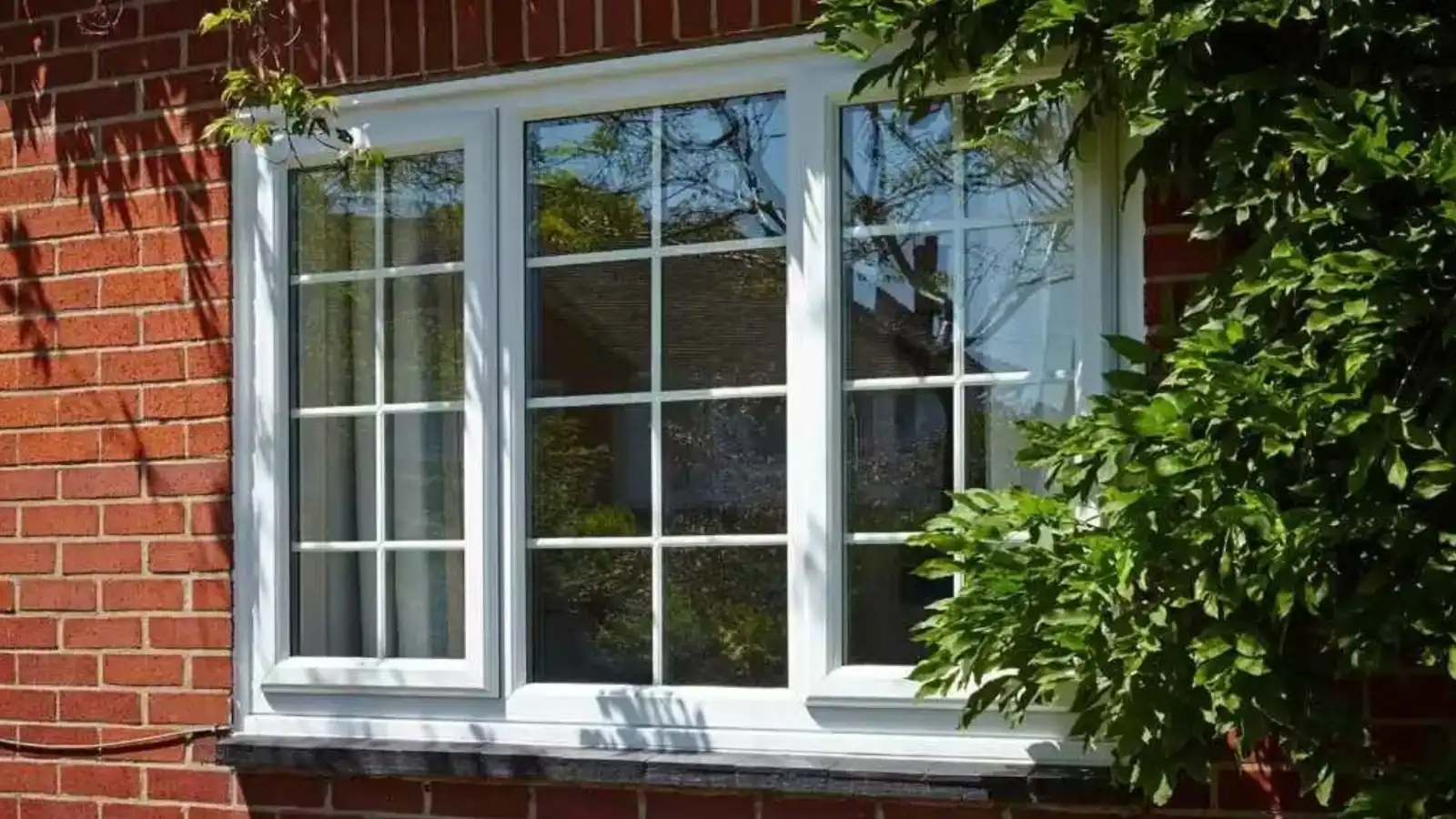
Georgian uPVC Windows: Prices, Colours & Conservation Area Guide
Georgian uPVC windows are a modern adaptation of the traditional Georgian window design, combining the architectural significance and aesthetic appeal of window...
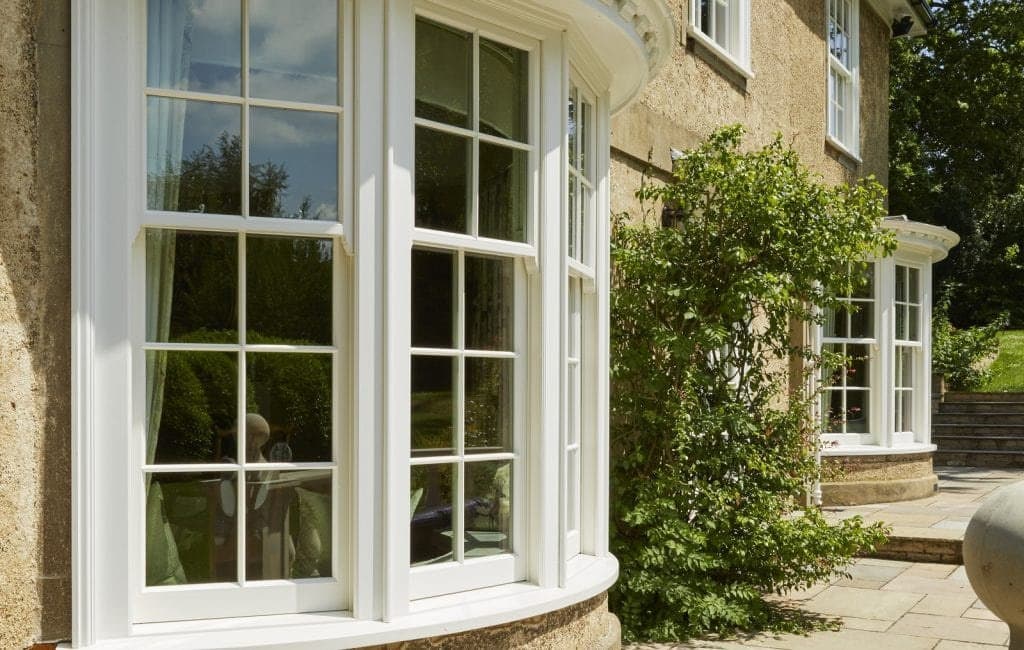
Are Sash Windows More Expensive? A Complete Guide to Sash Window Costs
Sash windows, celebrated for their classic elegance and historical charm, are often associated with period properties, but they've also become popular in modern...
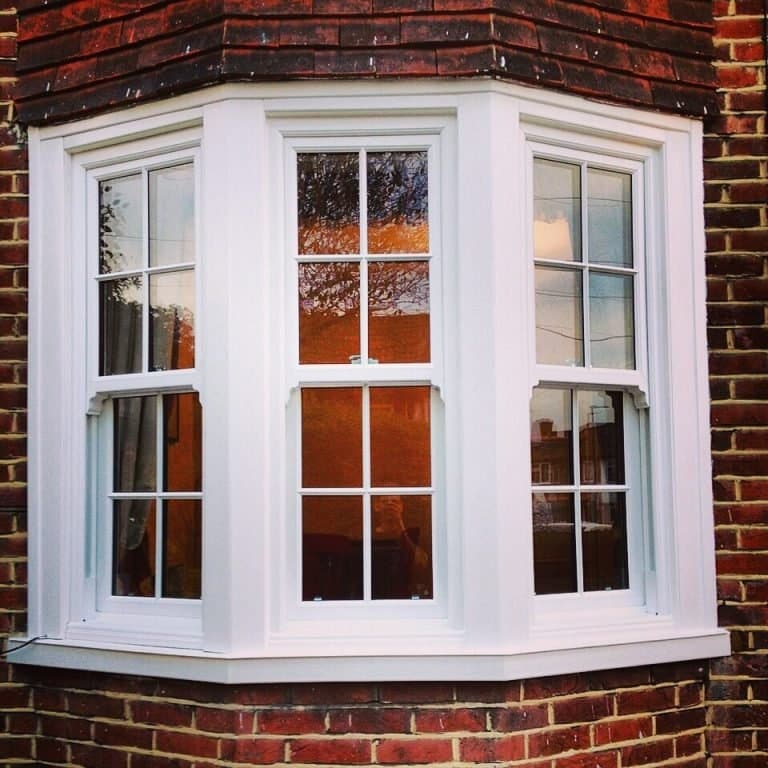
Eco Slide Sash Windows: Sustainable Style with Modern Efficiency
These windows maintain the traditional elegance of sash windows but are engineered with modern materials and insulation technologies to provide exceptional ener...