.svg)


Georgian Style Windows: Timeless Elegance for Your Home
Table of Contents
Quick Answer
Georgian-style windows feature a symmetrical grid of small panes divided by thin glazing bars, reflecting 18th-century architectural proportions. Modern versions use astragal bars or internal spacer bars within double-glazed units to replicate the traditional six-over-six or eight-over-eight pattern. Available in uPVC from 500, timber from 800, and aluminium from 900 per window.
Key Takeaways
- Timber Georgian sash windows with authentic astragal bars typically cost £1,000 to £2,500 per window.
- Modern uPVC technology can convincingly replicate the Georgian look with applied or integral glazing bars, woodgrain finishes, and authentic detailing.
- Available in contemporary colours such as anthracite grey or black, and in materials like aluminium for slim profiles.
- If your property is in a conservation area or is a listed building.
- It is essential to check with your local council before ordering replacement windows to ensure compliance.
Georgian style windowsare a popular choice for homeowners who want to add a touch of classic elegance and symmetry to their properties. These windows, known for their distinctive grid pattern and timeless appeal, have been used in architecture since the early 18th century.
Today, they are still sought after for both traditional and modern homes, offering a refined look that never goes out of style.
If you’re considering upgrading your home withGeorgian style windows, it’s essential to understand the different styles, materials, and features that define these windows. In this guide, we’ll explore the history and characteristics ofGeorgian windows, the best materials to use, and how to incorporate this classic look into your home.
What Are Georgian Style Windows?
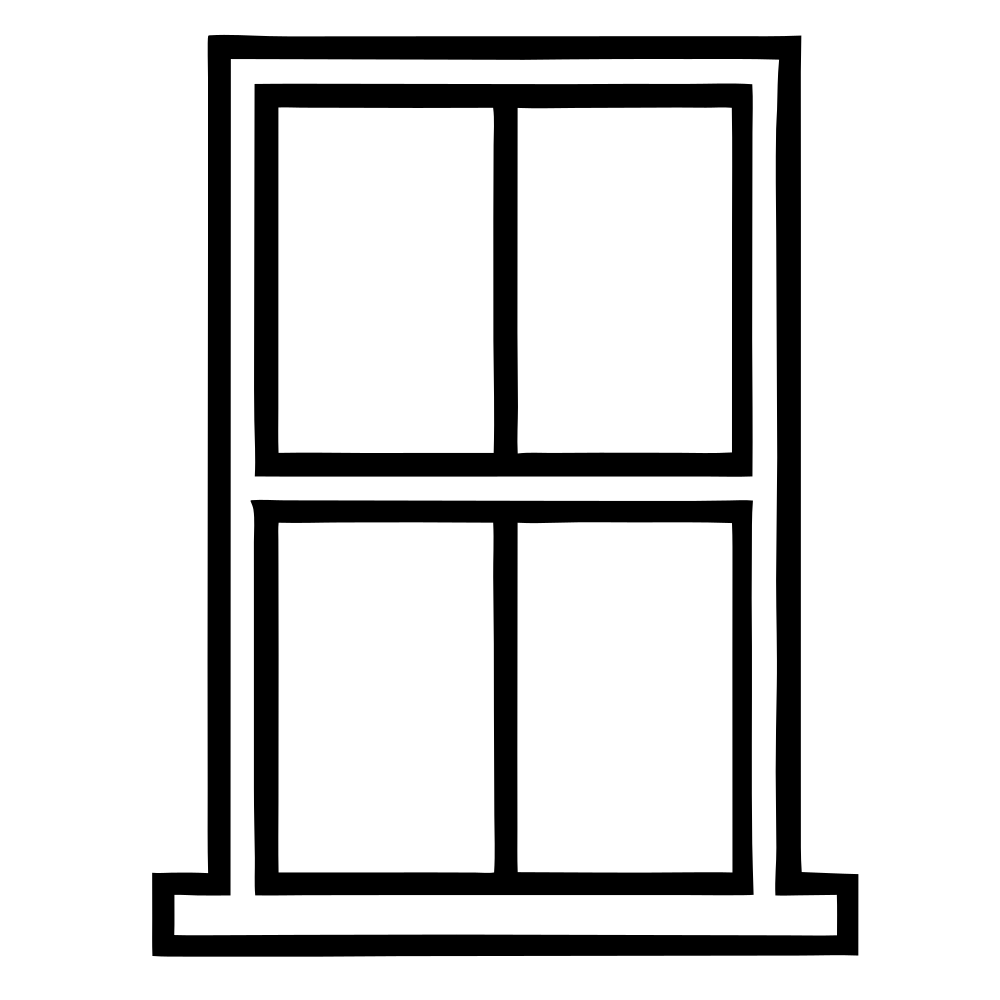
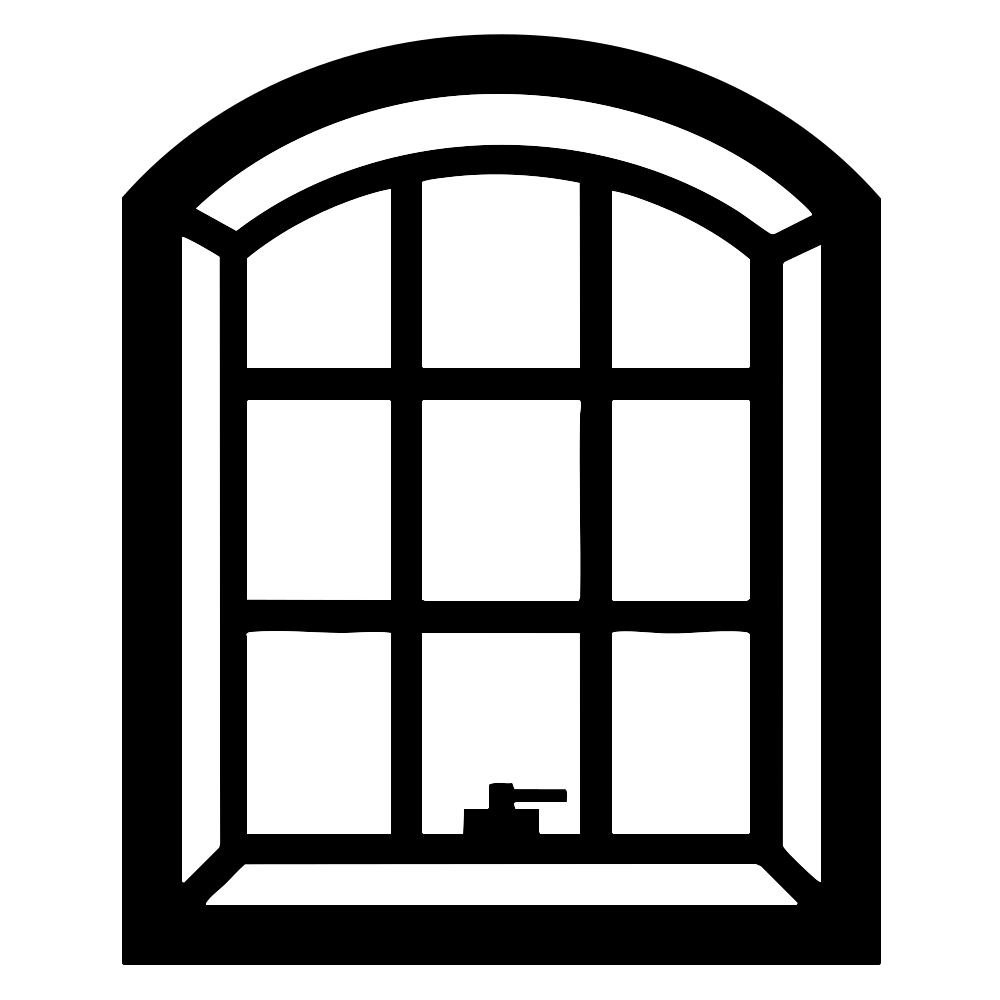
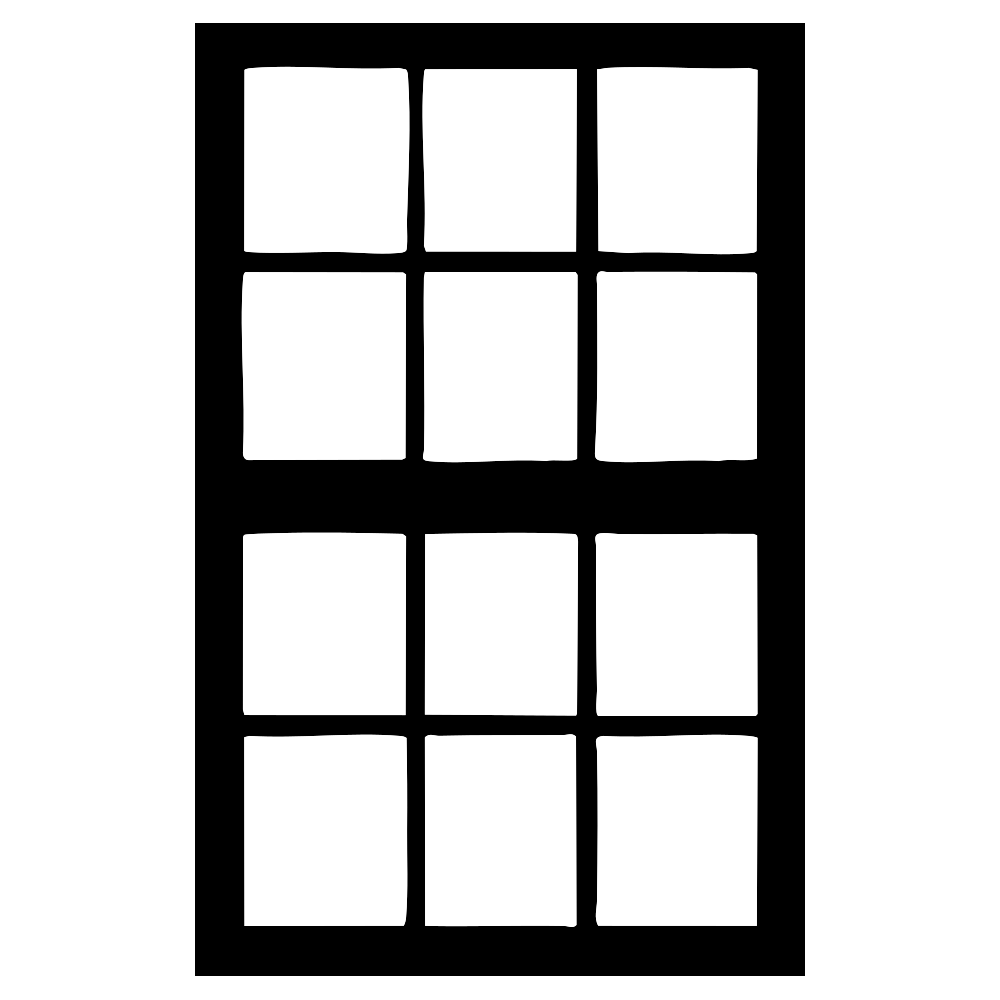
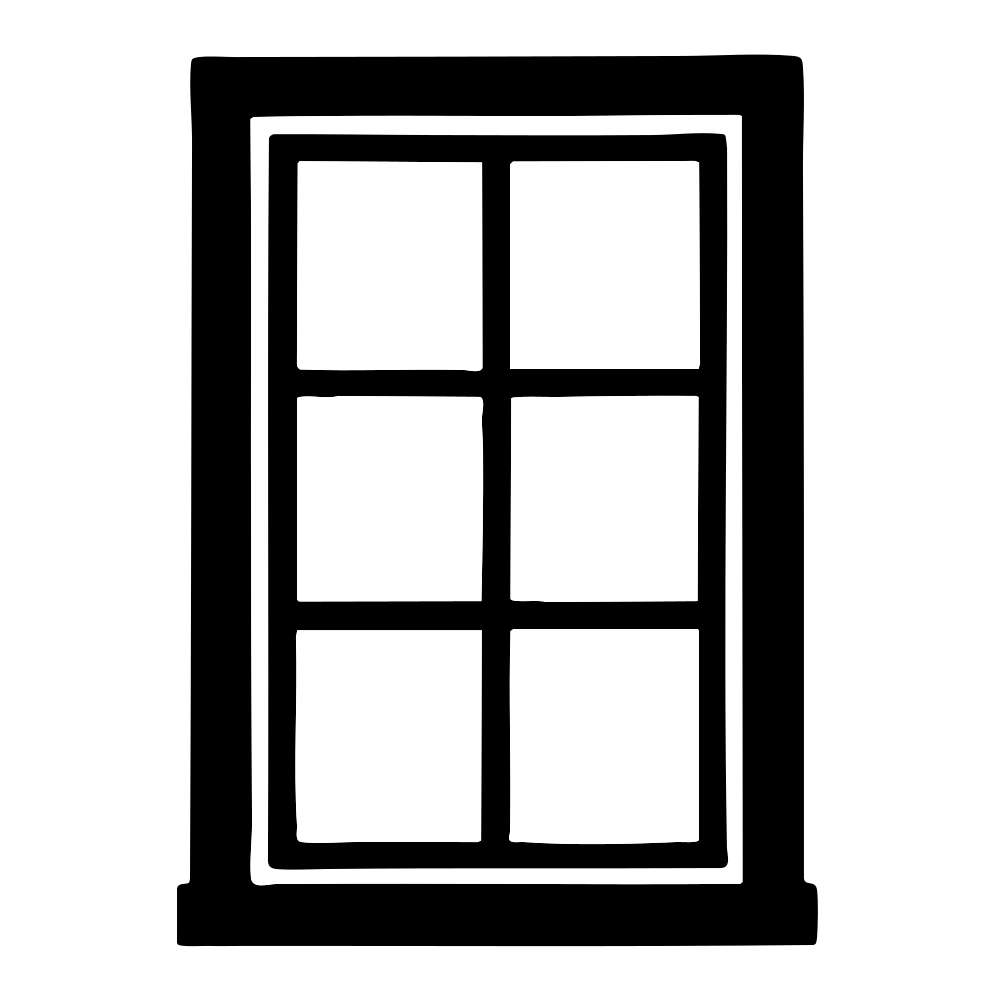
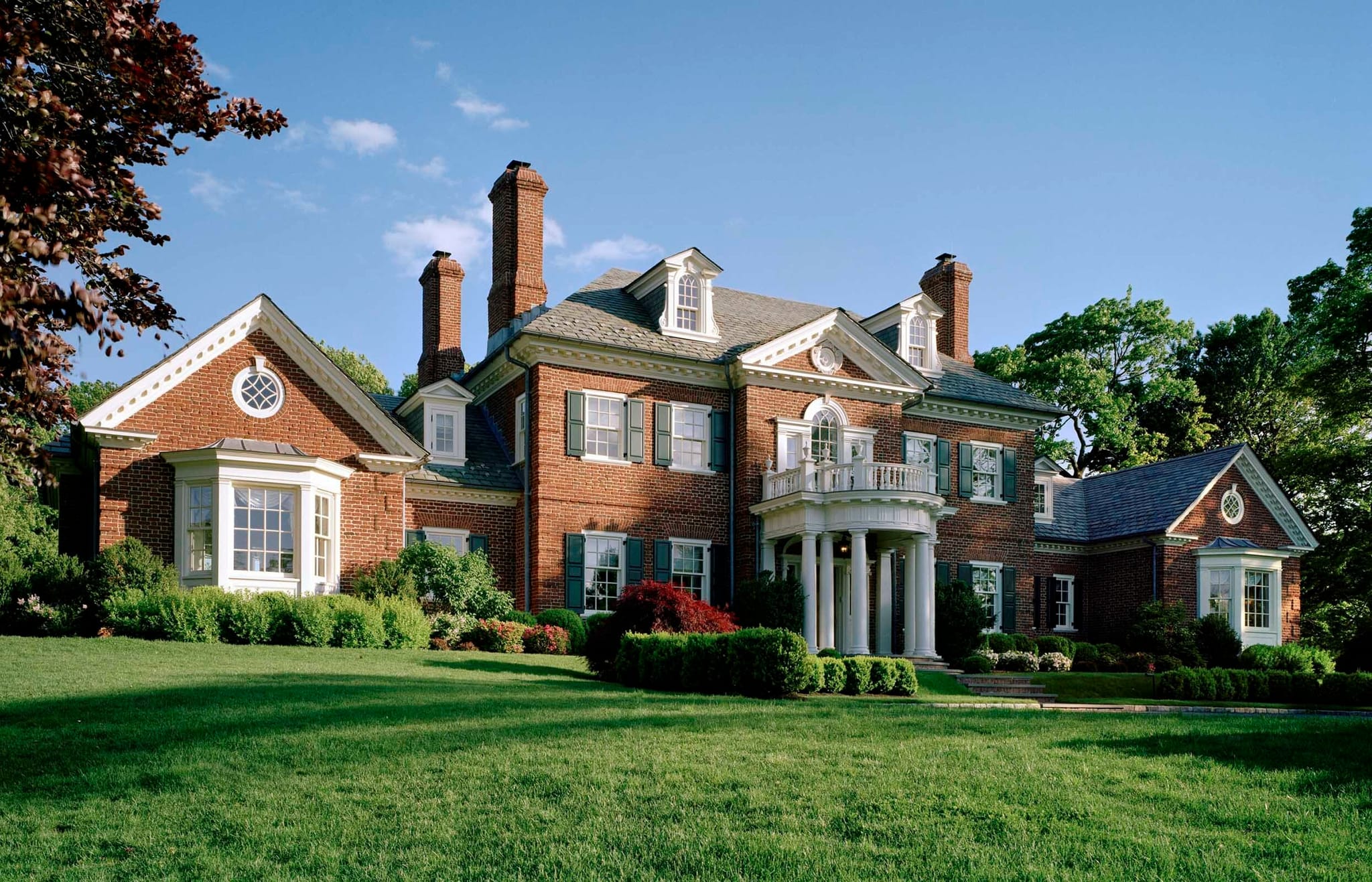
Georgian style windowsare characterised by their symmetrical design, typically featuring multiple small panes of glass separated by glazing bars. This design was prominent during the Georgian era (1714-1830), where architectural emphasis was placed on balance and proportion. The small glass panes were initially used due to the limitations of glass-making technology at the time, but the look has remained a staple in period properties and is often replicated in modern homes for its aesthetic appeal.
Key Characteristics of Georgian Style Windows:
What Are the Different Types of Georgian Style Windows?
When it comes to choosingGeorgian windowsfor your home, there are several variations to consider, each offering its own unique appeal:
1. Georgian Sash Windows
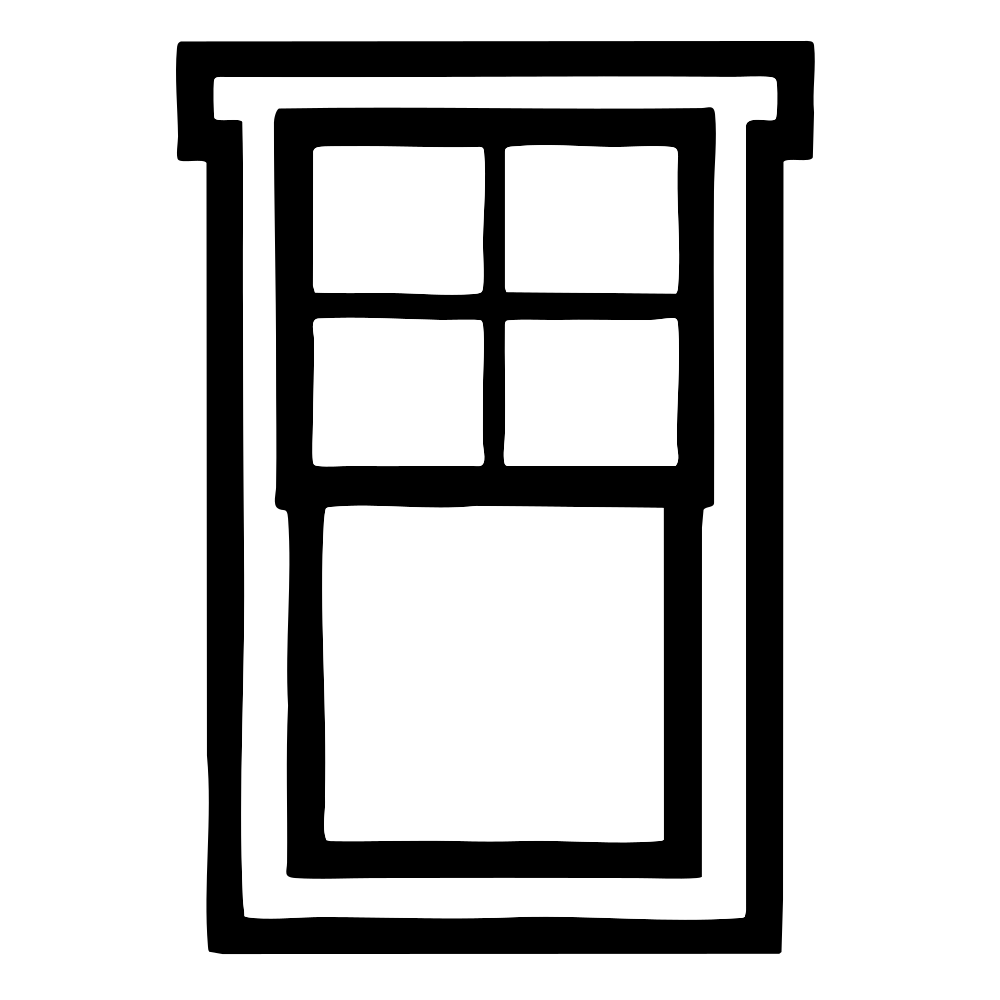
Georgian sash windowsare the most iconic style, featuring two sashes that slide vertically. This design allows for improved ventilation and a classic appearance that suits both period and new-build properties.
- Best For: Period homes, traditional properties, and cottages.
- Material Options: Timber, uPVC, and composite.
- Customisation: Choose from single, double, or triple glazing and various grid patterns.
2. Georgian Casement Windows
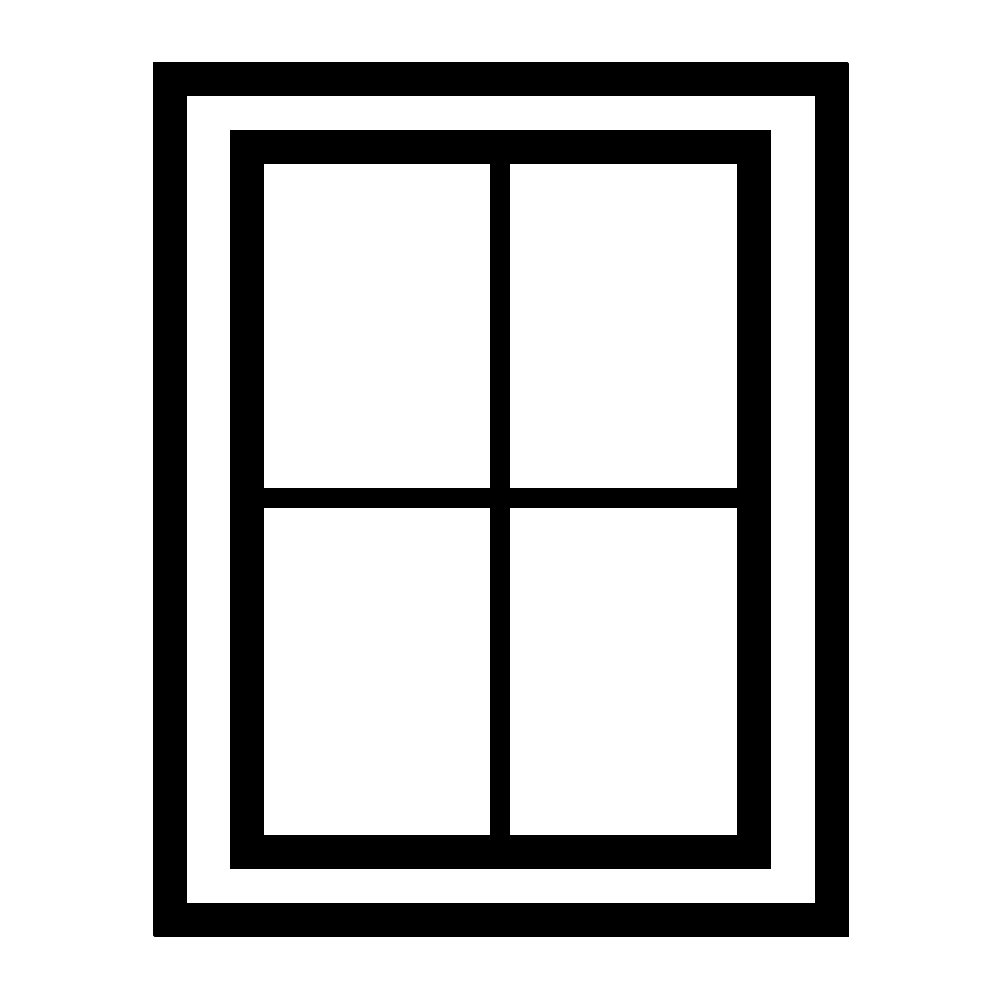
Georgian casement windowsare side-hinged and open outward, similar to a door. This style is ideal for homes where ventilation is a priority, as it allows for full opening.
- Best For: Modern homes seeking a traditional look, kitchens, and living rooms.
- Material Options: uPVC, aluminium, and timber.
- Customisation: Add glazing bars, decorative sash horns, or stained glass for a bespoke look.
3. Georgian Bay and Bow Windows
Bay and bow windows extend outward from the home, creating a spacious feel inside and adding architectural interest to the exterior. Georgian bay windows typically feature multiple panels, each with its own grid pattern, to maintain symmetry.
- Best For: Adding character to large living spaces or master bedrooms.
- Material Options: Timber, uPVC, or aluminium.
- Customisation: Combine with sash or casement styles for a unique appearance.
Modern Georgian Windows: Combining Classic Style with Modern Performance
WhileGeorgian style windowsare known for their historical charm, today’s homeowners can enjoy the classic look with all the benefits of modern technology.Modern Georgian windowsare designed to offer improved energy efficiency, security, and durability without sacrificing the aesthetics that make them so appealing.
Key Features of Modern Georgian Windows:
How Do You Choose the Right Material for Georgian Style Windows?
The material you choose for yourGeorgian style windowswill affect both their appearance and performance. Here’s a look at the most popular options:
1. Timber Georgian Windows
Georgian wooden windowsare the traditional choice and offer an authentic appearance that’s perfect for period properties. High-quality timber frames can be crafted to match the exact design of original Georgian windows, preserving your home’s historic charm.
- Benefits: Natural look, excellent insulation, and highly customisable.
- Drawbacks: Requires regular maintenance to prevent rot and deterioration.
2. uPVC Georgian Windows
For homeowners who want the look of timber without the upkeep,uPVC Georgian windowsare a great alternative. Modern uPVC frames are durable, energy-efficient, and available in a variety of colours and woodgrain finishes.
- Benefits: Low maintenance, affordable, and long-lasting.
- Drawbacks: Limited customisation compared to timber.
3. Composite Georgian Windows
Composite windows combine the best features of timber and uPVC, offering the beauty of real wood with the durability and low maintenance of modern materials. This hybrid option is ideal for those seeking both performance and style.
- Benefits: Long-lasting, highly energy-efficient, and minimal upkeep.
- Drawbacks: Higher cost compared to uPVC or standard timber frames.
4. Aluminium Georgian Windows
Aluminium is known for its slim, sleek profile and strength, making it a good choice for creating a modern take on the Georgian look. While not a traditional material for Georgian windows, aluminium frames can be used to replicate the classic grid design.
- Benefits: Lightweight, strong, and available in various colours.
- Drawbacks: Less insulation compared to timber or uPVC unless thermally broken.
Customising Georgian Style Windows for Your Home
To create the perfectGeorgian style windowfor your home, consider these customisation options:
1. Glazing Options
Choose double or triple glazing for better energy efficiency. You can also opt for obscure or frosted glass for added privacy without compromising on style.
2. Georgian Bars and Grids
The grid pattern is the defining feature ofGeorgian windows style. You can customise the number and layout of the panes to suit your preferences, from a simple six-over-six pattern to more intricate designs.
3. Colour and Finish
While white is a traditional choice, consider heritage colours like cream, sage green, or French grey to add a touch of sophistication. Woodgrain finishes are also available for a natural look.
4. Sash Horns and Decorative Elements
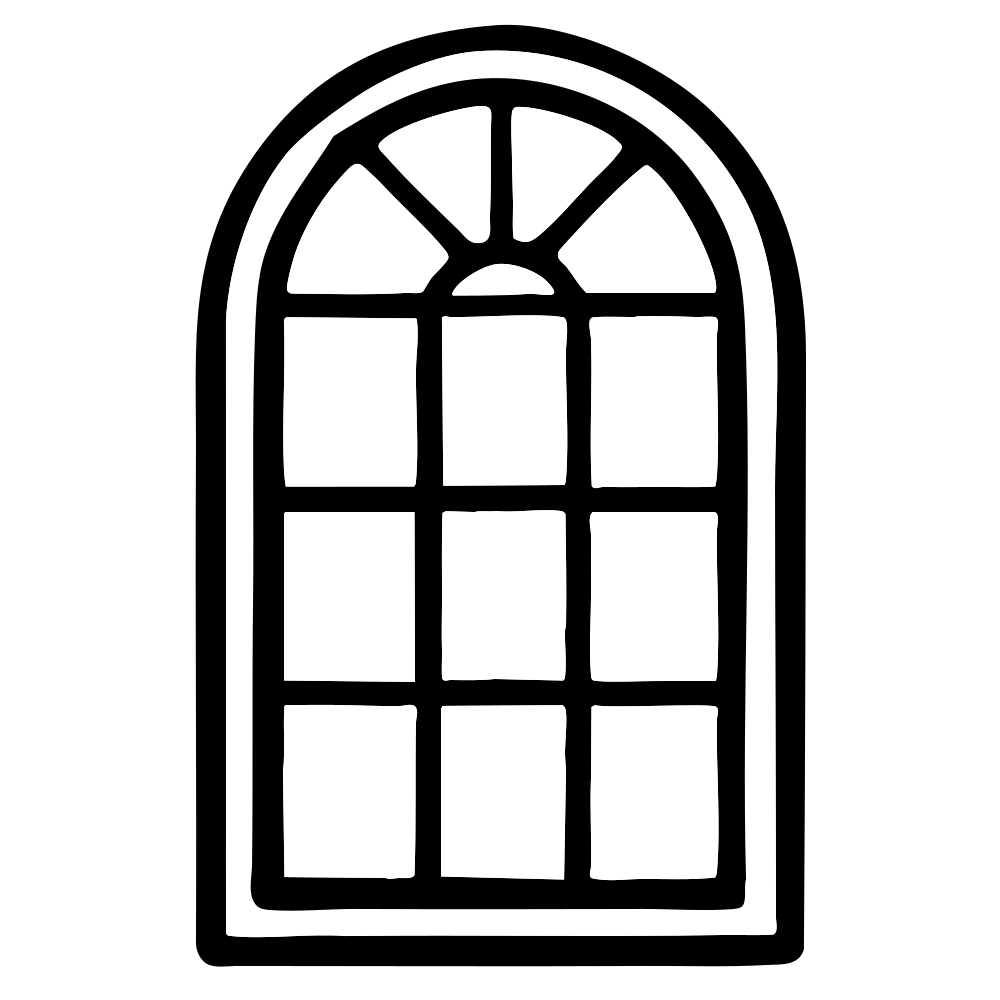
Add decorative sash horns, arched tops, or leaded glass to enhance the period look of your windows.
What Are the Benefits of Choosing Georgian Style Windows?
InstallingGeorgian style windowscan bring numerous benefits to your home:
Upgrade Your Home with Elegant Georgian Style Windows
Whether you’re renovating a period property or adding a touch of classic charm to a new build,Georgian style windowsare the perfect choice for achieving a sophisticated look.
With a variety of styles, materials, and customisation options available, you can create the perfect Georgian window to suit your home’s unique character.
Frequently Asked Questions
Georgian style windows are characterised by their symmetrical grid pattern of multiple small panes separated by slender glazing bars, typically in a six-over-six or eight-over-eight layout. Originating during the Georgian era (1714-1830), these windows were designed with small panes due to the limitations of glass-making technology at the time. Today, the style is widely replicated in both timber and uPVC for its timeless elegance, balanced proportions, and architectural charm.
Georgian style windows in the UK range from approximately £400 to £2,500 per window depending on material, size, and specification. uPVC Georgian windows with applied glazing bars start from around £400 to £900. Timber Georgian sash windows with authentic astragal bars typically cost £1,000 to £2,500 per window. Aluminium and composite options fall between these ranges. Installation usually adds £150 to £350 per window.
Georgian bars and astragal bars both create the multi-pane grid look, but they differ in construction. Astragal bars are separate, slender mouldings bonded to the exterior of a single pane of glass to simulate individual panes. Internal Georgian bars sit between the two panes of a double-glazed unit. True Georgian bars use individual panes of glass separated by solid timber or uPVC bars. Astragal bars are more common in modern replacements as they allow easier cleaning.
Yes, uPVC Georgian windows are widely available and offer an affordable, low-maintenance alternative to traditional timber. Modern uPVC technology can convincingly replicate the Georgian look with applied or integral glazing bars, woodgrain finishes, and authentic detailing. uPVC Georgian windows provide excellent thermal insulation, require no painting, and are resistant to rot and weathering, making them a practical choice for homeowners who want period aesthetics without the upkeep.
Absolutely. Georgian style windows complement a wide range of architectural styles, not just period properties. Their symmetrical, proportioned design adds elegance and kerb appeal to modern new-builds, extensions, and renovated properties. Available in contemporary colours such as anthracite grey or black, and in materials like aluminium for slim profiles, Georgian windows can be adapted to suit both traditional and contemporary home designs across the UK.
If your property is in a conservation area or is a listed building, you will usually need planning permission or listed building consent to replace windows. The local planning authority may require Georgian-style replacements to match the original design in terms of material, glazing bar pattern, and proportions. Some authorities insist on timber rather than uPVC. It is essential to check with your local council before ordering replacement windows to ensure compliance.
Historically, Georgian windows were most commonly painted white, off-white, or cream to complement the elegant, symmetrical facades of Georgian architecture. Darker colours such as black, dark green, and navy blue were also used, particularly on grander townhouses and public buildings. Today, heritage colour ranges from window manufacturers offer authentic Georgian shades including sage green, French grey, and stone, allowing homeowners to achieve a historically accurate appearance.
Related Posts
Eco Slide Sash Windows: Sustainable Style with Modern Efficiency
These windows maintain the traditional elegance of sash windows but are engineered with modern materials and insulation technologies to provide exceptional ener...
Georgian Style Windows: Patterns, Prices & Materials Guide (2026)
Georgian windowsare a timeless architectural feature that has been used in homes since the Georgian era. Known for their elegant design, these traditional Georg...
Georgian uPVC Windows: Prices, Colours & Conservation Area Guide
Georgian uPVC windows are a modern adaptation of the traditional Georgian window design, combining the architectural significance and aesthetic appeal of window...