.svg)

Is uPVC Strong? Durability Tests, Lifespan Data & Steel Reinforcement Explained
Table of Contents
Quick Answer
Yes, uPVC is exceptionally strong. Modern uPVC window frames reinforced with galvanised steel can withstand impacts of up to 150 joules and wind loads exceeding 2kPa. They resist warping, rotting, and corrosion, making them one of the most durable window materials available in the UK market.
Key Takeaways
- Quality uPVC windows typically last 20-30 years with minimal maintenance.
- The material performs reliably across a temperature range of -20°C to +65°C.
- UPVC windows can withstand everyday wear, impacts, and harsh weather conditions while maintaining their shape and functionality for 20-30 years.
- Their resistance to rot, rust, and fading means they require very little maintenance and can remain strong and functional for.
- The material is UV-stabilised to prevent degradation from sunlight, and modern uPVC windows retain their strength and appearance throughout their.
When it comes to choosing windows for your home, strength and durability are key factors. uPVC (unplasticized polyvinyl chloride) windows have gained popularity for being low-maintenance and energy-efficient, but just how strong are they compared to other materials like timber or aluminium?
In this guide, we'll explore thestrength, durability, and benefits of uPVC windows, and why they might be the ideal choice for your home if you're looking for a robust, long-lasting solution.
1. What Are uPVC Windows?
uPVC (unplasticized polyvinyl chloride)is a rigid and durable plastic material commonly used for window frames. Unlike traditional PVC, uPVC doesn't contain additional plasticizers, which means it retains its toughness and rigidity over time. uPVC windows are designed to resist weathering, corrosion, and general wear, making them an ideal choice for homes in various climates.
For more on the benefits of uPVC, read our article onthe advantages of uPVC windows.
2. How Strong Are uPVC Windows?
a. High Impact Resistance
uPVC is inherently strong and has a high level of impact resistance. ModernuPVC windowsare manufactured to withstand impacts from environmental factors like wind, rain, and even minor physical shocks. This makes uPVC windows a durable option that can handle everyday wear and tear.
b. Weather-Resistant Material
uPVC is highly resistant to weather conditions. Unlike wood, which can rot or warp over time, or aluminium, which may corrode without proper maintenance, uPVC stands up to extreme temperatures, moisture, and UV exposure without losing its strength or shape.
c. Reinforced uPVC Frames
ManyuPVC windowscome withsteel reinforcementsinside the frames, which provide additional structural stability. These reinforcements allow uPVC windows to maintain their form and support larger glass panes, making them suitable for larger window installations.
3. Benefits of uPVC Windows' Strength
a. Improved Security
Thanks to their robust frames,uPVC windowsoffer an added layer of security. With advanced multi-point locking systems, reinforced frames, and durable glazing, uPVC windows are highly resistant to forced entry, providing peace of mind for homeowners.
For more on security features, check out our article onsecure windows for your home.
b. Longevity and Low Maintenance
uPVC windows are built to last. Their resistance to rot, rust, and fading means they require very little maintenance and can remain strong and functional for 20-30 years or more with basic upkeep. Occasional cleaning with soap and water is typically all that's needed to keep them in top condition.
c. Energy Efficiency
The strength ofuPVC framescontributes to betterinsulation, helping to reduce heat transfer. When paired withdouble or triple glazing, uPVC windows help retain indoor temperatures, leading to reduced energy costs.
If energy efficiency is a top priority, explore our guide toenergy-saving windows.
uPVC Strength Specifications: The Numbers
Understanding how strong uPVC really is requires looking at the measurable performance data. Modern uPVC window profiles are manufactured and tested to rigorous British and European standards, and the numbers speak for themselves.
Impact resistance is one of the most important measures of window frame strength. Steel-reinforced uPVC profiles can withstand impacts of up to 150 joules when tested to the BS EN 12608 standard. To put that in perspective, 150 joules is roughly equivalent to dropping a 15kg weight from a height of one metre directly onto the frame. This level of impact resistance ensures that uPVC windows can handle accidental knocks, wind-blown debris, and attempted forced entry without cracking or deforming.
Wind load resistance is another critical specification, particularly for homes in exposed or coastal locations across the UK. Quality uPVC window systems are rated to withstand wind loads exceeding 2kPa (kiloPascals), which corresponds to wind speeds of approximately 130 mph. This makes them suitable for installation in even the most wind-exposed areas of Britain, from Scottish Highlands properties to coastal homes in Cornwall.
UV resistance is built into modern uPVC through the addition of titanium dioxide stabilisers during manufacturing. These additives ensure the material maintains its structural integrity and colour for over 20 years of continuous sun exposure, preventing the yellowing and brittleness that affected earlier generations of plastic windows.
Temperature tolerance is another area where uPVC excels. The material performs reliably across a temperature range of -20°C to +65°C, covering every weather extreme the UK climate can produce. Unlike timber, which can swell and stick in humidity, or contract and develop gaps in cold weather, uPVC maintains dimensional stability throughout seasonal temperature fluctuations.
Fire safety is an important but often overlooked specification. uPVC achieves a Class 1 flame spread rating under BS 476 testing, meaning it is slow to ignite and does not readily support combustion. The material is self-extinguishing, so it stops burning once the heat source is removed. This gives uPVC a notable safety advantage over timber frames, which are combustible.
When comparing these specifications across materials, uPVC, timber, and aluminium each have distinct strength profiles. Aluminium offers the highest tensile strength at approximately 270 MPa compared to uPVC's 50-55 MPa, which allows for slimmer sightlines. However, once steel reinforcement is added to uPVC profiles, the overall frame rigidity becomes comparable for standard residential window sizes. Timber frames, while strong in compression, are vulnerable to moisture damage that progressively weakens the material over time. uPVC strikes the best balance of strength, durability, and low maintenance cost for the majority of UK homeowners.
4. uPVC vs Other Window Materials: How Does uPVC Compare?
When it comes to strength,uPVC windowshold their own against other popular window materials like timber and aluminium. Here's how they stack up:
For more about the differences between uPVC and timber, see our article onuPVC vs timber windows.
5. When Should You Choose uPVC Windows?
If you're seeking windows that offer a combination ofstrength, low maintenance, and energy efficiency, uPVC is an excellent choice. Here are some scenarios where uPVC windows may be the ideal solution:
- For Busy Homeowners: With minimal maintenance requirements, uPVC is perfect for those who want durable windows without the hassle of regular upkeep.
- For Harsh Weather Climates: uPVC stands up to rain, wind, and UV exposure, making it ideal for homes in regions with variable or extreme weather.
- For Security-Conscious Homeowners: uPVC windows with reinforced frames and multi-point locks provide a high level of security.
Ready to see how much uPVC windows would cost for your home? Try our free window price calculator to get an instant estimate based on your requirements.
Conclusion
So,is uPVC strong enoughfor your home? Absolutely. With its impact resistance, low-maintenance nature, and reinforced frame options, uPVC offers a robust and durable window solution for modern homes. Whether you live in a bustling city or a quiet suburb,uPVC windowsprovide the strength, security, and longevity needed to protect and insulate your home effectively.
If you're considering an upgrade, check out our range of uPVC windowshereand explore how these strong, sustainable windows can enhance your living space.
Frequently Asked Questions
Yes, uPVC is a highly durable and strong material for windows. Modern uPVC frames are reinforced with galvanised steel or aluminium inserts, providing excellent structural integrity. uPVC windows can withstand everyday wear, impacts, and harsh weather conditions while maintaining their shape and functionality for 20-30 years.
While aluminium is inherently stronger than uPVC, modern reinforced uPVC windows offer comparable strength for residential use. Aluminium has better strength-to-weight ratio allowing slimmer frames, but uPVC with steel reinforcement provides sufficient strength for most home applications at a lower cost.
Quality uPVC windows typically last 20-30 years with minimal maintenance. They don't rot, rust, or require painting. The material is UV-stabilised to prevent degradation from sunlight, and modern uPVC windows retain their strength and appearance throughout their lifespan.
Yes, uPVC windows are designed to withstand extreme UK weather conditions including heavy rain, strong winds, and temperature fluctuations. The material is waterproof, doesn't corrode, and expands/contracts minimally with temperature changes. Reinforced frames provide additional structural stability during storms.
Modern uPVC windows are highly secure when fitted with multi-point locking systems. The reinforced frames resist forced entry attempts, and many uPVC windows are available with enhanced security features meeting PAS 24:2016 standards. They're comparable in security to timber and aluminium alternatives.
uPVC is not stronger than aluminium in pure tensile strength, but with steel reinforcement, uPVC frames achieve comparable structural performance for residential windows. Aluminium has a higher strength-to-weight ratio, but uPVC offers better thermal insulation.
Quality uPVC windows typically last 20-35 years with minimal maintenance. The material is resistant to weathering, UV degradation, and doesn't rot, rust, or need repainting. Many manufacturers offer 10-20 year guarantees.
Modern uPVC windows with multi-point locking systems and internally beaded glazing are very secure. They meet BS 7950 and PAS 24 security standards. The reinforced frames resist forced entry, and the locking mechanisms engage at multiple points around the frame.
Related Posts
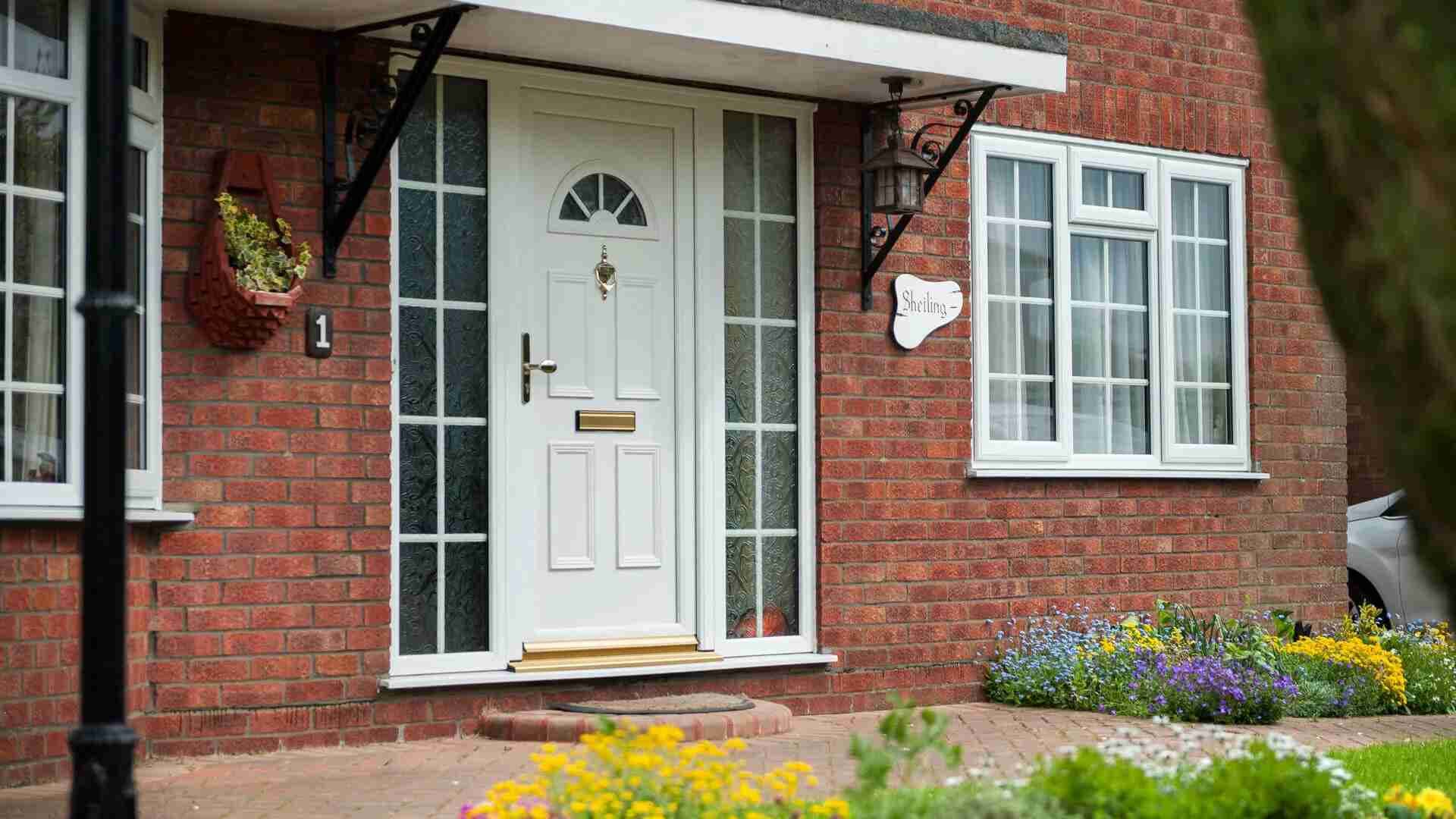
uPVC Doors (Everything you need to know)
In this guide, we’ll explore the key features, styles, and benefits of uPVC doors to help you decide if they’re the right fit for your home.
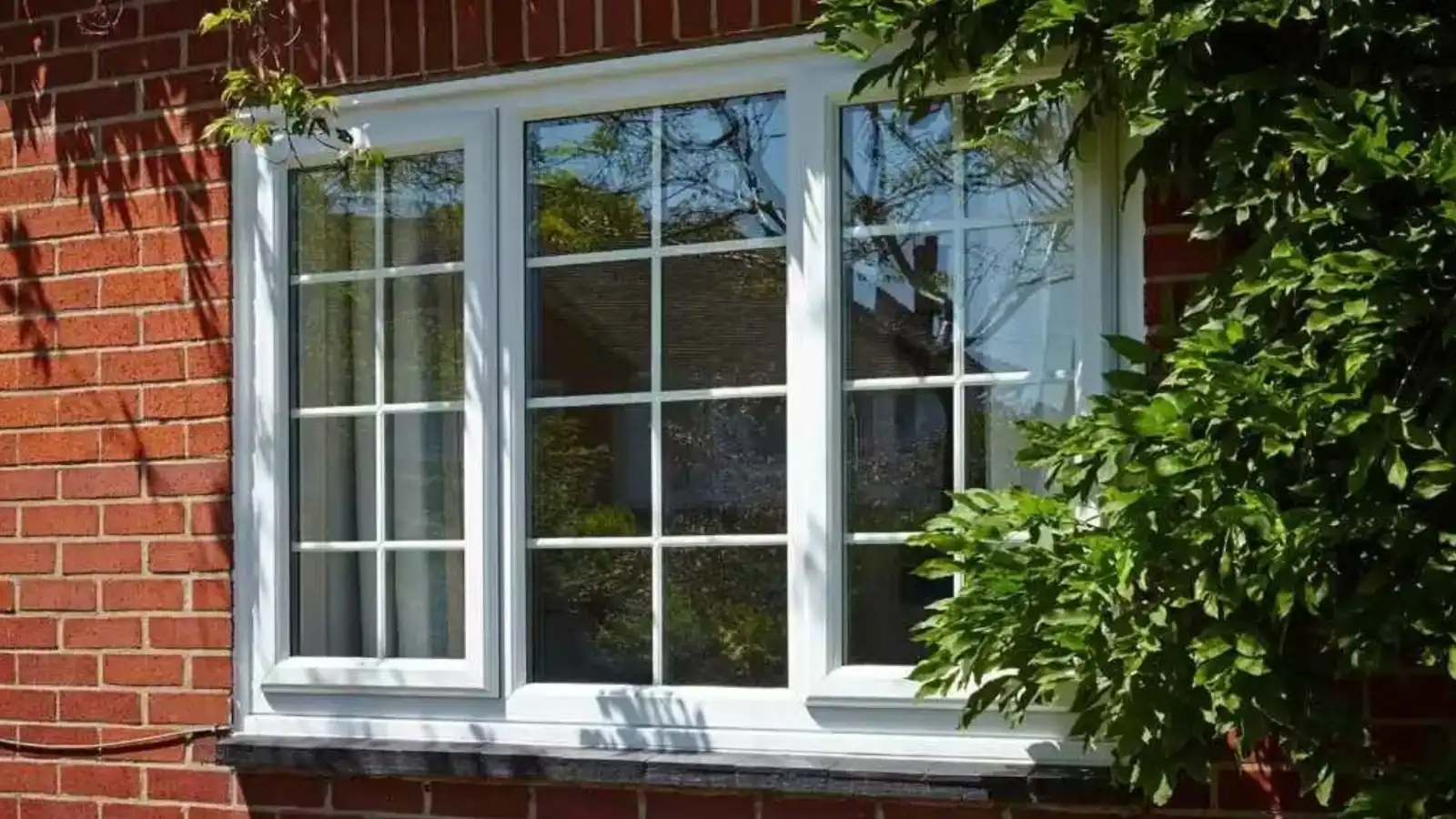
Georgian uPVC Windows: Prices, Colours & Conservation Area Guide
Georgian uPVC windows are a modern adaptation of the traditional Georgian window design, combining the architectural significance and aesthetic appeal of window...
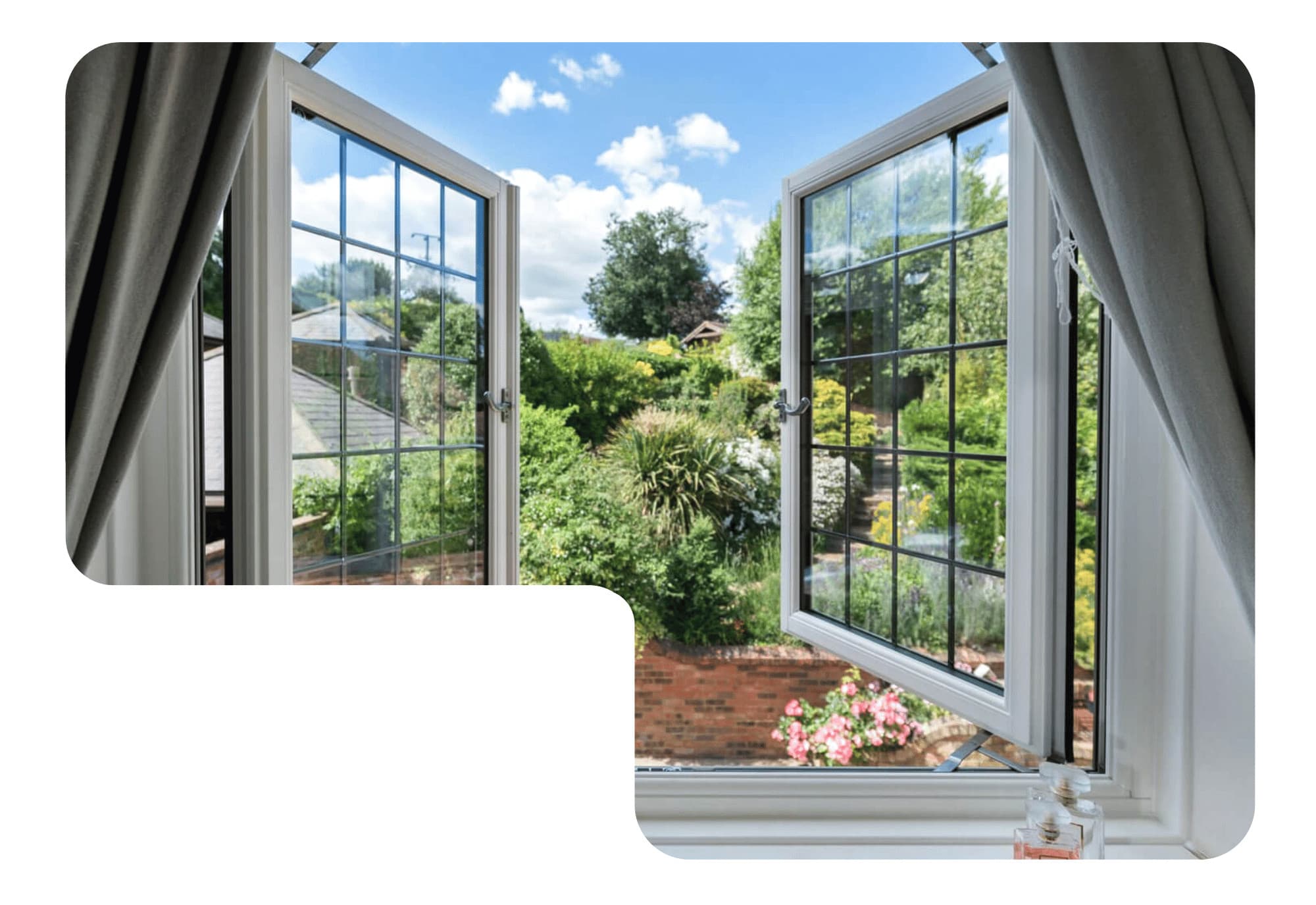
The Benefits of uPVC Modern Windows: A Smart Upgrade for Your Home
Gone are the days when uPVC was considered a basic, unattractive option.