.svg)


Large House Windows (The Best Choices 2024)
Table of Contents
Quick Answer
Large house windows, including picture windows, floor-to-ceiling glazing, and panoramic windows, maximise natural light and views. Standard large casement windows (1800mm x 1200mm) cost 600 to 1,500 in uPVC and 1,200 to 3,000 in aluminium. For structural openings wider than 2.4m, a steel or concrete lintel is required. Consider solar control glass to prevent overheating and ensure compliance with Building Regulations for ventilation and escape.
Key Takeaways
- Modern manufacturing techniques allow for sealed units up to approximately 3 metres in height and 1.5 metres in width.
- Argon or krypton gas-filled cavities further improve insulation.
- Adding floor-to-ceiling windows or creating new window openings always requires Building Regulations approval to ensure structural integrity and thermal compliance.
- Floor-to-ceiling windows can be energy efficient when correctly specified.
- To maximise efficiency, choose south-facing orientations to benefit from solar gain, specify the highest-performing glazing available.
Large house windows are the ultimate way to elevate your home's style, maximise natural light, and create a sense of space and openness.
Whether you’re designing a contemporary new build or renovating an existing property, incorporating large windows can dramatically change the look and feel of your home.
In this guide, we’ll explore the different styles oflarge house windows, their benefits, and tips on how to choose the best options for your home. We’ll also cover important considerations like energy efficiency, privacy, and maintenance to ensure you make the right choice for your property.
1. What Are Large House Windows?
Large house windows are any window style that spans a significant portion of the wall, creating expansive views and allowing for an abundance of natural light. They come in a variety of shapes and designs, fromfull-height windowstowide panoramic styles.
Common Types of Large Windows:
- Floor-to-Ceiling Windows
- Bay and Bow Windows
- Fixed Picture Windows
- Sliding Windows
- Corner Windows
- French Windows and Doors
Each of these styles can be customised to fit the architecture of your home, enhancing both the exterior and interior aesthetics.
2. Why Choose Large House Windows?
Large windows are a statement feature that offers more than just great views. Here are some of the main benefits:
a. Maximises Natural Light
Large windows allow more natural light to flood into your home, creating a brighter and more welcoming atmosphere. This can also help reduce the need for artificial lighting during the day, lowering your energy bills.
b. Expansive Views
Whether you live in the countryside or an urban setting, large windows frame the outside landscape, bringing the beauty of your surroundings into your living space.
c. Creates a Sense of Space
Large windows make rooms feel more spacious and open. This is particularly beneficial for smaller rooms or properties where you want to create a greater sense of connection to the outdoors.
d. Enhances Property Value
The addition of large windows can significantly boost your home’s value by adding a modern, luxurious touch that appeals to potential buyers.
e. Versatile Design Options
From minimalist modern frames to classic wood finishes, large windows can be tailored to suit any design style.
3. Popular Styles of Large House Windows
Choosing the right style of large windows is essential for achieving the look and functionality you desire. Here’s a breakdown of the most popular options:
a. Floor-to-Ceiling Windows
Floor-to-ceiling windows are perfect for creating a dramatic effect and maximising natural light. They are often used in living rooms, dining areas, and open-plan spaces to create a seamless connection between indoors and outdoors.
- Best For: Living rooms, dining rooms, and master bedrooms.
- Features: Expansive glass panes, unobstructed views, and modern design.
b. Bay and Bow Windows
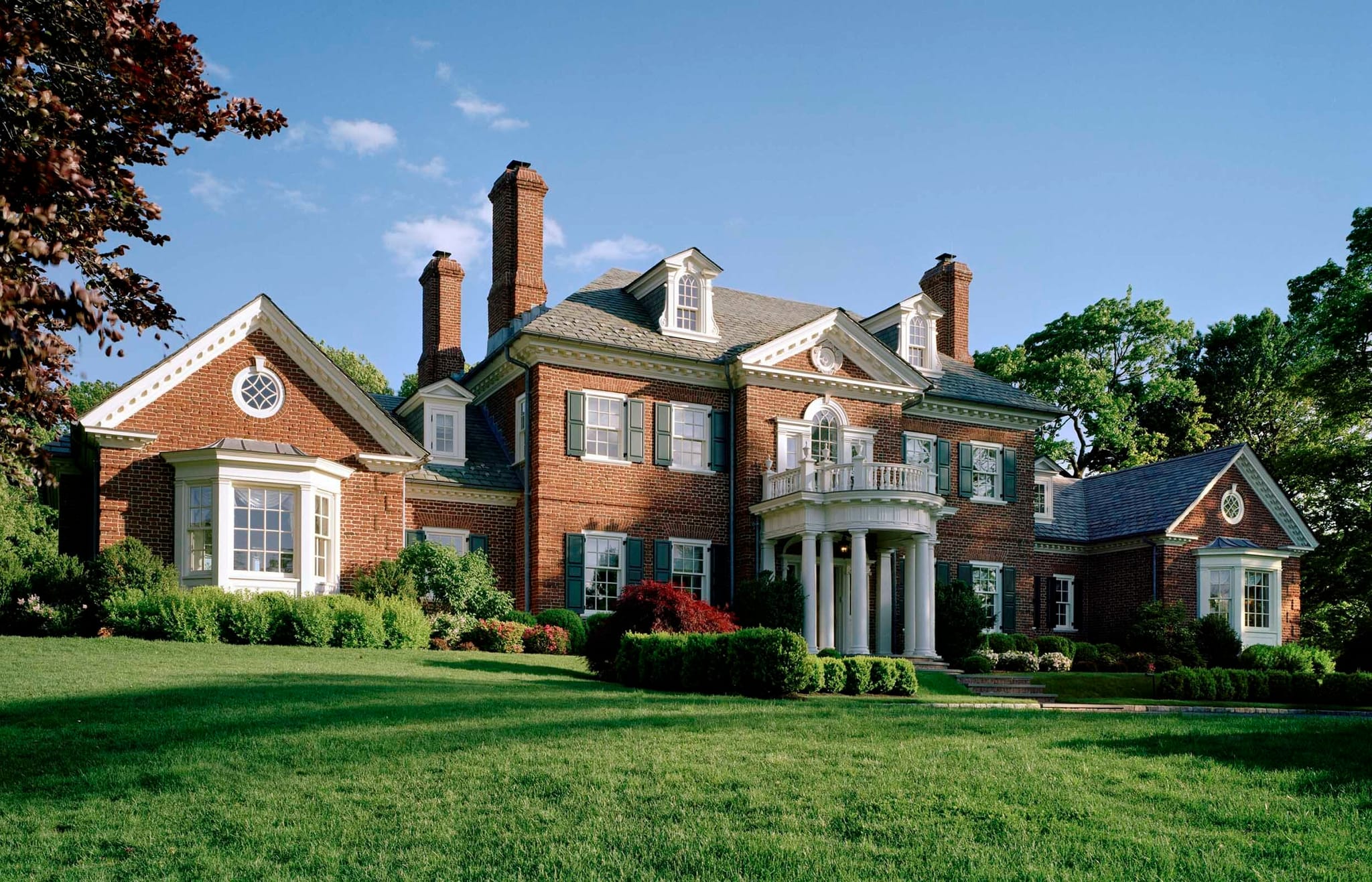
Bay and bow windows extend outward from the main walls, creating additional space and a panoramic view. They typically consist of a combination of fixed and operable windows, making them ideal for both ventilation and aesthetics.
- Best For: Living rooms, kitchens, and bedrooms.
- Features: Adds extra space, improves light flow, and enhances curb appeal.
c. Picture Windows
Picture windows are large, fixed windows that do not open. They are designed to provide expansive views and allow maximum light into the home. Picture windows are perfect for framing scenic landscapes or creating a focal point in any room.
- Best For: Living rooms, hallways, and staircases.
- Features: Unobstructed views, energy-efficient, and low maintenance.
d. Sliding Windows
Sliding windows feature large glass panes that slide horizontally along a track. They are ideal for areas where space is limited, as they do not require additional space to open.
- Best For: Kitchens, balconies, and patios.
- Features: Space-saving design, smooth operation, and modern appearance.
e. Corner Windows
Corner windows wrap around the corner of a room, providing a unique architectural feature and panoramic views. They create a sense of openness and are perfect for modern, minimalist homes.
- Best For: Living rooms, offices, and kitchens.
- Features: Creates a focal point, improves light flow, and offers a sleek, modern look.
4. Key Considerations When Choosing Large House Windows
While large windows offer many benefits, it’s important to consider factors like energy efficiency, privacy, and maintenance before making a decision. Here’s what to keep in mind:
a. Energy Efficiency
Large glass surfaces can lead to significant heat loss in the winter and overheating in the summer if not properly insulated. Opt for double or triple glazing withLow-E coatingsto improve thermal performance.
b. Privacy
With large windows, privacy can become an issue, especially in urban areas. Consider usingtinted glass,frosted finishes, ormotorised blindsto maintain privacy without compromising on style.
c. Security
Large windows need to be equipped withrobust locking mechanismsandtoughened glassto prevent break-ins. Choose windows with advanced security features to protect your home.
d. Frame Material
The frame material will impact the durability, aesthetics, and maintenance of your windows.
Here’s a quick comparison of popular frame materials:
e. Maintenance
Large windows require regular cleaning to maintain their appearance. Consider the accessibility of your windows and choosetilt-and-turn designsif you want easy-to-clean options.
5. Customising Large Windows for Your Home
Large windows can be customised to fit your exact specifications. Here are some ways to personalise your large house windows:
a. Choose the Right Glass Type
- Double Glazing: Provides good insulation and noise reduction.
- Triple Glazing: Offers maximum thermal efficiency and soundproofing.
- Low-E Glass: Reflects heat back into the home, reducing energy costs.
- Tinted Glass: Enhances privacy and reduces glare.
b. Select the Perfect Frame Colour
From classic white to contemporary anthracite grey, the frame colour can significantly impact the look of your large windows. Choose a colour that complements your home’s exterior and interior design.
c. Add Decorative Elements
Consider addingGeorgian bars,leaded patterns, orarched topsto create a bespoke look that reflects your personal style.
d. Opt for Smart Features
Motorised blinds, integrated shades, and remote-controlled openings are just a few ways you can enhance the functionality and convenience of your large windows.
6. How Much Do Large House Windows Cost?
Thecost of large house windowsdepends on the size, material, glazing, and customisation options. Here’s a rough estimate of the average costs for different types of large windows:
- Floor-to-Ceiling Windows: £1,500 - £3,000 per window.
- Bay and Bow Windows: £1,200 - £2,500 per window.
- Picture Windows: £800 - £1,500 per window.
- Sliding Windows: £600 - £1,200 per window.
- Corner Windows: £2,000 - £4,000 per window.
Note: Prices may vary based on supplier, glazing options, and specific project requirements.
Transform Your Home with Large House Windows
Large house windows are more than just a functional feature—they’re a design statement that can elevate your home’s style and comfort.
Whether you want to create a bright, open space or frame beautiful outdoor views, choosing the right large windows will make all the difference.
Frequently Asked Questions
Large window costs in the UK vary significantly by style and specification. Floor-to-ceiling windows typically cost £1,500 to £3,000 per window. Bay and bow windows range from £1,200 to £2,500. Picture windows cost £800 to £1,500, while large sliding windows range from £600 to £1,200. Corner windows are the most expensive at £2,000 to £4,000 per unit. These prices cover supply only; installation adds approximately £200 to £500 per window depending on complexity. Frame material, glazing type, and any bespoke customisation will also affect the final price.
Large windows do not necessarily make a house cold if they are properly specified. Modern large windows with double or triple glazing and Low-E coatings provide excellent thermal insulation. The key is to choose windows with low U-values, ideally below 1.4 W/m2K, which is the UK Building Regulations requirement. Argon or krypton gas-filled cavities further improve insulation. While larger glass areas can theoretically lose more heat than insulated walls, the solar gain from south-facing large windows can actually contribute warmth during the day. Proper installation with well-sealed frames prevents draughts.
In most cases, replacing like-for-like windows or installing new windows that do not significantly alter the appearance of your property does not require planning permission under Permitted Development rights. However, large windows that substantially change the look of your home, face a highway, or are on a listed building or in a conservation area may require planning permission. Adding floor-to-ceiling windows or creating new window openings always requires Building Regulations approval to ensure structural integrity and thermal compliance. Consult your local planning authority before proceeding with major window changes.
Aluminium is generally considered the best frame material for large windows in the UK due to its strength-to-weight ratio, which allows for slimmer profiles and larger panes. Aluminium frames can support heavy triple-glazed units while maintaining a sleek, modern appearance. For traditional properties, timber frames offer a classic look but require larger profiles and regular maintenance. uPVC is the most affordable option but may need reinforcement for very large openings, resulting in thicker frames. Composite frames combining aluminium externally with timber internally offer an excellent balance of performance and aesthetics.
Several solutions can maintain privacy with large windows in the UK. Tinted or frosted glass provides permanent privacy while still allowing light through. Integral blinds fitted between double-glazed panes offer adjustable privacy with no external cleaning required. Motorised external blinds or shutters provide flexible control and add a contemporary look. Privacy film is an affordable retrofit option that can be removed if needed. Strategic landscaping with hedging or trees creates natural screening. For upper-floor large windows, privacy is typically less of a concern, but ground-floor installations benefit from a combination of these solutions.
Floor-to-ceiling windows can be energy efficient when correctly specified. Modern units with triple glazing, Low-E coatings, and argon gas filling achieve U-values comparable to standard-sized windows. However, because they cover a larger area than a traditional window-and-wall combination, the overall heat loss through that section of the building envelope may be higher than a well-insulated wall. To maximise efficiency, choose south-facing orientations to benefit from solar gain, specify the highest-performing glazing available, and ensure professional installation with proper sealing. The energy rating should be A or above for optimal performance.
Yes, large windows can be both double and triple glazed. Modern manufacturing techniques allow for sealed units up to approximately 3 metres in height and 1.5 metres in width, with some specialist manufacturers offering even larger dimensions. Triple glazing adds weight, so the frame must be designed to support the additional load, which is why aluminium frames are often preferred for large triple-glazed windows. For very large openings, the glass may need to be toughened or laminated for safety compliance under UK Building Regulations. Discuss maximum sizes and weight limitations with your supplier.
Related Posts
10 Benefits of Double Glazing Windows
From energy savings to added security, double glazing offers a variety of benefits that make it a smart investment.
8 Energy-Efficient Window Options to Transform Your Home
Are you looking to enhance your home's energy efficiency while adding a touch of style and elegance? Investing in energy-efficient windows can not only reduce y...

How to Measure Windows for Replacement: UK Step-by-Step Guide (with Diagrams)
Measuring your windows accurately is the first and most crucial step when planning a replacement project.