.svg)


Love Your Historic Home? Upgrade Windows Without Losing Its Charm
Table of Contents
Quick Answer
You can upgrade windows in historic homes without losing character by using slim-profile double glazing that fits existing timber frames, installing secondary glazing behind original windows, or fitting conservation-grade replacement windows that replicate original proportions and detailing. Listed building consent is required for any changes to listed properties, and conservation area approval may be needed. Specialist heritage window companies can achieve U-values of 1.2 to 1.6 W/m2K while maintaining period authenticity.
Key Takeaways
- For properties not in conservation areas, woodgrain-effect uPVC offers a lower-maintenance alternative at reduced cost.
- Slim-profile double glazed units as thin as 12mm allow traditional-looking glazing bars and sash profiles to be maintained.
- These windows are designed specifically for period properties and can satisfy conservation area requirements while providing modern thermal and acoustic.
- Several methods can improve energy efficiency in UK period homes without replacing original windows.
- Repairing any cracked putty, replacing damaged glass, and ensuring windows close tightly are simple maintenance steps that improve efficiency significantly.
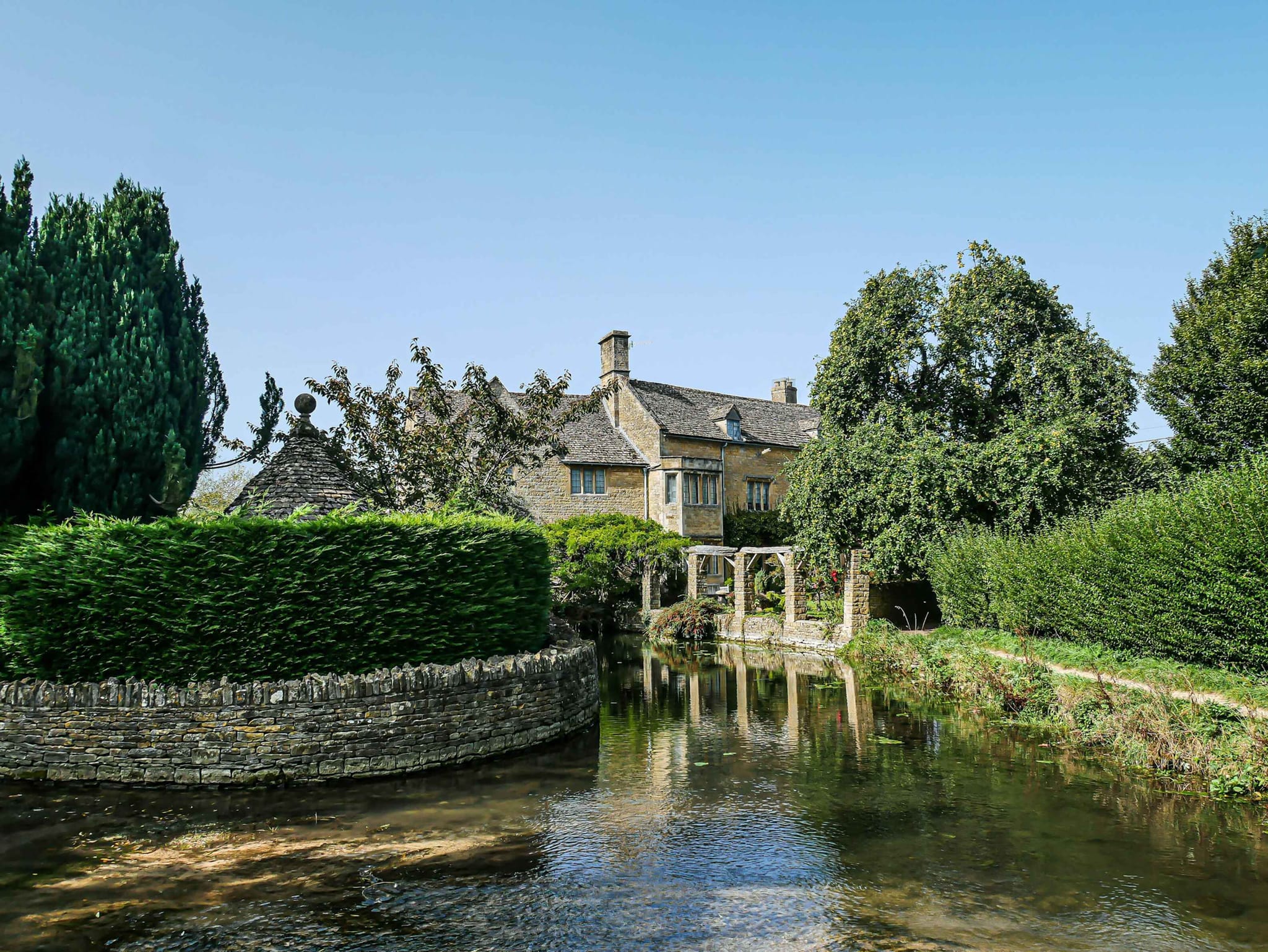
Historic homespossess a unique character and charm thatcan’t be replicatedby modern builds.
From intricate woodwork to classic sash windows, these architectural details define the beauty and appeal of period properties. But while preserving these historic elements is essential, old windows often come with issues like drafts, poor energy efficiency, and lack of security.
So, how do you upgrade the windows in your historic home without compromising its character?
In this article, we’ll explore how you can enjoy the benefits of modern, energy-efficient windows while maintaining the aesthetic appeal of your historic property. We’ll cover the best window styles, materials, and customisation options to help you preserve your home’s beauty while upgrading its performance.
Why Upgrade Windows in Historic Homes?
Older windows, while beautiful, often have several drawbacks that can impact your home’s comfort and energy efficiency. Upgrading your windows can solve these issues without altering your home’s charm. Here are some compelling reasons to consider window replacements for your historic property:
1. Improve Energy Efficiency
Many period homes still havesingle-glazed windows, which do little to prevent heat loss. Moderndouble glazingortriple glazingoptions can significantly improve insulation, reducing drafts and helping you maintain a stable indoor temperature year-round.
2. Increase Security
Old windows, particularly those with single panes and outdated locks, are a security risk. Upgrading tosecure double glazed windowswith advanced locking systems provides better protection against intruders without compromising on aesthetics.
3. Reduce Maintenance
Original timber windows, while beautiful, often require regular maintenance like painting and sealing to prevent rot and damage. New, high-quality timber orwoodgrain effect uPVCoptions can replicate the look of traditional windows with far less upkeep.
4. Protect Against Noise Pollution
Modernacoustic glassoptions can reduce noise pollution significantly, making your historic home more peaceful and comfortable, especially if it’s located in a busy area.
How Do You Choose the Right Window Style for Your Historic Home?
One of the biggest challenges when upgrading windows in a historic home is choosing a style that blends seamlessly with the original architecture. Here are the top window styles that preserve period charm while offering modern benefits:
1. Sash Windows
Sash windowsare a quintessential feature of Georgian, Victorian, and Edwardian homes. The sliding sash mechanism allows for both ventilation and elegance. If your home currently has single-glazed sash windows, upgrading todouble glazed sash windowscan provide enhanced insulation without sacrificing authenticity.
- Material Options: Timber, uPVC with woodgrain effect, or composite for added durability.
- Customisation: Choose from traditional sash horns, internal Georgian bars, and a variety of authentic colour finishes.
2. Casement Windows
Casement windows, typically found in cottages and early 20th-century homes, are hinged at the side and open outward. They provide a classic look while being highly functional. ModernuPVC casement windowswith slim profiles can replicate traditional timber frames while offering superior energy efficiency.
- Material Options: uPVC, timber, or aluminium.
- Customisation: Add decorative glazing, bespoke handles, and mullions to create a period-appropriate look.
3. Bay and Bow Windows
Bay and bow windows add depth, light, and a touch of grandeur to period properties. Whether you want to replace existing bay windows or install new ones, maintaining the traditional shape and style is crucial. Opt fordouble glazed bay windowswith slimline timber or uPVC frames to preserve the character of your home.
- Material Options: Timber, uPVC, or composite.
- Customisation: Include curved or segmented glass panels, intricate glazing bars, and coloured finishes.
4. Arched and Custom-Shaped Windows
Arched and custom-shaped windows are a distinctive feature of many historic homes. Finding replacements that fit perfectly while maintaining the original aesthetic can be challenging. Choose a supplier that offers bespoke window designs, includingarched uPVC or timber frames, to replicate these unique shapes.
What Are the Best Materials for Period Window Replacements?
When upgrading windows in a historic home, the material you choose can make all the difference in maintaining its charm. Here are the top materials for balancing authenticity with modern performance:
1. Timber Frames
Timber is the traditional choice for period properties, and high-quality timber frames can be customised to match the exact specifications of your original windows. Opt forsustainably sourced hardwood or engineered timberfor improved durability and energy efficiency.
- Benefits: Authentic appearance, natural insulation, and customisable.
- Drawbacks: Requires regular maintenance to prevent rot and damage.
2. Woodgrain Effect uPVC
If you want the look of timber without the upkeep,woodgrain effect uPVCis a fantastic option. This material mimics the appearance of wood but is far more resistant to weathering and requires minimal maintenance.
- Benefits: Low maintenance, cost-effective, and durable.
- Drawbacks: Not suitable for homes in conservation areas.
3. Composite Frames
Composite frames combine timber on the inside for a natural look and uPVC or aluminium on the outside for enhanced durability. This hybrid option is ideal for homeowners seeking a balance between aesthetics and performance.
- Benefits: Long-lasting, low maintenance, and excellent insulation.
- Drawbacks: Higher initial cost compared to standard uPVC.
4. Aluminium Frames
Aluminium is ideal for creating slim, modern profiles, but it can also be used in heritage homes to replicate the look of steel-framed windows. With the right finish, aluminium frames can blend seamlessly with period properties.
- Benefits: Strong, durable, and slimline.
- Drawbacks: Less insulation compared to timber or uPVC unless thermally broken.
How Do You Maintain Historic Charm with Modern Windows?
To successfully upgrade your windows without losing the charm of your historic home, follow these key tips:
1. Match the Original Design
Work with a window specialist who can replicate the original design, including sash patterns, glazing bars, and decorative elements.
2. Use Heritage Colours
Choose heritage colours like cream, sage green, or French grey to keep your home’s character intact. Many modern window frames come with a wide range of colour options that can match or complement your existing aesthetic.
3. Consider Conservation Area Requirements
If your home is in a conservation area or is a listed building, you may need permission to make changes. Opt forconservation-approved windowsthat meet local requirements.
4. Pay Attention to Glazing
Using the right type of glazing is crucial. Considerslimline double glazingoracoustic glassto preserve the look of single glazing while offering modern benefits.
Finding the Right Supplier for Your Historic Home
Choosing a window supplier who understands the unique requirements of historic homes is crucial. Look for a company that offers:
- Bespoke Designs: Ability to replicate intricate details and custom shapes.
- Heritage Experience: Proven experience in working with period properties and conservation areas.
- High-Quality Materials: Choose a supplier who offers premium materials like engineered timber, woodgrain uPVC, and composite frames.
Upgrade Without Compromise: Keep Your Home’s Charm Intact
Upgrading the windows in your historic home doesn’t mean losing its character.
With the right materials, styles, and customisation, you can enjoy the benefits of modern windows while preserving the unique features that make your home special.
Frequently Asked Questions
Replacing windows in a listed building in the UK requires listed building consent from your local planning authority. You must demonstrate that the proposed replacement windows are sympathetic to the building's character and historical significance. Generally, like-for-like replacements using the same materials and profiles are more likely to be approved. In many cases, restoration and repair of original windows is preferred over replacement. Some councils may permit double glazing if slim-profile units are used that maintain the traditional appearance. Always consult with your local conservation officer before starting any work on a listed building.
In UK conservation areas, any changes to windows that affect the external appearance of a property may require planning permission. Requirements vary by local authority but typically include maintaining the original window style, proportions, and materials. Timber frames are usually required rather than uPVC, though some councils accept woodgrain-effect uPVC if the visual difference is minimal. Glazing bar patterns, opening mechanisms, and even the type of glass may be specified. Before replacing windows, contact your local planning department or conservation officer to understand the specific requirements for your area and avoid potential enforcement action.
Timber remains the best window material for period properties in the UK, as it matches the original construction and provides the most authentic appearance. Sustainably sourced hardwood such as sapele or accoya offers excellent durability and can be shaped to replicate intricate period profiles. Engineered timber with a hardwood veneer provides improved stability against warping. For properties not in conservation areas, woodgrain-effect uPVC offers a lower-maintenance alternative at reduced cost. Composite frames combining timber inside with aluminium outside provide the traditional look internally with weather-resistant performance externally.
Yes, modern double glazed sash windows can be manufactured to closely replicate the appearance of original single-glazed sash windows. Slim-profile double glazed units as thin as 12mm allow traditional-looking glazing bars and sash profiles to be maintained. Features such as run-through sash horns, authentic moulding profiles, period ironmongery, and heritage colour finishes all contribute to an authentic appearance. Some manufacturers even offer hand-finished putty-line details and crown glass effects. These windows are designed specifically for period properties and can satisfy conservation area requirements while providing modern thermal and acoustic performance.
Replacing windows in a Victorian house in the UK typically costs more than a modern property due to the bespoke nature of period window styles. Timber sash windows, the most common Victorian style, cost between £900 and £2,000 per window depending on size and specification. Double glazed timber sash windows with authentic detailing cost approximately £1,200 to £2,500 per window including installation. For a typical Victorian terraced house with 8 to 12 windows, expect a total budget of £10,000 to £25,000. Costs increase for properties requiring conservation-approved specifications or unusual window shapes such as arched or bay designs.
Woodgrain uPVC windows are a practical alternative to timber for many UK homeowners, offering significantly lower maintenance requirements and costs. Modern woodgrain finishes are highly realistic, with textured surfaces that closely mimic the appearance of painted timber. uPVC windows do not require repainting, will not rot, and are resistant to warping. However, they have thicker frames than timber, which can look out of proportion on period properties. Most conservation areas and listed building requirements do not accept uPVC, even with woodgrain finishes. For non-protected period properties, woodgrain uPVC offers a good balance of aesthetics and practicality.
Heritage windows do not necessarily need to be single glazed. While some strict conservation officers may require single glazing to maintain complete authenticity, most local authorities now accept sympathetically designed double glazed windows for heritage properties. Slim-profile double glazed units that maintain traditional proportions and sightlines are widely accepted in conservation areas. Secondary glazing, which adds an internal glazing panel behind existing single-glazed windows, is another option that preserves original windows entirely while improving thermal and acoustic performance. Discuss options with your conservation officer early in the planning process.
Several methods can improve energy efficiency in UK period homes without replacing original windows. Draught proofing involves fitting discrete seals into existing window channels, reducing heat loss by up to 50%. Secondary glazing adds an internal panel that improves insulation and noise reduction without altering the external appearance. Heavy lined curtains and thermal blinds provide additional insulation during cold months. Applying temporary insulating film during winter is a low-cost option for single-glazed windows. Repairing any cracked putty, replacing damaged glass, and ensuring windows close tightly are simple maintenance steps that improve efficiency significantly.
Related Posts
10 Benefits of Double Glazing Windows
From energy savings to added security, double glazing offers a variety of benefits that make it a smart investment.
8 Energy-Efficient Window Options to Transform Your Home
Are you looking to enhance your home's energy efficiency while adding a touch of style and elegance? Investing in energy-efficient windows can not only reduce y...

How to Measure Windows for Replacement: UK Step-by-Step Guide (with Diagrams)
Measuring your windows accurately is the first and most crucial step when planning a replacement project.