.svg)
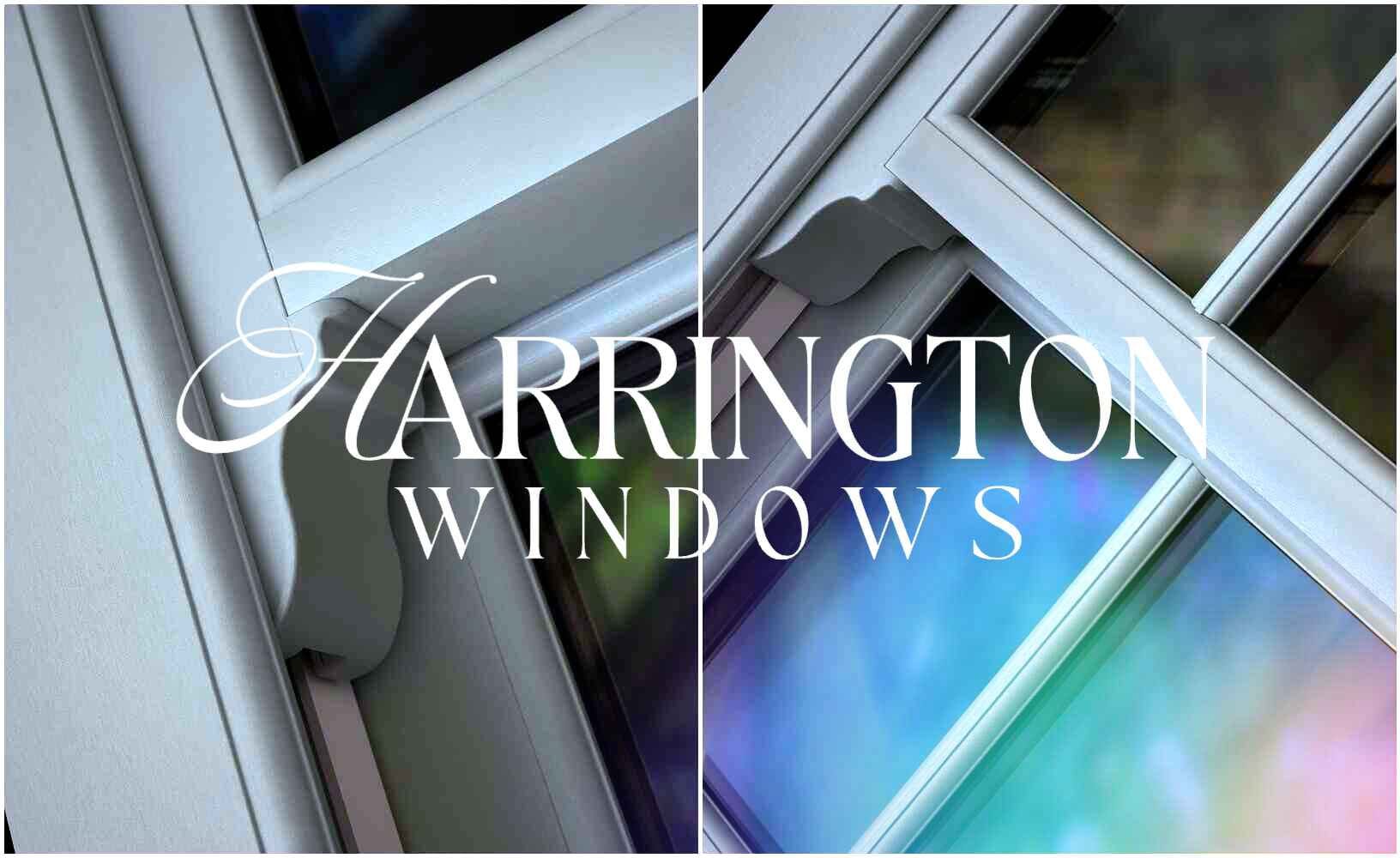
Sash Window Horns
Table of Contents
Quick Answer
Sash window horns are small decorative extensions at the bottom of the upper sash, originally introduced in the Victorian era to strengthen the joints when larger panes of glass replaced Georgian glazing bars. They serve both a structural and aesthetic purpose. Modern replacement sash windows can include horns to match period originals, and they are often required by conservation officers for heritage property replacements.
Key Takeaways
- The style you choose should match the period and architectural character of your home for the most authentic appearance.
- If your property is Georgian, authentic replacement windows should not include sash horns, as this would be historically inaccurate.
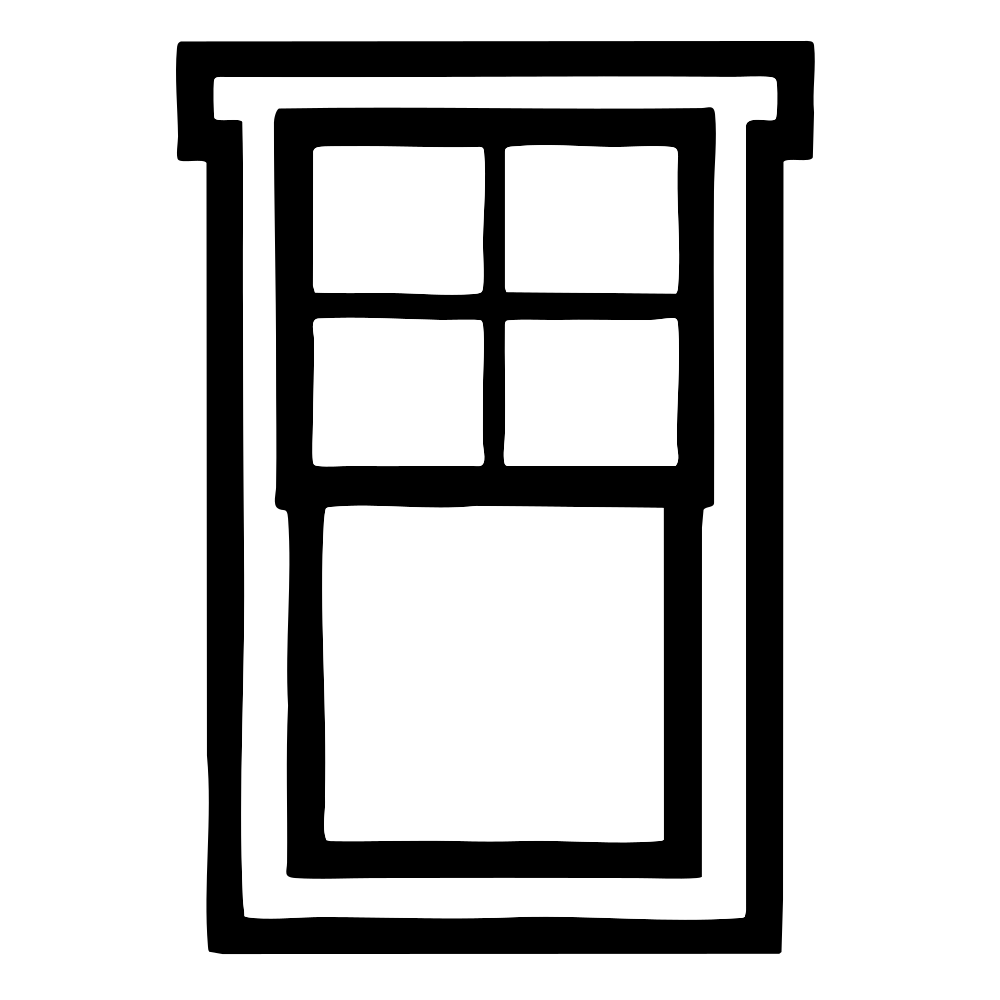
- Sash window horns are small projections that extend downward from the bottom corners of the upper sash.
- They were originally introduced in the mid-19th century as a structural reinforcement for the mortise and tenon joints of the.
- They also prevented the upper sash from being opened too far.
When admiring traditional sash windows, you might notice distinctive decorative features projecting downwards from the underside of the upper sash. These are known as sash horns. While often appreciated for their aesthetic contribution, sash horns originally served a crucial practical purpose. Understanding sash horns is key to appreciating the detail in classic window design. Harrington Windows ensures authentic details like sash horns are incorporated into our traditional timber and uPVC sash windows.
What Are Sash Horns and Why Were They Introduced?
Sash horns are additions to the meeting rail (the horizontal bar where the upper and lower sashes meet) of the upper sash. Their original function, dating back to the mid-19th century when larger, heavier panes of glass became common, was structural. They strengthened the sash joints (mortise and tenon joints) and prevented the upper sash from being opened too far, stopping it from dropping out or damaging the pulley system and sash box.
The Evolution from Function to Form
As window manufacturing techniques improved and joints became stronger, the purely structural need for sash horns diminished. However, they had become an established and expected decorative feature, particularly on Victorian and Edwardian sash windows. Today, while not always structurally essential (especially on modern uPVC windows), they are often included to replicate the authentic appearance of traditional sash windows.
Common Styles of Sash Horns
Sash horns weren't uniform; various styles evolved, adding character to window designs. Some common shapes include:
- Standard/Stub Horns: Simple, clean-lined downward projections.
- Curved or Swept Horns: Feature a gentle curve outwards or inwards.
- Bullnose Horns: Have a rounded profile.
- Ogee Horns: Incorporate an 'S'-shaped curve, often seen on more decorative Victorian windows.
The style of horn often varied regionally and depending on the specific period and architectural style of the property.
Do Modern Sash Windows Need Horns?
Technically, most modern sash windows, especially those made from uPVC with welded joints, don't *need* horns for structural reinforcement. However, they are crucial for achieving an authentic traditional look. Omitting sash horns on a replacement window in a period property can significantly detract from its character.
For this reason, high-quality manufacturers like Harrington Windows offer sash windows (both timber and uPVC) with integrated or 'run-through' sash horns that form part of the sash profile itself, mimicking the original construction, rather than cheaper 'stick-on' alternatives.
Authentic Details with Harrington Windows
Whether you are restoring a period property or simply love the classic aesthetic, details matter. At Harrington Windows, we understand the importance of features like sash horns in maintaining architectural integrity. Our timber and uPVC sash windows are designed with meticulous attention to detail, offering various authentic horn styles to perfectly complement your home.
**Preserve the character of your home with beautifully detailed sash windows. Contact Harrington Windows today to discuss options and get your free, no-obligation quote.**
Frequently Asked Questions
Sash window horns are small projections that extend downward from the bottom corners of the upper sash, sitting alongside the meeting rail. They were originally introduced in the mid-19th century as a structural reinforcement for the mortise and tenon joints of the upper sash, which became necessary when larger, heavier panes of glass came into use. They also prevented the upper sash from being opened too far. Today, they are primarily a decorative feature that contributes to the authentic appearance of Victorian and Edwardian style sash windows.
Most modern sash windows, particularly those made from uPVC with welded joints, do not structurally require horns. However, sash horns remain essential for achieving an authentic period appearance. If you are replacing windows in a Victorian or Edwardian property, or a home in a UK conservation area, including sash horns is important for maintaining architectural integrity. High-quality manufacturers offer integrated or run-through horns that form part of the sash profile itself, rather than cheaper stick-on alternatives.
There are several traditional styles of sash horns available to suit different property periods and architectural tastes. Standard or stub horns feature simple, clean-lined downward projections. Curved or swept horns have a gentle curve outwards or inwards. Bullnose horns feature a rounded profile. Ogee horns incorporate an S-shaped curve, commonly seen on more ornate Victorian properties. The style you choose should match the period and architectural character of your home for the most authentic appearance.
Run-through or integrated horns are machined from the same piece of timber or moulded as part of the sash profile itself, creating a seamless and structurally sound detail that closely replicates original Victorian construction methods. Stick-on horns are separate pieces glued or fixed onto the surface of the sash after manufacture. Run-through horns are considered far superior in both appearance and durability, and are the preferred choice for conservation areas and period property restorations across the UK.
In many UK conservation areas, local planning authorities require replacement sash windows to closely match the original design, and this often includes the presence of sash horns if the originals featured them. Victorian and Edwardian properties almost certainly had horns on their original windows. Before replacing windows in a conservation area or on a listed building, consult your local planning department to confirm their requirements regarding sash horns and other authentic detailing.
No, Georgian sash windows typically did not have horns. Sash horns were introduced in the mid-19th century, during the Victorian era, when advances in glass manufacturing allowed for larger, heavier panes. Earlier Georgian windows used smaller panes held together by multiple glazing bars, so the lighter weight meant no additional joint reinforcement was needed. If your property is Georgian, authentic replacement windows should not include sash horns, as this would be historically inaccurate.
Related Posts
Eco Slide Sash Windows: Sustainable Style with Modern Efficiency
These windows maintain the traditional elegance of sash windows but are engineered with modern materials and insulation technologies to provide exceptional ener...
Georgian Style Windows: Patterns, Prices & Materials Guide (2026)
Georgian windowsare a timeless architectural feature that has been used in homes since the Georgian era. Known for their elegant design, these traditional Georg...
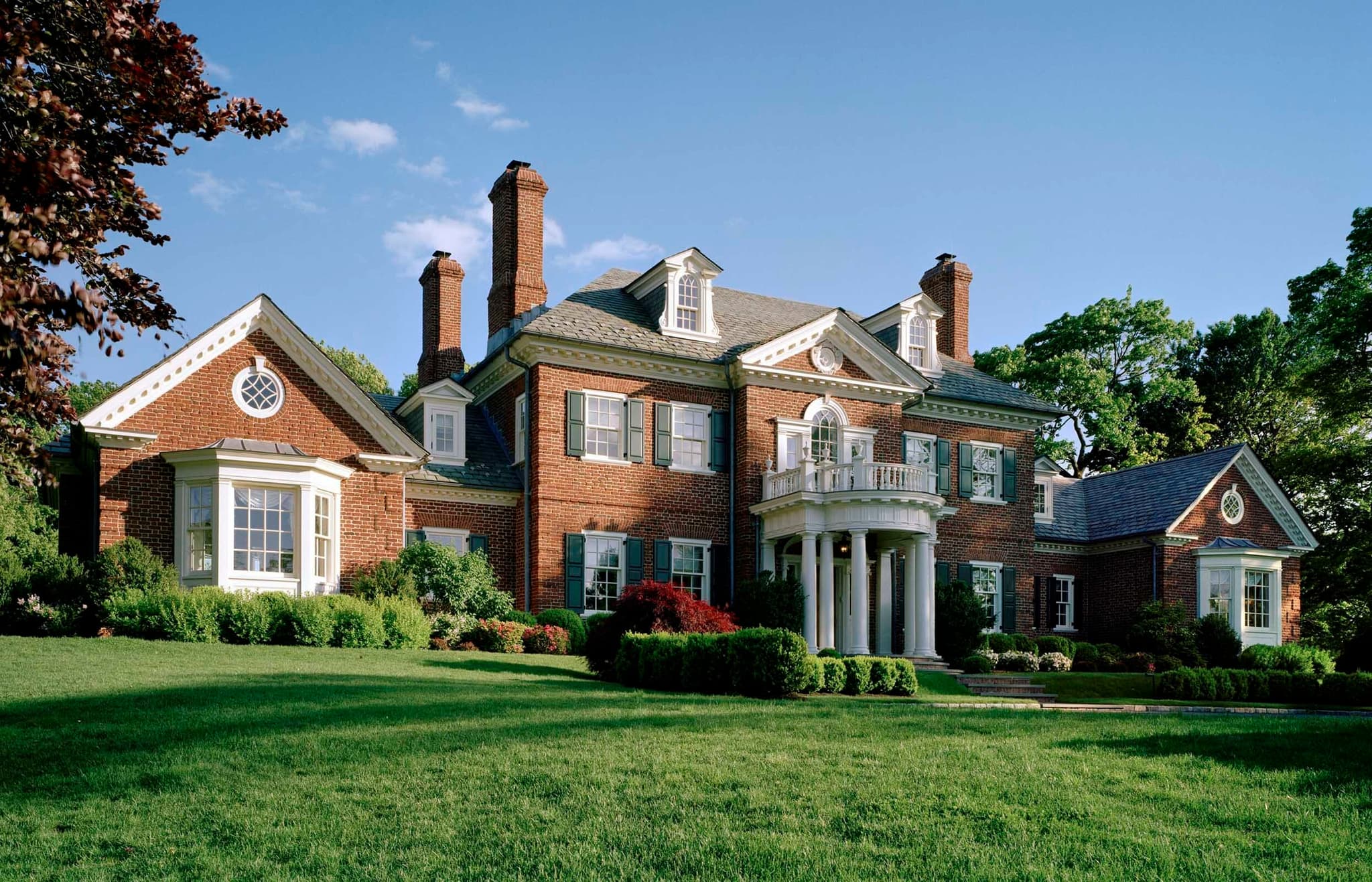
Georgian Style Windows: Timeless Elegance for Your Home
Today, they are still sought after for both traditional and modern homes, offering a refined look that never goes out of style.