.svg)
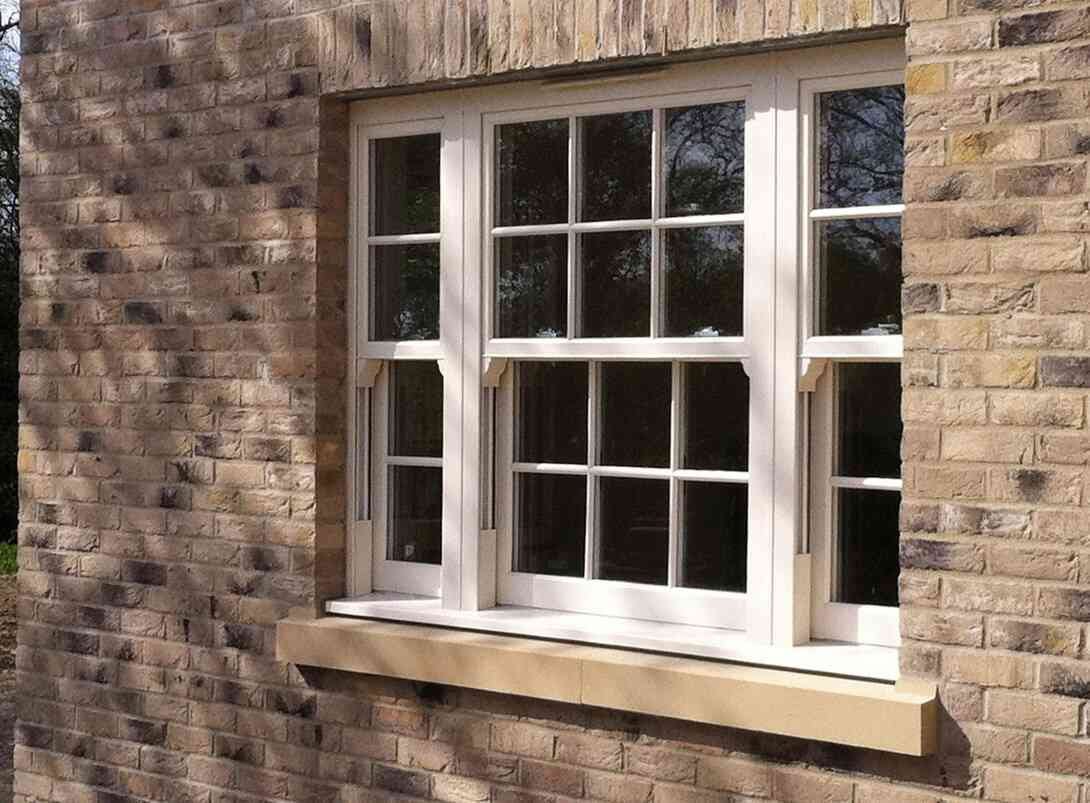

Period Sash Windows: Georgian, Victorian & Edwardian Style Guide
Table of Contents
Quick Answer
Traditional sash windows are vertically sliding windows that have been a staple of British architecture since the 1670s. They consist of two sashes held in a frame with counterbalanced weights, cords, and pulleys housed in a box frame. Authentic traditional sash windows are made from timber and feature period details such as horns, lamb's tongue mouldings, and slim glazing bars. Restoration costs 300 to 600 per window, while replacement costs 1,200 to 2,800.
Key Takeaways
- For means of escape compliance, at least one window in each habitable room above ground floor must provide a minimum.
- Timber sash windows, when properly cared for, can have a lifespan of 60 years or more.
- Combined with secondary glazing, draught-proofing can significantly improve thermal comfort and reduce energy bills in period properties.
- They can be manufactured in timber, uPVC, or aluminium with high-performance double or triple glazing, achieving excellent energy efficiency ratings.
- The cost of traditional sash windows in the UK varies depending on the material, size, and specification.
When it comes to timeless elegance and classic charm, few architectural features can compete with the beauty of atraditional sash window.
Box sash windows, a premium option, combine aesthetic appeal with functionality and energy efficiency. These windows have graced homes for centuries, seamlessly blending aesthetics with functionality. Whether you’re restoring a period property or adding charm to a contemporary home, traditional sash windows are an excellent choice.
In this guide, we’ll explore everything you need to know about traditional sash windows—from their origins and benefits to the best options available today.
What Is a Traditional Sash Window?
Atraditional sash windowconsists of two sliding panels (sashes) that move vertically within the frame. Sliding sash windows are known for their energy efficiency and soundproofing qualities. The bottom sash often features an easy-clean system that allows it to open inward, and it can be customised with traditional window attributes, including deeper bottom sash rails to replicate classic designs. Unlike modern styles, these windows often feature decorative glazing bars that divide the glass into smaller panes, enhancing their classic look.
Key features include:
- Timeless Aesthetic: Ideal for Georgian, Victorian, and Edwardian homes.
- Vertical Sliding Design: Maintains period accuracy while allowing excellent ventilation.
- High-Quality Materials: Often crafted from timber for authenticity, although modern options includeuPVC sash windowsfor added durability.
Learn more about how sash windows are made by visiting ourguide to timber windows.
What Are the Benefits of Traditional Sash Windows?
Investing intraditional sash windowsoffers numerous benefits, including:
1. Enhanced Aesthetic Appeal
These windows, with their traditional style, add unparalleled charm to period properties by aligning with historical architectural designs. With options likeGeorgian windows, they perfectly complement historic architecture.
2. Improved Ventilation
Sash windows allow both the top and bottom sashes to open, creating a natural airflow in your home.
3. Energy Efficiency
Modern updates like double glazing make traditional sash windows more energy-efficient than ever. The use of internal beading enhances security and improves the overall performance of the glazing units. Discover more aboutflush sash windows, which provide a seamless, energy-saving alternative.
4. Customisation Options
From paint finishes to authentic ironmongery, traditional sash windows offer flexibility in customisation to suit your style.
Parting beads play a crucial role in replicating original window features and enhancing the authenticity of classic designs.
Traditional Sash Window Styles
Georgian, Victorian, and Edwardian Styles
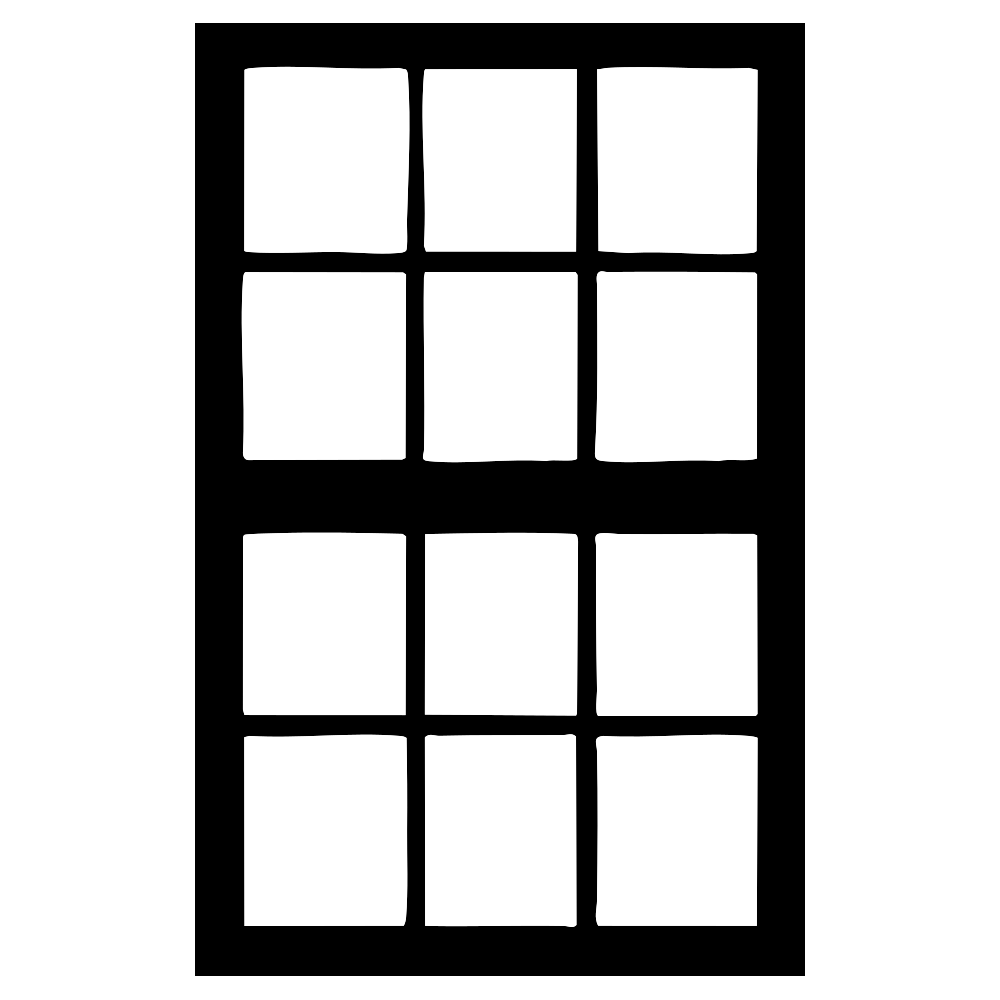
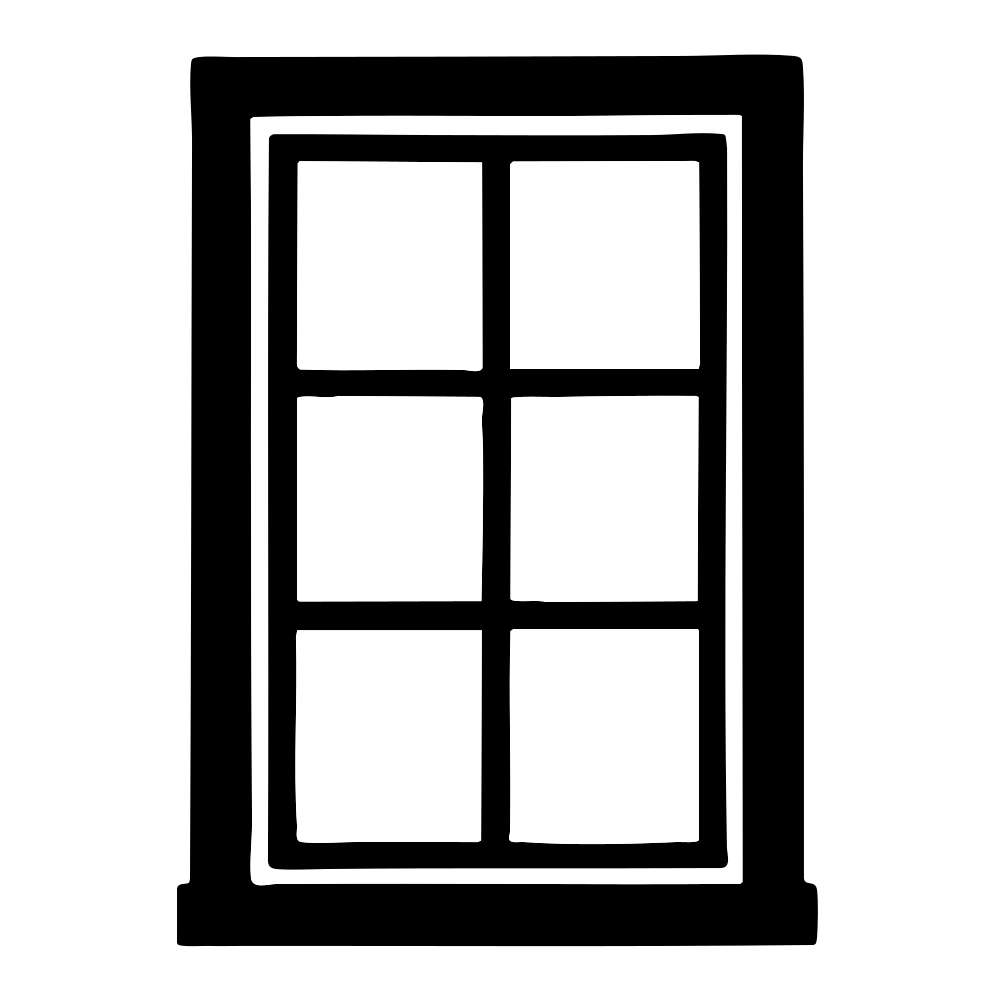
Traditional sash window styles are characterized by their unique features and designs, which reflect the architectural trends of their respective periods. Georgian sash windows, popular during the 18th century, typically feature a ‘6 panes over 6 panes’ design, with astragal bars holding together smaller squares of glass.
This style not only adds a touch of elegance but also reflects the craftsmanship of the era.
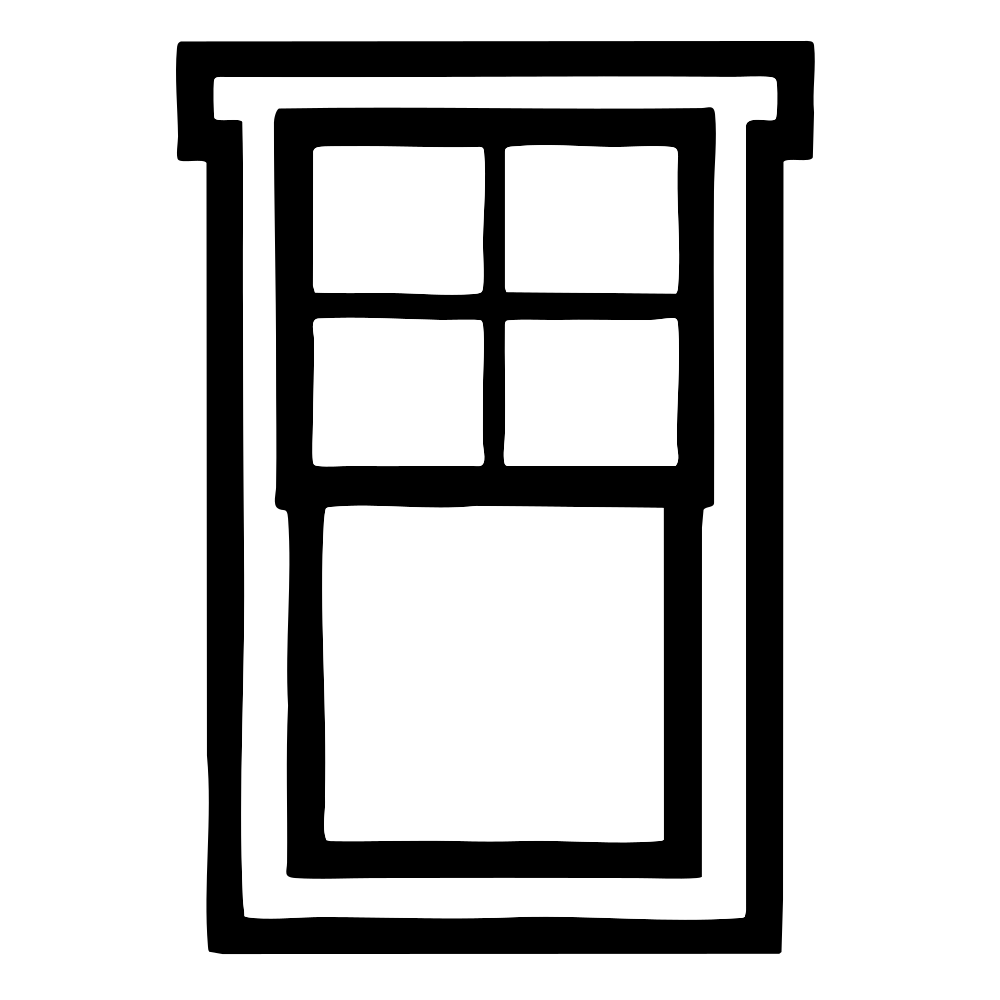
Victorian sash windows, on the other hand, are distinguished by their run-through sash horns and a two-panel grid design on both the top and bottom panes. These windows became popular in the 19th century and are known for their robustness and decorative elements. Edwardian sash windows, which gained popularity in the early 20th century, often feature a ‘6 panes over 2 panes’ design.
This style combines the grandeur of Georgian windows with the simplicity of Victorian designs, offering a classic and elegant look that complements many architectural styles.
Period-Specific Features and Designs
Each traditional sash window style has its unique features and designs that reflect the architectural trends of its time.
For example, Georgian sash windows often feature decorative sash horns, which add a touch of sophistication and historical accuracy. Victorian sash windows are characterized by their elaborate glazing bar patterns, which create a distinctive and ornate appearance. These windows often include intricate detailing that showcases the craftsmanship of the Victorian era.
Edwardian sash windows, on the other hand, are known for their simplicity and clean lines. They often feature fewer glazing bars, creating a more open and airy feel. Understanding these period-specific features and designs is essential for creating authentic traditional sash windows that complement the style of a property.
Whether you’re restoring a historic home or adding period charm to a modern property, choosing the right sash window style can make a significant difference.
What Materials Are Best for Traditional Sash Windows?
While traditional sash windows were historically crafted from timber, modern alternatives includeuPVCandaluminium. A Venetian sash window is a specific type of multiple sash window that features vertical astragal glazing bars. Each material has its own advantages:
Timber Sash Windows
- Classic and authentic.
- Ideal for conservation areas.
- Requires regular maintenance for longevity.
- Explore our range oftimber windows.
uPVC Sash Windows
- Low-maintenance and affordable.
- Perfect for homeowners seeking traditional aesthetics with modern durability.
- Visit our page onuPVC windowsfor more information.
Aluminium Sash Windows
- Lightweight and durable.
- Excellent for larger sash windows.
- Offers a contemporary twist to a traditional design.
Operating Mechanisms
Sliding Sash Spiral Balance and Cords and Weights
Traditional sash windows operate using two main mechanisms: sliding sash spiral balance and cords and weights.
The sliding sash spiral balance mechanism features a tensioned spring concealed inside a coloured tube, which provides a smooth and effortless operation. This modern mechanism is often used in contemporary sash windows, offering a sleek and efficient solution. The cords and weights mechanism, on the other hand, uses a traditional weight and pulley system to counterbalance the weight of the sashes.
This classic method has been used for centuries and is favoured for its reliability and historical accuracy. Both mechanisms offer a reliable and efficient way to operate traditional sash windows, providing a smooth and quiet operation.
Whether you prefer the modern convenience of spiral balances or the timeless appeal of cords and weights, understanding these mechanisms can help you choose the best option for your sash windows.
How to Maintain Traditional Sash Windows
Proper maintenance is essential for ensuring the longevity of your sash windows. Here's what you need to know:
1. Cleaning the Glass and Frame
- Use a soft cloth and mild detergent to clean the glass and frame.
- Avoid abrasive cleaners that can damage the finish.
2. Addressing Draughts
- Check the seals around the sashes and frame.
- Consider draught-proofing solutions to improve thermal efficiency.
3. Restoring Smooth Operation
- Lubricate the pulley system and ensure the weights are balanced.
- Learn more in our guide to making sash windows slide more easily.
Are Traditional Sash Windows Energy Efficient?
Modern advancements like double glazing and insulated frames make traditional sash windows highly energy-efficient.
Despite common misconceptions, traditional windows, including sash windows, can be bespoke and feature modern energy-efficient designs while maintaining styles from historical periods such as Victorian, Edwardian, and Georgian.
Options liketilt-and-turn windowsoffer additional ventilation and insulation benefits. Check out ourtilt-and-turn windowsfor more details.
How Do You Choose the Right Traditional Sash Windows for Your Home?
Selecting the perfect sash windows involves balancing style, functionality, and budget. Whether you prefercasement windowsfor versatility orflush sash windowsfor a sleek finish, Harrington Windows has something for every home.
Visit ourcasement windows pagefor inspiration.
Conclusion
Traditional sash windows are a timeless addition to any home. They combine classic beauty with modern performance, offering style, energy efficiency, and security. Whether you're restoring a listed property or upgrading your current home, Harrington Windows has the perfect solution.
To explore our range of traditional sash windows, visit oursash windows page, or get in touch with our team via ourcontact page.
FAQS about Traditional Sash Window
When did they stop making sash windows?
Sash windows have never ceased production and continue to be manufactured today. While their popularity declined in the mid-20th century due to the rise of modern window designs, there has been a resurgence in interest for traditional sash windows in recent years, especially in period property restorations.
How do you date a sash window?
Dating a sash window involves examining its design features, materials, and construction methods. Edwardian windows are characterized by a distinctive '6 panes over 2 panes' design, making them a suitable choice for properties from the early 20th century. For instance, Georgian sash windows often have multiple small panes with thick glazing bars, while Victorian versions feature larger panes with thinner bars. Additionally, the type of glass and hardware used can provide clues to the window’s age.
Can you put double glazing in old sash windows?
Yes, it's possible to retrofit double glazing into existing sash windows. This process involves replacing the single glazing with double-glazed units while retaining the original frames, thereby improving energy efficiency without compromising the window's historic character.
Do sash windows add value to a house?
Sash windows can enhance a property's aesthetic appeal, especially in period homes, and may increase its market value. Their classic design and potential for improved energy efficiency make them attractive to buyers seeking character and functionality.
How do you stop condensation on old sash windows?
To reduce condensation on old sash windows, ensure proper ventilation in your home, use dehumidifiers to lower indoor humidity levels, and consider upgrading to double glazing to improve thermal insulation. Regular maintenance, such as sealing gaps and applying draught-proofing, can also help prevent moisture buildup.
How much does it cost to double glaze a sash window?
The cost to double glaze a sash window varies depending on factors like size, materials, and the complexity of the installation. On average, retrofitting double glazing into existing sash windows can range from £500 to £1,000 per window. It's advisable to obtain quotes from multiple suppliers for accurate pricing.
How long should sash windows last?
Well-maintained sash windows can last for several decades. Timber sash windows, when properly cared for, can have a lifespan of 60 years or more. Regular maintenance, including painting, sealing, and addressing any signs of rot or damage, is essential to prolong their longevity.
Frequently Asked Questions
The cost of traditional sash windows in the UK varies depending on the material, size, and specification. Timber sash windows typically range from £800 to £2,500 per window, uPVC sash windows from £400 to £900, and aluminium sash windows from £600 to £1,500. Retrofitting double glazing into existing sash windows generally costs between £500 and £1,000 per window. Bespoke designs, triple glazing, period-specific features like sash horns, and premium ironmongery will increase costs. Installation charges vary by region but typically add £200 to £500 per window. Always obtain multiple quotes for accurate pricing.
Georgian sash windows, popular during the 18th century, typically feature a six-over-six pane design with astragal glazing bars holding smaller squares of glass. Victorian sash windows, from the 19th century, evolved to feature fewer glazing bars with larger panes, often in a two-over-two configuration, and are characterised by run-through sash horns. Edwardian sash windows from the early 20th century commonly feature a six-over-two or six-over-one design, combining decorative upper panes with a single larger lower pane to maximise light. Each style reflects the architectural preferences and glass manufacturing capabilities of its period.
Yes, traditional sash windows can be effectively draught-proofed without compromising their character. The most common method involves fitting brush pile or compression seal strips into the sash channels, meeting rails, and along the bottom of the lower sash. This creates a tight seal when the window is closed while still allowing smooth sliding operation. Professional draught-proofing of sash windows typically costs £200 to £400 per window and can reduce heat loss from the window by up to 50%. Combined with secondary glazing, draught-proofing can significantly improve thermal comfort and reduce energy bills in period properties.
Yes, sash windows work well in modern homes as well as period properties. Contemporary sash windows are available with slim profiles, clean lines, and modern hardware that suit new-build architecture. They can be manufactured in timber, uPVC, or aluminium with high-performance double or triple glazing, achieving excellent energy efficiency ratings. The sliding vertical opening mechanism provides versatile ventilation without protruding into outdoor space, making sash windows practical for properties near pathways or boundaries. Many modern homeowners choose sash windows to add character and distinction to their homes while benefiting from current performance standards.
Maintaining traditional timber sash windows involves several regular tasks. Clean the glass and frames every three months with a mild soap solution and soft cloth. Inspect the timber annually for signs of peeling paint, cracking, or early rot, particularly at the bottom rail, sill, and joints. Repaint or re-stain every three to five years to protect against moisture and UV damage. Lubricate the pulleys, sash cords, and any metal hardware annually with light oil or silicone spray. Check and replace sash cords if they become frayed. Ensure weather seals and putty remain intact to prevent water ingress.
Modern sash windows are designed to meet current UK Building Regulations, including Part L (energy efficiency), Part B (fire safety and means of escape), and Part Q (security). Double-glazed timber sash windows typically achieve the required U-value of 1.4 W/m2K or better. For means of escape compliance, at least one window in each habitable room above ground floor must provide a minimum clear opening of 450mm by 450mm. Trickle ventilation is also required under Building Regulations Part F. Reputable manufacturers ensure their sash windows are tested and certified to meet all current regulatory requirements.
Replacing sash windows in a period home in the UK typically costs between £800 and £2,500 per window for timber sash windows, depending on size, timber species, glazing specification, and any bespoke requirements. Period homes often require custom designs to match original features like glazing bar patterns, sash horns, and moulding profiles, which can increase costs. For a typical Victorian terraced house with 8 to 12 windows, total replacement costs might range from £8,000 to £25,000 including installation. Properties in conservation areas may require specific materials and designs, which can further affect pricing.
Box sash windows are a specific type of traditional sash window where the frame includes a hollow box structure on each side that houses the counterbalance weights. These weights are connected to the sliding sashes via cords that run over pulleys at the top of the frame. The weight system allows the sashes to slide smoothly up and down and hold their position at any height. Box sash windows are commonly found in Georgian, Victorian, and Edwardian properties across the UK. Modern versions can incorporate spiral balances instead of traditional weights for a slimmer profile while retaining the classic appearance.
Yes, sash windows are often the preferred window type for conservation areas because of their traditional appearance. However, you will typically need planning permission from your local authority before replacing windows in a conservation area. The council's conservation officer will usually require that new windows match the original design in terms of materials, proportions, glazing bar patterns, and opening mechanism. Timber sash windows are generally the most accepted option. Some authorities may permit slim-profile double glazing that maintains the traditional appearance, while others may require single glazing with secondary glazing fitted internally.
Sash windows slide vertically within the frame, while casement windows are side-hinged and open outward. Sash windows are the traditional choice for Georgian, Victorian, and Edwardian properties and are required in many conservation areas. They provide excellent ventilation control, as opening both the top and bottom sashes creates a natural convection flow. Casement windows are more common in post-1930s properties and offer wider openings. Sash windows do not protrude outward, making them suitable for properties near pathways. Casement windows are generally cheaper and simpler to maintain, while sash windows offer superior period authenticity.
Traditional sash windows can be fitted with several glazing options. Single glazing is sometimes required for listed buildings to maintain authenticity. Double glazing, the most popular choice, significantly improves thermal performance and noise reduction while maintaining a relatively slim profile. Triple glazing offers the best insulation but adds weight and thickness. Slim vacuum-sealed double glazing units can replicate the appearance of single glazing while providing modern insulation. Acoustic glazing using different glass thicknesses reduces noise. Laminated glass improves security. Low-emissivity coatings and argon gas filling enhance thermal performance across all glazing types.
Signs that your sash windows may need replacing include persistent draughts that cannot be resolved with draught-proofing, extensive rot in the timber frames particularly at the bottom rail and sill, windows that are stuck or very difficult to open and close, visible gaps between the sashes and frame, rattling in the wind, significant condensation between double-glazed panes indicating seal failure, and noticeably higher heating bills. If the frames are structurally sound with only minor issues, professional repair and restoration may be more cost-effective. A specialist surveyor can assess whether repair or replacement is the better option for your property.
Modern sash windows can absolutely meet current energy efficiency standards. Double-glazed timber sash windows achieve U-values of around 1.2 W/m2K, well within the Building Regulations Part L requirement of 1.4 W/m2K for replacement windows. Triple-glazed versions can achieve U-values as low as 0.8 W/m2K. Features such as low-emissivity glass, argon gas filling, warm edge spacer bars, and effective brush pile draught seals all contribute to excellent thermal performance. When combined with proper installation and trickle ventilation, modern sash windows provide energy efficiency comparable to other contemporary window styles.
Edwardian sash windows are distinguished by their 'six-over-one' or 'six-over-two' pane configuration, where the upper sash has multiple smaller panes and the lower sash features a single large pane. They have slimmer glazing bars and less ornate mouldings compared to Victorian windows, reflecting the Edwardian era's preference for light, simplicity, and space. Sash horns and bay window arrangements are also common features.
Replacement Edwardian sash windows in the UK typically cost between £900 and £2,500 per window for timber, depending on size, specification, and glazing options. Bespoke hardwood sash windows with authentic Edwardian detailing sit at the higher end. uPVC alternatives that replicate the Edwardian style are available from around £500 to £1,000 per window. Installation usually adds £150 to £300 per window.
Yes, Edwardian sash windows can be fitted with double glazing. Slim-profile double-glazed units are specifically designed for period sash windows, minimising the visual impact while providing modern thermal insulation and noise reduction. This approach allows you to improve energy efficiency significantly without compromising the authentic Edwardian appearance. A specialist joiner can retrofit slim-profile units into existing frames or create new double-glazed replicas.
If your Edwardian property is listed or located in a conservation area, you will likely need planning permission or listed building consent before replacing any windows. The replacement windows must typically match the originals in material, design, and appearance. For non-listed properties outside conservation areas, replacements generally fall under permitted development rights, though the new windows must comply with current Building Regulations for thermal performance.
Restoring original Edwardian sash windows involves several steps: stripping old paint, repairing or splicing any rotten timber sections, replacing damaged putty, re-glazing where necessary, fitting new sash cords or spring balances, adding draught-proofing strips, and applying a fresh coat of paint or primer. A skilled joiner can also install slim-profile double glazing into the original frames. Professional restoration typically costs £300 to £600 per window.
Engineered hardwoods such as Accoya, sapele, and European oak are excellent choices for Edwardian sash windows due to their durability, dimensional stability, and resistance to rot. Accoya is particularly popular in the UK as it is sustainably sourced and offers exceptional longevity with minimal maintenance. Softwoods like Scandinavian redwood can also be used and are more affordable, though they require more frequent maintenance and treatment.
Related Posts
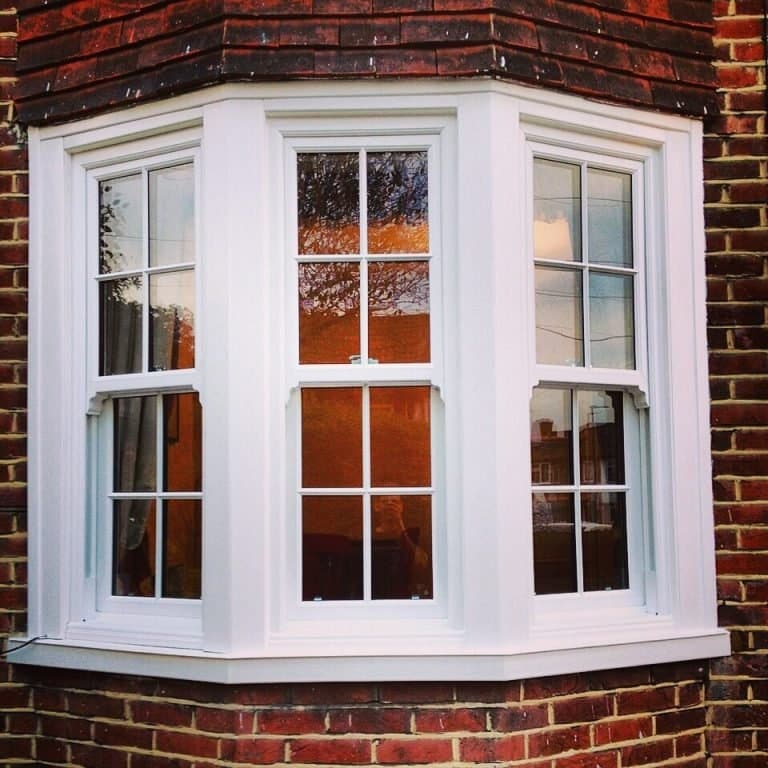
Eco Slide Sash Windows: Sustainable Style with Modern Efficiency
These windows maintain the traditional elegance of sash windows but are engineered with modern materials and insulation technologies to provide exceptional ener...
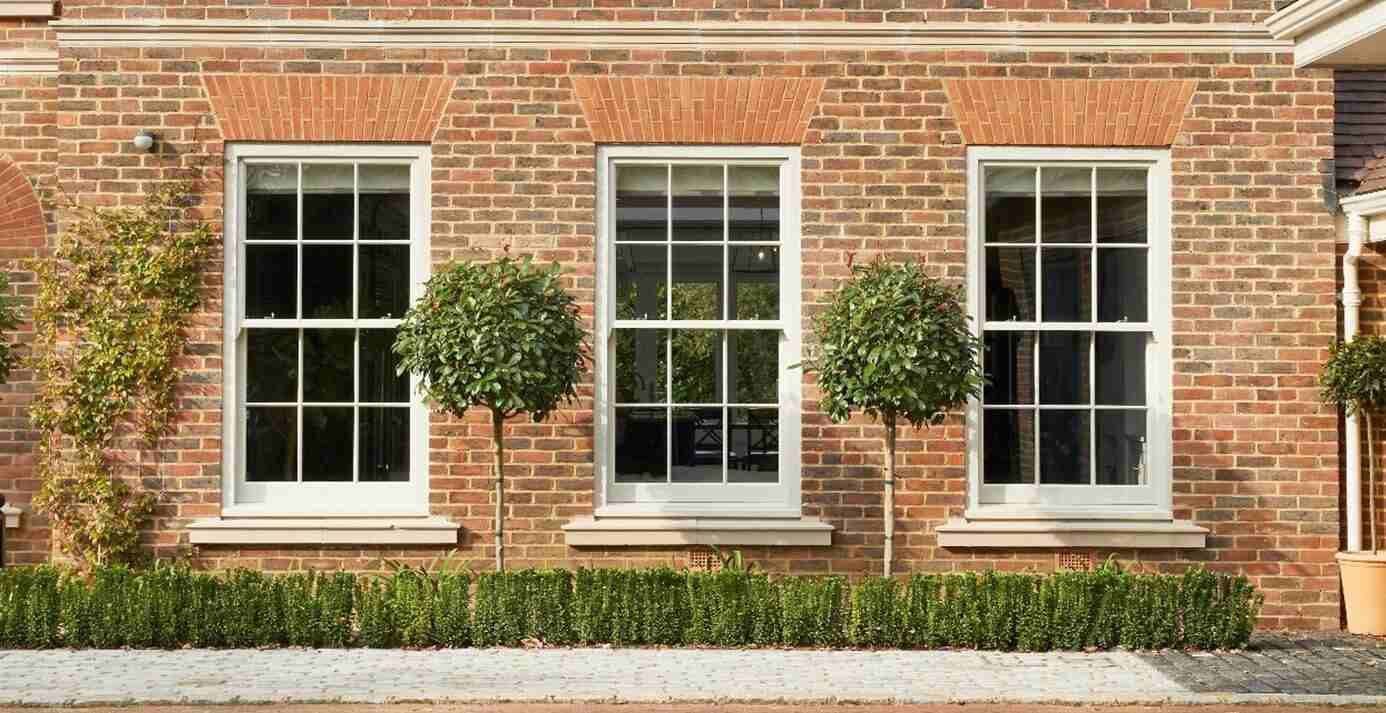
Georgian Style Windows: Patterns, Prices & Materials Guide (2026)
Georgian windowsare a timeless architectural feature that has been used in homes since the Georgian era. Known for their elegant design, these traditional Georg...
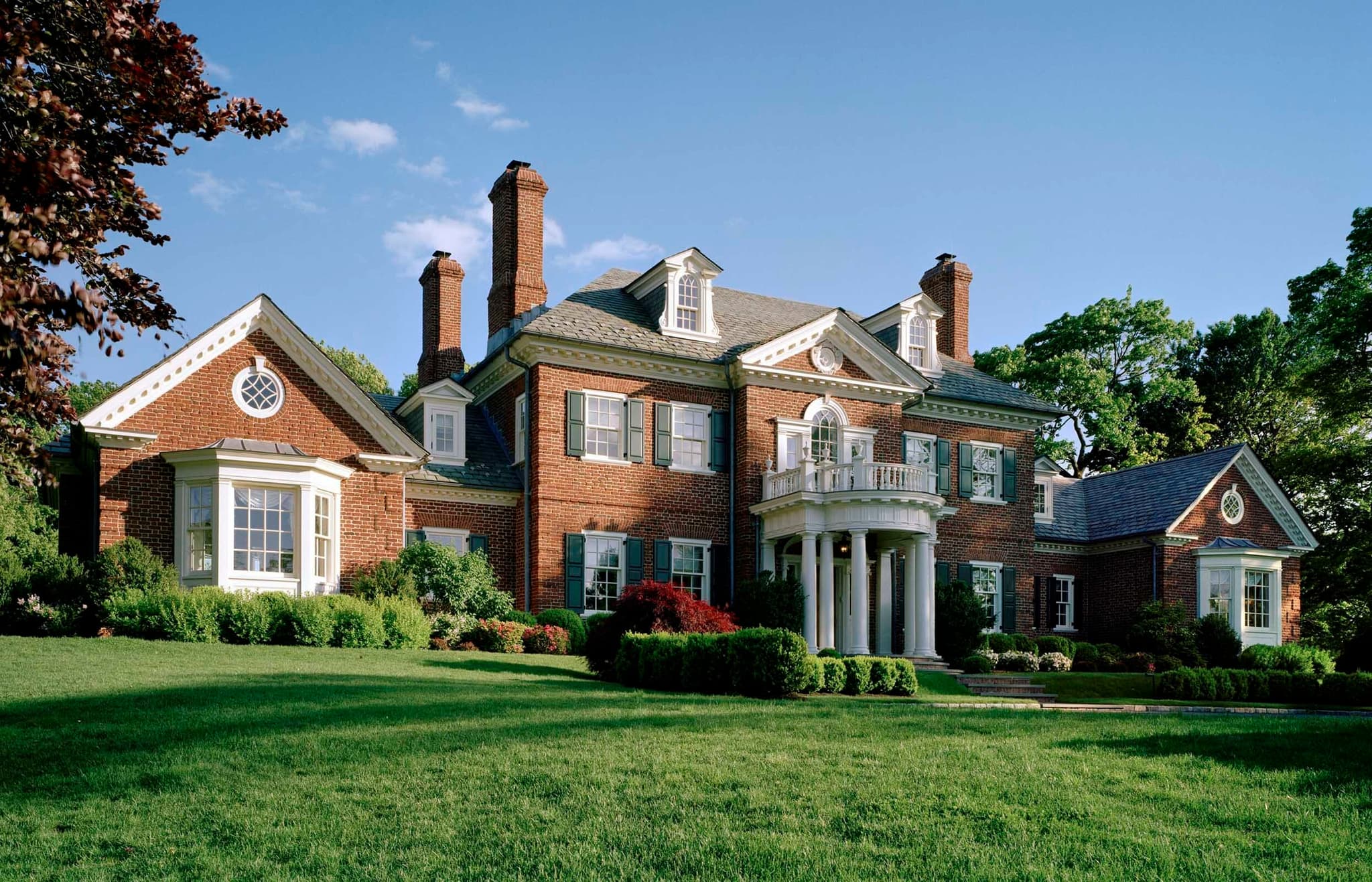
Georgian Style Windows: Timeless Elegance for Your Home
Today, they are still sought after for both traditional and modern homes, offering a refined look that never goes out of style.