.svg)


12 Types of Window Opening: Complete UK Guide with Pros, Cons & Costs
Table of Contents
Quick Answer
The most common types of window opening in the UK are casement (side or top hinged), sash (sliding vertically), tilt and turn (dual function), and fixed (non-opening). Casement windows are the most popular choice for modern homes, while sash windows are traditional for period properties.
Key Takeaways
- Casement windows can open up to 90 degrees, catching breezes effectively.
- Casement windows opened to 90 degrees also provide excellent ventilation.
- Several window types open outward: casement windows (hinged on the side), awning windows (hinged at the top).
- Tilt and turn windows offer two opening modes: they can tilt inward from the top for secure ventilation.
- Sash windows can achieve good efficiency with modern draught-proofing systems.
Choosing the right type of window can make a significant difference in your home's comfort, aesthetics, and functionality. Understanding the various types of window opening is crucial when selecting windows for your property, as each style offers unique benefits in terms of ventilation, ease of use, and design.
Fromwindows that open outwardtofully openable windowsand those that provide limited airflow, there's a style for every room and purpose.
In this article, we'll explore the most popularwindow opening types, explaining their advantages and ideal applications. Whether you're renovating your home or building a new one, this guide will help you make an informed choice to suit your needs and enhance your living space.
Why Does the Type of Window Opening Matter?
The way a window opens affects not only how much fresh air and natural light enters a room but also the overall aesthetics, security, and functionality of your home. Choosing the rightwindow opening optionscan improve energy efficiency, safety, and even the value of your property.
Here's why it's essential to consider the opening mechanism:
Most Popular Types of Window Openings
Here's a look at the most commontypes of window openingmechanisms, their benefits, and where they're best used:
1. Casement Windows (Side-Hinged Windows)
Casement windowsare hinged at the side and open outward like a door. This type of window provides excellent ventilation and unobstructed views, making it one of the most popularwindow opening optionsfor both traditional and modern homes.
- How It Opens: The window swings open on side hinges, either to the left or right.
- Benefits: Maximum airflow, unobstructed view, and high energy efficiency due to a tight seal when closed.
- Ideal For: Living rooms, kitchens, and bedrooms.
- Variations:Double opening windows, where two casement windows open outward from the centre.
2. Awning Windows (Top-Hinged Windows)
Awning windowsare hinged at the top and open outward, creating a small “awning” that provides ventilation even during light rain. This makes them perfect for areas that require ventilation but need protection from the elements.
- How It Opens: The window tilts outward from the bottom, creating a slight slope.
- Benefits: Good ventilation, weather protection, and security.
- Ideal For: Bathrooms, kitchens, and basements.
- Variations: Can be paired with fixed windows for a larger view.
3. Tilt and Turn Windows
Tilt and turn windowsoffer a unique dual-function opening system. They can tilt inward from the top for secure ventilation or swing inward from the side like a casement window, providing full access to the window opening.
- How It Opens: Dual function; tilts inward from the top or turns inward from the side.
- Benefits: Versatile, easy to clean, and highly secure.
- Ideal For: Bedrooms, bathrooms, and high-rise apartments.
- Variations: Available in large sizes for panoramic views.
4. Sliding Windows
Sliding windowsare designed to slide horizontally along a track, with one pane moving over the other. This style is easy to operate and ideal for areas where outward-opening windows are impractical.
- How It Opens: One or more panes slide horizontally.
- Benefits: Space-saving design, easy to use, and modern appearance.
- Ideal For: Kitchens, living rooms, and balconies.
- Variations: Double or triple track systems for larger openings.
5. Double-Hung Windows
Double-hung windowshave two sashes that slide vertically, allowing for ventilation from the top, bottom, or both. This design is perfect for controlling airflow while maintaining a traditional appearance.
- How It Opens: Both the upper and lower sashes slide vertically.
- Benefits: Flexible ventilation, easy cleaning, and a classic look.
- Ideal For: Period properties, cottages, and traditional homes.
- Variations:Single-hung windows, where only the bottom sash moves.
6. Fixed Windows
Fixed windowsdo not open at all and are used solely for allowing light into a space. They are often paired with operable windows or used in areas where ventilation isn't necessary.
- How It Opens: Does not open; fixed in place.
- Benefits: Provides natural light, energy-efficient, and adds architectural interest.
- Ideal For: Staircases, hallways, and high ceilings.
- Variations: Available in a wide range of shapes and sizes, from picture windows to custom designs.
7. Bay and Bow Windows
Bay and bow windowsare a combination of multiple windows that project outward from the main walls, creating a wide, panoramic view and additional interior space. Bay windows typically have three panels, while bow windows have four or more.
- How It Opens: Usually a combination of fixed and operable windows.
- Benefits: Adds space, enhances light, and creates a focal point.
- Ideal For: Living rooms, dining rooms, and master bedrooms.
- Variations: Custom configurations based on space and design preferences.
8. Hopper Windows (Bottom-Hinged Windows)
Hopper windowsare hinged at the bottom and open inward from the top, opposite to an awning window. This design is commonly used in basements or smaller spaces where outward-opening windows are not practical.
- How It Opens: Tilts inward from the top.
- Benefits: Good ventilation, easy to clean, and secure.
- Ideal For: Basements, bathrooms, and small rooms.
- Variations: Often paired with awning or fixed windows for a custom look.
Window Opening Types Comparison
Each window opening type has distinct strengths when it comes to ventilation, security, cleaning ease, energy efficiency, cost, and suitability for different properties. Understanding how they compare across these key factors will help you narrow down the best option for each room in your home.
- Casement windows offer the best all-round performance: excellent ventilation when fully open, strong energy efficiency from a tight compression seal, easy cleaning from the inside, and affordable pricing. They suit most property types and are the UK's most popular choice.
- Tilt and turn windows excel in security and cleaning convenience thanks to their inward-opening design. They provide the most versatile ventilation (tilt for background airflow, turn for maximum), and their compression seal delivers outstanding energy efficiency. They are mid-range in cost and ideal for upper floors and modern homes.
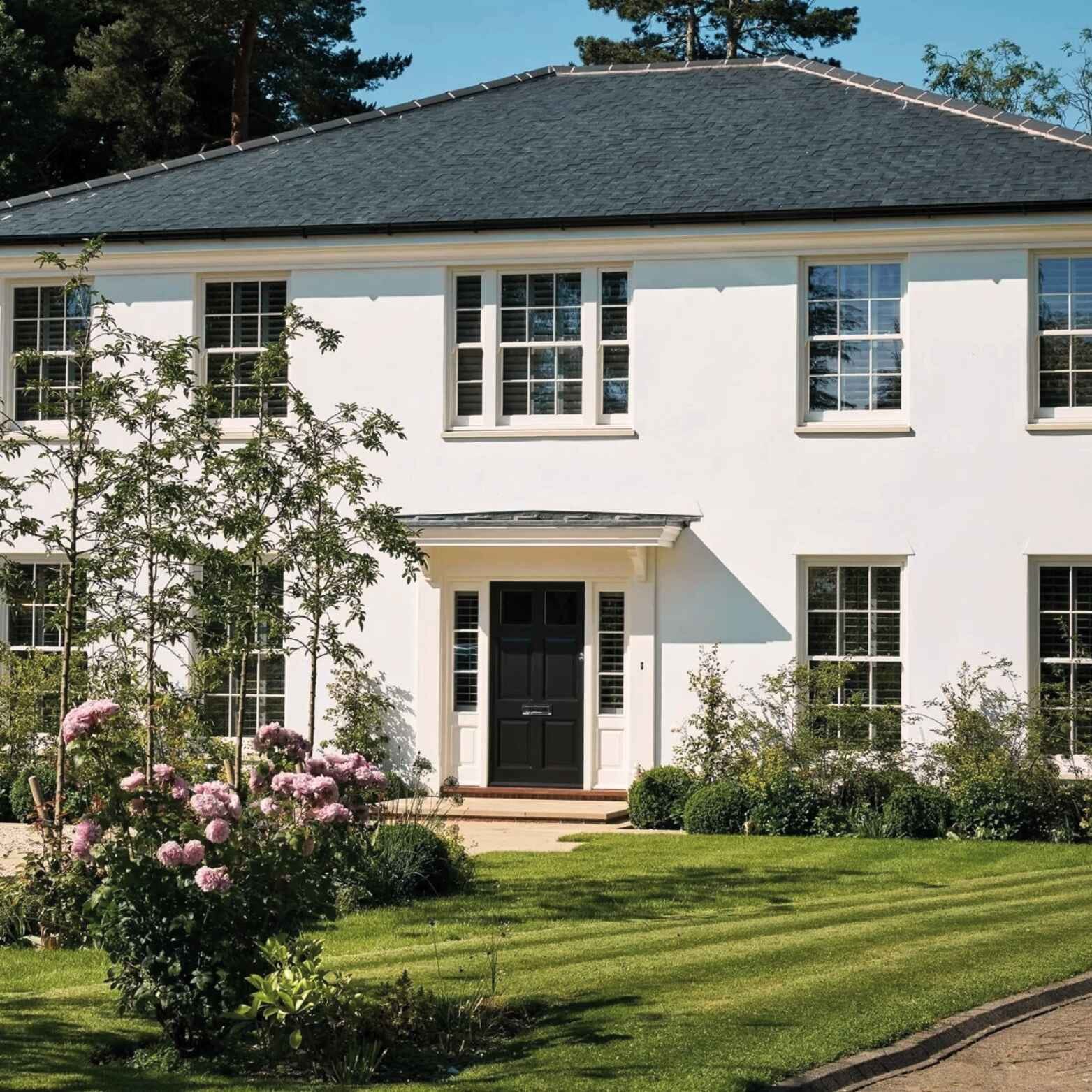
- Sash (double-hung) windows are the top choice for period and conservation-area properties, offering flexible ventilation from both top and bottom sashes. Modern sash windows now include tilt-in mechanisms for easy cleaning. Energy efficiency has improved significantly with contemporary draught-proofing, though they are typically higher in cost.
- Sliding windows are the most space-efficient option since they don't project inward or outward when open. They provide moderate ventilation and suit rooms facing walkways or patios. They are mid-range in cost and energy efficiency, and easy to operate in wide openings.
- Bay and bow windows maximise natural light and create a sense of space, with multiple opening sections that can generate effective cross-ventilation. They are the most expensive option but add significant visual impact and property value. Security and efficiency depend on the individual window types used within the bay.
- Fixed windows deliver the highest energy efficiency of any type since they have no moving parts or seals to compromise. They are the most affordable per square metre and require minimal maintenance. However, they provide no ventilation and are best paired with operable windows nearby.
- Hopper and awning windows are well suited to compact spaces such as basements, bathrooms, and utility rooms. Awning windows allow ventilation even during rain, while hopper windows open inward for easy cleaning. Both are budget-friendly and offer good security due to their small opening size.
How Do You Choose the Right Window Opening Type for Your Home?
When selecting the besttypes of window openingfor your home, consider the following factors:
1. Room Functionality
Think about how you use the space. For example, kitchens benefit from casement or sliding windows that provide good ventilation, while bedrooms might be better suited to tilt and turn windows for secure nighttime ventilation.
2. Location and Placement
Windows on upper floors or in hard-to-reach areas should be easy to operate and clean. Tilt and turn or sliding windows are ideal for these locations.
3. Style and Aesthetic
Match the window opening type to your home's architectural style. For example, double-hung windows are perfect for period properties, while sliding windows complement modern homes.
4. Energy Efficiency
Different window types offer varying levels of energy efficiency. Fixed and casement windows tend to have better insulation, while sliding windows may allow for more heat transfer.
5. Security Needs
For ground-floor rooms or homes with children, choose windows that offer secure ventilation options, such as tilt and turn or double-hung windows.
Once you've decided on your preferred window opening style, use our window price calculator to get an instant cost estimate for your chosen configuration.
Upgrade Your Home with the Perfect Window Opening Types
Choosing the righttypes of window openingcan significantly enhance your home's comfort, aesthetics, and functionality.
Whether you needfully openable windowsfor maximum ventilation,double opening windowsfor larger spaces, ortilt and turn windowsfor versatile use, selecting the right window style is key to creating a comfortable and beautiful living environment.
Frequently Asked Questions
Casement windows (side-hinged) are the most common type in UK homes. They're hinged on one side and open outward like a door, offering excellent ventilation, easy cleaning, and good security. They're available in uPVC, timber, and aluminium and suit most property styles.
Several window types open outward: casement windows (hinged on the side), awning windows (hinged at the top), and some tilt and turn windows (which can open both inward and outward depending on configuration). Casement windows are the most popular outward-opening style in the UK.
Tilt and turn windows offer two opening modes: they can tilt inward from the top for secure ventilation, or swing fully inward from the side for easy cleaning and maximum airflow. They're popular in Europe and increasingly in UK homes, especially for upper floors.
Casement windows and tilt and turn windows provide the best ventilation. Casement windows can open up to 90 degrees, catching breezes effectively. Tilt and turn windows offer versatile ventilation options—tilt mode for secure background ventilation, or fully open for maximum airflow.
Single-hung windows have one movable sash (usually the bottom), while double-hung windows have two movable sashes allowing both top and bottom to open. Double-hung windows offer better ventilation options and easier cleaning, making them ideal for traditional and period properties.
Tilt and turn windows are generally the most energy efficient opening type due to their compression seal that creates an airtight fit when closed. Casement windows also perform well as they press against the frame when shut. Sash windows can achieve good efficiency with modern draught-proofing systems.
Casement windows typically open outward in the UK (known as side-hung or top-hung casements). Awning windows also open outward from the bottom. In contrast, tilt and turn windows open inward, and sash windows slide vertically.
Tilt and turn windows offer the best ventilation versatility – tilt mode provides secure background ventilation, while turn mode allows maximum airflow. Casement windows opened to 90 degrees also provide excellent ventilation. Bay windows with multiple opening sections can create effective cross-ventilation.
Related Posts
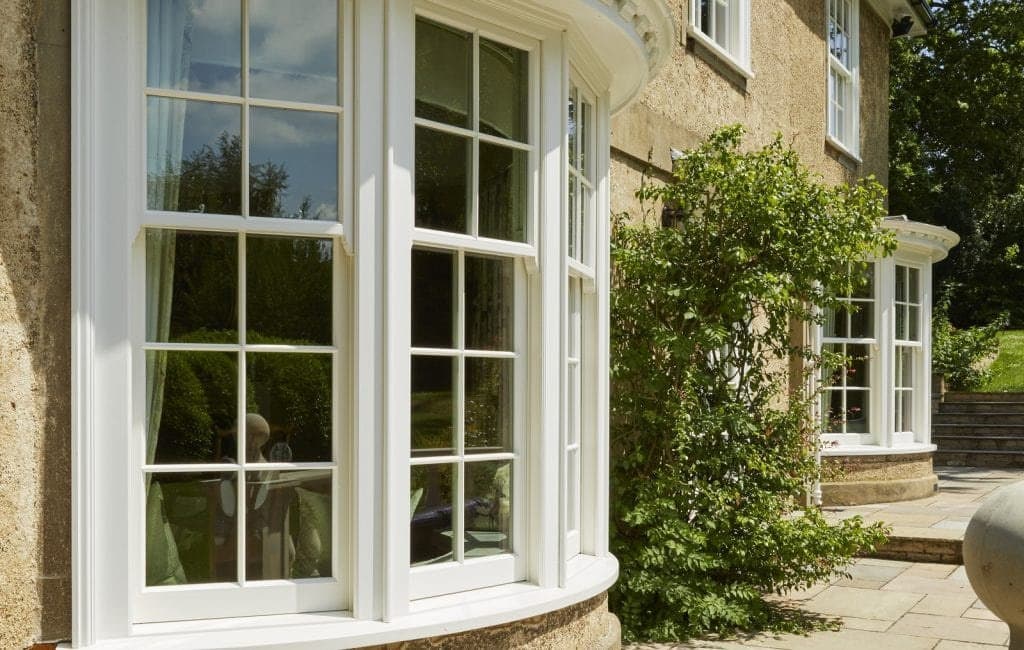
Are Sash Windows More Expensive? A Complete Guide to Sash Window Costs
Sash windows, celebrated for their classic elegance and historical charm, are often associated with period properties, but they've also become popular in modern...
Are Timber Windows more expensive? (Timber vs Aluminium Windows)
In this article, we'll comparetimber windowsandaluminium windowsin terms of cost, performance, and longevity to help you make an informed decision.
Are Wood Windows Worth the Cost?
When choosing new or replacement windows, cost is often a major factor for homeowners. Timber windows are frequently perceived as a more expensive option compar...