.svg)







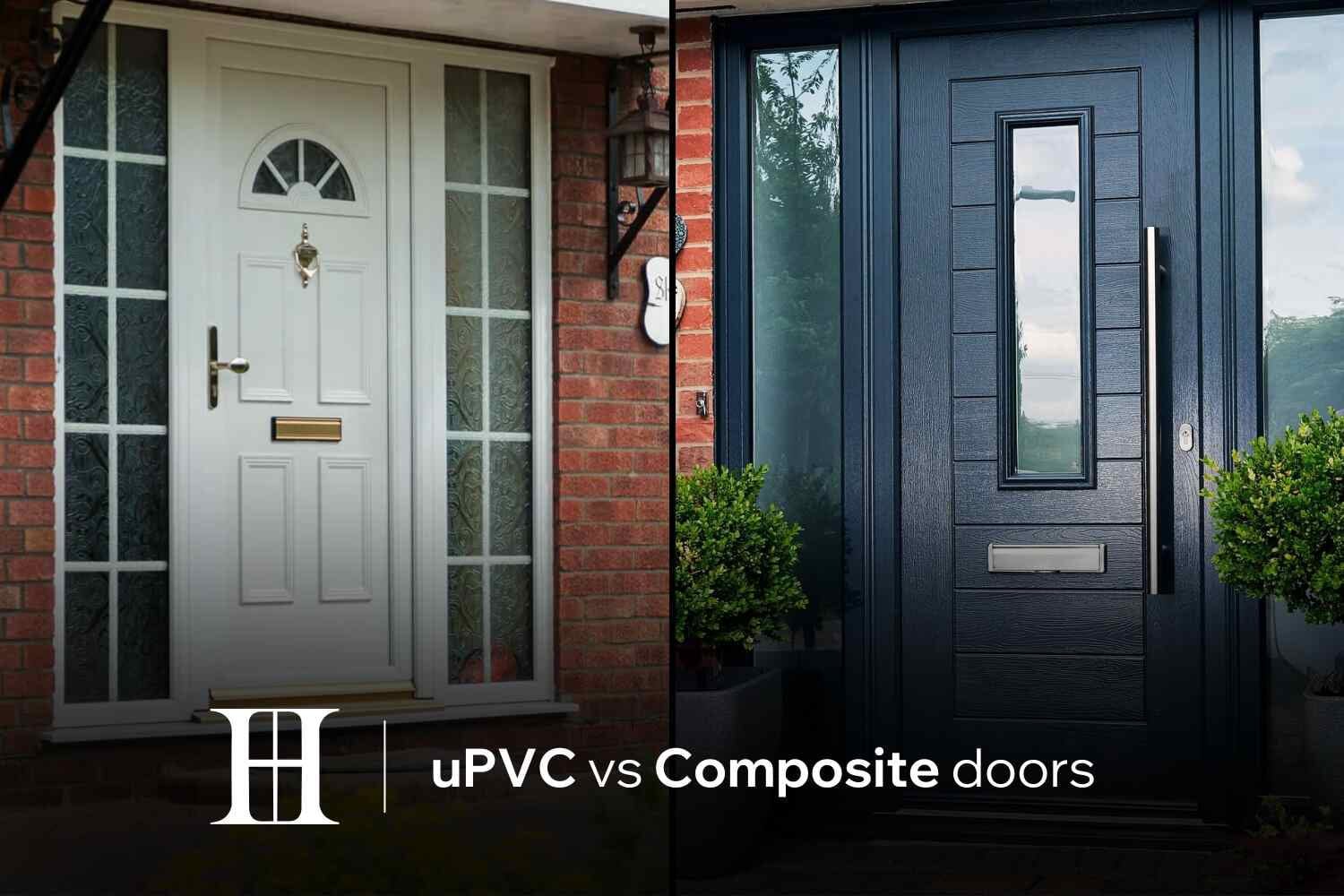

uPVC vs Composite Doors: Which is Best?
Table of Contents
Quick Answer
uPVC doors cost 500 to 1,200 and offer good insulation and low maintenance but can fade and flex over time. Composite doors cost 800 to 2,000 and are made from a combination of materials including GRP, timber, insulating foam, and uPVC, providing superior strength, security, and thermal performance. Composite doors are more resistant to warping, fading, and forced entry, making them the better choice for front doors.
Key Takeaways
- A uPVC front door typically lasts between 20 and 25 years with proper care.
- Composite doors offer a longer lifespan of 30-35 years compared to 20-25 years for uPVC, along with superior security, insulation.
- Composite doors typically last 30–35 years, depending on maintenance and usage.
- Choosing a lighter colour or a door from a reputable manufacturer with proven thermal performance testing can minimise this risk.
- Upgrading from a uPVC door to a composite door can be worthwhile.
When choosing a front door many people are torn between uPVC doors and composite doors.
A composite door stands out because of its unique features and benefits such as longevity, extra security and more design options. Both have their benefits but which one is right for you? This guide will break down the differences, pros and cons so you can make an informed decision.
What Are Composite and uPVC Doors?
When it comes to choosing a new door for your home understanding the materials and construction of composite and uPVC doors is key.
Composite doors are made from a mix of materials including wood, plastic and metal which are pressed together under high pressure.
This results in a door that is super strong and durable. uPVC doors are made from unplasticised polyvinyl chloride (uPVC) a type of plastic known for its durability and low maintenance. Both types of doors have their benefits so are popular with homeowners.
Definition and Materials
Composite Doors
What are Composite Doors?
Composite doors are made from a combination of materials, a solid timber core, glass reinforced plastic (GRP) and an insulated frame. A uPVC door is known for its durability, low maintenance and looks, so is a cost effective and energy efficient option for homeowners.
Composite Doors Features:
- Durability:Can withstand any weather and won’t warp or fade.
- Thermal Efficiency:Insulation reduces your bills and keeps your home warm all year.
- Security:Multi-point locking systems.
- Low Maintenance:Just wipe with a damp cloth.
- Customisation:Available in various styles, colours and finishes, including decorative glass panels.
- Door Furniture:Add functionality and style to your composite doors with door furniture such as handles and letterboxes for security and style.
Design and Aesthetics
Composite doors are versatile in design and aesthetics. They can look like traditional timber doors but with the benefits of modern materials. Available in many styles, colours and finishes composite doors can be tailored to any home’s exterior. Whether you like a classic look with decorative glass panels or a modern design composite doors have plenty of options. This means you can have the perfect balance of style and functionality.
Security
Security is top of the list for any homeowner and composite doors deliver. They have advanced multi-point locking systems that lock the door at multiple points along the frame making it very hard for intruders to get in. The solid timber core and reinforced materials in composite doors add an extra layer of security. Compared to timber doors composite doors have more security features so you can have peace of mind.
By adding these sections the article now covers both composite and uPVC doors so you can make an informed decision based on your needs and wants.
uPVC Doors
uPVC (unplasticised polyvinyl chloride) doors are a cost effective and popular option. Lightweight and durable they are energy efficient and low maintenance.
Wooden doors require more maintenance, are less durable and offer less insulation than uPVC doors.
uPVC Doors Features:
- Cost effective: uPVC doors are much cheaper than composite doors.
- Energy Efficient: Multi-chambered frames.
- Weather Resistant: Won’t rot, rust or corrode in damp conditions.
- Low Maintenance: Wipe with a damp cloth.
- Various Styles: Available in many door styles, uPVC front doors and patio doors.
Comparison Table:Composite Doors vs uPVC Doors
Which Should You Choose?
Composite Windows If...
- You want energy efficiency.
- You’re willing to pay more for long term value.
When comparing uPVC and composite doors remember composite doors are more expensive due to the manufacturing process. But they offer better insulation, lower maintenance and more security features than uPVC doors.
uPVC Windows If...
- You’re on a budget but want energy efficiency and durability.
- You need a low maintenance door for rental properties or secondary entrances.
- You want a lightweight door.
Composite and uPVC Doors FAQs
Which one is better, composite or uPVC doors?
Composite doors are more durable, secure, and energy-efficient than uPVC doors, making them ideal for long-term value. uPVC doors, however, are cheaper and low-maintenance, perfect for budget-conscious homeowners.
Are composite doors worth the extra cost?
Yes, composite doors provide greater durability, thermal efficiency, and enhanced security, making them a worthwhile investment for long-term benefits.
What’s the major drawback of uPVC doors?
uPVC doors lack the premium feel of composite doors and may discolour or crack under extreme weather conditions.
Do composite doors need special frames?
Composite doors fit standard door frames but may require professional installation for a precise and secure fit.
How do composite doors save energy?
Composite doors feature insulated frames and a solid core, which reduce heat loss, lower energy bills, and keep your home warm.
Are composite doors better than uPVC?
Yes, composite doors are better for durability, security, and thermal insulation. uPVC doors are a budget-friendly alternative with lower upfront costs.
What are the disadvantages of a composite door?
Composite doors are more expensive than uPVC doors and require a higher initial investment.
Are composite doors worth the extra money?
Yes, composite doors offer a high return on investment with superior security, energy efficiency, and aesthetic appeal.
What is a major disadvantage of using uPVC material for doors?
uPVC doors can feel less robust and may fade or warp in extreme conditions, impacting their longevity and appearance.
Do uPVC doors look cheap?
uPVC doors are functional and affordable but lack the premium appearance of composite doors.
Do composite doors fade in the sun?
High-quality composite doors are UV-resistant and designed not to fade, even with prolonged sun exposure.
What is the life expectancy of a composite door?
Composite doors typically last 30–35 years, depending on maintenance and usage.
What type of front door is best for full sun?
Composite doors are the best choice for full sun as they resist UV damage and maintain their colour and finish.
Will a composite door make my house warmer?
Yes, composite doors offer excellent thermal insulation, reducing heat loss and keeping your home warmer.
Frequently Asked Questions
In the UK, composite doors typically cost between £1,000 and £2,000 including installation, while uPVC doors generally range from £400 to £900. This means composite doors are roughly double the price of uPVC alternatives. However, composite doors offer a longer lifespan of 30-35 years compared to 20-25 years for uPVC, along with superior security, insulation, and kerb appeal. Many homeowners consider the additional upfront cost a worthwhile investment given the long-term benefits and reduced replacement frequency.
Composite doors are generally more secure than uPVC doors. Their solid timber core and GRP outer layer make them significantly harder to force open or break through. Both door types can be fitted with multi-point locking systems, but the inherent strength of a composite door's multi-material construction provides an additional layer of protection. Composite doors are often tested to PAS 24 security standards, which is the benchmark for enhanced security door sets in the UK. For maximum home security, a composite front door is the recommended choice.
High-quality composite doors are engineered to resist warping, even during the warmer UK summers. Their multi-layered construction, combining a solid timber core with a GRP outer skin, provides dimensional stability across a range of temperatures. However, very dark-coloured composite doors can absorb more heat and may experience slight expansion in extreme heat, which can cause temporary stiffness. Choosing a lighter colour or a door from a reputable manufacturer with proven thermal performance testing can minimise this risk. Most quality composite doors come with guarantees covering warping.
Yes, modern uPVC doors comfortably meet current UK Building Regulations for energy efficiency. Their multi-chambered frames provide effective thermal insulation, and when fitted with double-glazed panels, they achieve U-values that comply with Part L requirements. While uPVC doors are energy efficient, composite doors typically offer even better thermal performance due to their insulated solid core. If maximising energy efficiency is a priority, a composite door with a polyurethane foam core and insulated frame will provide superior heat retention and potentially greater savings on energy bills.
A uPVC front door typically lasts between 20 and 25 years with proper care, while a composite door can last 30 to 35 years. uPVC doors may show signs of ageing sooner, including slight discolouration or surface cracking, particularly if exposed to prolonged direct sunlight. Composite doors maintain their appearance and structural integrity for longer thanks to their UV-resistant GRP layer and robust multi-material construction. Both door types are low maintenance, requiring only occasional cleaning with a damp cloth to keep them looking their best.
Yes, one of the key advantages of composite doors is their ability to convincingly replicate the appearance of traditional wooden doors. The GRP outer layer can be moulded with realistic wood grain textures and is available in a wide range of colours and finishes, including oak, rosewood, and heritage shades. Unlike real wooden doors, composite doors will not require regular painting, staining, or treatment to maintain their appearance. They are an ideal choice for homeowners who want the classic aesthetic of timber without the ongoing maintenance commitment.
Both composite and uPVC doors require very little maintenance compared to traditional timber doors. For both types, regular cleaning with warm soapy water and a soft cloth is usually sufficient to keep them looking fresh. It is advisable to lubricate hinges and locking mechanisms annually with a silicone-based lubricant to ensure smooth operation. Neither door type needs painting or varnishing. The main difference is that uPVC doors may need more frequent cleaning to prevent discolouration over time, while composite doors retain their colour more effectively thanks to their UV-resistant GRP surface.
Upgrading from a uPVC door to a composite door can be worthwhile, particularly if your existing uPVC door is showing signs of wear such as discolouration, reduced security, or poor insulation. A composite door offers improved thermal efficiency, enhanced security with its solid core and multi-point locking, and significantly better kerb appeal. The upgrade can also add value to your property. If your uPVC door is still in good condition and performing well, the upgrade may be less urgent, but for homeowners planning to stay in their property long-term, the investment in a composite door typically pays for itself.
Related Posts
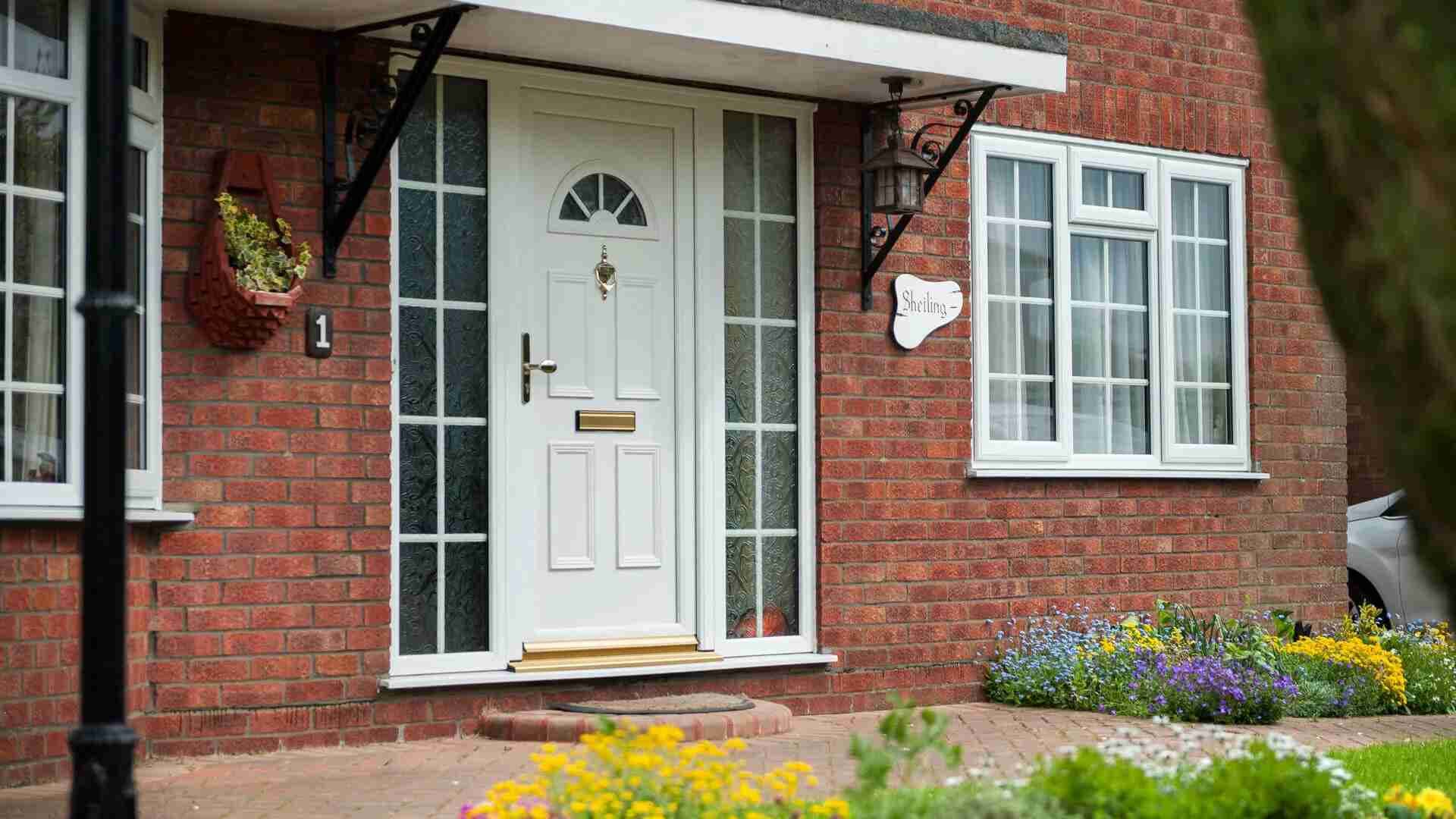
uPVC Doors (Everything you need to know)
In this guide, we’ll explore the key features, styles, and benefits of uPVC doors to help you decide if they’re the right fit for your home.

The Best Safe Front Doors in the UK (2024)
When it comes to securing your home, choosing the right front door is one of the most critical decisions you can make. High security front doors serve as the ma...
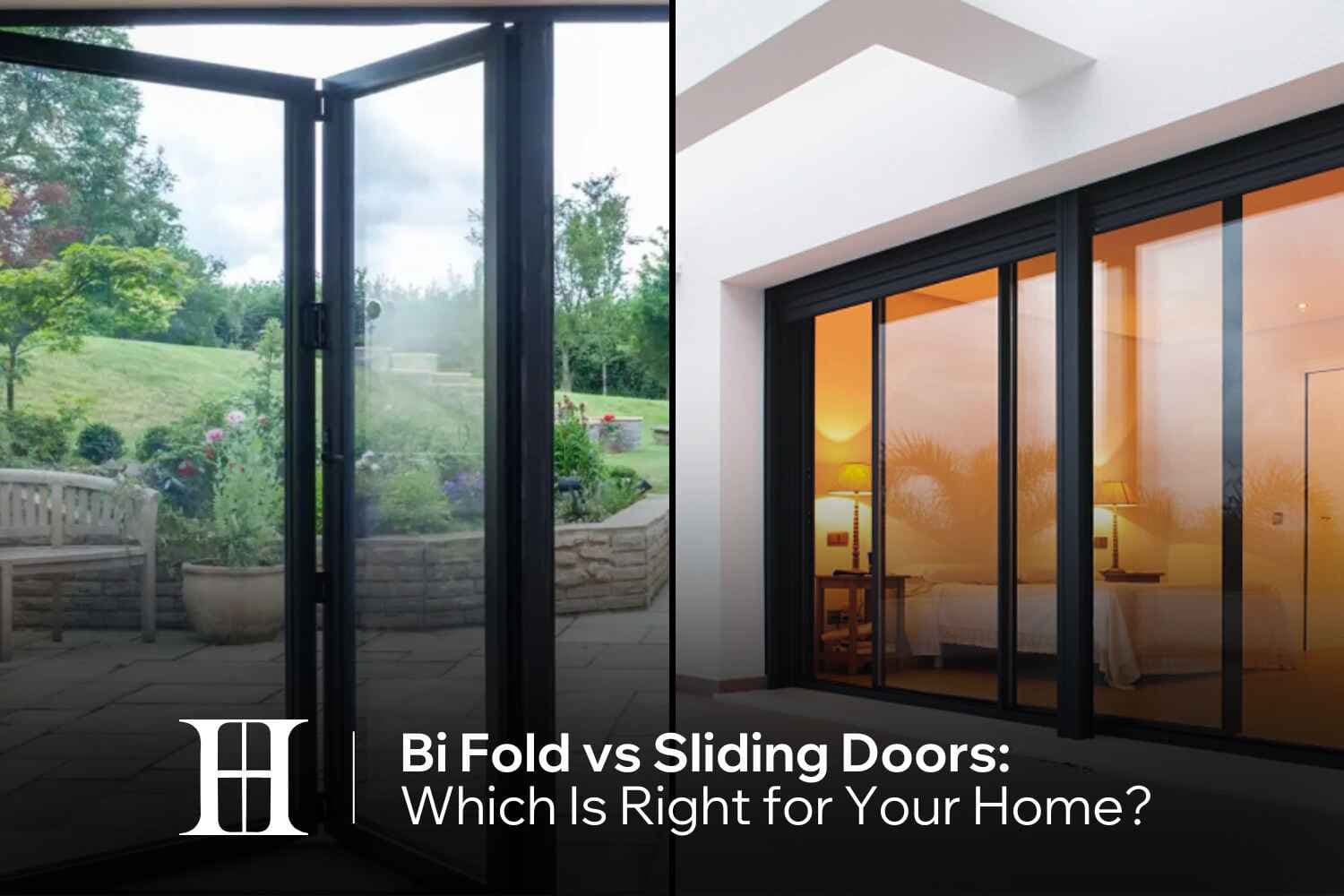
Bi Fold vs Sliding Doors: Which Is Right for Your Home?
When considering doors for your home, the choice often boils down tobi folding doorsorsliding doors. Bi folding doors are known for their functional benefits an...