.svg)








uPVC Windows vs Aluminium Windows: Which is Best for Your Home?
Table of Contents
Quick Answer
uPVC windows cost 250 to 800 per window and offer the best value with low maintenance and good insulation. Aluminium windows cost 650 to 1,500 but provide slimmer frames, larger glass areas, and a premium contemporary aesthetic. Aluminium is stronger, allowing bigger spans, and lasts 40-50 years versus 20-30 years for uPVC. Choose uPVC for budget and period-style homes, aluminium for modern designs and commercial properties.
Key Takeaways
- Aluminium windows can last up to 45 years compared to 20-35 years for uPVC.
- Aluminium windows have a longer expected lifespan than uPVC, typically lasting up to 45 years with minimal maintenance.
- The powder-coated finish is highly durable, resistant to UV fading, chipping, and scratching.
- UPVC Windows: Typically last between 20-35 years. They are resistant to rot and require minimal maintenance.
- Aluminium Windows: Can last up to 45 years due to their durable, rust-resistant properties. This makes them a more cost-effective.
When it comes to upgrading your home’s windows, choosing between uPVC and aluminium can be a daunting task.
Both materials have their own advantages and disadvantages, and your decision will depend on various factors, such as budget, aesthetics, and long-term maintenance.
AtHarrington Windows, we're here to help you make an informed decision so you can choose the best windows for your needs.
Why Choosing the Right Window Material Matters
Upgrading your windows is one of the most significant investments you can make for your property. Quality windows enhance energy efficiency, improve security, and add value to your home. But deciding betweenuPVC windowsandaluminium windowscan be tricky as each material has its own set of benefits.
For a deeper dive intocasement windows, check ourcasement window page.
What are uPVC Windows?
uPVC (unplasticised polyvinyl chloride)windows are widely popular due to their affordability, energy efficiency, and low maintenance. These windows are durable and resistant to rot, making them a practical choice for homeowners who want a long-lasting, budget-friendly option.
Benefits of uPVC Windows
- Energy Efficient: Provides excellent thermal insulation, reducing energy bills.
- Low Maintenance: Requires minimal upkeep—just occasional cleaning.
- Durable: Resistant to rot, rust, and corrosion.
- Cost-Effective: More affordable than aluminium while still offering excellent performance.
Learn more about theadvantages of uPVC windowshere.
What are Aluminium Windows?
Aluminium windows are known for their sleek, modern look and robust durability. These frames are slim, allowing for larger panes of glass and more natural light. They’re ideal for contemporary homes or properties that require a more industrial aesthetic.
Benefits of Aluminium Windows
- High Durability: Lasts up to 45 years with minimal maintenance.
- Strong and Lightweight: Can support larger glass panels without compromising strength.
- Modern Aesthetic: Offers a sleek, slim profile perfect for modern homes.
- Weather Resistant: Aluminium doesn’t warp or rot, making it perfect for the UK’s varied climate.
For more on how aluminium windows can enhance your property, explore ouraluminium windows guide.
uPVC vs Aluminium:A Detailed Comparison
Verdict:
If you're looking for a cost-effective solution with great insulation,uPVC windowsmay be the better option. For a modern, stylish look with longevity,aluminium windowsare worth the investment.
Which Material is More Energy Efficient?
Historically,uPVC windowswere considered more energy-efficient due to their superior insulation properties. However, advancements inaluminium window technology, such as thermal breaks, have levelled the playing field. Modern aluminium windows can now match, if not exceed, the thermal performance of uPVC.
For tips on enhancing energy efficiency, check out ourdouble glazing benefits.
Maintenance and Longevity
One of the biggest advantages of both uPVC and aluminium windows is their low maintenance. However, they differ slightly in terms of longevity:
- uPVC Windows: Typically last between 20-35 years. They are resistant to rot and require minimal maintenance.
- Aluminium Windows: Can last up to 45 years due to their durable, rust-resistant properties. This makes them a more cost-effective choice in the long run despite the higher initial cost.
For more insights, read our guide onreplacing glass in timber windows.
Security Features
Both uPVC and aluminium windows offer excellent security, especially when fitted with multi-point locking systems. However, aluminium frames tend to be more robust due to their metal structure, providing additional peace of mind against break-ins.
To enhance your home's security, explore oursecure door optionshere.
Aesthetic Appeal and Customisation Options
- uPVC Windows: Available in a wide range of styles and finishes, including wood-effect options that mimic traditional timber windows. Ideal for both period and modern homes.
- Aluminium Windows: Known for their slim profiles and contemporary look. These frames can support larger panes, maximising natural light.
If you’re renovating a period property, considerflush sash windowsfor a seamless fit. Visit ourflush sash window page.
Cost Comparison: uPVC vs Aluminium
WhileuPVC windowsare generally cheaper upfront,aluminium windowsare more durable and may prove to be more cost-effective over time due to their longer lifespan. For example:
- uPVC Window Cost: Starting at approximately £250 per window.
- Aluminium Window Cost: Starting at approximately £500 per window.
For tips on budgeting for new windows, see our article onhow much to budget for windows in the UK.
Conclusion: Which is Better for Your Home?
The choice betweenuPVC and aluminium windowsultimately depends on your specific needs:
- ChooseuPVCif you’re on a budget, prioritise insulation, or have a traditional property.
- Choosealuminiumif you’re looking for a sleek, modern aesthetic with minimal maintenance.
If you’re still unsure, explore our guide onwhich windows are best for your home.
Frequently Asked Questions
Aluminium windows are often the preferred choice for modern and contemporary homes due to their slim frame profiles, which allow for larger glass areas and more natural light. Their sleek, minimalist appearance complements modern architectural styles particularly well. However, uPVC windows are available in a wide range of finishes, including modern designs, and offer excellent energy efficiency at a lower price point. The best choice depends on your aesthetic preferences, budget, and how much importance you place on achieving that ultra-slim, contemporary look.
In the UK, aluminium windows typically start from around £500 per window, while uPVC windows start from approximately £250 per window, both including installation. This means aluminium windows are roughly double the price of uPVC. However, aluminium windows can last up to 45 years compared to 20-35 years for uPVC, making them potentially more cost-effective over the long term. The total cost of a window installation project will also depend on the number of windows, sizes, glazing specification, and any bespoke design requirements.
Modern aluminium windows with thermal break technology are designed to minimise condensation issues. The thermal break is an insulating barrier within the frame that prevents cold outside temperatures from transferring to the inner frame surface. Without a thermal break, aluminium's high conductivity could lead to cold inner surfaces and condensation. When specifying aluminium windows, always ensure they feature a polyamide thermal break. High-quality thermally broken aluminium windows perform comparably to uPVC in terms of condensation resistance and are suitable for the UK climate.
Both materials have environmental considerations. Aluminium is highly recyclable and can be recycled indefinitely without losing quality, making it an excellent choice from a circular economy perspective. Approximately 75% of all aluminium ever produced is still in use today. uPVC is also recyclable, though the recycling process is more complex and less widely available. uPVC's superior natural insulation properties mean less energy is needed during the life of the window. On balance, aluminium has a slight edge for recyclability, while uPVC performs well for in-use energy efficiency.
Yes, aluminium windows are available in an extensive range of colours through powder coating, which is a durable factory-applied finish. The RAL colour chart offers over 200 standard colours, from classic white and black to bold blues, greens, and reds. Dual-colour options are also available, allowing you to have one colour on the exterior and a different colour on the interior. The powder-coated finish is highly durable, resistant to UV fading, chipping, and scratching, and typically comes with a guarantee of 25 years or more.
Yes, modern uPVC windows provide excellent security for ground floor rooms. Quality uPVC windows feature multi-point locking systems, reinforced steel within the frame for added strength, and can be fitted with laminated or toughened glass for additional protection. Many uPVC windows are tested and certified to PAS 24 enhanced security standards, which is the recognised UK benchmark for residential security. When installed by a reputable company, uPVC windows offer a high level of protection against forced entry and are suitable for all floor levels of a property.
Aluminium windows have a longer expected lifespan than uPVC, typically lasting up to 45 years with minimal maintenance, compared to 20-35 years for uPVC windows. Aluminium frames are inherently resistant to rust, corrosion, and weather damage, and the powder-coated finish maintains its appearance for decades. uPVC frames, while durable, can eventually discolour or become brittle after prolonged UV exposure. Both window types require very little maintenance, but the extended lifespan of aluminium can make them a more cost-effective choice over the lifetime of a property.
Yes, you can replace uPVC windows with aluminium in a semi-detached house. Under permitted development rights, window replacements generally do not require planning permission as long as the new windows are of a similar appearance and comply with Building Regulations. The installation must be carried out by a FENSA-registered installer or have local authority Building Control sign-off. If your property is in a conservation area or is a listed building, additional approvals may be required. An experienced installer can advise on any specific requirements for your property.
Related Posts
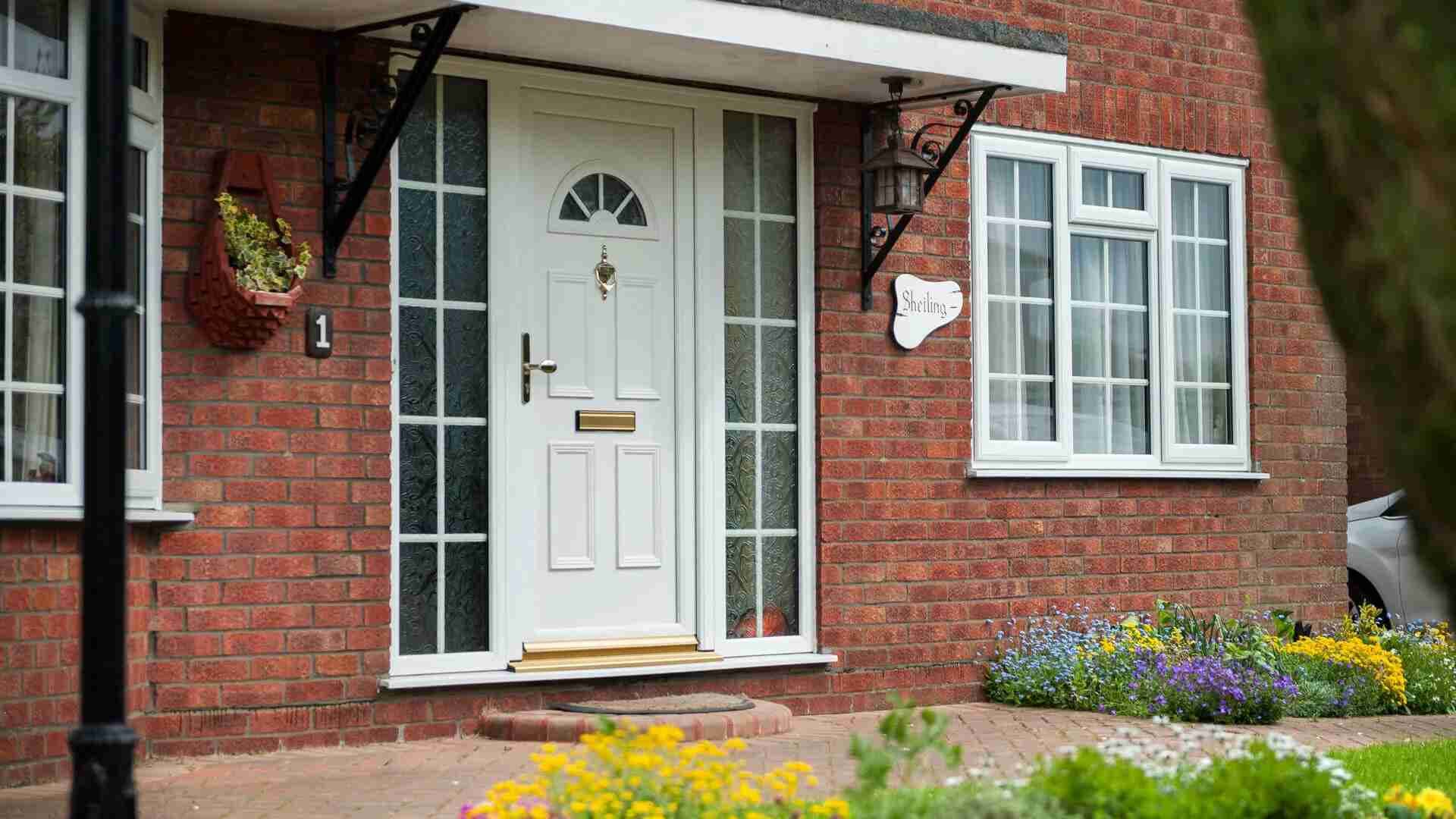
uPVC Doors (Everything you need to know)
In this guide, we’ll explore the key features, styles, and benefits of uPVC doors to help you decide if they’re the right fit for your home.
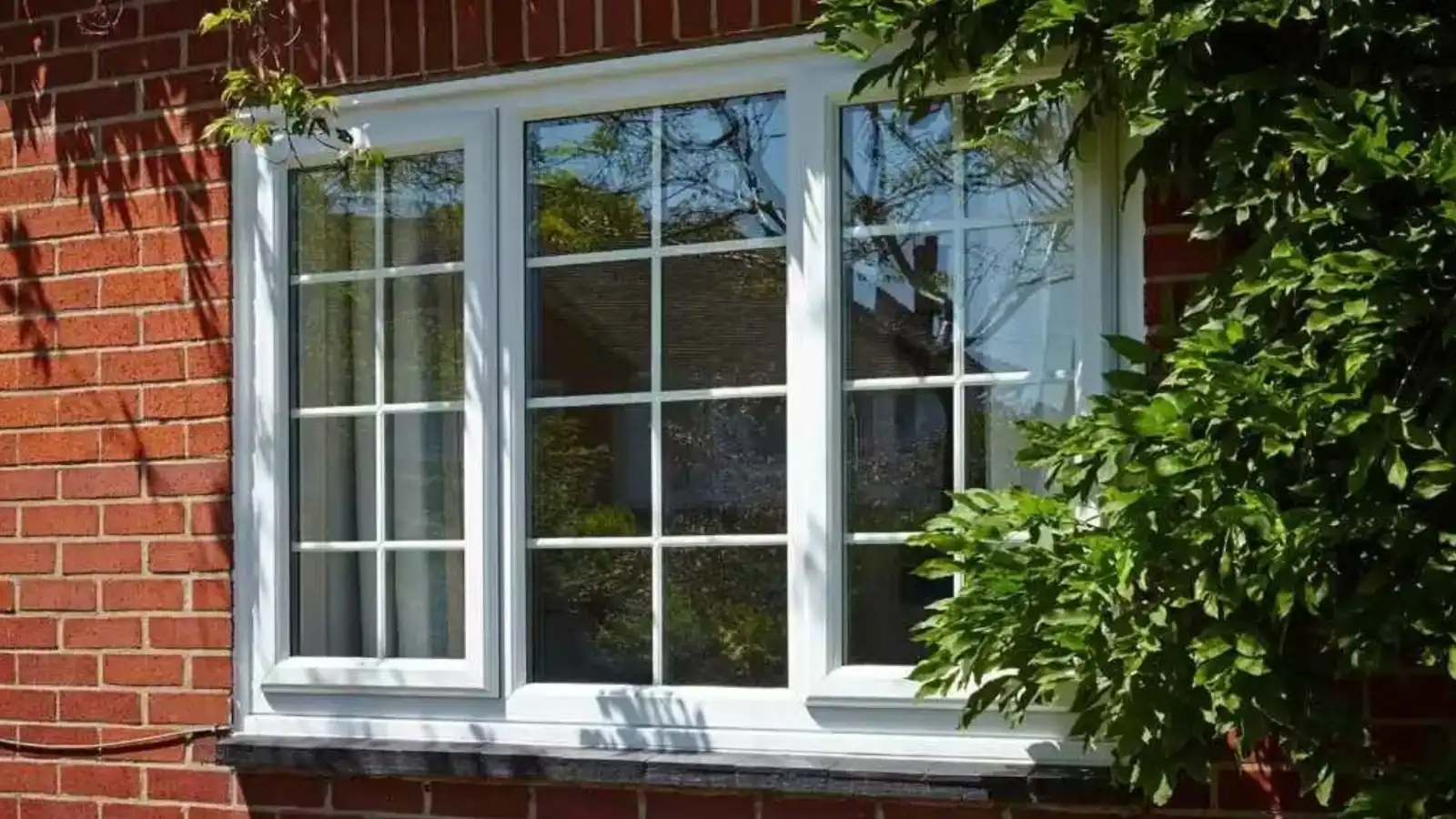
Georgian uPVC Windows: Prices, Colours & Conservation Area Guide
Georgian uPVC windows are a modern adaptation of the traditional Georgian window design, combining the architectural significance and aesthetic appeal of window...
Is uPVC Strong? Durability Tests, Lifespan Data & Steel Reinforcement Explained
In this guide, we'll explore thestrength, durability, and benefits of uPVC windows, and why they might be the ideal choice for your home if you're looking for a...