.svg)


What Is a Gliding Sash Window?
Table of Contents
Quick Answer
A gliding sash window, also known as a horizontal sliding window, features two or more sashes that slide sideways along a track rather than vertically. They offer easy operation, wide opening areas for ventilation, and are simpler to maintain than vertical sash windows. Gliding sash windows are popular in modern and contemporary homes, costing 400 to 1,200 in uPVC and 800 to 2,000 in aluminium.
Key Takeaways
- Both types can be fitted with double or triple glazing for energy efficiency.
- When fitted with double or triple glazing, gliding sash windows provide good sound insulation.
- Gliding sash windows in the UK typically cost between £300 and £800 per window including installation.
- Double-glazed units are standard, with triple glazing adding approximately 15-25% to the overall cost.
- They provide effective ventilation control, which is particularly important in conservatories that can become very warm in summer.
Gliding sash windows are a versatile and modern take on traditional sash windows. Unlike classic sliding sash windows, gliding sash windows offer smoother functionality, improved energy efficiency, and a contemporary design.
But what exactly makes a gliding sash window unique, and why might it be the perfect choice for your home?
In this guide, we’ll dive into the definition, features, and benefits of gliding sash windows, comparing them to other popular window types to help you decide if they are the right fit for your property.
What Are Gliding Sash Windows?
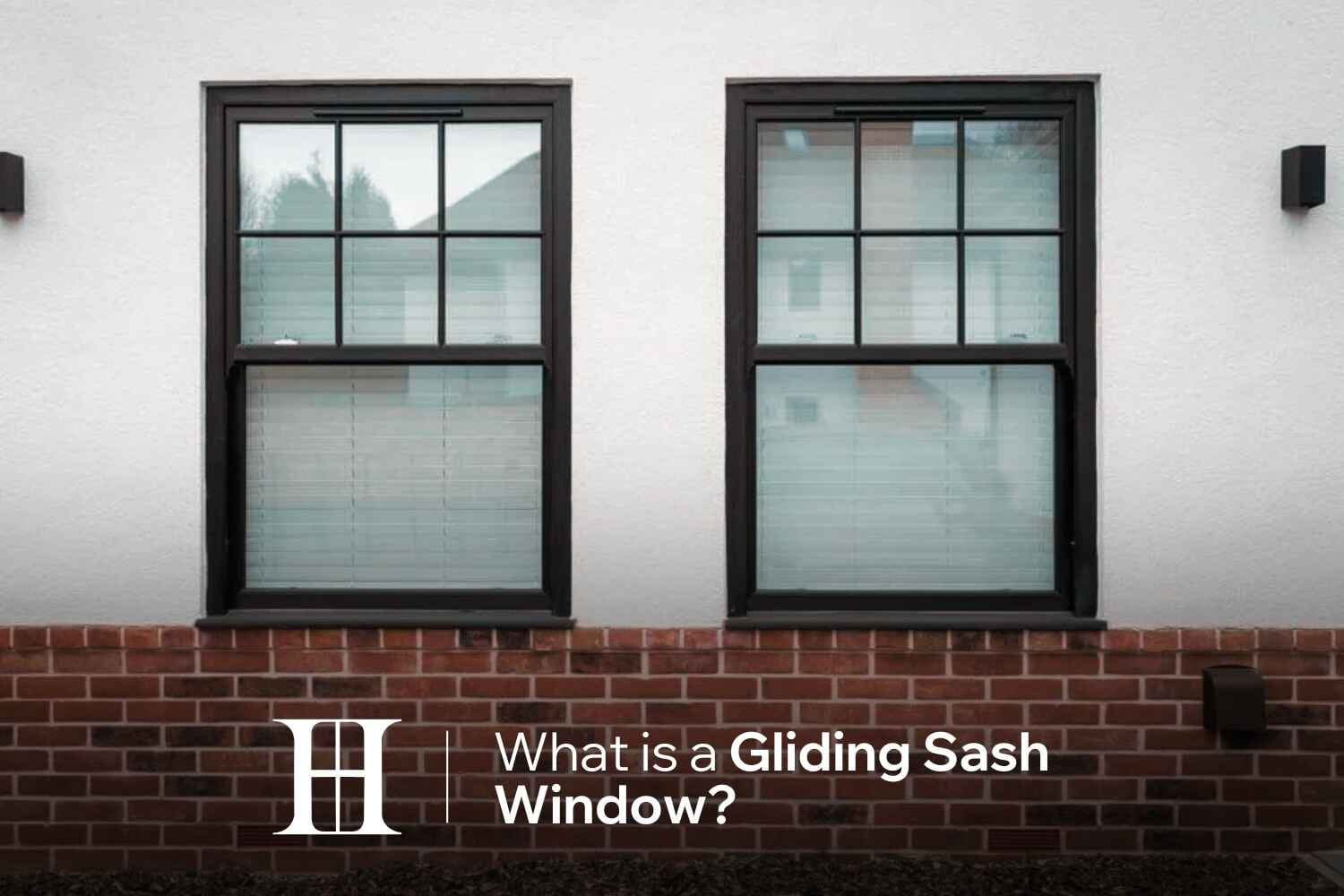
Gliding sash windows, also known as horizontal sliding windows, consist of one or more sashes that slide horizontally within a track. This innovative design combines the charm of traditional sash windows with the practicality of modern window technology.
Key Features of Gliding Sash Windows
- Horizontal Sliding Mechanism: Unlike traditional sash windows, which operate vertically, gliding sash windows slide side to side for a sleek, contemporary aesthetic.
- Low-Maintenance Frames: Typically made from durable materials like uPVC, timber, or aluminium, gliding sash windows are easy to maintain.
- Enhanced Insulation: Double or triple glazing options ensure improved thermal performance and soundproofing.
- Compact Design: Perfect for spaces where outward-opening windows aren’t practical.
What Are the Benefits of Gliding Sash Windows?
1. Space Efficiency
The horizontal sliding mechanism allows gliding sash windows to save space, making them ideal for rooms where vertical openings or outward-opening windows may not be suitable.
2. Improved Ventilation
Gliding sash windows can be partially opened to control airflow while maintaining security, making them perfect for kitchens, bathrooms, and bedrooms.
3. Energy Efficiency
When fitted with double glazing, gliding sash windows reduce heat loss, keeping your home warm in the winter and cool in the summer. Learn more about the benefits of double glazing.
4. Modern Aesthetic
With their streamlined design and customisation options, gliding sash windows bring a fresh, contemporary look to any property.
How Do Gliding Sash Windows Compare to Other Window Types?
If you’re comparing window styles, explore our range ofcasement windowsfor a different perspective on space-saving and energy efficiency.
Are Gliding Sash Windows Right for You?
Choosing the perfect window for your home depends on your priorities, whether it’s energy efficiency, space-saving, or aesthetics. Gliding sash windows are ideal for:
- Modern homes looking for a sleek and functional design.
- Properties with limited space where traditional opening windows may not be practical.
- Homeowners seeking a durable, energy-efficient window solution.
If these features align with your needs, gliding sash windows might be the perfect choice. For a more traditional aesthetic, considertimber sash windows.
Maintenance and Longevity of Gliding Sash Windows
One of the standout benefits of gliding sash windows is their low-maintenance design. Materials like uPVC and aluminium are resistant to warping, rotting, and weather damage, ensuring longevity. Regular cleaning and occasional lubrication of the sliding track will keep your windows operating smoothly for years.
Looking for maintenance tips? Visit our blog onhow to care for your sash windows.
Frequently Asked Questions About Gliding Sash Windows
What is the difference between gliding sash windows and sliding sash windows?
Gliding sash windows slide horizontally, while traditional sliding sash windows move vertically. This difference in motion makes gliding sash windows more compact and suitable for specific spaces.
Are gliding sash windows energy efficient?
Yes, when fitted with double or triple glazing, gliding sash windows offer excellent thermal performance, reducing heat loss and helping lower energy bills.
What materials are used in gliding sash windows?
Gliding sash windows are typically made from materials like uPVC, aluminium, or timber. Each material offers unique benefits, such as durability, aesthetics, and thermal efficiency.
Do gliding sash windows require special installation?
While the installation process is straightforward, it’s essential to hire professionals to ensure the windows are properly fitted and sealed for maximum performance.
Can I customise the design of gliding sash windows?
Absolutely! Gliding sash windows come in a range of colours, finishes, and frame styles, allowing you to match them perfectly with your home’s design. Explore our customisation options for sash windows.
Conclusion:The Modern Appeal of Gliding Sash Windows
Gliding sash windows combine the elegance of traditional sash windows with the efficiency of modern design. Their space-saving mechanism, energy efficiency, and customisation options make them an excellent choice for any home. Whether you’re upgrading your property or building from scratch, gliding sash windows deliver style, functionality, and durability.
Ready to transform your home?Contact us todayto explore our range of gliding sash windows and find the perfect fit for your needs!
Frequently Asked Questions
Gliding sash windows in the UK typically cost between £300 and £800 per window including installation, depending on the frame material, size, and glazing specification. uPVC gliding sash windows are at the lower end of this range, while aluminium and timber options command higher prices. Double-glazed units are standard, with triple glazing adding approximately 15-25% to the overall cost. The total expense for a project also depends on the number of windows, accessibility of the installation site, and any structural modifications needed to accommodate the horizontal sliding mechanism.
The key difference lies in the direction of movement. Gliding sash windows slide horizontally along a track, with one or more sashes moving from side to side. Traditional sliding sash windows, also known as vertical sliding sash windows, have sashes that move up and down within the frame. Gliding sash windows are a more modern design that saves space and works well in rooms where vertical sliding is impractical. Vertical sliding sash windows are the classic British design associated with Georgian and Victorian architecture. Both types can be fitted with double or triple glazing for energy efficiency.
Yes, modern gliding sash windows offer excellent security when fitted with appropriate locking mechanisms. Quality gliding sash windows feature multi-point locking systems that secure the sash at several points along the track, making them difficult to force open from outside. Many models also include a restrictive opening position that allows ventilation while preventing the window from being fully opened, which is particularly useful for ground-floor rooms and children's bedrooms. When selecting gliding sash windows, look for models tested to PAS 24 enhanced security standards for maximum peace of mind.
Yes, gliding sash windows are an excellent choice for conservatories. Their horizontal sliding mechanism does not protrude outward, making them ideal for spaces where furniture or plants may be positioned close to the windows. They provide effective ventilation control, which is particularly important in conservatories that can become very warm in summer. The large glass areas available with gliding sash windows maximise natural light, enhancing the open, airy feel of a conservatory. Both uPVC and aluminium gliding sash windows are suitable for conservatory use, with aluminium offering slimmer frames for a more contemporary appearance.
Gliding sash windows are straightforward to clean. The frames should be wiped down regularly with warm soapy water and a soft cloth. The sliding track should be vacuumed periodically to remove dust and debris that could affect smooth operation, and a silicone-based lubricant can be applied to the track annually. For the glass, standard glass cleaner or a mixture of water and white vinegar works well. Some gliding sash window designs allow the sashes to be lifted out of the track for easier cleaning, which is particularly helpful for windows on upper floors where external access is limited.
Yes, modern gliding sash windows meet UK Building Regulations when properly specified and installed. Under Part L (Conservation of Fuel and Power), replacement windows must achieve a minimum U-value of 1.6 W/m2K or a Window Energy Rating of band C or above. Quality double-glazed gliding sash windows comfortably meet and often exceed these requirements. The installation must be carried out by a FENSA-registered installer who will self-certify compliance, or alternatively, a local authority Building Control inspection can be arranged. Part N (Glazing Safety) requirements must also be met where applicable.
Gliding sash windows are well-suited for bedrooms for several reasons. Their horizontal sliding mechanism allows for precise ventilation control, letting you open the window just enough for fresh air overnight without fully exposing the room. Many models include a secure night-vent position that allows limited opening while remaining locked. When fitted with double or triple glazing, gliding sash windows provide good sound insulation, helping to reduce external noise for a better night's sleep. Their space-saving design also means they do not swing into the room, leaving more usable floor space for bedroom furniture.
Related Posts
Are Sash Windows More Expensive? A Complete Guide to Sash Window Costs
Sash windows, celebrated for their classic elegance and historical charm, are often associated with period properties, but they've also become popular in modern...
Box Sash Windows vs Spring Balanced Sash Windows: Which is the Best for Your Home?
However, when choosing between box sash windows and spring balanced sash windows, understanding the key differences can help you make the right decision for you...
Double Hung Sash Windows: A Classic and Versatile Choice for Your Home
These windows consist of two moveable sashes that slide vertically, allowing for flexible ventilation and ease of use. Whether you're renovating a period proper...