.svg)


How to Measure Windows for Replacement: UK Step-by-Step Guide (with Diagrams)
Table of Contents
Quick Answer
To measure windows for replacement, measure the width at three points (top, middle, bottom) and use the smallest measurement. Then measure the height at three points (left, centre, right) and again use the smallest. Measure in millimetres for accuracy. For the depth, measure the frame from front to back. Always deduct 10mm from width and height for fitting tolerances.
Key Takeaways
- For example:If your smallest width measurement is 1,200mm, your final measurement should be recorded as1,190mm.
- Replacement windows should typically be 10mm smaller than the opening in both width and height.
- To measure for replacement: 1) Measure width at top, middle, and bottom—use the smallest measurement minus 10mm.
- Always use a metal tape measure as cloth tapes can stretch and give inaccurate readings.
- A qualified installer can ensure that yourwindow replacement measurementsare precise, saving you time, money.
Measuring your windows accurately is the first and most crucial step when planning a replacement project.
Incorrectwindow measurementscan lead to ill-fitting windows, drafts, and even additional costs. Whether you’re looking to replace a single window or planning a full-scale renovation, understandinghow to measure a windowproperly will save you time and money. In this guide, we’ll walk you through the step-by-step process to get precise measurements for your new windows.
Whether you’re working withuPVC,timber, ordouble glazed windows, this guide covers everything you need to know abouthow to measure windows for replacementin the UK.
Tools You’ll Need for Measuring Windows
Before you start, gather the necessary tools to ensure your measurements are accurate:
- Tape Measure: Preferably a metal one for greater precision.
- Notepad and Pen: To record your measurements clearly.
- Spirit Level: Ensures accuracy when checking for square.
- Step Ladder: If you need to measure windows located higher up.
- Smartphone or Camera: Optional, but useful for taking reference photos.
How to Measure a Window: The Basics
To get the correctwindow replacement measurements, it’s crucial to measure both the width and height of your window in several places. Here’s a general overview of how to get started:
1. Measure the Width
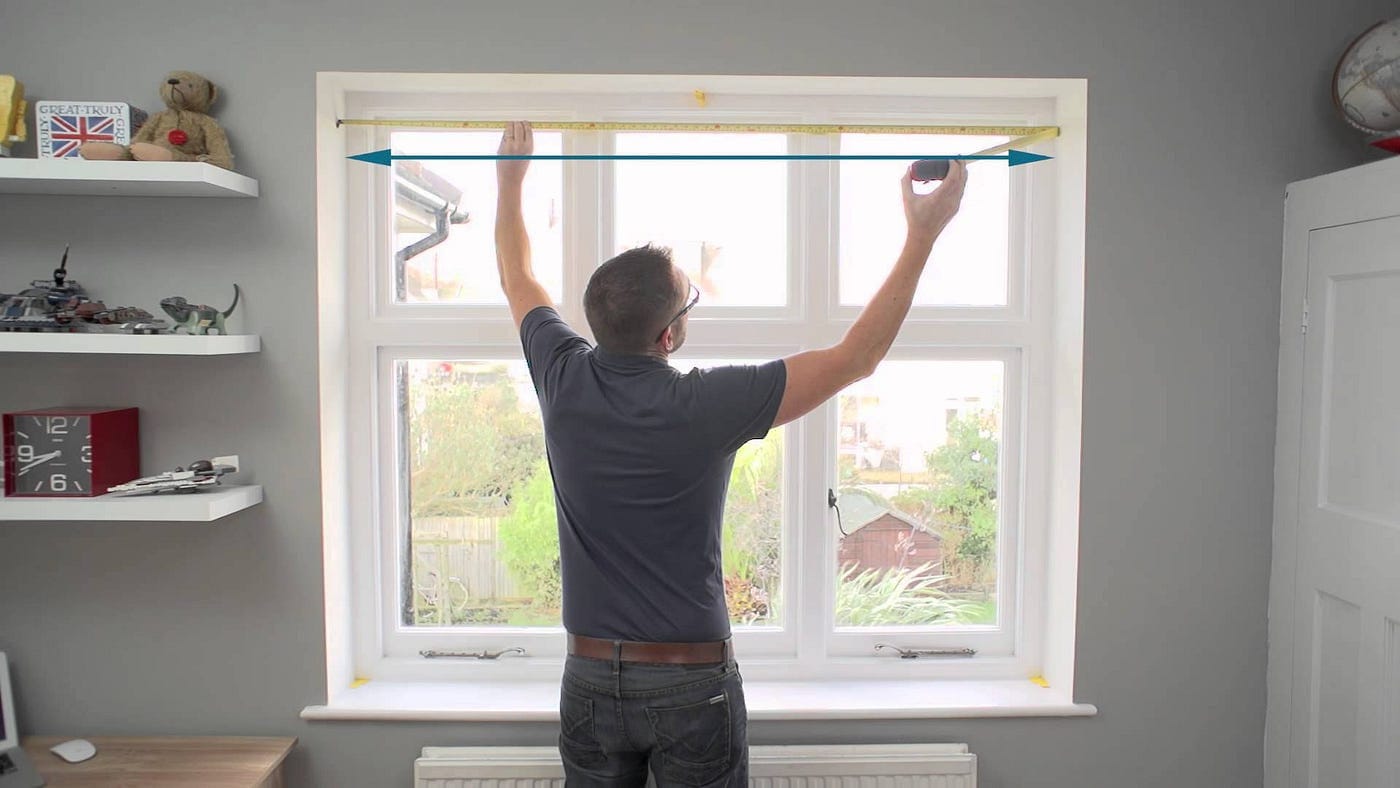
Begin by measuring the width of the window at three different points:top, middle, and bottom. This helps account for any variations or irregularities in the window frame.
- Top Width: Measure from the inside of the left frame to the inside of the right frame.
- Middle Width: Repeat this process in the middle of the frame.
- Bottom Width: Measure the width at the bottom of the window frame.
Record the smallest measurementas your final width. This ensures that your new window will fit snugly without any gaps.
2. Measure the Height
Next, measure the height of the window at three different points:left, centre, and right.
- Left Height: Measure from the top inside frame to the bottom of the windowsill.
- Centre Height: Measure the height in the middle of the frame.
- Right Height: Measure from the top to the bottom on the right side.
Again,record the smallest height measurementto ensure an accurate fit.
3. Measure the Depth (if Necessary)
For some replacement projects, especially if you’re installingdouble glazed windowsor auPVC window, you may need to measure the depth of the window frame. Use a spirit level to measure the distance from the interior to the exterior part of the window frame.
Tip: If you’re unsure whether depth measurements are needed, consult your window supplier or installer.
How to Measure Windows for Replacement in the UK: Detailed Steps
Here’s a more detailed breakdown of how to get perfectwindow measurements:
1. Check for Squareness
Before taking your final measurements, it’s essential to check if your current window opening is square. If it’s not, your new window may need to be custom-made to fit.
- Use aspirit levelto measure diagonally from the top left corner to the bottom right corner.
- Next, measure diagonally from the top right corner to the bottom left corner.
- If the two measurements are equal, your window opening is square. If they differ, note down the discrepancy, as it may affect your choice of replacement windows.
2. Measure the Width with a 10mm Deduction
When measuring the width forwindow replacement measurements, always deduct10mmfrom the smallest measurement. This allows space for the new window to be installed with an adequate sealant or caulking, ensuring a tight fit.
For example:If your smallest width measurement is 1,200mm, your final measurement should be recorded as1,190mm.
3. Measure the Height with a 10mm Deduction
Repeat the same process for the height, deducting10mmfrom the smallest height measurement.
For example:If your smallest height measurement is 1,000mm, your final measurement should be990mm.
4. Measure the Window Sill (if Applicable)
If your windows include a built-in sill, make sure to measure its width and depth separately. This will ensure your new window fits seamlessly into your existing structure.
- Measure the width of the sill from the inside frame to the outer edge.
- Measure the depth of the sill to ensure a precise fit.
5. Measure for Double Glazing
Forhow to measure windows for double glazing, the process is the same as above. However, it’s important to ensure that you’re accounting for the added thickness of double glazing panes if you’re replacing single-glazed windows. Confirm these details with your supplier to ensure compatibility.
Common Mistakes to Avoid When Measuring Windows
Even a small error in your measurements can lead to a window that doesn’t fit properly. Here are some common mistakes to avoid:
1. Only Measuring Once
Always measure each dimension at least twice to ensure accuracy. Double-check all measurements before placing your order.
2. Using the Largest Measurement
Never use the largest width or height measurement. Always use the smallest to guarantee a snug fit.
3. Forgetting to Measure the Sill
If your windows have a sill, forgetting to measure it can result in a window that doesn’t sit correctly.
4. Ignoring Squareness
If your window opening isn’t square, it’s crucial to choose a replacement window that can be adjusted to fit or consider hiring a professional installer.
How to Measure a uPVC Window
If you’re specifically measuring for auPVC window, follow the same steps outlined above. However, be aware that uPVC windows often come with more complex frame designs. Here’s what to keep in mind:
- Measure the full width and height, including any external trim or beading.
- Consider the depth of the existing uPVC frame, especially if you’re replacing it with a new style.
When to Hire a Professional
If you’re unsure abouthow to measure windows for replacement UK, or if your windows have an irregular shape, it’s best to consult a professional. A qualified installer can ensure that yourwindow replacement measurementsare precise, saving you time, money, and the hassle of dealing with misfitting windows.
Get Your Windows Measured and Replaced by Experts
Once you have your measurements, try our free window price calculator to see exactly how much your new windows will cost.
Don’t let incorrect measurements lead to costly mistakes. Our expert team can handle yourwindow measurementsand provide a seamless replacement service. Whether you’re replacinguPVC windowsor upgrading todouble glazed windows, we’ll ensure a perfect fit every time.
Frequently Asked Questions
To measure for replacement: 1) Measure width at top, middle, and bottom—use the smallest measurement minus 10mm. 2) Measure height at left, centre, and right—use the smallest measurement minus 10mm. 3) Check diagonals are equal (frame is square). 4) Measure frame depth. Always measure from the inside edges of the existing frame.
Measure windows from inside the house, from the inner edge of the window frame on one side to the inner edge on the opposite side. This gives the 'brick-to-brick' or structural opening measurement needed for replacement windows. Never measure the glass or the visible frame only.
Replacement windows should typically be 10mm smaller than the opening in both width and height. This allows for fitting tolerance, expansion space, and proper sealing. Your installer will use packers and sealant to secure the window in place with the correct gaps.
You need: a metal tape measure (at least 3m), a spirit level to check if frames are plumb, a notepad to record measurements, and optionally a digital angle finder for bay windows. Always use a metal tape measure as cloth tapes can stretch and give inaccurate readings.
Measure each section of the bay window individually (left, centre, right panels). Record the width and height of each section separately. Note the angles between panels using a digital angle finder. Also measure the overall projection of the bay and the ceiling/floor dimensions inside the bay area.
Related Posts

How to Clean Sash Windows: Best Tips for Sparkling Results
Wondering how to clean sash windows effectively? This article will provide you with easy steps and top tips to make your sash windows shine. From removing dust ...
Sash Window Maintenance: How to Clean, Lubricate & Fix Stiff Windows
However, as they age, it’s common for sash windows to become difficult to open and close smoothly. If you’re experiencing sticky or jammed sash windows, don’t w...

Investment-Worthy Window Upgrades and Replacements
New windows not only improve the aesthetics and comfort of a home but also offer significant financial benefits over time.