.svg)






Investment-Worthy Window Upgrades and Replacements
Table of Contents
Quick Answer
The most valuable window upgrades for UK homes are replacing single glazing with A-rated double glazing (saving 100 to 200 per year), upgrading to triple glazing in exposed locations, installing secondary glazing in listed buildings, and switching from timber to low-maintenance uPVC or aluminium. New windows add 5-10% to property value and improve EPC ratings, making them one of the best home improvement investments.
Key Takeaways
- For an average UK home with 8 to 10 windows, expect the work to take 2 to 3 days.
- If your windows are over 20 years old, they likely lack modern energy-efficient features.
- New windows can add significant value to a UK property.
- Industry estimates suggest that quality replacement windows can increase a home's value by 5 to 10%.
- Energy-efficient windows improve the Energy Performance Certificate (EPC) rating, which is increasingly important to buyers.
Investing in quality windows is one of the smartest moves homeowners can make.
New windows not only improve the aesthetics and comfort of a home but also offer significant financial benefits over time.
In this comprehensive guide, we’ll explore the value of replacing your windows, how to budget effectively, and the long-term benefits of high-quality window upgrades.
1. How Much Value Do New Windows Add to a House in the UK?
Replacing old windows with new, energy-efficient models can significantly increase your property’s value.New windows add value to a house in the UKby improving insulation, reducing energy bills, and enhancing the property’s curb appeal. Buyers appreciate the lower energy costs and comfort that new windows provide, making this upgrade a worthwhile investment for any homeowner looking to sell in the future.
2. Are Wood Windows Worth the Cost?
Wood windows have a timeless appeal that suits both period properties and modern homes. Although they tend to be pricier,wood windows are worth the costdue to their durability and aesthetic appeal. When properly maintained, wood windows can last for decades, providing excellent insulation and a natural charm that synthetic materials often can’t match.
3. Cost of Replacing Windows: What to Expect & How to Budget
Replacing windows can be a major expense, so it’s essential to plan your budget carefully.The cost of replacing windowsvaries depending on factors like the type of window, materials, and installation fees. This guide offers insights into typical costs and tips on how to budget effectively, helping you find the best solution without overspending.
4. Signs Your Windows Need Replacing and Why You Shouldn’t Wait
Knowing when to replace your windows can save you from escalating costs and discomfort. Commonsigns your windows need replacinginclude drafts, condensation, difficulty opening or closing, and excessive noise. Waiting too long can lead to higher energy bills, potential water damage, and reduced comfort, making it essential to replace windows as soon as issues arise.
5. A Step-by-Step Guide to Measuring Windows for Replacement
Accurate measurements are crucial when replacing windows to ensure a smooth installation.This step-by-step guide to measuring windowswalks you through the process, covering everything from width and height to depth. Getting precise measurements helps avoid costly adjustments later and ensures that your new windows fit perfectly, maximizing energy efficiency and aesthetics.
6. Window Replacement Hertfordshire: Transform Your Home with High-Quality Windows
For those in Hertfordshire, investing inhigh-quality window replacementscan enhance both the comfort and value of your home. Professional window replacement services provide local expertise and use materials suited to the region’s climate, ensuring durability and energy efficiency. From better insulation to enhanced visual appeal, high-quality windows make a lasting impact on your property.
7. Windows Replacement Price: What You Need to Know
Theprice of window replacementcan vary based on material, size, and customization options. Understanding these pricing factors can help homeowners make informed decisions and budget more accurately. uPVC tends to be the most affordable, while wood and alu-clad options are often more expensive but offer additional benefits in terms of aesthetics and durability.
8. Tired of Drafts? Simple Ways to Make Your Windows Work Better
If drafts are a problem but you’re not ready for a full replacement, there are still ways to improve your windows.Simple solutions for drafty windowsinclude sealing gaps, using insulating window film, and adding weather stripping. These methods can help keep your home warmer and more comfortable, providing a temporary fix until you’re ready for an upgrade.
Why Invest in High-Quality Windows?
Replacing or upgrading windows offers numerous benefits beyond aesthetics.
New, energy-efficient windows can save on heating and cooling costs, improve sound insulation, and increase your property’s market value.
By budgeting effectively, understanding the signs of wear, and selecting the right materials, you can make an investment that enhances your home’s comfort, efficiency, and visual appeal.
Frequently Asked Questions
Yes, new windows can add significant value to a UK property. Industry estimates suggest that quality replacement windows can increase a home's value by 5 to 10%, which could mean an increase of £5,000 to £25,000 depending on the property. Energy-efficient windows improve the Energy Performance Certificate (EPC) rating, which is increasingly important to buyers. Modern windows also dramatically improve kerb appeal, which estate agents cite as one of the most influential factors in achieving a good sale price. The return on investment makes window replacement one of the most worthwhile home improvements.
Key signs that your windows need replacing include persistent draughts even when windows are closed, condensation or misting between double glazed panes indicating seal failure, difficulty opening or closing windows due to warped frames, visible rot or damage to timber frames, excessive outside noise coming through, and noticeably cold areas near windows during winter. If your windows are over 20 years old, they likely lack modern energy-efficient features. Cracked or broken glass, peeling paint on frames, and rising energy bills are also strong indicators that replacement should be considered promptly.
The time to replace windows depends on the number of windows and complexity of the installation. A professional installer can typically replace 3 to 5 standard windows per day. For an average UK home with 8 to 10 windows, expect the work to take 2 to 3 days. Bay or bow windows, bespoke sizes, and windows requiring structural alterations take longer. Installation on listed buildings or in conservation areas may also require additional time for careful finishing. Most reputable installers will provide a clear timeline before starting work and aim to minimise disruption to your daily routine.
Replacing windows before selling a house is generally a worthwhile investment in the UK property market. New windows improve kerb appeal, which is crucial for first impressions during viewings. They address common buyer concerns about energy efficiency, draughts, and maintenance costs. An improved EPC rating can attract environmentally conscious buyers and those looking to reduce running costs. Estate agents frequently recommend window replacement as one of the top improvements for maximising sale price. However, if your existing windows are in good condition and less than 15 years old, the investment may not yield sufficient return.
Spring and early autumn are generally the best times to replace windows in the UK. These seasons offer mild, dry weather conditions that are ideal for installation work. Summer is the busiest period for window installers, so you may face longer waiting times and higher prices. Winter installations are possible but can be uncomfortable as your home will be open to cold air during fitting. Ordering in late winter for spring installation often gives you the best combination of competitive pricing and shorter lead times. Most installations can proceed in any weather except heavy rain or extreme cold.
To measure windows for replacement, measure the width at three points (top, middle, and bottom) and record the smallest measurement. Then measure the height at three points (left, centre, and right) and again record the smallest. Measure from the inside of the frame, not the glass. Also measure the depth of the frame from front to back. If your walls are not perfectly square, note any differences. While these measurements give you a good starting point for budgeting, professional window companies will always conduct their own detailed survey before manufacturing to ensure a perfect fit.
You can absolutely replace windows individually or in stages rather than all at once. Many UK homeowners prioritise the most problematic windows first, such as those with failed seals, draughts, or rot, and replace others over time as budget allows. However, replacing all windows at once typically offers better value through bulk pricing, consistent appearance, and a single installation disruption. Some installers offer phased payment plans or finance options to make whole-house replacements more affordable. If replacing gradually, start with north-facing or most exposed windows for the greatest immediate benefit.
Related Posts

Windows Replacement Price: What You Need to Know Before Upgrading
When it comes to upgrading your home,replacing windows is one of the most impactful improvements you can make.

How to Measure Windows for Replacement: UK Step-by-Step Guide (with Diagrams)
Measuring your windows accurately is the first and most crucial step when planning a replacement project.
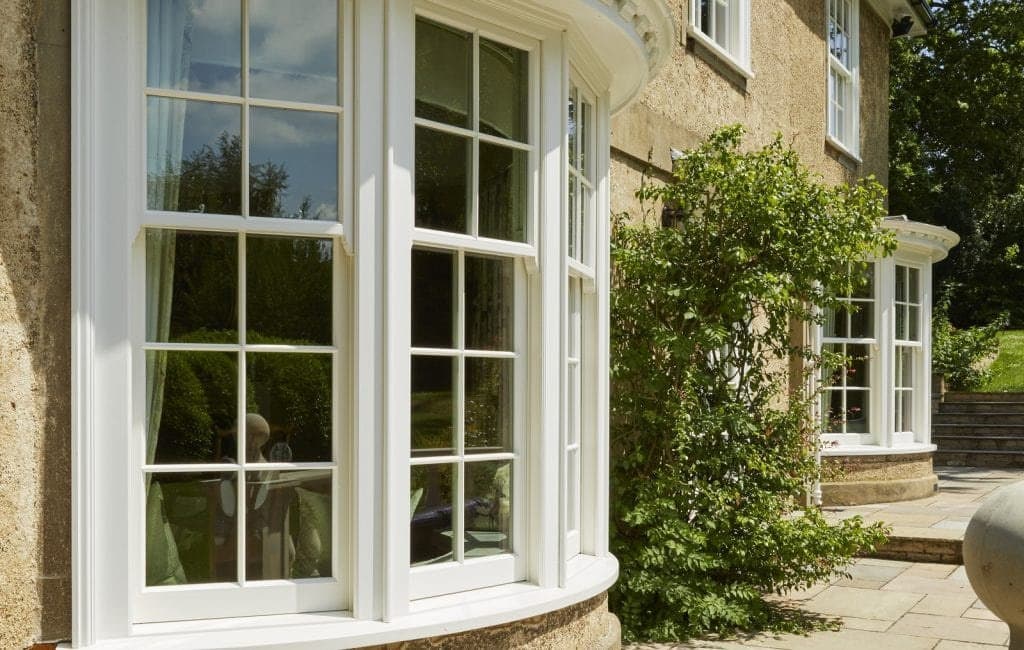
Are Sash Windows More Expensive? A Complete Guide to Sash Window Costs
Sash windows, celebrated for their classic elegance and historical charm, are often associated with period properties, but they've also become popular in modern...