.svg)









Cost of Replacing Windows: What to Expect & How to Budget
Table of Contents
Quick Answer
Window replacement in the UK costs between 250 and 1,500 per window depending on material and style. uPVC casement windows start from around 250 each, aluminium from 650, and timber from 750. A full house of 10-12 uPVC windows typically costs 3,500 to 7,000 including installation. Budget an additional 100 to 200 per window for removal and disposal of old frames.
Key Takeaways
- A professional installer can typically replace one window in 1 to 2 hours.
- For a full house with 8 to 10 standard windows, expect the work to take 2 to 3 days.
- For most UK homes with windows over 20 years old, replacement offers better long-term value.
- UPVC is also the most cost-effective long-term choice due to its minimal maintenance requirements.
- For the best value, consider replacing all windows at once, as many suppliers offer bulk discounts.
Replacing windows in your home is an investment that can significantly enhance both the aesthetic appeal and energy efficiency of your property. But one of the main questions homeowners ask is, “What is the cost of replacing windows?”
Understanding the various factors that influence the overall price will help you budget effectively and ensure you get the best value for your money.
In this guide, we’ll break down the typicalcost of replacing windows, including different materials, styles, and installation fees, so you know exactly what to expect.
Why Replace Your Windows?
Before we dive into the costs, it’s essential to understand the benefits of replacing your windows. While it may seem like a substantial investment, upgrading your windows can:
- Improve Energy Efficiency: Modern windows with double or triple glazing reduce heat loss, leading to lower energy bills.
- Enhance Curb Appeal: New windows give your home a fresh, updated look.
- Boost Property Value: High-quality replacement windows increase your property’s market value.
- Increase Security: Newer models come with better security features to keep your home safe.
- Reduce Maintenance: Replacing old windows with durable materials like uPVC or aluminium reduces maintenance needs.
What Factors Affect the Cost of Replacing Windows?
Thecost of replacing windowsvaries significantly depending on several factors. Understanding these variables will help you gauge a more accurate estimate for your project:
1. Window Material
The material you choose will greatly impact the cost. Here’s a quick comparison of the most popular options:
- uPVC Windows: Affordable, low maintenance, and energy-efficient. Typically, thecost of uPVC windowsstarts around £250 per window.
- Timber Windows: Offer a traditional look but require more maintenance. Expect to pay between £750 and £1,500 per window.
- Aluminium Windows: Sleek and durable but on the pricier side. Prices range from £650 to £1,200 per window.
2. Window Style
Different window styles come with varying levels of complexity and cost:
- Casement Windows: One of the most common styles. Generally costs between £400 and £900 per window.
- Sash Windows: Traditional and elegant, but more expensive. Prices start around £750 and can go up to £1,500.
- Bay and Bow Windows: Require more materials and labour, costing between £1,500 and £2,500 or more.
- Tilt and Turn Windows: Flexible and functional, typically ranging from £500 to £1,200 per window.
3. Number of Windows
The more windows you need to replace, the higher the total cost. However, ordering in bulk can sometimes reduce the price per unit.
4. Installation Costs
Installation fees vary based on the complexity of the job and the region. Expect to pay around £150 to £300 per window for installation in the UK.
5. Glazing Options
Opting for double or triple glazing will increase the cost, but it’s worth the investment for the long-term energy savings:
- Double Glazing: Adds around £100-£150 per window.
- Triple Glazing: Can add up to £300 per window, offering the best insulation.
6. Customisation and Extras
Customised window shapes, colours, and added security features will also increase the total price.
What Is the Average Cost of Replacing Windows in the UK?
To give you a clearer picture, here’s an overview of theaverage cost to replace windowsin the UK:
Note: These prices are approximate and can vary based on location, supplier, and specific project requirements.
How to Calculate the Total Cost of Replacing Your Windows
To get a rough estimate of how much replacing your windows will cost, follow these steps:
Example Calculation:
If you’re replacing 8 standard uPVC casement windows at an average cost of £400 per window, and installation is £200 per window:
- Window Cost: £400 x 8 = £3,200
- Installation Cost: £200 x 8 = £1,600
- Total Cost: £3,200 + £1,600 = £4,800
How to Save Money When Replacing Windows
Replacing your windows doesn’t have to break the bank. Here are some tips to keep costs down:
Is It Worth Replacing Your Windows?
While thecost of replacing windowscan be significant, the long-term benefits make it a worthwhile investment. Not only will new windows improve your home’s energy efficiency, security, and appearance, but they can also increase your property’s value and reduce maintenance costs.
For homeowners looking to enhance their property, high-quality replacement windows are an excellent choice.
Frequently Asked Questions
The cost to replace all windows in a typical UK house depends on the number of windows, material, and style chosen. For a standard 3-bedroom semi-detached house with around 8 to 10 windows, expect to pay between £4,000 and £8,000 for uPVC casement windows including installation. Timber windows would cost between £8,000 and £15,000, while aluminium frames range from £7,000 to £12,000. Bay windows, sash windows, and non-standard sizes will increase the total. Always get at least three quotes from reputable installers to compare prices.
uPVC casement windows are the cheapest type to replace in the UK, with prices starting from around £250 per window for a standard size. Including installation, you can expect to pay between £400 and £600 per uPVC casement window. Standard sizes are cheaper than custom dimensions, and white frames cost less than coloured or woodgrain finishes. uPVC is also the most cost-effective long-term choice due to its minimal maintenance requirements. For the best value, consider replacing all windows at once, as many suppliers offer bulk discounts.
Yes, replacing old single-glazed or failed double-glazed windows can save UK homeowners between £100 and £235 per year on energy bills, according to the Energy Saving Trust. Modern double-glazed windows with low-emissivity glass and argon gas filling provide significantly better thermal insulation. The payback period is typically 10 to 15 years for uPVC windows. Beyond energy savings, new windows also improve comfort by eliminating cold spots and drafts, reduce condensation and mould risk, and can boost your property's EPC rating, potentially increasing its value.
A professional installer can typically replace one window in 1 to 2 hours. For a full house with 8 to 10 standard windows, expect the work to take 2 to 3 days. More complex installations such as bay windows, sash windows, or windows requiring structural alterations may take longer. The process involves removing the old window, preparing the opening, fitting the new frame, sealing, and finishing. Reputable UK installers will cause minimal disruption and ensure each window is fully weatherproofed before moving to the next.
In most cases, replacing existing windows with new ones of a similar appearance falls under Permitted Development Rights, so no planning permission is required. However, you will need planning permission if your property is a listed building, located in a conservation area with an Article 4 Direction, or if you are significantly altering the window's appearance. All replacement windows must comply with Building Regulations covering thermal efficiency, safety glazing, and ventilation. Using a FENSA-registered installer means they can self-certify compliance on your behalf.
Several factors influence the cost of replacing windows in the UK. The frame material is the biggest factor, with uPVC being cheapest and timber most expensive. Window style matters too, as sash and bay windows cost more than standard casement types. The number of windows, glazing type (double versus triple), and any customisations such as coloured frames, Georgian bars, or special glass will add to the price. Installation costs vary by region, with London and the South East typically more expensive. Access difficulty, such as upper-floor windows requiring scaffolding, also increases costs.
Yes, some UK homeowners may be eligible for grants to help with window replacement costs. The Energy Company Obligation (ECO4) scheme provides funding for energy-efficient home improvements, including windows, for qualifying low-income households. The Home Upgrade Grant (HUG2) is available for off-gas-grid homes with low EPC ratings. Some local councils also run their own schemes. Eligibility typically depends on your income, benefits status, and property's energy efficiency rating. Contact your local authority or check the government's Simple Energy Advice website to see what support is available in your area.
Whether to repair or replace depends on the condition of your existing windows. Repair is often more cost-effective for timber windows with minor issues like peeling paint, stiff mechanisms, or small areas of rot, typically costing £50 to £200 per window. However, replacement is recommended if frames are severely rotted or warped, double glazing seals have failed (misting between panes), windows are single-glazed and you want better energy efficiency, or there are significant security concerns. For most UK homes with windows over 20 years old, replacement offers better long-term value.
Related Posts
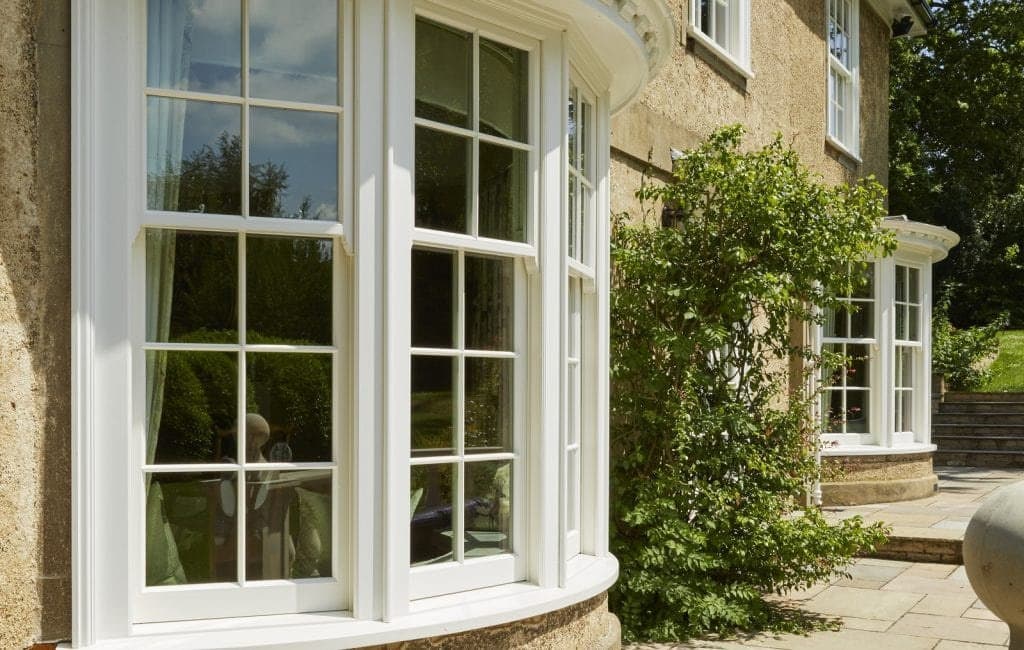
Are Sash Windows More Expensive? A Complete Guide to Sash Window Costs
Sash windows, celebrated for their classic elegance and historical charm, are often associated with period properties, but they've also become popular in modern...
Are Timber Windows more expensive? (Timber vs Aluminium Windows)
In this article, we'll comparetimber windowsandaluminium windowsin terms of cost, performance, and longevity to help you make an informed decision.
Are Wood Windows Worth the Cost?
When choosing new or replacement windows, cost is often a major factor for homeowners. Timber windows are frequently perceived as a more expensive option compar...