.svg)








uPVC Doors (Everything you need to know)
Table of Contents
Quick Answer
uPVC doors are a cost-effective, low-maintenance option for UK homes, starting from around 500 for a standard front door and 600 for French doors. They offer good thermal insulation with U-values from 1.4 W/m2K, multi-point locking security, and a lifespan of 20-30 years. Available in over 30 colours and woodgrain finishes, modern uPVC doors have improved significantly in appearance and durability.
Key Takeaways
- A well-made uPVC door typically lasts between 20 and 35 years in the UK.
- Choosing a reputable manufacturer and professional installer will help ensure your uPVC door reaches its maximum lifespan.
- Composite doors generally offer a more premium feel, better thermal insulation.
- The door must fit snugly into the frame, with a gap of no more than 10mm to prevent drafts and.
- High-quality uPVC doors with steel reinforcement and robust hardware tend to last longer.
uPVC doors are a popular choice for homeowners across the UK due to their affordability, durability, and energy efficiency.
In this guide, we’ll explore the key features, styles, and benefits of uPVC doors to help you decide if they’re the right fit for your home.
Whether you’re upgrading your front door, installing patio doors, or considering modern uPVC options with customizable door furniture such as handles, knockers, and letterboxes, this article has everything you need.
What are uPVC Doors?
uPVC doors, also known as unplasticized polyvinyl chloride doors, are crafted from a strong and durable form of plastic. These doors have become a popular choice for homeowners due to their low maintenance and naturally weatherproof finish. Unlike wooden doors, uPVC doors do not warp, rot, or rust, making them an excellent long-term investment.
They are also energy-efficient, helping to keep your home warm and reducing energy bills. Available in a wide range of styles, from modern to traditional, uPVC doors can be customised to match your home’s aesthetic perfectly.
Why Choose uPVC Doors?
Low Maintenance and Long-Lasting
One of the primary advantages of uPVC doors is their low maintenance. Unlike wooden doors, uPVC requires only a quick wash to keep them looking new. They are naturally weatherproof, offering resistance to warping, rotting, and rusting.
Energy Efficiency
uPVC doors are thermally efficient, helping to reduce heat loss from your home. This not only keeps your property warmer in winter but also lowers your energy bills. For even better insulation, opt for uPVC doors with double glazing.
Security and Safety
Modern uPVC doors are equipped with strong frames, reinforced panels, and advanced locking systems, making them an excellent choice for home security. Options like safety glass add an extra layer of protection.
Affordable and Customisable
Compared to other materials like composite doors, uPVC doors are cost-effective. They are available in a wide range of colours, styles, and finishes, including the popular anthracite grey, to suit both modern and traditional homes.
What Are the Different Types of uPVC Doors?
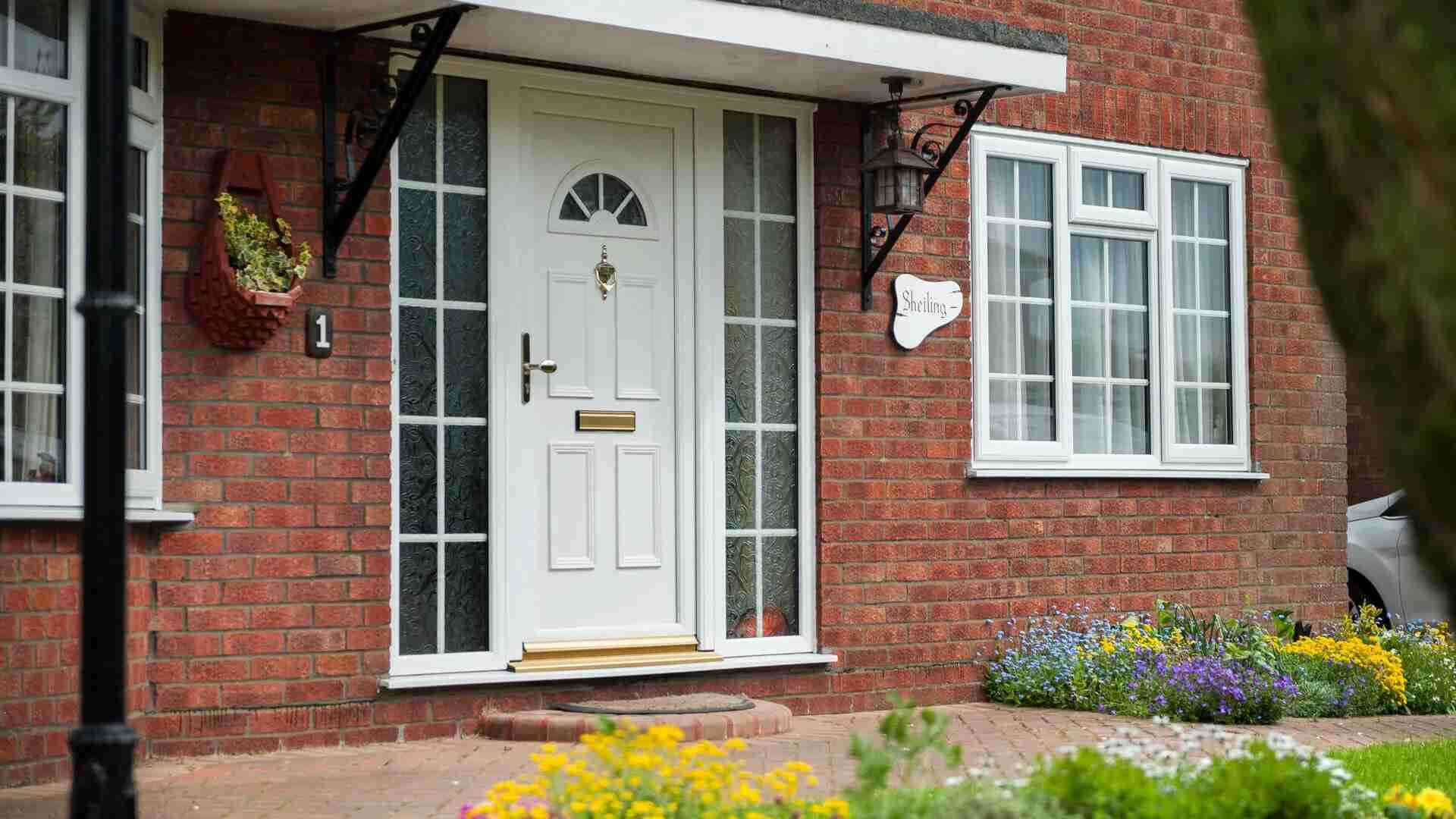
uPVC Front Doors
Perfect for enhancing your home’s curb appeal, uPVC front doors are available in a variety of styles and colours. They combine aesthetic appeal with robust security features.
Learn more about our uPVC front doors.
uPVC Back Doors
uPVC back doors are ideal for kitchens, utility rooms, and rear entrances. Sealed units play a crucial role in ensuring the durability and water resistance of these doors. They are durable, secure, and easy to maintain.
Patio Doors
For homes with a garden or patio, uPVC patio doors provide a seamless connection between indoor and outdoor spaces. They maximise natural light and are available in sliding or French styles.
Explore our uPVC patio doors.
Composite Doors vs uPVC Doors
If you’re debating between composite doors and uPVC doors, the main differences lie in the material, cost, and durability. Composite doors offer a premium finish but come at a higher price, whereas uPVC doors are budget-friendly and require less maintenance.
Discover our composite doors.
uPVC Door Materials and Construction
uPVC doors are constructed using a combination of high-quality materials designed to offer durability and performance. The core material, uPVC, is a strong and durable form of plastic that resists warping and cracking. To enhance the door’s strength and stability, steel reinforcements are integrated into the design.
Additionally, uPVC doors often feature double glazing, which provides excellent thermal insulation and soundproofing, making your home more comfortable and energy-efficient. Safety glass is another critical component, designed to shatter safely upon impact, adding an extra layer of security to your home.
uPVC Door Installation and Fitting
Measuring and Fitting
Accurate measuring and fitting are crucial for ensuring that your uPVC door provides a secure and weather-tight seal. The door must fit snugly into the frame, with a gap of no more than 10mm to prevent drafts and water ingress. A drainage cill is also essential to channel water away from the door, protecting your home from potential water damage.
Professional Installation
While DIY installation is an option, hiring a professional installer is highly recommended. A professional brings the necessary skills and experience to ensure that your uPVC door is fitted correctly and securely. They can also provide a guarantee for their work, giving you peace of mind. Additionally, a professional can advise on the best type of door for your property and offer tips on maintaining and caring for your new door, ensuring it remains in top condition for years to come.
Comparison Table: uPVC Door Types
Frequently Asked Questions about uPVC Doors
How much should a new uPVC door cost installed?
The cost of a new uPVC door, including installation, typically ranges from £600 to £1,200. This price varies based on factors such as size, design, glazing options, and additional features. For instance, a basic uPVC front door may start around £600, while more elaborate designs with decorative glazing can approach £1,200.
Can you replace a uPVC door without replacing the frame?
Yes, it's possible to replace a uPVC door without changing the existing frame, provided the frame is in good condition and compatible with the new door. However, ensuring a proper fit is crucial to maintain security and energy efficiency. Consulting with a professional installer is recommended to assess the suitability of the existing frame.
How much should a new front door cost installed?
The cost of installing a new front door in the UK varies depending on the material and design. On average:
- uPVC Front Doors: £600 to £1,200
- Composite Front Doors: £1,100 to £1,400
- Wooden Front Doors: £550 to £1,800
These prices include installation and can vary based on customisations and regional labour rates.
What is a major disadvantage of using uPVC material for doors?
A significant disadvantage of uPVC doors is their limited aesthetic flexibility. While they are durable and low-maintenance, uPVC doors may not offer the same premium feel or design versatility as materials like wood or composite. Over time, uPVC can also discolour, especially when exposed to harsh sunlight.
Is a composite door better than uPVC?
Composite doors are generally considered superior to uPVC doors in terms of durability, security, and aesthetic appeal. They are constructed from multiple materials, offering enhanced strength and insulation. However, composite doors are more expensive than uPVC doors. The choice depends on individual preferences, budget, and specific requirements.
Which brand PVC door is best?
Several reputable brands offer high-quality PVC doors. The best choice depends on factors like budget, design preferences, and specific needs. It's advisable to research and consult with local suppliers to find a brand that aligns with your requirements.
Which uPVC brand is good?
Leading uPVC brands in the UK include Harrington Windows, Eurocell, VEKA, and Rehau. These manufacturers are known for producing durable, energy-efficient, and aesthetically pleasing uPVC doors and windows. Choosing a reputable brand ensures quality and longevity.
Do uPVC doors look cheap?
Modern uPVC doors have evolved significantly and can mimic the appearance of traditional materials like wood. While some basic models may have a plastic look, many uPVC doors are designed with woodgrain finishes and decorative elements that enhance their aesthetic appeal. Selecting a high-quality uPVC door can provide a stylish and cost-effective solution.
How to choose a uPVC door?
When selecting a uPVC door, consider the following factors:
- Design and Style: Ensure the door complements your home's architecture.
- Security Features: Look for multi-point locking systems and reinforced frames.
- Energy Efficiency: Opt for doors with high energy ratings to reduce heat loss.
- Accreditation: Choose doors that meet industry standards and certifications.
- Warranty: A comprehensive warranty indicates confidence in the product's quality.
Consulting with a professional installer can also provide valuable insights tailored to your specific needs.
Frequently Asked Questions
A well-made uPVC door typically lasts between 20 and 35 years in the UK, depending on the quality of the product, installation, and exposure to weather. High-quality uPVC doors with steel reinforcement and robust hardware tend to last longer. Unlike timber doors, uPVC does not rot, warp, or require regular painting, which contributes to its longevity. Over time, the locking mechanism and hinges may need adjustment or replacement, but the frame itself remains durable. Choosing a reputable manufacturer and professional installer will help ensure your uPVC door reaches its maximum lifespan.
Yes, modern uPVC front doors offer excellent security for UK homes. They feature multi-point locking systems that secure the door at several points along the frame, reinforced steel cores for structural strength, and toughened or laminated safety glass. Many uPVC doors now meet the PAS 24 enhanced security standard, which is the benchmark recommended by UK police under the Secured by Design initiative. Anti-snap, anti-pick, and anti-drill cylinder locks add further protection. When properly installed by a professional, a quality uPVC front door provides a high level of security comparable to composite alternatives.
The main differences lie in construction, appearance, and cost. uPVC doors are made from unplasticised polyvinyl chloride with a hollow or foam-filled core and steel reinforcement. Composite doors combine multiple materials including a solid timber or insulating foam core, GRP (glass reinforced plastic) skin, and a uPVC or aluminium frame. Composite doors generally offer a more premium feel, better thermal insulation, and greater design versatility but cost 40% to 60% more than uPVC. uPVC doors are lighter, more affordable, and require minimal maintenance. Both types offer good security and energy efficiency for UK homes.
A new uPVC front door including professional installation typically costs between £600 and £1,200 in the UK. The price varies based on design complexity, glazing options, colour, and hardware choices. A basic panel uPVC front door starts around £600, while doors with decorative glazing, coloured finishes like anthracite grey, or premium hardware can approach £1,200. Installation usually takes 2 to 4 hours. Prices vary by region, with London and the South East generally more expensive. Always get at least three quotes and ensure your installer is FENSA registered to guarantee Building Regulations compliance.
Yes, you can paint uPVC doors, but it requires proper preparation and specialist products. Standard household paint will not adhere well to uPVC and will peel quickly. Use a dedicated uPVC primer followed by a uPVC-compatible paint or a specialist all-in-one uPVC paint. Thoroughly clean and lightly abrade the surface before painting. Alternatively, professional uPVC spraying services can provide a factory-quality finish in virtually any RAL colour for around £200 to £400. This is a popular and cost-effective way to refresh the appearance of an existing uPVC door without the expense of full replacement.
Modern high-quality uPVC doors are designed to withstand the UK climate, including hot weather. However, dark-coloured uPVC doors can absorb more heat and may experience slight expansion in extreme temperatures, which can occasionally cause temporary sticking or difficulty closing. This is more common with lower-quality products that lack adequate steel reinforcement. Choosing a reputable manufacturer that uses premium-grade uPVC with proper reinforcement minimises this risk. White and lighter-coloured uPVC doors are less prone to heat-related expansion. Any slight warping typically reverses once temperatures return to normal.
Modern uPVC doors are available in a wide range of colours and finishes beyond traditional white. Popular choices in the UK include anthracite grey, black, dark green, dark blue, cream, and rosewood. Woodgrain finishes that replicate the look of oak, mahogany, and other timber species are also available. Many manufacturers offer a dual-colour option, with a different colour on the interior and exterior of the door. Coloured uPVC uses foil wrapping technology that is durable and UV-resistant. Anthracite grey has become particularly popular in recent years for both modern and traditional UK properties.
Related Posts
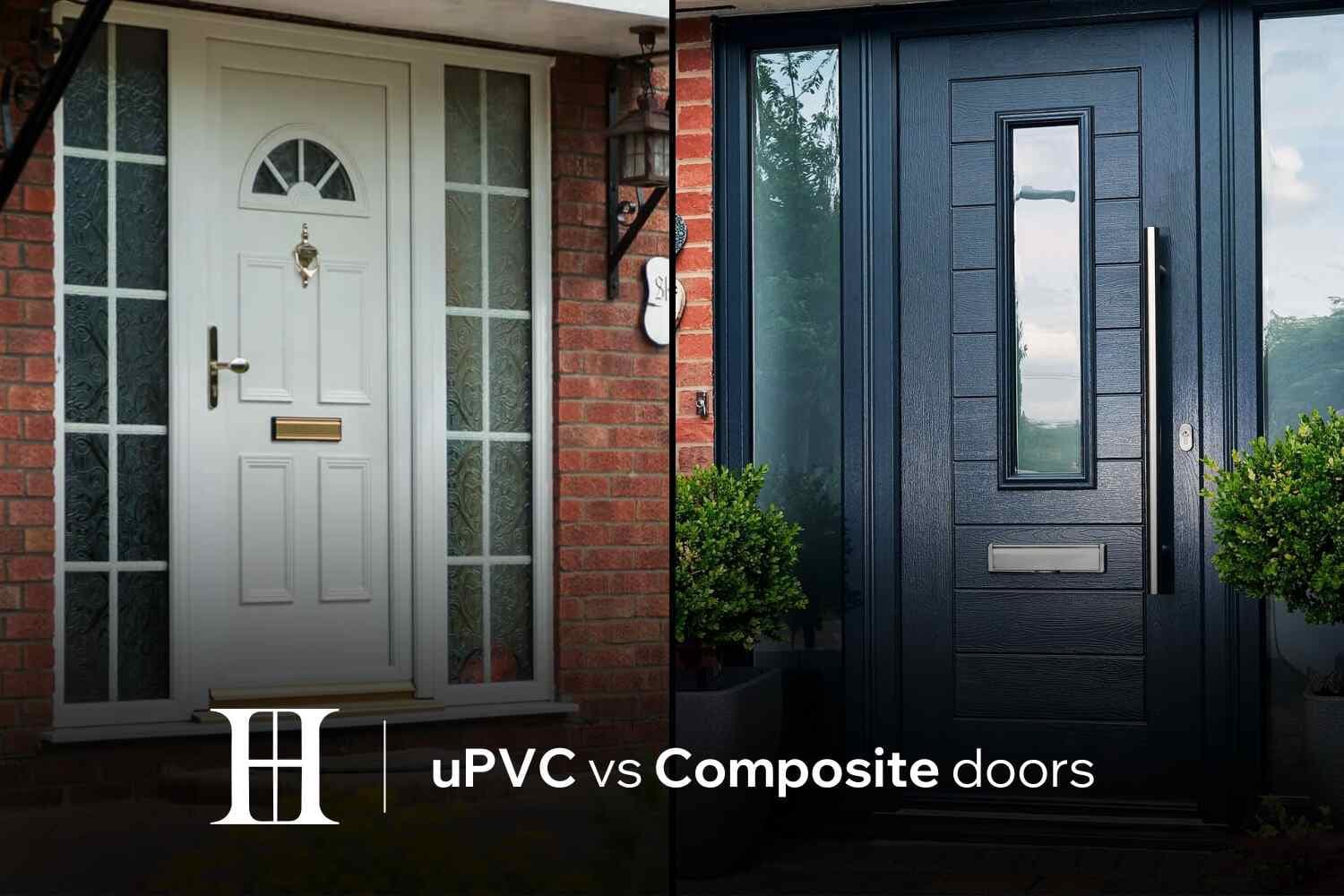
uPVC vs Composite Doors: Which is Best?
When choosing a front door many people are torn between uPVC doors and composite doors.

The Best Safe Front Doors in the UK (2024)
When it comes to securing your home, choosing the right front door is one of the most critical decisions you can make. High security front doors serve as the ma...
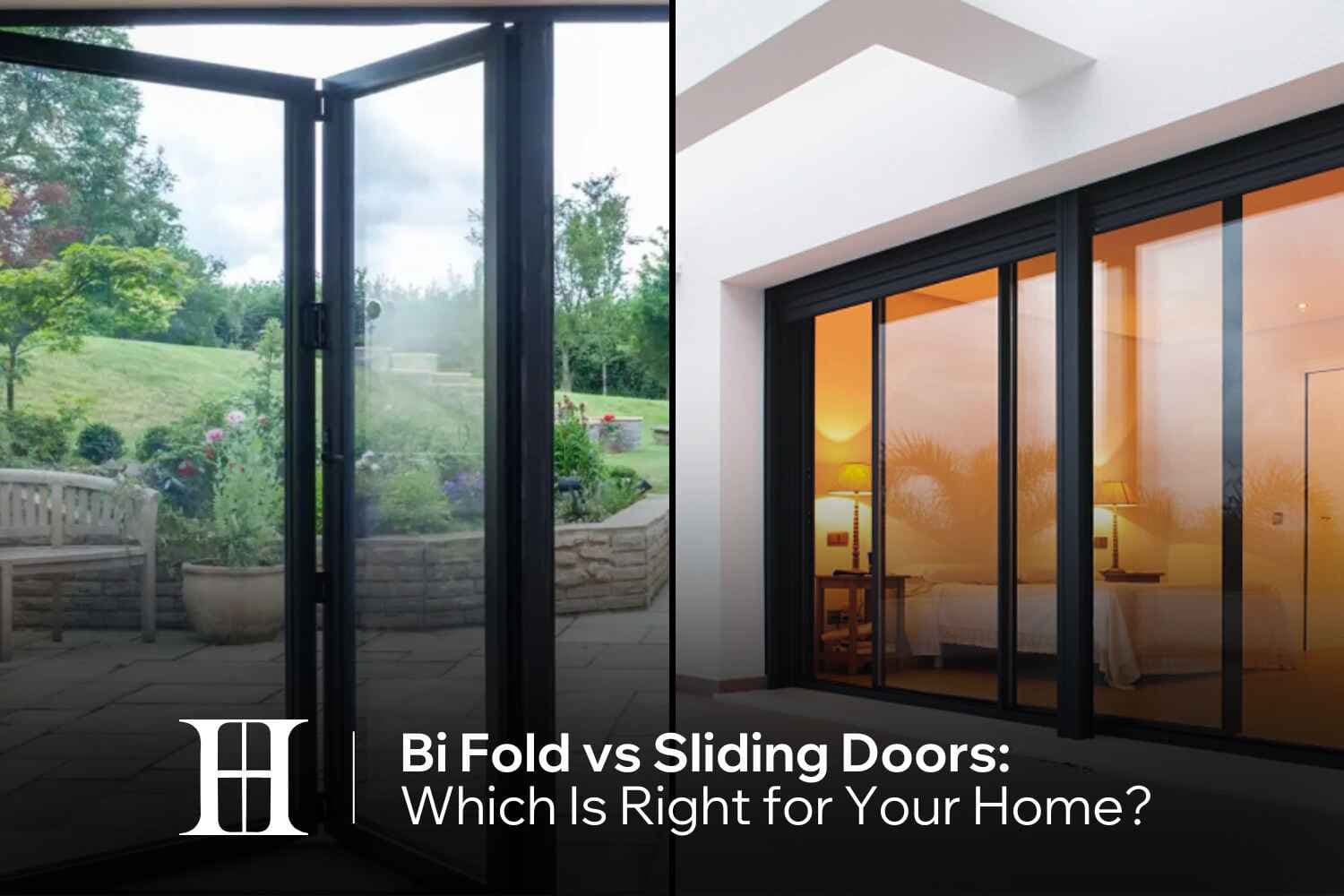
Bi Fold vs Sliding Doors: Which Is Right for Your Home?
When considering doors for your home, the choice often boils down tobi folding doorsorsliding doors. Bi folding doors are known for their functional benefits an...