.svg)


House Window Design: Finding the Perfect Style for Your Home
Table of Contents
Quick Answer
The most popular house window designs in the UK are casement windows (the most common style, offering versatile ventilation), sash windows (ideal for period properties), bay and bow windows (adding space and light), and tilt and turn windows (combining inward tilt for ventilation with full inward opening). Choose based on your property style, planning restrictions, ventilation needs, and budget, with prices ranging from 300 for basic uPVC casements to 2,800 for bespoke timber sash windows.
Key Takeaways
- Windows achieving an A++ energy rating provide the best thermal performance, helping to significantly reduce heating bills and improve comfort.
- New windows can add significant value to a UK property.
- According to industry estimates, quality replacement windows can add 5% to 10% to your home's value while also improving its.
- Energy-efficient windows also reduce running costs, which is increasingly attractive to buyers.
- Consider the glazing specification, frame material, colour options, and hardware to ensure the windows complement your home's overall design.
Windowsare one of the most prominent features of your home's exterior, playing a vital role in its overall design and curb appeal.
The righthouse windows designcan completely transform the look and feel of your property, making it more welcoming, stylish, and functional.
From traditional to contemporary, there are countless window styles to choose from, each offering its own set of benefits and aesthetics.
In this guide, we’ll explore the tophouse window designoptions, materials, and customisation features to help you find the perfect windows for your home.
Whether you’re renovating a period property or building a new home, understanding the best window designs will help you make an informed decision.
Why Window Design Matters
Choosing the righthouse windows designisn’t just about aesthetics — it’s also about functionality and performance. Windows impact everything from the amount of natural light that enters your home to energy efficiency, ventilation, and even security. Here’s why investing in the right window design is crucial:
1. Enhances Curb Appeal
The style and design of your windows can dramatically improve your home’s exterior appearance, creating a cohesive look that enhances curb appeal and property value.
2. Boosts Energy Efficiency
Well-designed windows can significantly reduce energy costs by providing better insulation and reducing heat loss. The right design, combined with high-quality glazing, keeps your home comfortable all year round.
3. Improves Natural Light and Ventilation
Different window designs can influence how much natural light enters your home and how well-ventilated it is. For example, large windows bring in more light, while certain styles, like casement windows, offer superior ventilation.
4. Adds Architectural Interest
The right window design can complement your home’s architecture, whether you’re aiming for a classic look or a modern, minimalist aesthetic. Window designs like arched, bay, or bow windows can become focal points that add character and dimension.
Popular House Window Design Options
Choosing a window style that complements your home’s architecture is essential. Here’s a look at the most popularhouse windows designoptions and what makes each one unique:
1. Casement Windows
Casement windowsare hinged on the side and open outward, similar to a door. They provide excellent ventilation and a clean, unobstructed view, making them a versatile choice for both traditional and modern homes.
- Best For: Homes that need more airflow and easy operation.
- Design Features: Can be combined with fixed panes to create larger window units.
- Material Options: uPVC, aluminium, timber.
2. Sash Windows
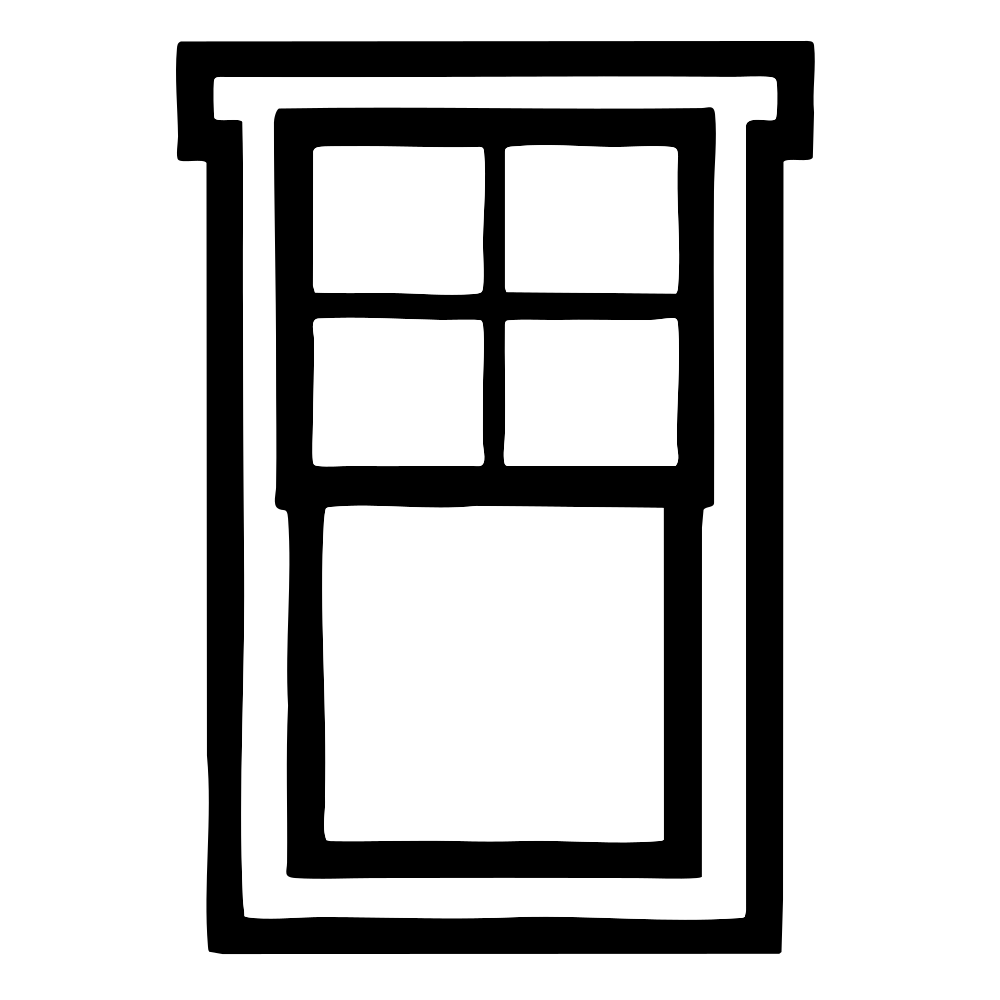
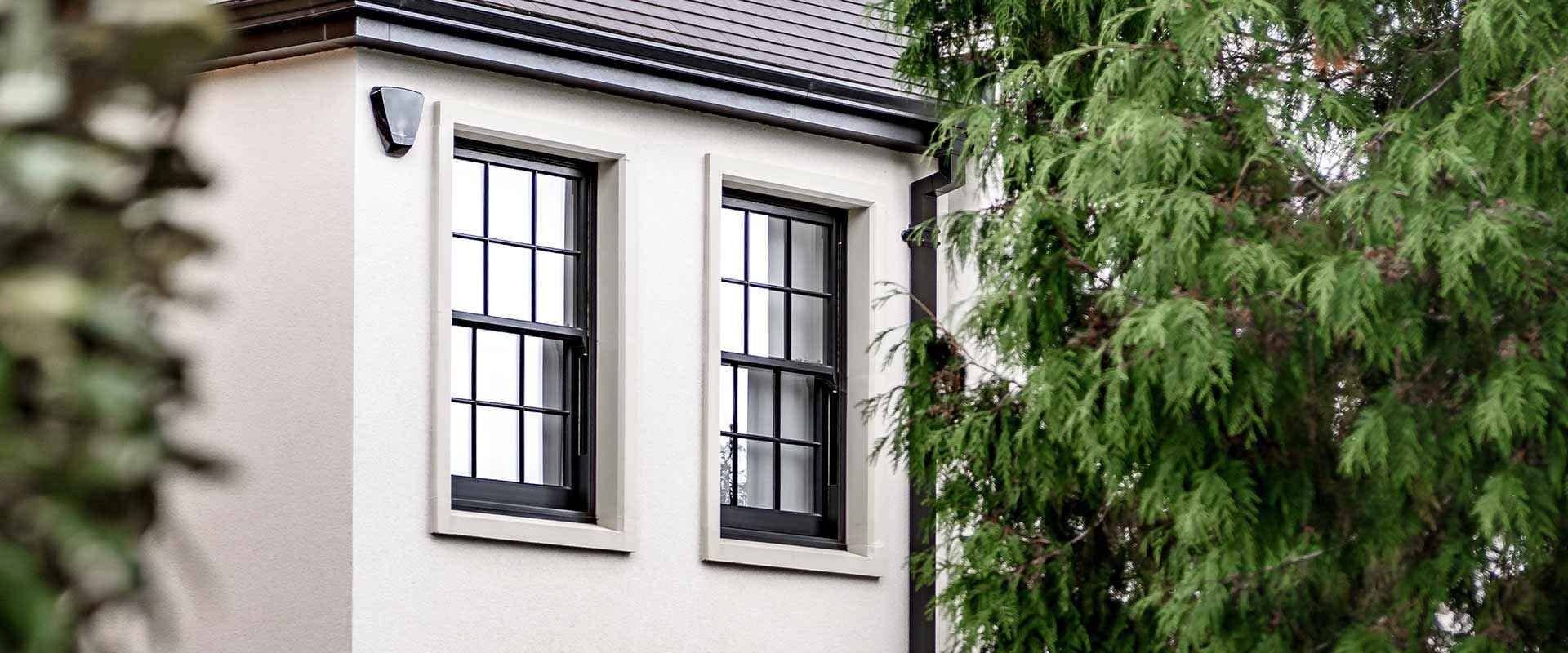
Sash windowsare a classic option, featuring two or more panes that slide vertically or horizontally within the frame. This style is perfect for period properties like Georgian or Victorian homes.
- Best For: Maintaining the traditional look of historic homes.
- Design Features: Choose from single, double, or triple sashes for a custom look.
- Material Options: Timber, woodgrain uPVC, composite.
3. Bay and Bow Windows
Bay and bow windowsproject outward from the exterior wall, creating a spacious feel inside and a striking feature outside. Bay windows typically have three panels, while bow windows have four or more, forming a gentle curve.
- Best For: Adding architectural interest and extra light.
- Design Features: Can be used in living rooms, kitchens, or master bedrooms for a panoramic view.
- Material Options: Timber, uPVC, aluminium.
4. Picture Windows
Picture windowsare large, fixed-pane windows that do not open. They are designed to frame a beautiful view and allow maximum natural light into your home.
- Best For: Rooms with stunning outdoor views or as accent windows.
- Design Features: Combine with operable windows for ventilation.
- Material Options: Aluminium, uPVC, timber.
5. Tilt and Turn Windows
Tilt and turn windowsoffer two opening options: they can tilt inwards from the top for ventilation or swing open like a casement window. This versatility makes them ideal for modern homes.
- Best For: High-rise buildings and contemporary homes.
- Design Features: Multi-functional and secure, with sleek lines.
- Material Options: uPVC, aluminium.
6. Arched Windows
Arched windowsfeature a rounded top and are often used to add elegance and a sense of height to a room. They can be standalone or combined with other window styles for a more dramatic effect.
- Best For: Adding visual interest to period or modern homes.
- Design Features: Customisable in size and shape to suit unique architectural styles.
- Material Options: Timber, uPVC.
7. Awning and Hopper Windows
Awning windows are hinged at the top and open outward, while hopper windows are hinged at the bottom and open inward. Both styles are compact and provide excellent ventilation.
- Best For: Bathrooms, basements, or as complementary windows above larger windows.
- Design Features: Ideal for areas where space is limited.
- Material Options: uPVC, timber, aluminium.
How Do You Choose the Right Material for Your Window Design?
The frame material you choose for yourhouse windows designimpacts not only the aesthetics but also the performance and longevity of your windows. Here’s a breakdown of the most popular materials:
1. uPVC Windows
uPVC (Unplasticized Polyvinyl Chloride) is a popular choice due to its affordability, low maintenance, and excellent insulation properties. It’s available in a wide range of colours and finishes, including woodgrain effects that mimic real timber.
- Best For: Modern and traditional homes.
- Benefits: Energy-efficient, durable, and cost-effective.
- Drawbacks: Limited design options compared to timber.
2. Timber Windows
Timber windows are ideal for period properties or homeowners who want a classic, natural look. High-quality timber frames can be custom-made to match the exact design of your original windows.
- Best For: Period homes and conservation areas.
- Benefits: Authentic appearance, natural insulation.
- Drawbacks: Requires regular maintenance.
3. Aluminium Windows
Aluminium is sleek, strong, and ideal for creating slimline window designs. It’s perfect for large window units and modern home styles that require a minimalist look.
- Best For: Contemporary homes and large glazing areas.
- Benefits: Durable, low-maintenance, and lightweight.
- Drawbacks: Less insulation compared to uPVC or timber.
4. Composite Windows
Composite windows combine the benefits of several materials, such as timber on the interior and aluminium on the exterior. This hybrid option offers the look of wood with the durability of aluminium.
- Best For: High-end homes seeking both performance and style.
- Benefits: Long-lasting, low-maintenance, and energy-efficient.
- Drawbacks: Higher cost than single-material options.
Customising your House Window Design
To create a window design that perfectly suits your home, consider these customisation options:
1. Colour and Finish Options
From classic white to bold black and natural wood finishes, choosing the right colour can enhance your home’s overall look.
2. Glazing Options
Opt for double or triple glazing for better insulation, or consider patterned or frosted glass for privacy in bathrooms and bedrooms.
3. Decorative Features
Add Georgian bars, leaded glass, or arched tops to replicate traditional window designs or create a unique statement.
4. Hardware Choices
Choose bespoke handles, locks, and hinges in finishes that complement your overall design.
Selecting the perfecthouse windows designis a balance of aesthetics, performance, and practicality.
Our team of experts can guide you through the process, helping you choose the ideal styles, materials, and customisation options for your home.
Frequently Asked Questions
The most popular window styles for UK homes include casement windows, which are the most widely installed type, and sash windows, which are favoured for period properties. Bay and bow windows are popular for adding space and architectural interest. Tilt and turn windows are increasingly chosen for modern homes due to their versatile opening options. The best choice depends on your property's architectural style, ventilation needs, and personal preferences.
Choosing the right windows involves considering several factors: your home's architectural style, the desired level of energy efficiency, your budget, maintenance preferences, and any planning restrictions. For period properties, sash or casement windows in timber are often appropriate. Modern homes suit tilt and turn or aluminium-framed designs. Consider the glazing specification, frame material, colour options, and hardware to ensure the windows complement your home's overall design.
Triple-glazed casement or tilt-and-turn windows with insulated uPVC or thermally broken aluminium frames are typically the most energy-efficient designs available in the UK. Key features that maximise efficiency include Low-E glass coatings, argon or krypton gas-filled cavities, warm-edge spacer bars, and multi-chambered frame profiles. Windows achieving an A++ energy rating provide the best thermal performance, helping to significantly reduce heating bills and improve comfort.
Yes, new windows can add significant value to a UK property. According to industry estimates, quality replacement windows can add 5% to 10% to your home's value while also improving its Energy Performance Certificate (EPC) rating. Well-chosen windows that complement the property's architecture enhance kerb appeal, which is particularly important for first impressions during viewings. Energy-efficient windows also reduce running costs, which is increasingly attractive to buyers.
Casement windows are hinged on one side and open outward like a door, providing excellent ventilation and a wide opening. Sash windows have one or more panels that slide vertically within the frame. Casement windows are generally more affordable, offer better weather sealing, and are easier to clean. Sash windows provide a traditional aesthetic, are better suited to period properties, and allow more controlled ventilation by opening the top, bottom, or both sashes.
All three main frame materials perform well in UK weather when properly specified. uPVC is the most popular choice, offering excellent weather resistance, low maintenance, and good insulation at an affordable price. Aluminium is strong, slim, and corrosion-resistant, ideal for contemporary designs. Timber provides natural beauty and insulation but requires regular maintenance to withstand the UK's damp climate. For maximum weather resistance with minimal upkeep, uPVC or aluminium are typically recommended.
Replacement window costs in the UK vary by type, material, and size. Standard uPVC casement windows cost approximately £300 to £600 per window installed. uPVC sash windows range from £500 to £1,000. Timber windows cost £600 to £2,500 depending on the species and style. Aluminium windows start from around £500 to £1,200. A full house of windows (typically 8 to 12 windows) usually costs between £3,000 and £10,000 in total including installation.
In most cases, if you use a FENSA or CERTASS registered installer, they will self-certify that the work complies with Building Regulations and you will not need separate approval. If you use a non-registered installer, you must apply to your local authority's Building Control department for approval before or shortly after the work is done. All replacement windows must meet minimum thermal performance standards under Part L of the Building Regulations.
Related Posts
Cottage Windows: Choosing the Perfect Style for Your Home
Finding the rightcottage windowsis essential to maintaining the cosy, rustic aesthetic that makes cottages so special, while still ensuring that your home is en...
Eco Slide Sash Windows: Sustainable Style with Modern Efficiency
These windows maintain the traditional elegance of sash windows but are engineered with modern materials and insulation technologies to provide exceptional ener...
Finding the Right Window Handle for Every Style
Not only do window handles serve a functional purpose, but they also contribute to your home’s overall aesthetics and security.