.svg)


Cottage Windows: Choosing the Perfect Style for Your Home
Table of Contents
Quick Answer
Cottage-style windows feature small panes divided by glazing bars, creating a traditional appearance suited to period and rural properties. Popular options include flush casement windows from 600, cottage-bar sash windows from 900, and timber stormproof casements from 700. Modern cottage windows use slim double-glazed units to maintain authentic proportions while achieving U-values of 1.2 to 1.4 W/m2K.
Key Takeaways
- UPVC offers significant advantages including low maintenance, excellent energy efficiency, and lower cost compared to timber.
- Double glazed cottage windows can be designed to look identical to traditional single-glazed styles while providing vastly superior insulation.
- They can be fitted with Georgian bars, leaded glass effects, and traditional-style hardware for an authentic appearance.
- UPVC cottage casement windows typically cost £300 to £700 per window including installation.
- Adding features like Georgian bars, leaded glass, or non-standard shapes will increase the price.
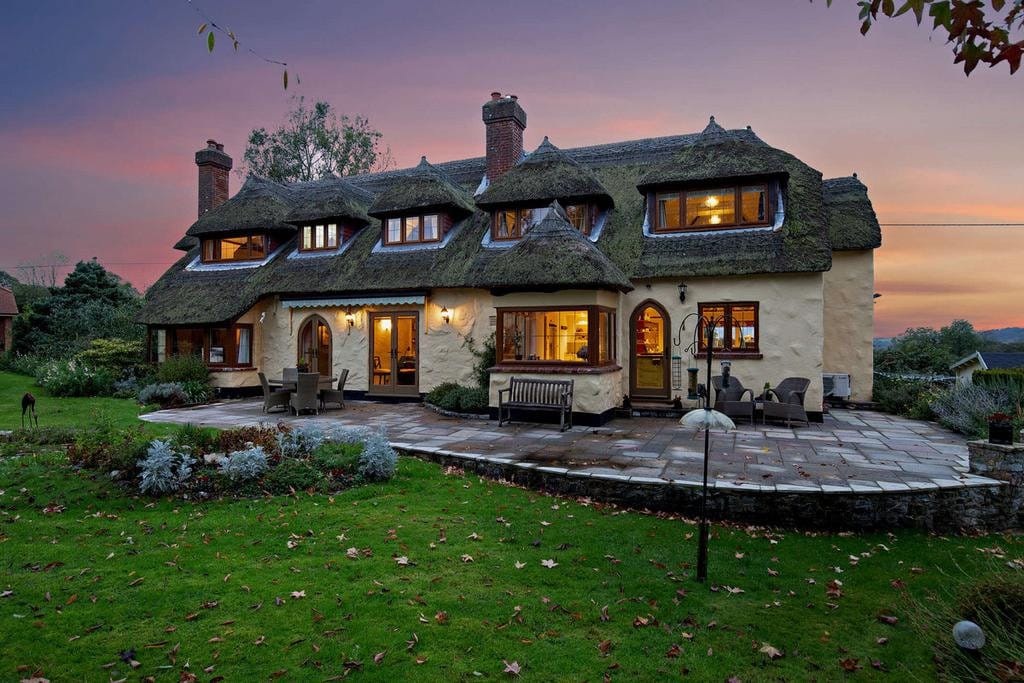
If you’re the proud owner of acharming cottage, you know that the windows play a significant role in preserving its character and timeless appeal.
Finding the rightcottage windowsis essential to maintaining the cosy, rustic aesthetic that makes cottages so special, while still ensuring that your home is energy-efficient and secure. With so many options to choose from—whether it’s traditionalwooden cottage windows, modernuPVC cottage windows, or something in between—it’s important to know which style suits your property best.
In this article, we’ll explore the variouscottage window styles, the best materials to use, and how to find the idealwindows for cottages. From classiccottage casement windowsto elegantcottage sash windows, we’ll guide you through the best options to enhance your home’s beauty without sacrificing functionality.
What Are Cottage Windows?
Cottage windowsare a type of window design that reflects the traditional charm of country homes and cottages. These windows are often characterised by smaller panes of glass, decorative glazing bars, and intricate details that replicate the look of historic windows. While they have a distinctive, timeless appeal, moderncottage style windowsare available in a variety of materials, colours, and finishes, allowing homeowners to combine old-world aesthetics with modern performance.
Key Features of Cottage Windows:
- Smaller Panes: Many cottage windows feature multiple small panes separated by glazing bars, giving them a classic, rustic look.
- Traditional Frames: Cottage window frames often have a thicker, more robust appearance compared to modern windows.
- Decorative Elements: Traditional styles might include arched tops, Georgian bars, or stained-glass features.
- Variety of Materials: Choose fromwooden cottage windowsfor a traditional look oruPVC cottage windowsfor low-maintenance durability.
How Do You Choose the Right Style of Cottage Windows?
When selecting newcottage windows, it’s essential to choose a style that complements your home’s architecture and enhances its unique charm. Here are some of the most popular styles to consider:
1. Cottage Casement Windows
Cottage casement windowsare side-hinged and open outward like a door, making them ideal for enhancing ventilation. This style is versatile and can be customised with decorative glazing bars to create the classic look of a country cottage.
- Best For: Enhancing airflow in kitchens, living rooms, and bedrooms.
- Material Options: uPVC, timber, and aluminium.
- Customisation: Add Georgian bars, leaded glass, or arched tops for a traditional appearance.
2. Cottage Sash Windows
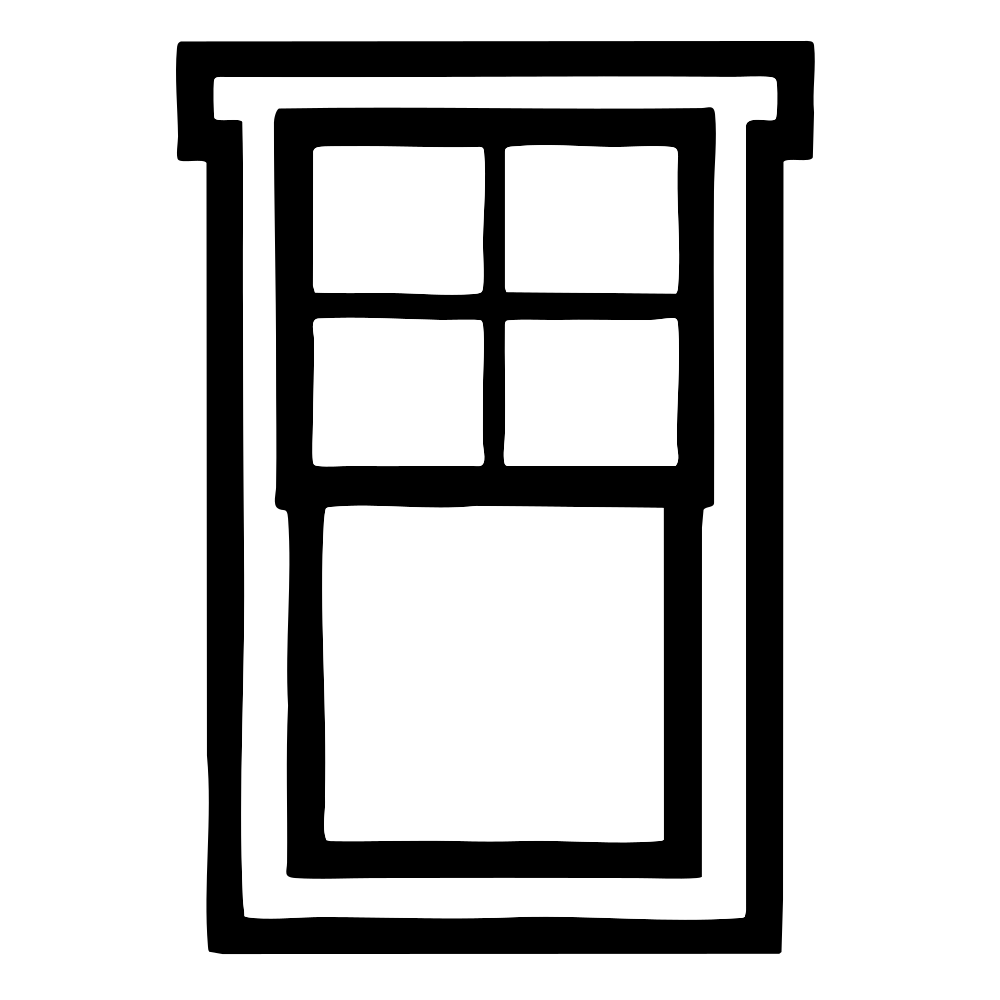
Cottage sash windowsare a staple in many older cottages and period properties. This style features two panels that slide vertically (or sometimes horizontally), creating a timeless, elegant look that suits Georgian, Victorian, and Edwardian cottages.
- Best For: Preserving the historic charm of period properties.
- Material Options: Timber or woodgrain effect uPVC.
- Customisation: Choose from single, double, or triple glazing and traditional sash horns.
3. Cottage Bay Windows
Cottage bay windowsproject outward from the exterior wall, creating a spacious feel and adding extra light to your home. They often feature multiple small panes, enhancing the cottage aesthetic and adding visual interest.
- Best For: Living rooms, dining rooms, or as a feature in bedrooms.
- Material Options: Timber, uPVC, or aluminium.
- Customisation: Combine with sash or casement windows to create a unique look.
4. Cottage Style Windows with Leaded Glass
For an authentic, vintage look, considercottage style windowswith leaded glass. Leaded glass can be used in bothcottage casement windowsandcottage sash windowsto add intricate patterns or a diamond grid effect.
- Best For: Adding period features to traditional or new-build cottages.
- Material Options: Timber or uPVC with a custom finish.
- Customisation: Add stained glass for a colourful, bespoke touch.
5. Cottage Windows with Georgian Bars
Georgian bars are horizontal and vertical strips that divide the window into smaller panes, creating a distinctive look that suits period cottages. They’re ideal for replicating the appearance of older windows while benefiting from modern glazing technology.
- Best For: Enhancing traditional charm in both rural and urban cottages.
- Material Options: Timber, uPVC, or composite.
- Customisation: Choose a colour that complements your home’s exterior.
What Are the Best Materials for Cottage Windows?
The material you choose for yourcottage windowswill impact not only their appearance but also their durability, maintenance requirements, and energy efficiency. Here are the best materials to consider:
1. Timber Cottage Windows
Nothing beats the traditional appeal ofwooden cottage windows. Timber frames offer a natural, classic look that’s perfect for period properties. Choose from hardwood options like oak or softwoods like pine, depending on your budget and preferences.
- Benefits: Authentic appearance, excellent insulation, and customisable.
- Drawbacks: Requires regular maintenance, such as painting and sealing.
2. uPVC Cottage Windows
uPVC cottage windowsare a popular choice for homeowners who want the look of traditional frames without the upkeep. ModernuPVC windows for cottagescan be customised with woodgrain finishes and decorative features to replicate the look of real wood.
- Benefits: Low maintenance, durable, and cost-effective.
- Drawbacks: Limited colour options compared to timber.
3. Composite Cottage Windows
Composite windows combine the best features of timber and uPVC, with a timber core for natural aesthetics and a weather-resistant uPVC or aluminium exterior for durability. This hybrid option offers superior performance and minimal maintenance.
- Benefits: Long-lasting, energy-efficient, and low maintenance.
- Drawbacks: Higher initial cost compared to other materials.
4. Aluminium Cottage Windows
Aluminium is known for its strength and slimline appearance. While not a traditional material for cottages, aluminium frames can create a modern twist on classic designs, making them ideal for homeowners who want a contemporary take on cottage style.
- Benefits: Lightweight, strong, and available in a variety of colours.
- Drawbacks: Less insulation compared to timber or uPVC unless thermally broken.
How to Choose the Right Cottage Window Design
To select the perfectcottage window design, consider the following factors:
1. Match the Architecture
Choose a window style that complements your home’s architectural style. For example, sash windows are perfect for Georgian or Victorian cottages, while casement windows suit more rustic, country-style cottages.
2. Consider Energy Efficiency
Look fordouble glazed cottage windowsortriple glazed windowsto improve insulation and reduce energy costs. Modern glazing options can replicate the look of traditional single panes without sacrificing performance.
3. Select the Right Colour
While white is a classic choice, consider heritage colours like cream, sage green, or French grey to add a subtle pop of colour to your windows.
4. Prioritise Security
Choose windows with advanced locking systems, reinforced frames, and toughened glass to keep your home safe and secure.
5. Customise for Charm
Add decorative elements like Georgian bars, leaded glass, or arched tops to replicate the look of traditional cottage windows.
Upgrade to Beautiful Cottage Windows Today
Whether you’re restoring a period property or looking to add some rustic charm to your home, upgrading to high-qualitycottage windowscan enhance both the aesthetics and functionality of your space.
From elegantcottage sash windowsto versatileuPVC cottage windows, we offer a range of styles and materials to suit every cottage design.
Frequently Asked Questions
The best window styles for cottages in the UK include casement windows, sash windows, and bay windows. Casement windows are the most versatile, offering excellent ventilation and the ability to add decorative features like Georgian bars or leaded glass. Sash windows are ideal for period cottages, particularly Georgian, Victorian, and Edwardian styles, providing a classic sliding mechanism. Bay windows create a sense of space and add architectural interest. The best choice depends on your cottage's age and architectural style, with materials like timber or woodgrain-effect uPVC maintaining the traditional cottage aesthetic.
Yes, modern uPVC windows are an excellent choice for cottages. Today's uPVC cottage windows are available with convincing woodgrain finishes in heritage colours like cream, sage green, and French grey that closely replicate the look of traditional timber. They can be fitted with Georgian bars, leaded glass effects, and traditional-style hardware for an authentic appearance. uPVC offers significant advantages including low maintenance, excellent energy efficiency, and lower cost compared to timber. However, if your cottage is a listed building or in a conservation area, check with your local council as timber may be required.
Cottage window costs in the UK vary depending on material and style. uPVC cottage casement windows typically cost £300 to £700 per window including installation. Timber cottage windows range from £800 to £1,500 per window. Cottage sash windows are generally more expensive, with uPVC versions costing £600 to £1,000 and timber sash windows ranging from £1,000 to £2,000 each. Adding features like Georgian bars, leaded glass, or non-standard shapes will increase the price. Bay windows for cottages can cost £1,500 to £3,000 or more depending on size and configuration.
While there is no legal requirement to double glaze existing cottage windows, any replacement windows in the UK must comply with Building Regulations, which effectively mandate double glazing to meet minimum thermal efficiency standards. Double glazed cottage windows can be designed to look identical to traditional single-glazed styles while providing vastly superior insulation, noise reduction, and security. Modern slim-profile double glazing units can even fit into existing timber frames in some cases. Double glazing is particularly beneficial for cottages, which often have thinner walls and can suffer from heat loss.
Traditional cottage window colours include white, cream, sage green, French grey, and chartwell green. For a classic look, heritage white or cream frames complement most cottage exteriors beautifully. Sage green and French grey are popular choices for creating a subtle, countryside feel. Black or anthracite grey can work well for more contemporary cottage renovations. If your cottage has exposed stone or brickwork, neutral tones like cream or soft grey tend to harmonise best. For listed buildings or conservation areas, your local planning authority may have specific requirements regarding acceptable window colours.
In most cases, you can replace cottage windows without planning permission under Permitted Development Rights, provided the new windows have a similar appearance to the originals. However, planning permission or Listed Building Consent is required if your cottage is a listed building, if it is located in a conservation area with an Article 4 Direction, or if you are significantly changing the window appearance or adding new openings. Even when planning permission is not needed, all replacement windows must comply with Building Regulations for thermal performance, ventilation, and safety. Always check with your local council before proceeding.
Georgian bars are horizontal and vertical strips that divide a window into smaller rectangular panes, creating a distinctive grid pattern that was common in Georgian-era architecture. For modern cottage windows, Georgian bars are available in several types: astragal bars sit on the outside of the glass for an authentic look, while internal bars are placed between the two panes of double glazing for easy cleaning. Some manufacturers offer a combination of both for the most realistic appearance. Georgian bars are available in timber, uPVC, and aluminium, and they add period charm without sacrificing the benefits of modern glazing.
Related Posts
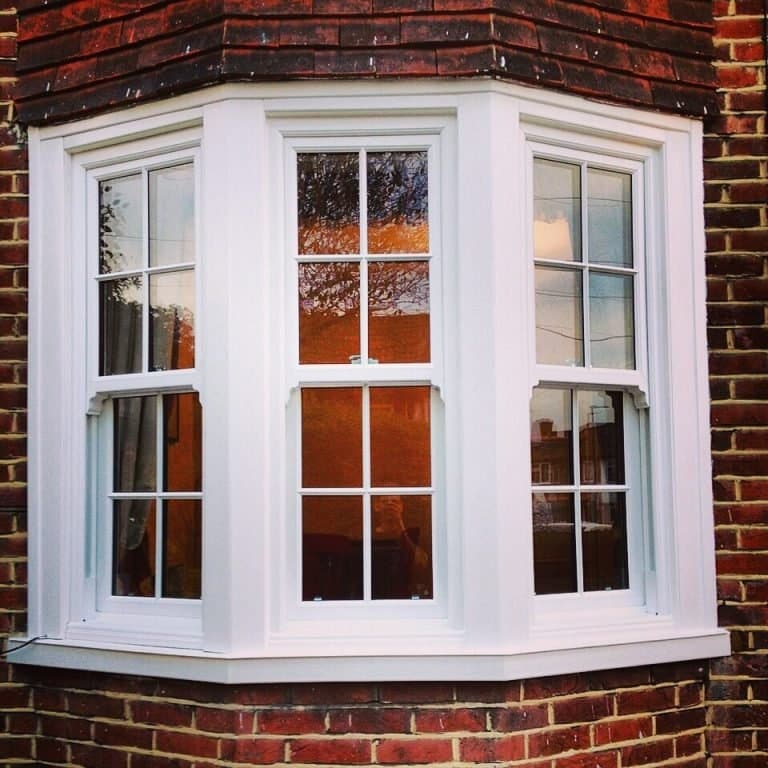
Eco Slide Sash Windows: Sustainable Style with Modern Efficiency
These windows maintain the traditional elegance of sash windows but are engineered with modern materials and insulation technologies to provide exceptional ener...
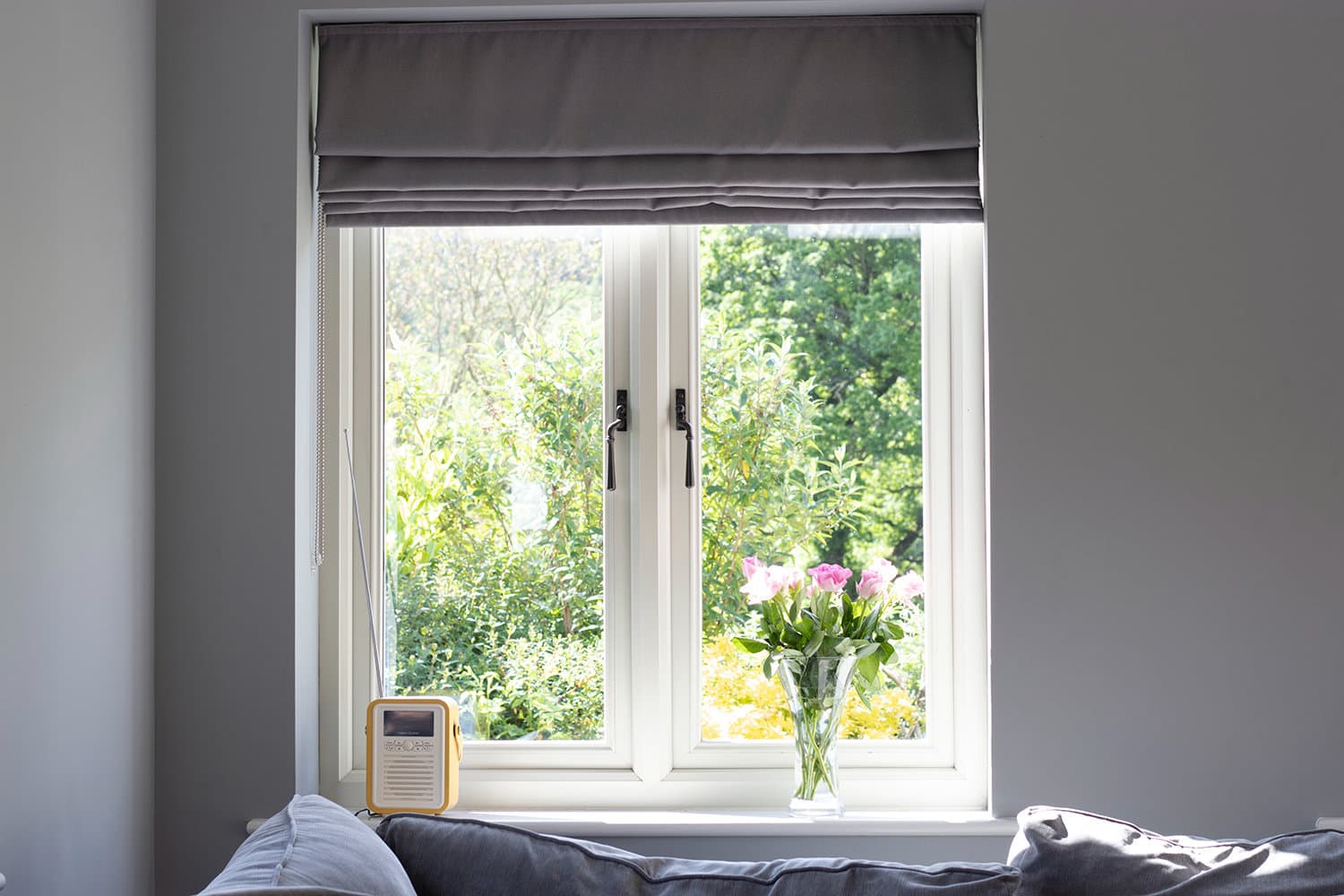
Finding the Right Window Handle for Every Style
Not only do window handles serve a functional purpose, but they also contribute to your home’s overall aesthetics and security.
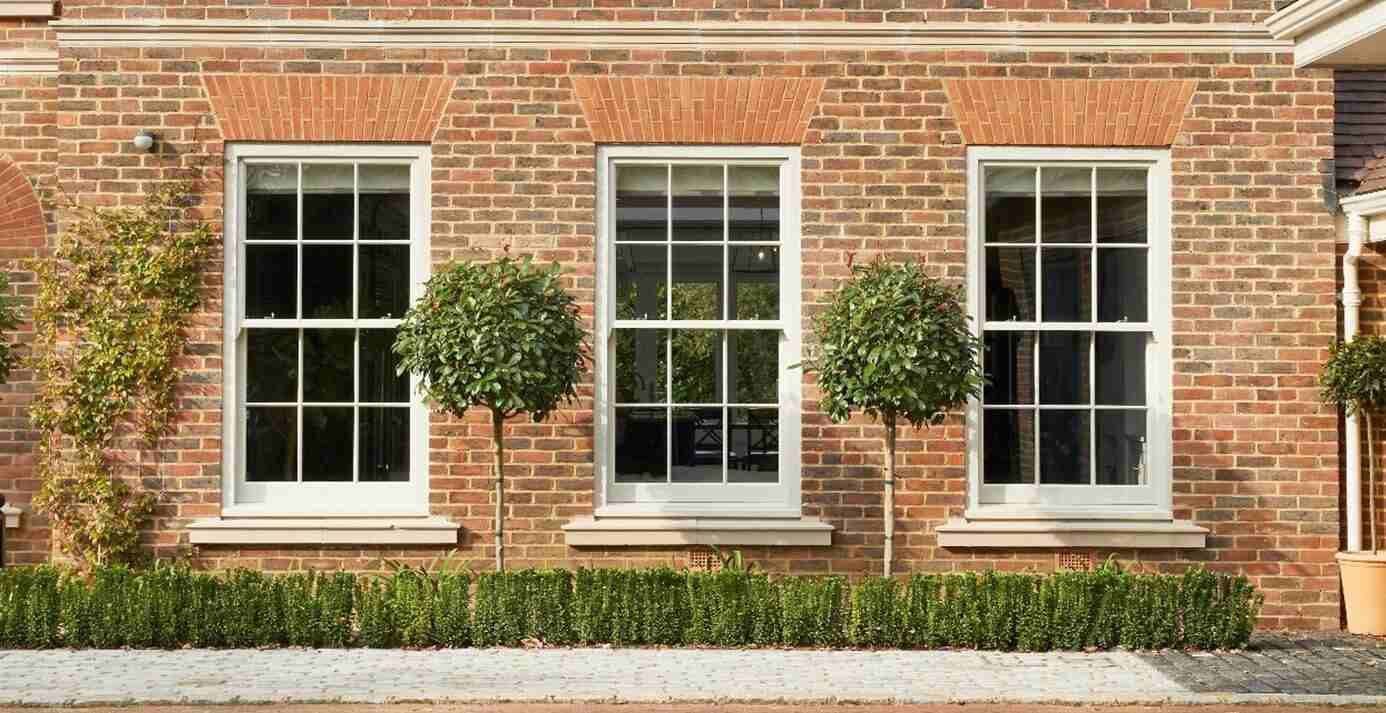
Georgian Style Windows: Patterns, Prices & Materials Guide (2026)
Georgian windowsare a timeless architectural feature that has been used in homes since the Georgian era. Known for their elegant design, these traditional Georg...