
.svg)
What Are Cottage Windows? Styles, Materials & Costs
Quick Answer
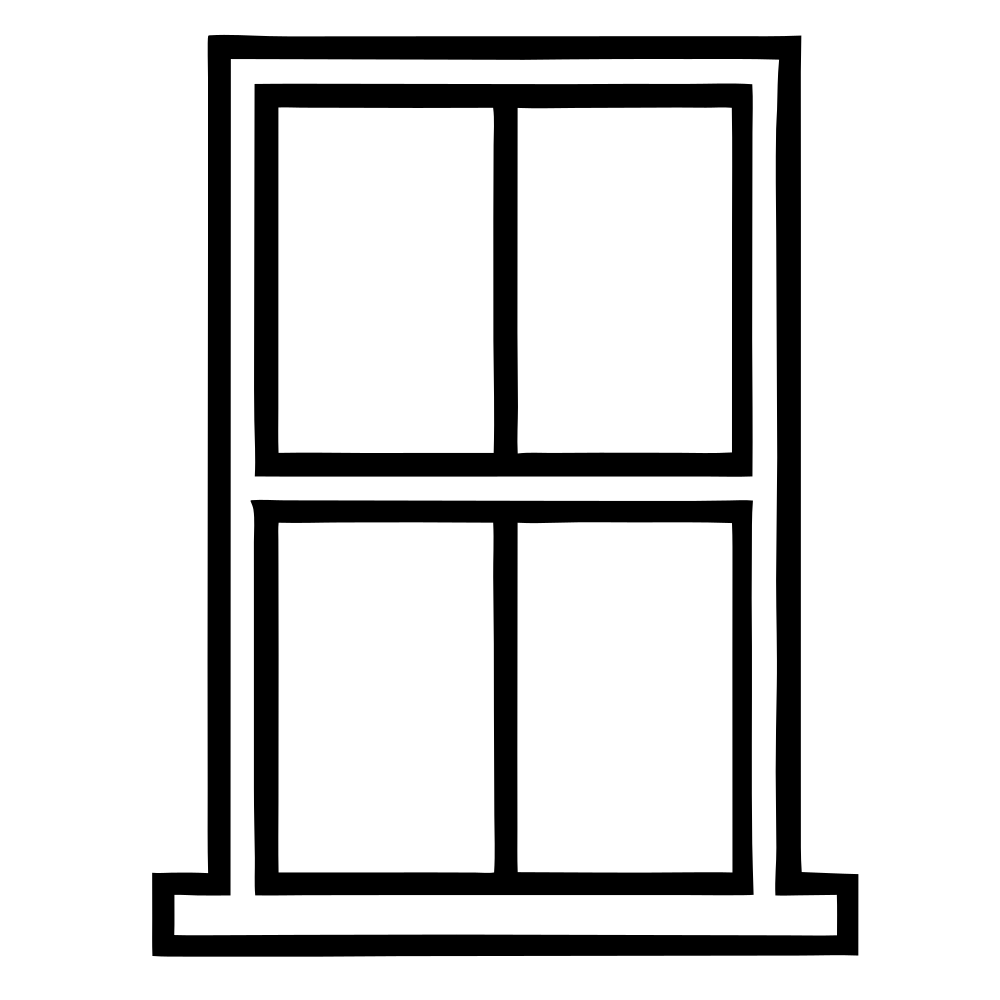
Cottage windows are a style of casement window characterised by a horizontal glazing bar that divides the window into upper and lower sections, creating a distinctive two-pane-over-two-pane or one-pane-over-one-pane appearance. The horizontal bar sits slightly above the mid-point of the window, giving the upper pane a squarer proportion. This design originated in rural English cottages and farmhouses from the 17th century onwards and remains a popular choice for properties seeking a traditional, country aesthetic. Modern cottage-style windows are available in uPVC, timber, and aluminium with full double or triple glazing.
At a Glance
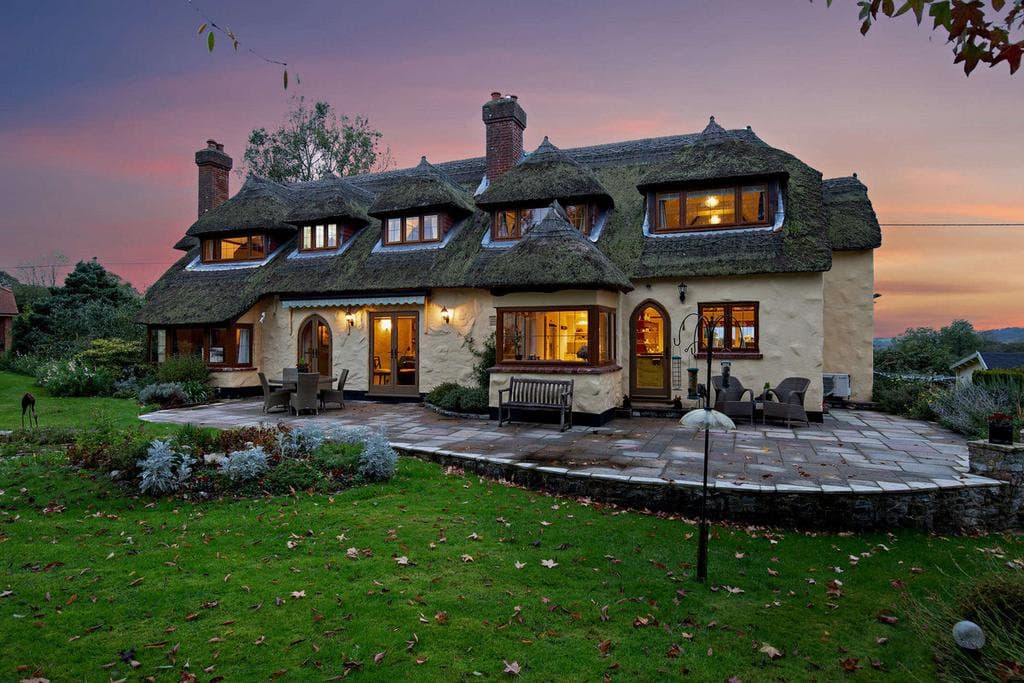
Cottage windows are one of the most charming and recognisable window styles in the British architectural tradition. Found on thatched cottages in the Cotswolds, stone farmhouses in Yorkshire, and timber-framed buildings across the Home Counties, the cottage-style window with its characteristic horizontal glazing bar has been a staple of rural British architecture for centuries. Today, cottage-style windows are popular not only for authentic period properties but also for new-build homes, barn conversions, and any property where a traditional, country character is desired. This guide explains the history of cottage windows, the different styles available, material options, costs, and how to choose the right cottage window for your home.
The History of Cottage Windows
The cottage window style evolved from practical necessity in rural English building. From the 17th century onwards, cottages and farmhouses used simple casement windows with small panes of glass held in place by lead cames (strips) or wooden glazing bars. As glass manufacturing improved and became more affordable in the 18th and 19th centuries, the number of panes in each window decreased, eventually settling on the characteristic two-over-two or one-over-one layout divided by a single horizontal bar. The horizontal bar served both structural and practical purposes: it stiffened the window frame, allowed the upper section to be fixed while the lower section opened, and created a visual division that suited the modest proportions of cottage architecture. Unlike the Georgian sash window, which was a product of fashionable urban architecture, the cottage casement was a vernacular design that evolved organically in rural communities, which is why it has such an authentic, unpretentious character.
Cottage Window Styles and Configurations
The classic cottage window features a horizontal glazing bar with a taller upper section and a shorter lower section, or two sections of equal height. Common configurations include a single casement with horizontal bar (one opening sash divided into upper and lower sections), a pair of casements with horizontal bars (two side-by-side opening sashes, each divided by a horizontal bar), and a three-light configuration with a larger fixed centre pane flanked by smaller opening casements, all with horizontal bars. Some cottage windows also incorporate vertical glazing bars to create a multi-pane effect, combining the cottage horizontal bar with Georgian-style grid patterns. Leaded-light cottage windows use diamond or square lead came patterns instead of wooden glazing bars, giving a medieval or Tudor appearance. This variation is common on very old cottages and is often replicated on modern homes seeking the most traditional look. The most important visual detail is the proportions: cottage windows are typically wider than they are tall, or approximately square, in contrast to sash windows which are always taller than they are wide.
Materials for Modern Cottage Windows
Timber cottage windows are the most authentic choice, using softwood (from approximately £500 per window) or hardwood (from approximately £800 per window). Timber allows for traditional moulding profiles, slim glazing bars, and a natural appearance that suits period properties and conservation areas. Modern factory-finished timber windows with microporous paint systems require less maintenance than traditional hand-painted windows. uPVC cottage-style windows offer the traditional appearance at a lower price (from approximately £350 per window) with virtually no maintenance. Modern uPVC profiles can closely replicate the proportions and moulding details of timber cottage windows, including mechanical joint options that eliminate the visible welded corner associated with older uPVC windows. Woodgrain foils in golden oak, rosewood, and other finishes add to the authentic appearance. Aluminium cottage-style windows provide slim frame profiles and a contemporary interpretation of the traditional style, priced from approximately £600 per window. They are particularly suited to modern barn conversions where a blend of traditional and industrial aesthetics is desired.
Cottage Windows for Conservation Areas
Many properties with cottage windows are located in rural conservation areas where planning restrictions apply. Conservation officers in these areas typically expect replacement windows to match the originals in terms of material, glazing bar profile, opening method, and overall proportions. Timber is usually required in conservation areas, although some councils accept high-quality uPVC with appropriate detailing. The horizontal glazing bar should be a through-bar or high-quality plant-on bar with a matching spacer bar between the glass panes, not a simple applied strip. The opening method should replicate the original, which for most cottage windows means side-hung casement with peg stays or traditional espagnolette handles. If your cottage is listed, additional restrictions apply, and you may need listed building consent for any window changes. For listed buildings, slim-profile double glazing (14-16mm units) or secondary glazing may be the only approved options. Harrington Windows has extensive experience with conservation-grade cottage windows and works closely with local planning authorities.
Glazing Options for Cottage Windows
Standard double glazing with low-e glass and argon gas fill is appropriate for most cottage window replacements, achieving U-values of 1.2-1.4 W/m²K. For properties in conservation areas where slimmer sealed units are required, slim-profile double glazing (14-16mm total thickness compared with the standard 24-28mm) is available, though with slightly reduced thermal performance (U-values of approximately 1.6-1.8 W/m²K). Leaded-light cottage windows can be double-glazed using sealed units with internal lead strip decoration that replicates the appearance of traditional lead cames without compromising thermal performance. This is a popular option for achieving an authentic lead-light appearance with modern insulation. For the most authentic restoration, individual glazed panes with traditional linseed oil putty are still available, though single glazing is only appropriate for listed buildings where planning restrictions prevent double glazing. Decorative glass options include obscure glass for bathrooms, textured glass for privacy, and heritage glass with subtle distortions that replicate the character of antique glass.
Ironmongery and Hardware
The hardware on cottage windows is an important part of the overall character. Traditional cottage window furniture includes monkey tail or rat tail espagnolette handles, casement stays with peg holes for holding the window open at various positions, and butt hinges or friction stays. These items are available in a range of finishes including black antique iron, pewter, polished brass, aged brass, and chrome, allowing you to match the hardware to the property's period and style. For uPVC cottage windows, traditional-style handles and stays are available in black or heritage finishes that closely replicate the appearance of hand-forged iron furniture. The night vent position on modern friction hinges provides secure ventilation, though for the most traditional appearance, peg stays with fixed positions are preferred. Locking furniture should include multi-point locking for security, regardless of the traditional external appearance.
Energy Efficiency and Performance
Modern cottage-style windows offer excellent energy efficiency regardless of their traditional appearance. Double-glazed cottage windows with low-e glass, argon gas, and warm-edge spacers achieve U-values of 1.2-1.4 W/m²K, meeting Building Regulations requirements. The horizontal glazing bar has minimal impact on thermal performance when it is a plant-on bar applied to a single sealed unit. True glazing bars that physically divide the glass into separate panes create a slightly less efficient window due to the additional sealant junctions, but the difference is modest. Triple glazing is available for cottage-style windows and achieves U-values of 0.8-1.0 W/m²K, though the additional unit thickness and weight should be discussed with your supplier to ensure compatibility with the cottage window profile and hardware. Trickle vents are typically required under Building Regulations for replacement windows. On cottage windows, they can be fitted into the frame head and finished to match the frame colour, maintaining the traditional appearance.
Cottage Windows vs Other Styles
Cottage windows differ from other popular window styles in several key ways. Compared with Georgian windows, cottage windows use a single horizontal bar rather than a grid of multiple bars. Georgian windows are always sash (sliding); cottage windows are always casement (hinged). Georgian windows suit formal, symmetrical architecture; cottage windows suit informal, rural properties. Compared with plain casement windows, cottage windows have the distinctive horizontal bar that adds character and visual interest. Plain casements have an uninterrupted glass area that suits modern properties. Compared with sash windows, cottage windows open outward on hinges rather than sliding vertically. They are generally less expensive and simpler to maintain than sash windows. Cottage casements suit properties built before the widespread adoption of sash windows and those in rural vernacular styles.
Pros and Cons
Advantages
- Charming traditional appearance that suits cottages, farmhouses, and rural properties
- Available in uPVC, timber, and aluminium at a range of price points
- Full double or triple glazing for modern energy efficiency behind the traditional look
- Wide range of traditional hardware options in period finishes
- Generally accepted by conservation officers when specified in timber with correct details
Disadvantages
- Horizontal bar reduces the uninterrupted glass area compared with plain casements
- May look out of place on modern or urban properties where other styles are more appropriate
- Conservation-grade timber versions require periodic maintenance (painting every 5-8 years)
- True glazing bars are more expensive and less thermally efficient than plant-on bars
- Limited opening configurations compared with sash or tilt and turn windows
Cost Guide
Cottage-style window prices in the UK: uPVC cottage casement £350-£700 per window installed, timber cottage casement £500-£1,200, aluminium cottage casement £600-£1,000. Leaded-light cottage windows add approximately £50-£150 per window to these prices. For a full house replacement on a three-bedroom cottage (typically 8-12 windows), budget £3,500-£7,000 for uPVC or £5,000-£14,000 for timber. Traditional ironmongery (monkey tail handles, peg stays) in heritage finishes adds £30-£80 per window. Prices include VAT, FENSA-registered installation, and disposal of old windows.
Is It Right for Your Home?
Cottage-style windows are the right choice if your property is a traditional cottage, farmhouse, or rural home where the horizontal-bar casement style was the original window type. They are also an excellent choice for barn conversions, new-build homes in rural settings, and any property where you want a warm, traditional, country character. If your property is Georgian, Victorian, or Edwardian, sash windows or Georgian-bar casements are more architecturally appropriate. If your property is modern and you want maximum glass area and clean lines, plain casement or tilt and turn windows may be better suited. For very old cottages with leaded-light windows, the leaded-light variation of the cottage window maintains the most authentic appearance.
Frequently Asked Questions
Cottage windows are casement windows with a horizontal glazing bar that divides the window into upper and lower sections. This traditional style originated in English rural cottages and farmhouses. They are available in timber, uPVC, and aluminium with modern double or triple glazing.
A cottage-style window is any modern window that replicates the traditional cottage window appearance, featuring a horizontal bar and casement opening. uPVC cottage-style windows with woodgrain foils are a popular affordable option that captures the look without the maintenance of timber. They start from approximately £350 per window.
uPVC cottage windows cost £350-£700 per window installed. Timber cottage windows cost £500-£1,200. Aluminium versions cost £600-£1,000. A full set for a three-bedroom cottage costs £3,500-£7,000 in uPVC or £5,000-£14,000 in timber. Prices include installation and VAT.
Yes, all modern cottage-style windows are available with double or triple glazing. The horizontal bar can be a plant-on bar applied to a full sealed unit (for best thermal performance) or a true through-bar with individually glazed panes (for most authentic appearance). Double-glazed cottage windows achieve U-values of 1.2-1.4 W/m²K.
Yes, timber cottage windows with appropriate detailing (correct bar profiles, traditional hardware, suitable glazing) are generally well accepted by conservation officers. uPVC may be accepted in some areas. Always consult your local planning authority. Listed buildings may require additional consent for any window changes.
Cottage windows have a single horizontal bar dividing the window into two sections and open outward on hinges (casement). Georgian windows have a grid of multiple bars creating many small panes and slide vertically (sash). Cottage windows suit rural, informal properties; Georgian windows suit formal, urban architecture.
Traditional cottage window hardware includes monkey tail or rat tail espagnolette handles, peg casement stays, and butt or friction hinges. These are available in black antique iron, pewter, brass, and chrome finishes. Modern multi-point locking can be concealed behind traditional external hardware for security.
Yes, leaded-light cottage windows are available with diamond or square lead patterns applied to sealed double-glazed units. Internal lead strip decoration replicates traditional lead cames without compromising thermal performance. This option adds approximately £50-£150 per window to the standard cottage window price.
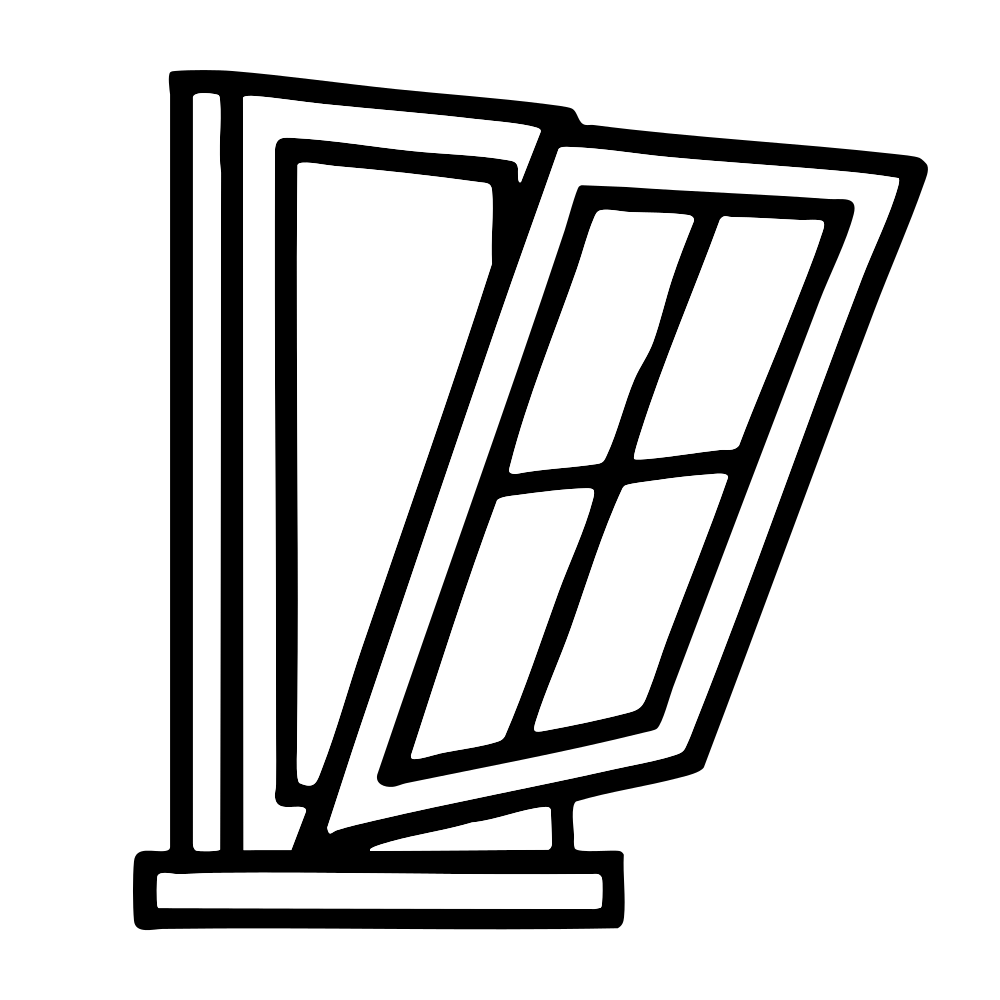
Cottage windows are casement windows that open outward on side hinges (side-hung) or top hinges (top-hung). They can include a combination of fixed and opening sections. Traditional peg stays hold the window at set positions. Modern versions use friction hinges that hold at any angle and include a night vent position.
Yes, modern cottage-style windows with double glazing achieve U-values of 1.2-1.4 W/m²K, meeting current Building Regulations. The horizontal bar has minimal impact on thermal performance when plant-on bars are used. Triple-glazed options achieve 0.8-1.0 W/m²K. They are as energy efficient as any other casement window.
Ready to Get Started?
Get a free, no-obligation quote for your window project. Our experts will help you choose the perfect windows.