
.svg)
What Are Casement Windows? The Complete UK Guide
Quick Answer
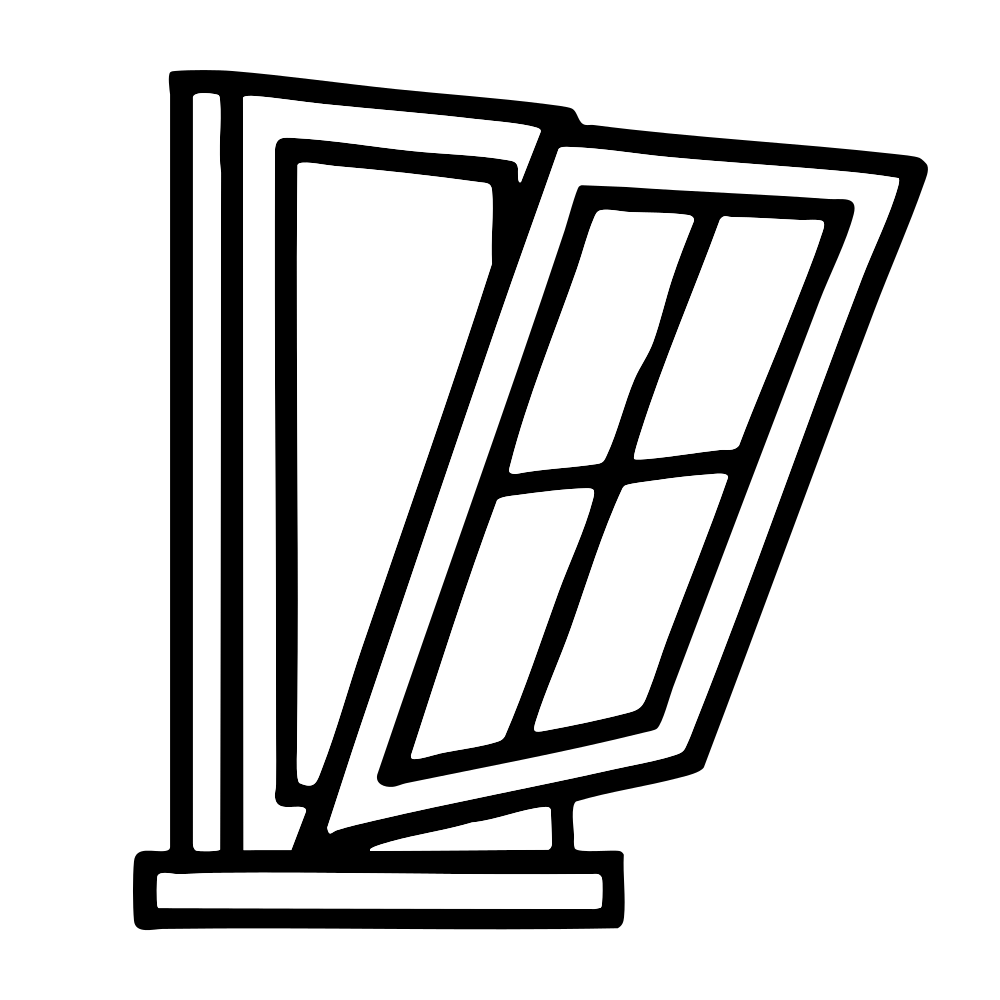
Casement windows are hinged windows that swing open outward (or occasionally inward) on vertical or horizontal hinges attached to the side or top of the frame. They are the most common window type in the UK, accounting for over 80% of all residential window installations. Casement windows offer excellent ventilation, security, and weatherproofing, and are available in uPVC, timber, and aluminium.
At a Glance
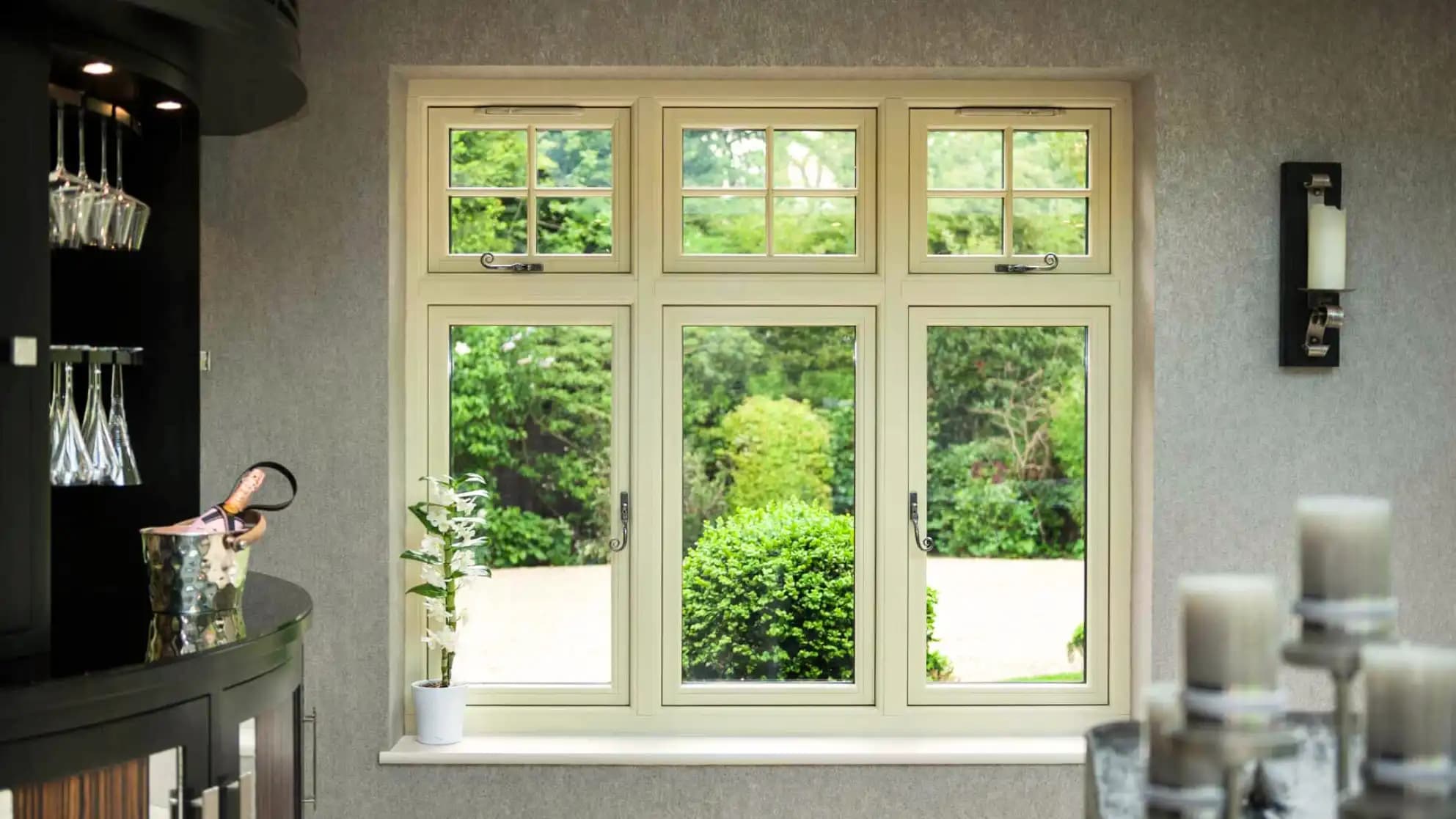
Casement windows are the backbone of the UK window market and have been the default choice for British homes for decades. Their simple hinged design makes them versatile, affordable, and suitable for virtually any property type, from modern new builds to Victorian terraces. A casement window consists of a fixed outer frame and one or more opening sashes that are attached by hinges on the side (side-hung) or at the top (top-hung). When opened, the sash swings outward, allowing fresh air to flow into the room. This guide covers everything you need to know about casement windows, including how they work, the different types available, material options, costs, energy efficiency, and security features, helping you make an informed decision for your home improvement project.
How Casement Windows Work
Casement windows operate on a straightforward hinge mechanism. The opening sash is connected to the frame by two or more friction hinges (also called friction stays) that allow the window to swing open to a controlled angle, typically around 90 degrees. A single espagnolette handle controls the locking mechanism, which engages multiple locking points around the frame for security and weathertightness. When the handle is turned to the open position, the locking points disengage and the window can be pushed open. Many casement windows also feature a night vent position, where the handle can be turned to a partially locked setting that allows the window to open just a few centimetres for ventilation while remaining securely locked. The friction hinges hold the window at any angle without the need for stays or props, making casement windows simple and intuitive to operate.
Side-Hung vs Top-Hung Casement Windows
Side-hung casement windows have hinges mounted on the left or right vertical edge of the sash, causing the window to swing open like a door. They provide a wide, unobstructed opening that allows maximum airflow and makes cleaning the exterior glass straightforward from inside. Side-hung casements are the most common type for main living areas and bedrooms. Top-hung casement windows (also called awning windows in some markets) have hinges at the top of the sash, causing the window to swing outward from the bottom. This design provides ventilation even during light rain, as the open sash acts as a small canopy, deflecting rainwater away from the opening. Top-hung windows are frequently used in kitchens and bathrooms where ventilation is important but rain protection is also desirable. Many window configurations combine both types, with a larger side-hung sash alongside a smaller top-hung vent light.
Material Choices: uPVC, Timber, and Aluminium
uPVC casement windows dominate the UK market, accounting for approximately 85% of all installations. They offer the best value for money, with prices from around £300 per window, and require virtually no maintenance beyond occasional cleaning. Modern uPVC profiles feature multi-chambered construction for excellent thermal insulation and are available in a wide range of colours and woodgrain finishes. Timber casement windows provide a natural, authentic appearance that many homeowners prefer, particularly for period properties. Softwood options start from around £500 per window, while hardwood species like Accoya or Sapele range from £800-£1,500. Timber requires periodic painting or staining but offers an unmatched warmth and character. Aluminium casement windows deliver the slimmest frame profiles and a distinctly contemporary aesthetic, with prices from £600 per window. Powder-coated finishes are extremely durable and available in any RAL colour. Dual-colour aluminium allows different colours inside and out.
Ventilation and Airflow
Casement windows are among the best window types for natural ventilation. Because the entire sash opens outward, they can catch side breezes and funnel air into the room, unlike sliding windows that can only open to 50% of their area. A fully open side-hung casement window provides 100% of its sash area as a ventilation opening, making them highly effective for rapid air exchange. Building Regulations in England (Approved Document F) require habitable rooms to have purge ventilation capability, which casement windows easily satisfy. For background ventilation, most casement windows are fitted with trickle vents in the frame head, providing a controlled airflow when the window is closed. Top-hung casement windows provide gentle, draught-free ventilation that is particularly useful during cooler months when you want fresh air without a direct breeze. The combination of full-opening sashes and trickle vents gives homeowners flexible control over their indoor air quality throughout the year.
Energy Efficiency and Thermal Performance
Modern casement windows offer excellent energy efficiency, with double-glazed units achieving U-values of 1.2-1.4 W/m2K and triple-glazed options reaching as low as 0.8 W/m2K. These values comfortably meet the Building Regulations requirement of 1.4 W/m2K maximum for replacement windows in England. The compression seal design of casement windows, where the sash presses firmly against weatherseals in the frame when closed, provides superior airtightness compared to sliding window types. This minimises draughts and heat loss through air leakage. Most quality casement windows carry Window Energy Ratings of A or above, meaning they are net energy gainers over a heating season when solar heat gain is factored in alongside their low heat loss. When specifying casement windows, look for features like warm-edge spacer bars, argon or krypton gas-filled cavities, and low-emissivity glass coatings, all of which contribute to optimal thermal performance and lower energy bills.
Security Standards and Features
Casement windows can be made highly secure with modern locking systems. The standard multi-point espagnolette lock engages mushroom cam locking points at multiple positions around the frame, typically four to eight points depending on the window size. For enhanced security, look for windows tested to PAS 24:2022 standards and carrying the Secured by Design accreditation, the official UK police preferred specification. Key security features to look for include: internally glazed sealed units that cannot be removed from the outside, laminated glass options for resistance against forced entry, key-locking handles that prevent the window being opened without a key, anti-lift hinge pins that prevent the sash being lifted off its hinges, and restrictors that limit the opening to 100mm for child safety while maintaining ventilation. Ground-floor windows are particularly vulnerable to break-in attempts, so investing in Secured by Design casement windows for these locations is a sensible precaution.
Common Casement Window Configurations
Casement windows are available in a wide range of configurations to suit different openings and room types. The simplest is a single-sash window with one opening light, commonly used in bathrooms and smaller rooms. Two-sash windows with both sashes opening are popular for bedrooms, while a common lounge configuration features a large fixed centre pane flanked by two narrower opening sashes. Three-light configurations with a combination of fixed and opening panes suit wider openings and provide an attractive balanced appearance. For very wide openings, four-light or five-light configurations can span several metres. Many casement window designs incorporate a top-hung vent light above the main opening sash, providing additional ventilation options. Cottage-style casement windows feature a horizontal glazing bar that divides the window into upper and lower panes, giving a traditional appearance that suits older properties. Georgian-bar casement windows add a grid pattern to replicate the multi-pane look of period glazing.
Maintenance and Longevity
The maintenance requirements for casement windows vary significantly by material. uPVC casement windows require the least upkeep: regular cleaning with warm soapy water, annual lubrication of hinges and locking mechanisms with light machine oil, and periodic checking of weatherseals are all that is needed. uPVC frames will not rot, warp, or need painting, and typically last 20-30 years before replacement. Timber casement windows require more attention, including repainting or restaining every 5-8 years for softwood or 8-12 years for hardwood. Well-maintained timber windows can last 40-60 years or longer. Aluminium casement windows need only occasional cleaning, as their powder-coated finish is highly resistant to corrosion and fading, with lifespans of 30-45 years. Regardless of material, the key maintenance tasks are keeping drainage slots clear to prevent water build-up, ensuring friction hinges are adjusted correctly, and replacing worn weatherseals when draughts become noticeable.
Pros and Cons
Advantages
- Most affordable window type with prices from £300 per window in uPVC
- Excellent ventilation with 100% sash opening area
- Superior weathertightness due to compression seal design
- Widest range of materials, colours, and configuration options
- Strong security credentials with multi-point locking as standard
Disadvantages
- Outward opening sashes can obstruct external walkways or balconies
- Standard profiles have a stepped sash that may not suit conservation areas
- Cannot be opened during heavy wind and rain without water ingress
- Friction hinges may need adjustment or replacement after 10-15 years
Cost Guide
Casement window prices in the UK range from approximately £300 to £1,500 per window depending on material, size, and glazing specification. Standard white uPVC casement windows cost £300-£500 per window fully fitted, making them the most budget-friendly option. Coloured or woodgrain uPVC adds £50-£100 per window. Timber casement windows range from £500-£1,500 depending on species and finish, while aluminium casements typically cost £600-£1,400. For a full house of casement windows on a three-bedroom semi-detached property (approximately eight to ten windows), budget £3,000-£5,000 for uPVC, £5,000-£12,000 for timber, or £6,000-£14,000 for aluminium. All prices include VAT, professional installation, and disposal of old windows. London and the South East carry a 10-20% premium above these national averages.
Is It Right for Your Home?
Casement windows are the right choice for the vast majority of UK homeowners. If you are looking for a reliable, well-proven window type that offers excellent thermal performance, strong security, and good ventilation at a competitive price, casement windows should be at the top of your list. They are particularly well suited to modern and mid-twentieth-century homes where they are the original window style. For period properties, consider the flush sash variant of the casement window, which provides the same benefits with a traditional flat profile. Casement windows may not be the best choice if you need windows that open inward (consider tilt and turn), if you want the traditional sliding action of a sash window for a Victorian or Georgian property, or if your windows are above a public footpath where outward-opening sashes could be an obstruction.
Frequently Asked Questions
A casement window is a hinged window that opens outward on vertical hinges (side-hung) or horizontal hinges (top-hung). It is the most common window type in the UK, used in over 80% of residential installations. The sash swings open like a door, providing full ventilation and easy cleaning.
Casement windows open outward on hinges, while sash windows slide vertically within a frame. Casement windows are generally more affordable, offer better airtightness, and are easier to clean. Sash windows provide a traditional aesthetic suited to period properties and do not protrude when open.
Standard white uPVC casement windows cost £300-£500 per window fully fitted. Timber casements range from £500-£1,500, and aluminium casements from £600-£1,400. A full set of windows for a three-bedroom house typically costs £3,000-£5,000 in uPVC or £5,000-£14,000 in timber or aluminium.
Yes, modern casement windows are very secure. They feature multi-point espagnolette locking with typically four to eight mushroom cam locking points. Many systems carry Secured by Design (PAS 24:2022) accreditation. Internal glazing, key-locking handles, and anti-lift hinge pins further enhance security.
Standard casement windows are often rejected in conservation areas because their stepped sash profile does not match traditional timber windows. However, flush sash casement windows, where the sash sits level with the frame, are widely accepted by conservation officers. Always check with your local planning authority.
uPVC casement windows last 20-30 years, timber casement windows 40-60 years with proper maintenance, and aluminium casement windows 30-45 years. Lifespan depends on product quality, installation quality, exposure to weather, and maintenance. Hardware components like hinges may need replacing before the frames.
A top-hung casement window has hinges at the top of the frame, causing the sash to swing outward from the bottom. This design provides ventilation while deflecting rain away from the opening, making it popular for kitchens and bathrooms. It is also sometimes called an awning window.
Under Building Regulations (Approved Document F), replacement windows should generally replicate the ventilation provisions of the original windows. If the existing windows had trickle vents, replacements should too. For new installations, trickle vents are typically required to ensure adequate background ventilation.
Yes, casement windows are available with double or triple glazing. Double-glazed casement windows achieve U-values of 1.2-1.4 W/m²K, while triple-glazed versions reach 0.8-1.0 W/m²K. Both options exceed the Building Regulations minimum requirement of 1.4 W/m²K for replacement windows.
Casement windows are available in a vast range of colours. uPVC options include white, cream, grey, black, green, and numerous woodgrain foils. Aluminium windows can be powder-coated in any RAL colour. Timber can be painted or stained to any colour. Dual-colour options allow different finishes inside and out.
Ready to Get Started?
Get a free, no-obligation quote for your window project. Our experts will help you choose the perfect windows.