
.svg)

What Are Georgian Windows? Style, History & Modern Options
Quick Answer
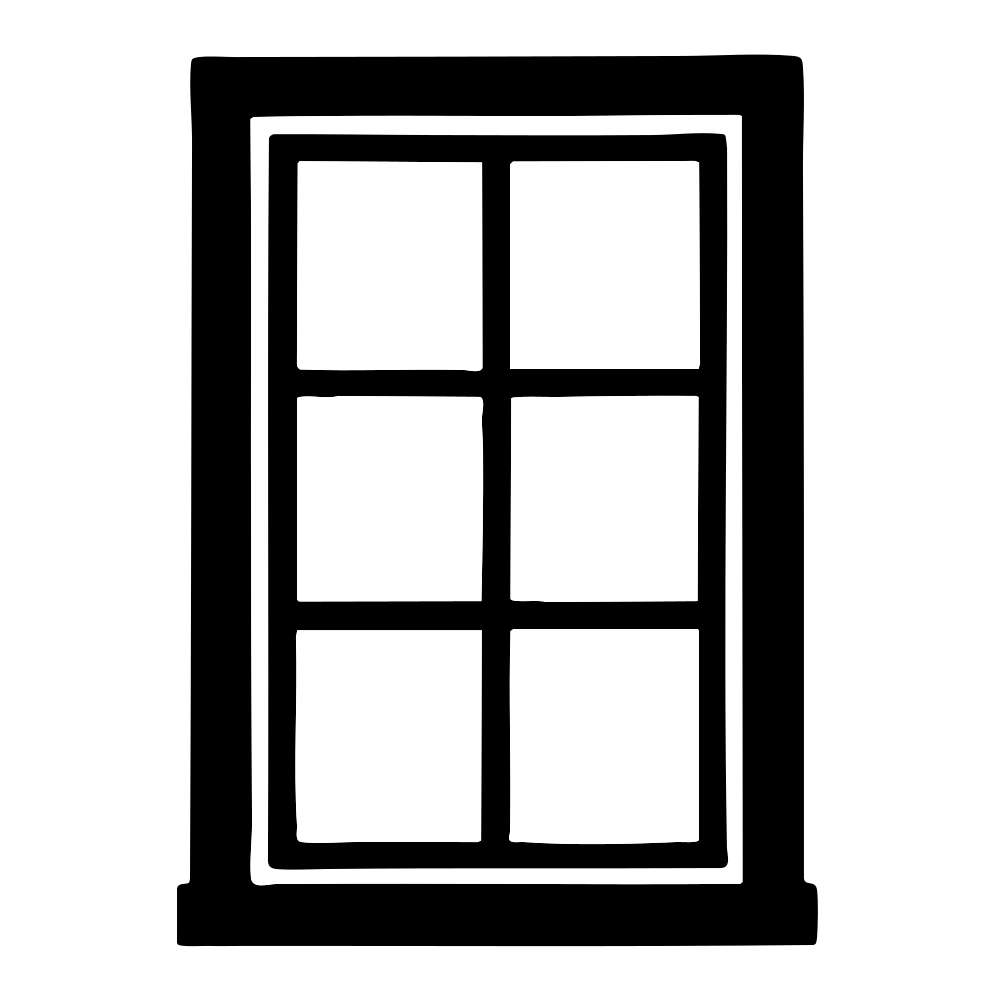
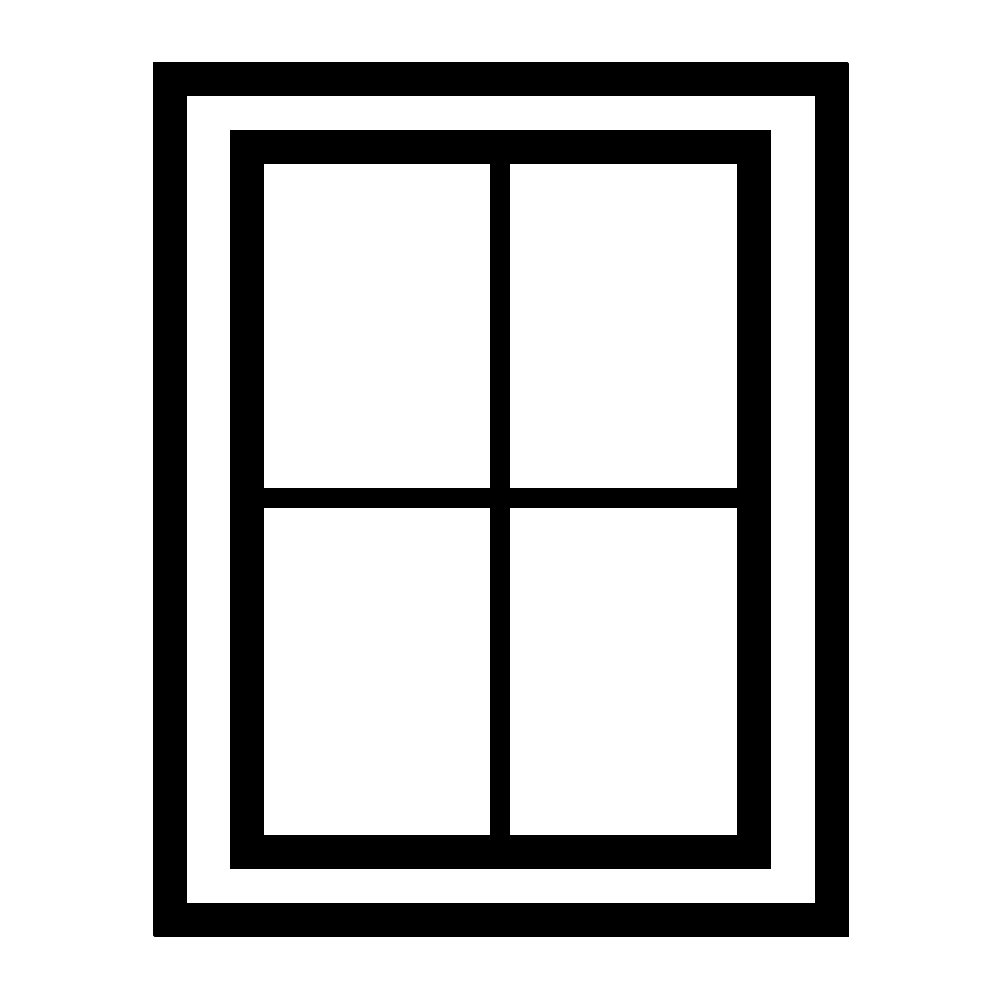
Georgian windows are a style of sash window characterised by multiple small panes of glass separated by slender glazing bars (also called astragal bars or muntins), arranged in a symmetrical grid pattern. The classic Georgian window features six panes over six panes (6-over-6) in a double-hung sash configuration. This design originated during the Georgian era (1714-1830) when glass manufacturing technology could only produce small panes of crown glass, necessitating the multi-pane layout that has since become one of the most recognised and admired window styles in British architecture.
At a Glance
Georgian windows are among the most elegant and recognisable window styles in British architecture. Walk along any Georgian terrace in London, Bath, Edinburgh, or Dublin and you will see row after row of perfectly proportioned sash windows with their distinctive multi-pane glazing patterns. The style was born from a combination of glass-making limitations and the classical architectural principles of symmetry and proportion that defined the Georgian era. Today, Georgian-style windows remain hugely popular both for authentic restoration of period properties and for new homes seeking a timeless, classical appearance. This guide explains the history of Georgian windows, the different glazing bar patterns and their significance, material options for modern Georgian-style windows, and what to consider when replacing Georgian windows in conservation areas.
The History of Georgian Window Design
The Georgian era spans the reigns of Kings George I through George IV (1714-1830) and represents one of the most refined periods in British architectural history. During this period, window design was driven by two factors: the limitations of crown glass manufacturing and the prevailing Palladian architectural style that prized mathematical proportion and symmetry. Crown glass, the primary window glass of the 18th century, was made by blowing a glass bubble, then spinning it into a flat disc. The size of individual panes was limited to approximately 250mm by 200mm, which meant that larger window openings had to be divided into multiple panes separated by wooden glazing bars. The 6-over-6 pattern became the standard for most domestic Georgian buildings, though grander properties used 8-over-8 or even 12-over-12 configurations. Early Georgian glazing bars were thick and heavy, but as joinery techniques improved through the century, they became progressively slender, reaching a refined elegance by the late 18th century with profiles as narrow as 15-18mm.
Georgian Glazing Bar Patterns Explained
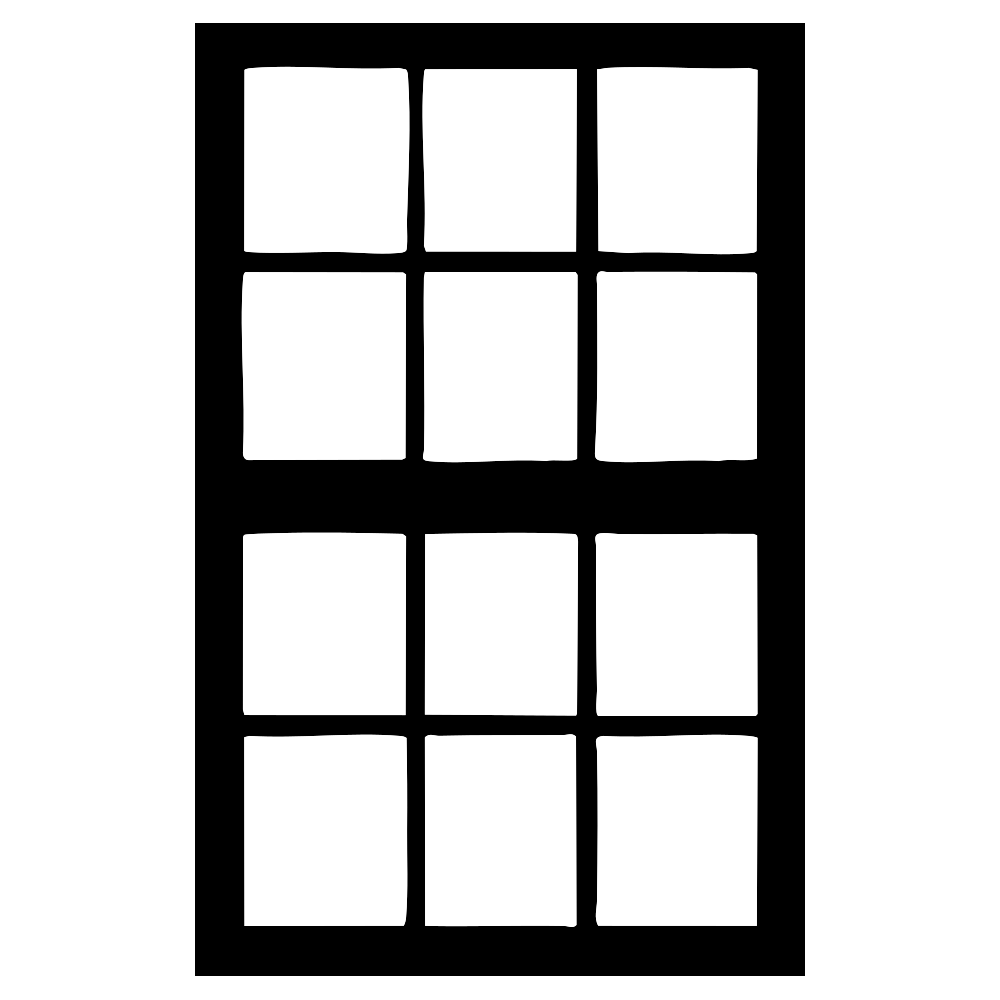
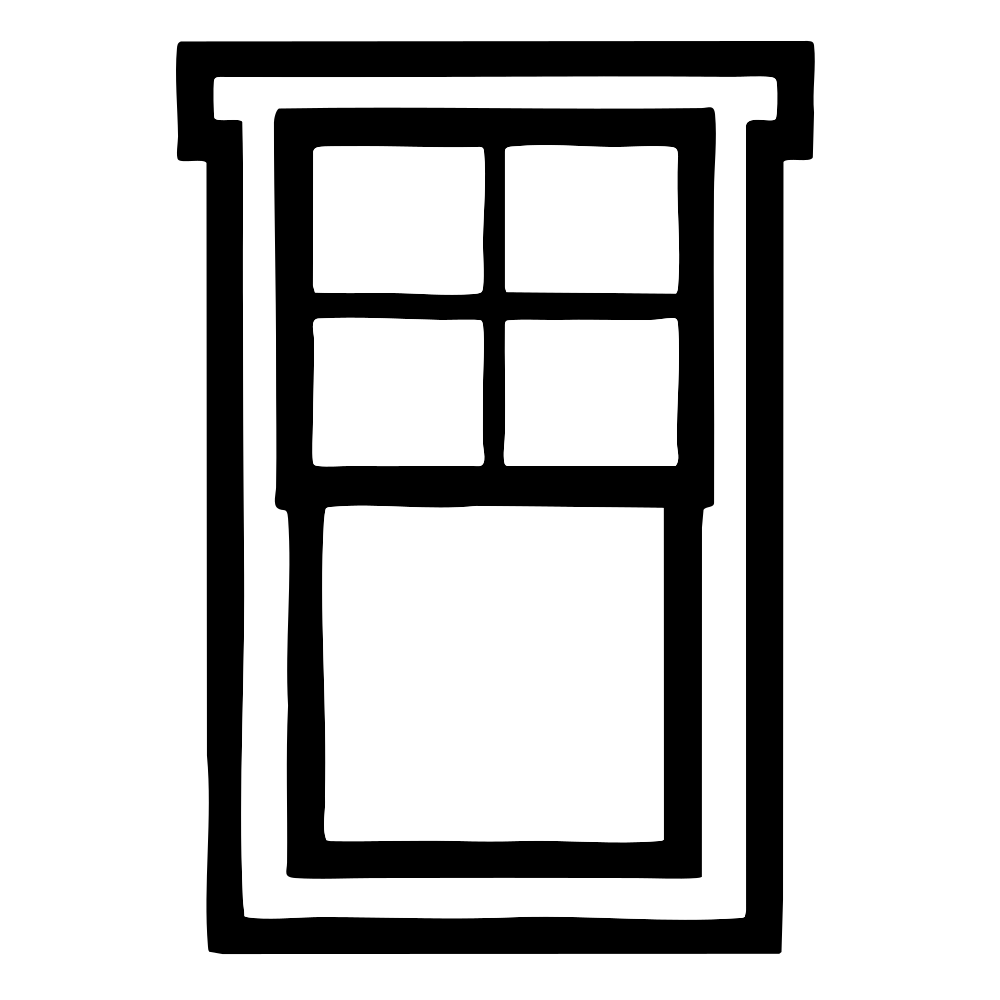
The number of panes in a Georgian window typically indicates its period and the status of the property. The 6-over-6 pattern (six panes in the upper sash and six in the lower sash, arranged in a 3-wide by 2-high grid) is the most common and is considered the quintessential Georgian window. It was used in the majority of domestic Georgian properties from townhouses to rural farmhouses. The 8-over-8 and 12-over-12 patterns were used for larger, grander windows in more prestigious buildings. Some early Georgian properties feature 9-over-9 or even 12-over-12 patterns reflecting earlier manufacturing constraints. Late Georgian and Regency windows (1790-1830) often transitioned to larger pane sizes as glass technology improved, with 3-over-6 or 2-over-2 patterns becoming more common. The proportions of each pane were carefully calculated, typically using a height-to-width ratio of approximately 3:2, creating the harmonious visual rhythm that makes Georgian terraces so aesthetically pleasing.
Types of Glazing Bars for Modern Georgian Windows
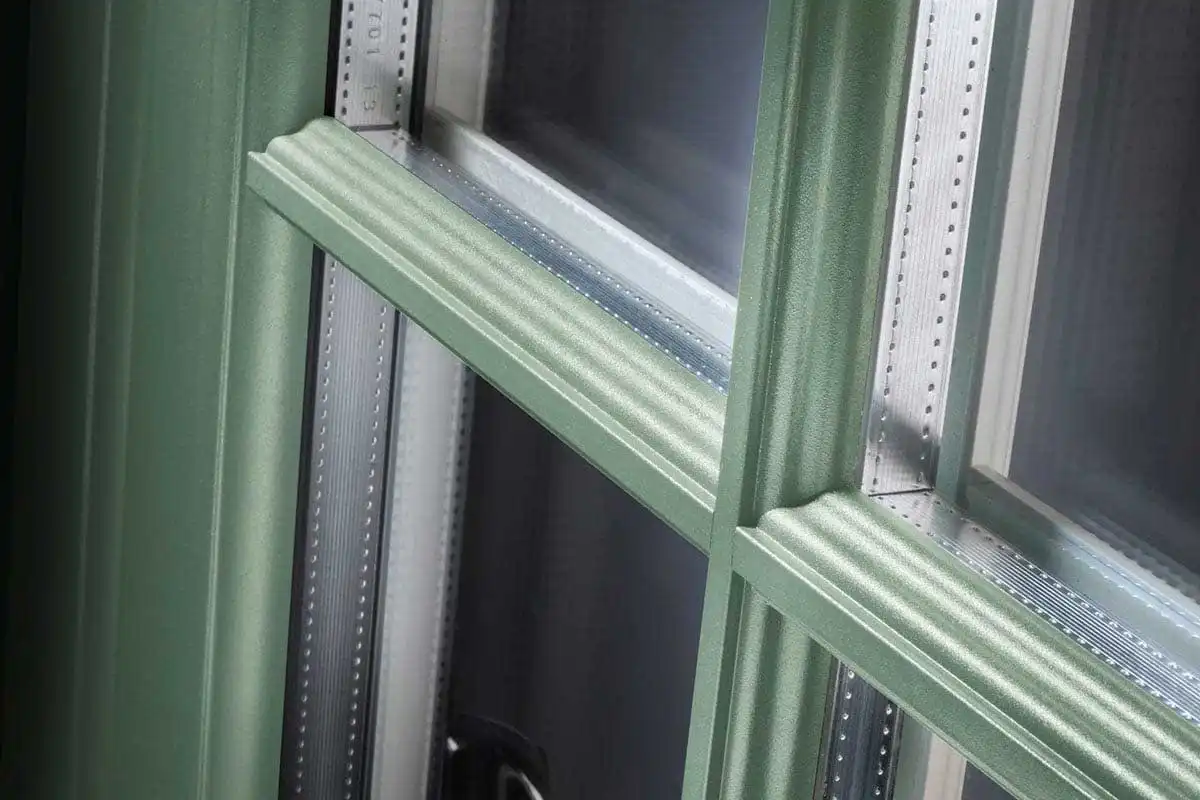
When replacing or replicating Georgian windows today, there are three main approaches to the glazing bars. True glazing bars (also called through-bars) are structural bars that actually divide the glass into individual panes, just as the originals did. Each pane is individually glazed with putty or beading. This is the most authentic option and is typically required for listed buildings and many conservation areas. Plant-on glazing bars (also called applied or clip-on bars) are cosmetic bars fixed to the exterior surface of a single large sealed unit, with a matching internal bar, and a spacer bar between the glass panes to create the illusion of individual panes. This approach allows full double-glazing performance while closely replicating the Georgian appearance. Internal grid bars (also called Georgian bars or grilles) are spacer bars placed between the two panes of a double-glazed unit, sometimes combined with external plant-on bars. This is the least authentic option but the easiest to clean and maintain. For conservation areas, true bars or high-quality plant-on bars with matching spacer bars are generally required.
Materials for Georgian-Style Windows
Timber is the traditional and most authentic material for Georgian windows. Softwood (typically Scandinavian redwood or Douglas fir) was used for the majority of original Georgian windows, while hardwood was reserved for premium properties. Today, engineered timber and modified wood species like Accoya offer superior dimensional stability and rot resistance while maintaining the authentic appearance. Timber Georgian windows start from approximately £1,000 per window and range up to £2,500 for hardwood box sash versions with true glazing bars. uPVC Georgian-style windows offer a more affordable alternative at £500-£1,000 per window. Modern uPVC profiles can incorporate plant-on bars and astragal details that closely replicate the Georgian appearance, though the bar profiles are typically wider than timber originals. uPVC Georgian windows are suitable for non-conservation properties where the appearance is desired without the maintenance commitment. Aluminium Georgian-style windows are less common but available, offering slim profiles that can more closely match the slender glazing bars of original Georgian windows than uPVC.
Georgian Window Proportions and Architecture
Georgian architecture is governed by strict rules of proportion derived from classical Roman and Greek principles, and windows are central to this system. In a typical Georgian terrace, windows decrease in height as you ascend the building: the tallest windows are on the first floor (the piano nobile or main reception floor), with progressively shorter windows on upper floors. The ground floor windows are taller than upper floors but often partially below street level. All windows on a given floor are identical in size and evenly spaced across the facade, creating the ordered rhythm that characterises Georgian streetscapes. The ratio of window to wall is carefully controlled, typically with windows occupying 30-40% of the facade area. Window reveals (the depth of the window behind the brick face) are also important, with Georgian windows typically set back 100-115mm from the face of the brickwork. The Building Act of 1709 required sash boxes to be set behind the facade rather than flush with it, creating the characteristic recessed appearance.
Replacing Georgian Windows in Conservation Areas
Many Georgian properties fall within conservation areas or are individually listed, which places strict controls on window replacement. Conservation officers typically require that replacement windows match the originals in terms of material (usually timber), glazing bar profile (putty-line mouldings matching the original dimensions), number and arrangement of panes, glass type (clear float or, in some cases, hand-blown cylinder glass for listed buildings), sash proportions including horn details (noting that original Georgian windows did not have sash horns), and opening mechanism. The key challenge is achieving modern thermal performance within these constraints. Solutions include slim-profile double glazing (14-16mm units versus the standard 28mm), vacuum glazing that fits within original glazing rebates, and secondary glazing as a reversible internal addition. Heritage organisations such as Historic England provide detailed guidance on window replacement in historic buildings, and Harrington Windows works closely with conservation officers to develop solutions that satisfy both heritage requirements and modern performance expectations.
Energy Efficiency of Modern Georgian Windows
Modern Georgian-style windows can achieve excellent energy efficiency despite the traditional appearance. Double-glazed Georgian windows with plant-on bars achieve the same U-values as standard double-glazed windows (1.2-1.4 W/m²K) because the glazing bars are cosmetic and do not affect the sealed unit performance. Georgian windows with true glazing bars and individually glazed panes are inherently less thermally efficient because the multiple putty joints and additional bar material create more paths for heat transfer. However, slim-profile double-glazed sealed units sized to fit individual Georgian panes are now available, achieving significantly better performance than single glazing. For the best combination of authenticity and efficiency, true-bar Georgian windows with individual double-glazed pane units offer a U-value of approximately 1.6-1.8 W/m²K, which may qualify for a Building Regulations exemption for historic buildings where compliance would unacceptably alter the character.
Identifying Your Georgian Window Period
Not all multi-pane sash windows are Georgian. Understanding the subtle differences helps identify the correct period and specify accurate replacements. Early Georgian (1714-1760) windows feature thick glazing bars (typically 22-28mm wide) with a pronounced ovolo moulding and 6-over-6 or 9-over-9 pane arrangements. Mid Georgian (1760-1800) windows have more refined glazing bars (18-22mm) and typically 6-over-6 patterns. Late Georgian and Regency (1790-1830) windows have the slenderest bars (15-18mm) and may feature taller proportions with 6-over-6 or, increasingly, 3-over-6 patterns. Victorian windows (1837-1901) moved to 2-over-2 or 1-over-1 configurations with the advent of larger sheet glass, though some Victorian properties in conservative areas retained Georgian patterns. If you are uncertain about the period of your windows, a heritage window specialist can survey the existing profiles and recommend historically accurate replacements.
Pros and Cons
Advantages
- Timeless aesthetic that suits Georgian, Regency, and many traditional properties
- Multi-pane design adds visual interest and classical proportions to facades
- Modern versions available in timber, uPVC, and aluminium to suit all budgets
- Plant-on glazing bar options allow full double-glazing performance
- Strong conservation area acceptance when specified with appropriate detailing
Disadvantages
- True-bar Georgian windows are more expensive than standard sash windows
- Plant-on bars add to cost and may not satisfy all conservation area requirements
- More glazing bars mean more surfaces to clean and maintain
- True-bar construction reduces the energy efficiency compared to single-pane units
- Incorrect glazing bar proportions can look inauthentic and may be rejected by planners
Cost Guide
Georgian-style window prices depend heavily on the glazing bar type and material. uPVC Georgian-style casement windows with plant-on bars cost £500-£900 per window. uPVC Georgian-style sash windows cost £700-£1,200. Timber Georgian sash windows with plant-on bars cost £1,000-£1,800, while timber Georgian sash windows with true glazing bars cost £1,400-£2,500. For a full house replacement on a four-bedroom Georgian townhouse (approximately twelve to sixteen windows), expect £10,000-£18,000 for uPVC or £18,000-£40,000 for timber with true bars. Conservation-grade Georgian windows with heritage glass and historically accurate detailing command a premium. These prices include VAT, FENSA-registered installation, and disposal of old windows.
Is It Right for Your Home?
Georgian-style windows are the right choice if your property was built during the Georgian or Regency era (1714-1830) and you want to maintain or restore its original character. They are also an excellent choice for new-build homes in a classical style, or for any property where you want the timeless elegance of a multi-pane window. If your property is Victorian (1837-1901), check whether your original windows were Georgian-style or the later 2-over-2 pattern before specifying replacements. If your property is in a conservation area, Georgian windows with the correct period detailing will likely be required. For modern or mid-century properties, a Georgian-style window may look out of context, and a plain casement or sash window would be more appropriate.
Frequently Asked Questions
Georgian windows are sash windows with multiple small glass panes separated by slender wooden glazing bars in a symmetrical grid pattern. The classic design is six panes over six panes (6-over-6). They date from the Georgian era (1714-1830) when glass technology limited pane sizes, creating the distinctive multi-pane look.
A Georgian bar (also called a glazing bar, astragal bar, or muntin) is the slender wooden or uPVC strip that divides a window into multiple panes. In true Georgian windows, these bars are structural and hold individual glass panes. In modern versions, plant-on bars are cosmetic strips applied to a single large sealed unit.
uPVC Georgian-style windows cost £500-£1,200 per window. Timber Georgian sash windows with plant-on bars cost £1,000-£1,800, and with true glazing bars £1,400-£2,500. A full house of Georgian windows for a four-bedroom townhouse costs £10,000-£40,000 depending on material and specification.
Georgian windows (1714-1830) feature multiple small panes in grid patterns (typically 6-over-6), while Victorian windows (1837-1901) use fewer, larger panes (typically 2-over-2 or 1-over-1) thanks to improved glass manufacturing. Georgian glazing bars are integral; Victorian windows have thinner frames and larger glass areas.
Yes. Modern Georgian-style windows with plant-on glazing bars use full double-glazed sealed units and achieve the same U-values as standard windows (1.2-1.4 W/m²K). Georgian windows with true bars can use individually sealed double-glazed pane units, achieving U-values of approximately 1.6-1.8 W/m²K.
In conservation areas and for listed buildings, timber is usually required. Outside conservation areas, uPVC and aluminium Georgian-style windows are available and offer the appearance at lower cost with less maintenance. uPVC versions with quality plant-on bars can closely replicate the traditional look.
A 6-over-6 (sometimes written 6/6) window has six panes of glass in the upper sash and six in the lower sash, arranged in a grid of three panes wide by two panes high in each sash. This is the most common and recognisable Georgian window pattern, used in domestic properties throughout the Georgian period.
Modern Georgian-style windows with plant-on bars and double glazing are as energy efficient as any other double-glazed window, achieving U-values of 1.2-1.4 W/m²K. Original single-glazed Georgian windows are very inefficient but can be improved with secondary glazing, draught-proofing, or slim-profile double-glazed replacement panes.
Georgian windows are vertical sliding sash windows with multiple small panes in a symmetrical grid (commonly 6-over-6). The glazing bars are slender (15-28mm) with a distinctive putty-line moulding. Georgian sash windows do not have sash horns (horn-shaped extensions at the bottom of the upper sash), which is a Victorian addition.
Plant-on Georgian bars can be removed from modern windows, though this may leave adhesive marks and screw holes. True Georgian bars are structural and cannot be removed without re-glazing the entire window. Before removing bars, consider whether this would affect your property's character or breach conservation area rules.
Ready to Get Started?
Get a free, no-obligation quote for your window project. Our experts will help you choose the perfect windows.