
.svg)

What Is a Sash Window? The Complete UK Guide
Quick Answer
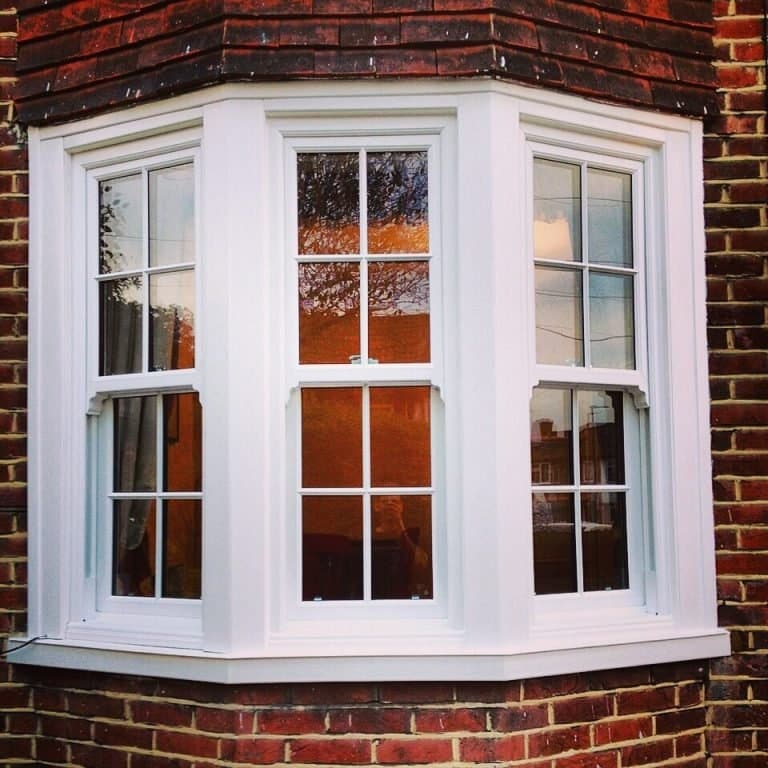
A sash window is a window that opens by sliding one or both panels (sashes) vertically within a frame. The two most common types are box sash windows, which use a traditional weight-and-pulley counterbalance system concealed within a hollow box frame, and spring-balanced sash windows, which use modern spiral balances. Sash windows have been a defining feature of British architecture since the late 17th century and remain the window of choice for Georgian, Victorian, and Edwardian properties across the UK.
At a Glance
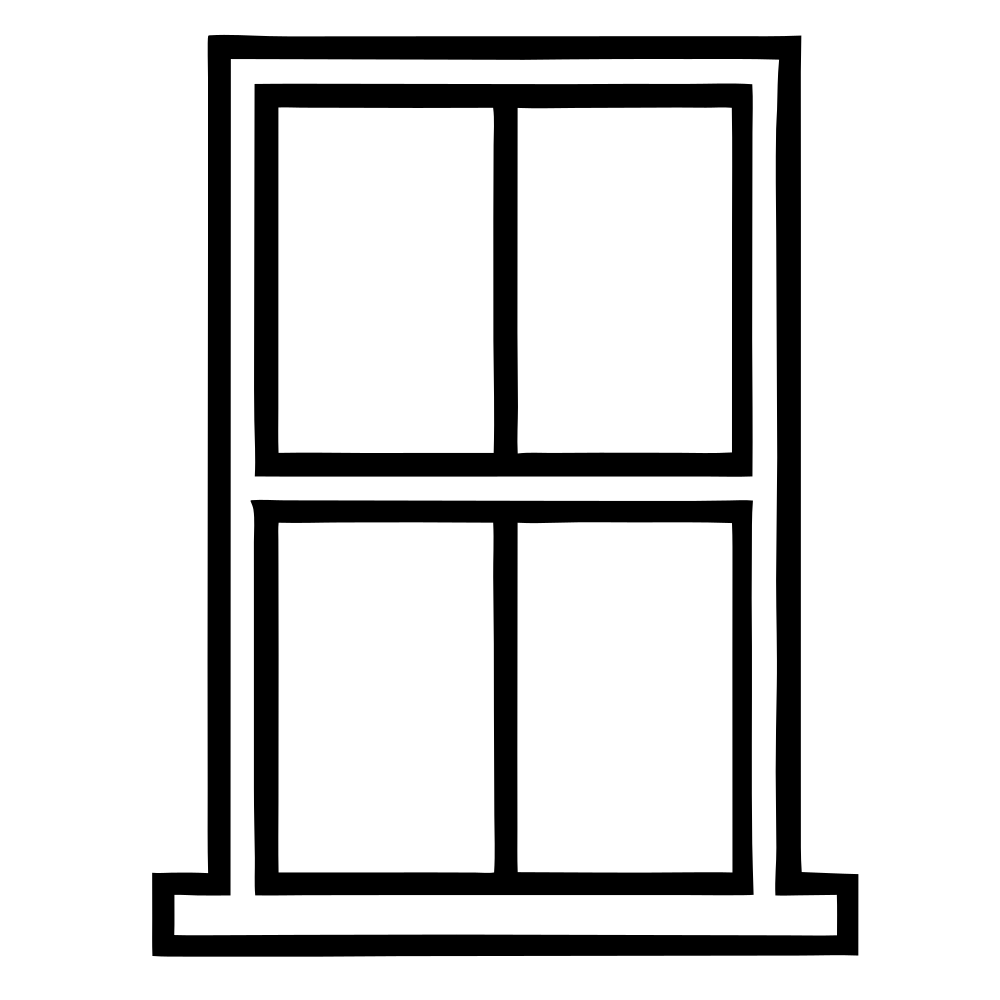
Sash windows are one of the most iconic elements of British residential architecture. From the grand Georgian townhouses of Bath to the Victorian terraces of London, sash windows have defined the character of the UK's built environment for over three centuries. A sash window consists of two panels, called sashes, that slide vertically past each other within a frame. This elegant design allows the window to be opened from the top, the bottom, or both simultaneously, providing versatile ventilation without any part of the window protruding from the building. This guide covers everything you need to know about sash windows, including their history, how they work, the different types available, materials, costs, energy efficiency, and maintenance requirements.
How Sash Windows Work
The basic principle of a sash window is straightforward: two glazed panels slide vertically within grooved channels (called staff beads and parting beads) in the window frame. What makes the design ingenious is the counterbalance mechanism that allows heavy glass panels to be moved effortlessly with one hand. In a traditional box sash window, each sash is connected by cords (originally cotton sash cord, now often synthetic) to cast iron or lead weights concealed within a hollow box frame on either side. These weights exactly counterbalance the weight of the sash, so the window stays in any position without a prop or catch. In modern spring-balanced sash windows, coiled spiral balances replace the weight-and-pulley system, achieving the same counterbalance effect in a slimmer frame profile. Both systems allow the lower sash to slide up and the upper sash to slide down, creating openings at the top, bottom, or both.
A Brief History of Sash Windows in Britain
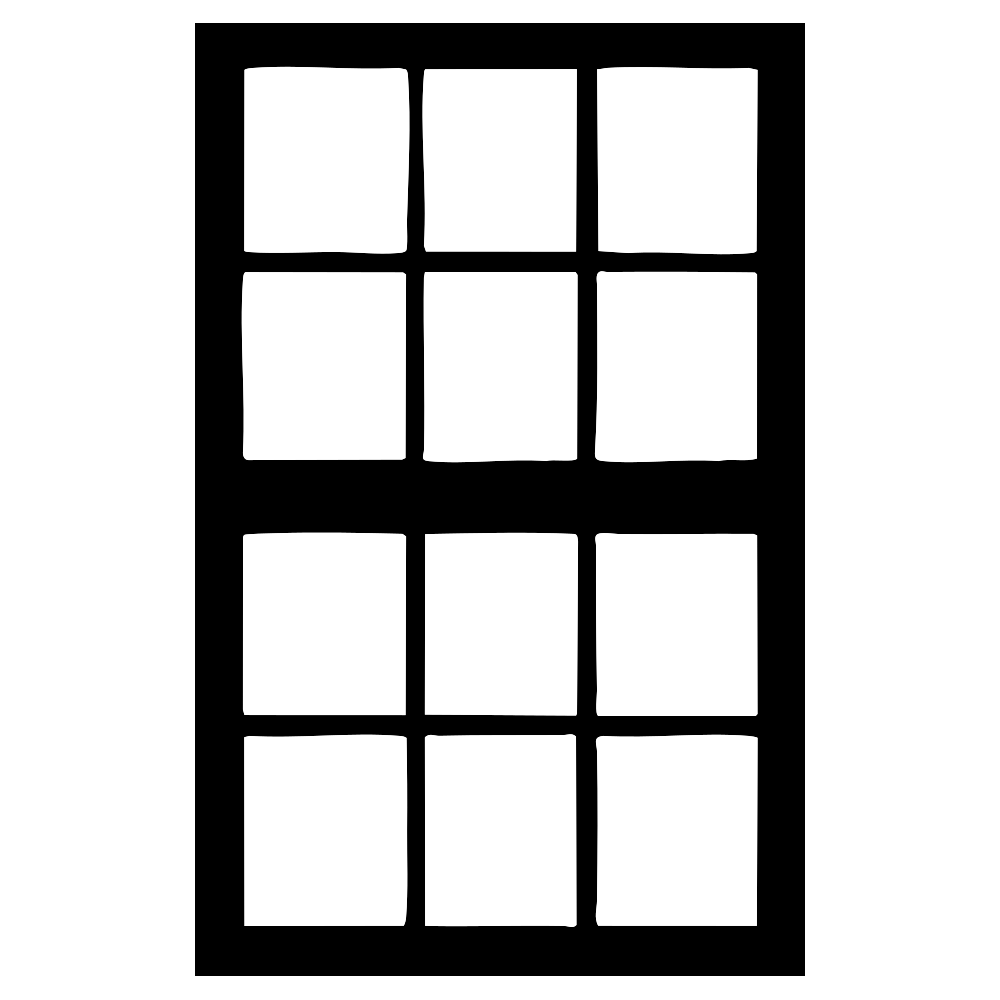
Sash windows first appeared in England during the 1670s, likely influenced by Dutch and French designs. The earliest known examples in Britain are at Ham House in Richmond, dating to around 1672. By the early 18th century, sash windows had become the standard for fashionable architecture across England, Scotland, and Wales. Georgian sash windows (1714-1830) featured six-over-six pane configurations with slender glazing bars, dictated by the limitations of crown glass manufacturing. Victorian sash windows (1837-1901) evolved to two-over-two or one-over-one designs as plate glass technology allowed larger panes. Edwardian sash windows (1901-1910) often featured decorative upper sashes with multiple panes above a single lower pane. The Building Act of 1709 and subsequent regulations required sash boxes to be recessed behind the brick facade, creating the characteristic reveal that defines British streetscapes. Understanding these period distinctions is important when replacing sash windows, particularly in conservation areas where planning authorities expect historically accurate proportions.
Types of Sash Windows
Box sash windows are the traditional type, featuring a hollow box frame that houses the counterbalance weights. They are the most authentic option for period properties and are typically required in conservation areas and for listed buildings. Box sash windows are available in timber and, increasingly, in engineered timber with factory-applied paint finishes for reduced maintenance. Spring-balanced sash windows use coiled spiral balances instead of weights, allowing a significantly slimmer frame profile. This makes them popular for modern installations where maximum glass area is desired. They are available in timber, uPVC, and aluminium. Sliding sash windows is the general term that encompasses both box sash and spring-balanced types. Vertical sliders is the industry term commonly used for uPVC sash-style windows that replicate the sliding action using modern materials. Tilt-in sash windows are a modern variant where the sashes can be tilted inward for easy cleaning from inside the building, a particularly useful feature for upper-floor windows.
Material Options for Sash Windows
Timber remains the premium choice for sash windows, offering authentic aesthetics, excellent thermal performance, and the ability to be repaired rather than replaced. Softwood (typically Scandinavian redwood) sash windows start from around £800 per window, while hardwood options (Accoya, Sapele, or Iroko) range from £1,200 to £2,800. Factory-painted timber sash windows with microporous paint systems offer significantly longer maintenance intervals than traditional linseed oil paints. uPVC sash windows have improved dramatically in recent years, with modern profiles closely replicating the proportions and sight lines of traditional timber sash windows. Prices start from £600 per window, and they offer zero-maintenance performance with lifespans of 20-30 years. Some uPVC sash windows now feature run-through sash horns and deep bottom rails that are virtually indistinguishable from timber at street level. Aluminium sash windows provide the slimmest possible frame profiles and a contemporary aesthetic, with prices from £900 per window. Composite sash windows combine an aluminium exterior cladding with a timber interior, offering weather resistance outside and warmth inside.
Energy Efficiency of Modern Sash Windows
Modern sash windows can achieve excellent thermal performance that meets or exceeds current Building Regulations. Double-glazed sash windows typically achieve U-values of 1.2-1.4 W/m²K, while triple-glazed versions can reach 0.8-1.0 W/m²K. The Building Regulations requirement for replacement windows in England is a maximum U-value of 1.4 W/m²K. Key energy-saving features in modern sash windows include low-emissivity glass coatings that reflect heat back into the room, argon or krypton gas-filled cavities between panes, warm-edge spacer bars that reduce heat loss at the glass edge, comprehensive brush pile or rubber weatherseals around both sashes, and draught-proofed meeting rails where the two sashes overlap. For period properties with original single-glazed sash windows, options include secondary glazing (a separate internal panel), vacuum-glazed replacement panes that fit existing frames, or full replacement with modern double-glazed units that replicate the original appearance.
Sash Windows in Conservation Areas
Many sash-windowed properties in the UK fall within conservation areas or are individually listed, which places restrictions on what changes can be made to the windows. Conservation officers typically require replacement sash windows to match the originals in terms of material (usually timber), glazing bar profile and dimensions, glass type (often requiring slim double glazing or single glazing with secondary glazing), sash horn details, and opening mechanism. Article 4 directions, which remove certain permitted development rights, are common in conservation areas with significant numbers of sash-windowed properties. Before replacing sash windows in a conservation area, always consult your local planning authority. Harrington Windows specialises in conservation-grade sash window replacements that satisfy planning requirements while incorporating modern energy efficiency and security features.
Security Features for Sash Windows
Modern sash windows are significantly more secure than their historical counterparts. Key security features include multi-point locking systems that engage at multiple positions when the window is closed, sash locks that prevent the sashes from being slid open from outside, night ventilation locks that allow the window to be partially opened while remaining locked, laminated glass options for resistance to forced entry, and travel restrictors that limit opening to 100mm for child safety. Many modern sash windows can be specified to meet PAS 24:2022 security standards and carry Secured by Design accreditation. For period properties where original hardware is important, brass or iron-effect locking furniture is available that combines traditional aesthetics with modern security performance.
Maintenance and Care
Timber sash windows require periodic maintenance to ensure longevity. Softwood sash windows should be repainted every 5-8 years, while hardwood windows need attention every 8-12 years. Factory-applied microporous paint systems last longer than traditional paints because they allow moisture to escape from the timber rather than trapping it. Routine maintenance includes checking and replacing sash cords or spiral balances when they wear, lubricating pulleys and balances annually, clearing paint from drainage channels, adjusting staff beads and parting beads to maintain smooth operation, and replacing worn weatherseals. uPVC sash windows need only occasional cleaning with warm soapy water and annual lubrication of the balance mechanisms. A well-maintained timber sash window can last 60 years or more, and many original Georgian and Victorian sash windows are still in service after 150+ years, often requiring only draught-proofing and localised timber repairs rather than full replacement.
Pros and Cons
Advantages
- Authentic period appearance essential for Georgian, Victorian, and Edwardian properties
- No external projection when open - ideal for properties facing pavements or passageways
- Excellent ventilation control with top, bottom, or dual opening positions
- Stack ventilation effect when both sashes are open draws warm air out and cool air in
- Long lifespan of 60+ years for timber, with repair rather than replacement possible
Disadvantages
- Higher cost than casement windows, typically £600-£2,800 vs £300-£1,500 per window
- Timber versions require regular painting and maintenance every 5-8 years
- Maximum opening area is 50% of the window (only one sash slides at a time)
- Older sash windows can be draughty without modern weathersealing upgrades
- Weight-and-pulley systems in box sash windows can require cord replacement over time
Cost Guide
Sash window prices in the UK vary significantly by material and type. uPVC vertical sliding sash windows cost £600-£1,200 per window fully installed. Softwood timber box sash windows range from £800-£1,800, while hardwood timber sash windows cost £1,200-£2,800 per window. Aluminium sash windows typically cost £900-£2,000. For a full house replacement on a three-bedroom Victorian terrace (approximately six to eight sash windows), expect to pay £5,000-£8,000 for uPVC, £7,000-£14,000 for softwood timber, or £10,000-£22,000 for hardwood timber. Conservation-grade sash windows with slim-profile double glazing and historically accurate detailing command a 15-25% premium. London and the South East typically carry a 10-20% premium on these prices. All prices include VAT, professional installation, and removal of old windows.
Is It Right for Your Home?
Sash windows are the right choice if you own a Georgian, Victorian, or Edwardian property and want to maintain its architectural character, particularly if the property is in a conservation area where planning restrictions apply. They are also an excellent choice for any property on a busy road or facing a public footpath, as they provide ventilation without protruding externally. If you prioritise maximum ventilation area and the lowest possible price, casement windows may be more suitable. If you want inward-opening windows for easy cleaning on upper floors, consider tilt and turn windows. For modern properties where period aesthetics are not a consideration, the additional cost of sash windows may not be justified unless you specifically prefer the sliding action.
Frequently Asked Questions
A sash window is a window with one or two panels (sashes) that slide vertically to open and close. The sliding panels are counterbalanced by hidden weights in a box frame (traditional) or by spiral spring balances (modern). Sash windows have been the standard window type for British period properties since the late 1600s.
Sash windows slide vertically within their frame, while casement windows swing outward on hinges. Sash windows do not protrude when open and provide a traditional period appearance. Casement windows offer a larger maximum opening area and are generally less expensive. Sash windows are suited to period properties; casement windows suit most modern homes.
uPVC sash windows cost £600-£1,200 per window installed. Softwood timber sash windows cost £800-£1,800, and hardwood timber sash windows cost £1,200-£2,800. A full house of sash windows for a three-bedroom Victorian terrace costs approximately £5,000-£22,000 depending on material choice.
Yes, modern sash windows are available with double or triple glazing. Double-glazed sash windows achieve U-values of 1.2-1.4 W/m²K, meeting current Building Regulations. Slim-profile double glazing units (typically 14mm or 20mm total thickness) are available for conservation areas where thinner glass units are required.
Modern double-glazed sash windows are highly energy efficient, with U-values of 1.2-1.4 W/m²K and Window Energy Ratings of A or above. They include features like low-e glass, argon gas, warm-edge spacers, and comprehensive weatherseals. Triple-glazed options achieve U-values as low as 0.8 W/m²K.
Timber sash windows last 60+ years with proper maintenance, and many original Georgian sash windows are still functioning after 150+ years. uPVC sash windows last 20-30 years. Hardwood timber sash windows (Accoya, Sapele) can last 80+ years. Regular painting and hardware maintenance extend timber sash window lifespan significantly.
Standard window replacement does not usually require planning permission under permitted development rights. However, in conservation areas or for listed buildings, you may need planning approval, especially if changing materials or appearance. Article 4 directions may remove permitted development rights. Always check with your local planning authority.
A box sash window is a traditional sash window with a hollow box-shaped frame that houses counterbalance weights connected to the sashes by cords over pulleys. The weights exactly match the sash weight, allowing effortless operation. Box sash windows are the most authentic type for period properties and conservation areas.
Yes, timber sash windows are highly repairable. Common repairs include replacing sash cords, splicing in new timber to replace rotten sections, fitting draught-proofing, upgrading to double-glazed units within existing frames, and rebalancing weights. Repair is often more cost-effective and conservation-friendly than full replacement.
Modern uPVC sash windows have improved significantly and now closely replicate traditional timber sash proportions. They offer zero maintenance, excellent energy efficiency, and lifespans of 20-30 years at roughly half the cost of timber. However, they may not be accepted in conservation areas and lack the authentic character of timber.
Ready to Get Started?
Get a free, no-obligation quote for your window project. Our experts will help you choose the perfect windows.