.svg)


Sash Box Windows: A Timeless Choice for Your Home
Table of Contents
Quick Answer
Sash box windows feature a hollow box frame that conceals the traditional counterweight system of cast-iron weights connected by sash cords. This design, originating in the 17th century, allows the sashes to slide smoothly up and down. Replacement sash box windows cost 1,200 to 2,800 in timber and are often required in conservation areas. Modern versions incorporate double glazing and draught-proofing while retaining the authentic box profile.
Key Takeaways
- Well-maintained timber box sash windows can last 60 years or more.
- Regular maintenance including repainting every 5 to 8 years, checking sash cords.
- Timber box sash windows require periodic repainting or re-staining every 5 to 8 years to protect against moisture and UV.
- Modern double glazed box sash windows significantly improve energy efficiency compared to original single glazed versions.
- Combined with draught-proofing strips and proper sealing, upgraded box sash windows can achieve energy ratings comparable to modern casement windows.
Key Takeaways
- 🪟Sash box windowscombine tradition and modern efficiency.
- 🔒Double glazingenhances energy efficiency and security.
- 🌿Timber sash windowsare durable and sustainable.
- 🏡Sliding sash windowsare perfect for period properties.
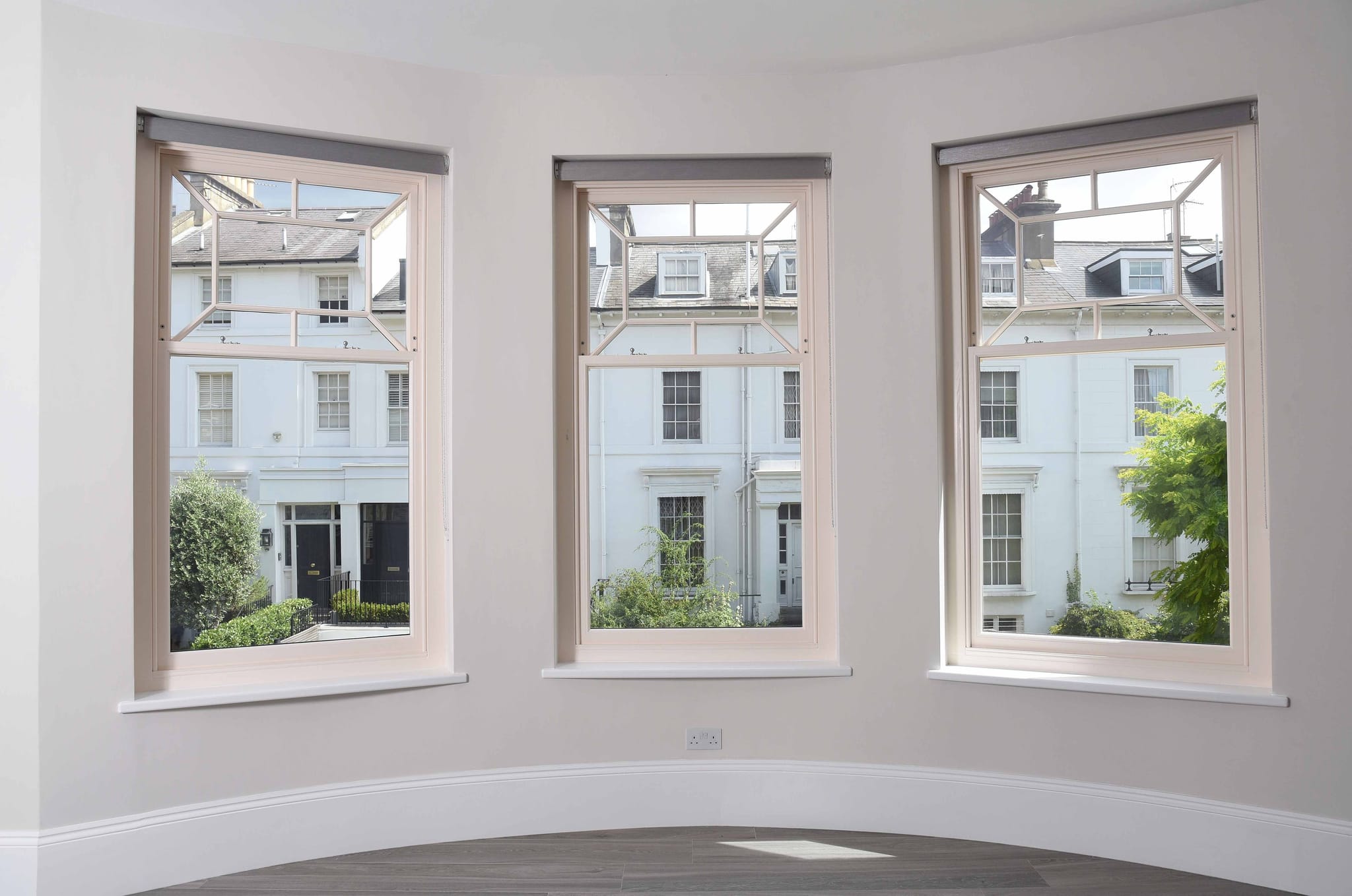
When it comes to enhancing the beauty and functionality of your home, sash box windows offer a unique combination of timeless elegance and modern efficiency.
These windows, steeped in history, bring a classic touch to any property while providing the durability and performance expected in today’s homes.
Whether you are considering double glazed sash windows or opting for timber sash windows, there are several factors to consider to ensure you choose the best option for your needs.
Sash Window Comparison Table
The Classic Appeal of Sash Box Windows
Sash box windows have been a staple of architectural design for centuries, particularly in listed buildings and conservation areas.
Unlike other window styles, such as casement windows, sash box windows have historically been favoured for their unique features and historical significance. Their aesthetic appeal lies in the traditional way they complement period properties, offering a seamless blend of historical charm and contemporary practicality. Homeowners appreciate the high standards of craftsmanship that go into producing box sash windows, especially when crafted from engineered softwood, known for its durability and resistance to the elements.
One of the standout features of sash box windows is their ability to maintain the original window styles while incorporating modern advancements such as double glazed sash windows. This combination ensures energy efficiency, reducing heat loss and improving insulation, making these windows a popular choice for homeowners looking to upgrade their windows without sacrificing the traditional look of their property.
What is a Sash Window?
A sash window is a type of window that consists of one or more movable panels, known as sashes, that slide up and down within a frame.
These sashes are typically crafted from wood, although modern variations may incorporate other materials. The defining feature of sash windows is their vertical sliding motion, which allows for easy opening and closing. This design not only provides excellent ventilation but also adds a touch of timeless elegance to any property. Sash windows are renowned for their energy efficiency, as they can be fitted with double glazing to reduce heat loss and improve insulation.
Their aesthetic appeal makes them a popular choice for both period properties and contemporary homes, blending seamlessly with various architectural styles.
History and Evolution
Sash windows boast a rich history that dates back to the 17th century, originating in England.
Their practicality and aesthetic appeal quickly made them a favoured choice for homes and buildings. Over the centuries, sash windows have undergone significant evolution, incorporating new materials and technologies to enhance their functionality and performance.
Traditional timber sash windows, known for their classic charm, have been joined by wooden sash windows and modern designs made from uPVC and aluminum. Innovations such as double glazing and advanced counter balance systems have further improved their energy efficiency and ease of use.
Despite these advancements, the core design of sash windows remains true to its historical roots, offering a perfect blend of tradition and modernity.
What Are the Benefits of Double Glazed Sash Windows?
For those seeking enhanced performance, double glazed sash windows provide an excellent solution.
These windows not only help reduce heat loss, but also improve security and noise reduction. The double glazing acts as a barrier, keeping your home warmer in the winter and cooler in the summer, all while retaining the timeless elegance of the original window style.
Installing double glazed sash windows ensures that your property benefits from energy efficiency without compromising on the visual appeal. These windows are designed to fit seamlessly into existing box sash window frames, preserving the historical look while offering modern performance.
The sliding sash window system remains intact, allowing for smooth operation and easy maintenance, which is ideal for busy homeowners.
Timber Sash Windows: A Sustainable Choice
Opting for timber sash windows is a popular choice for those who value sustainability and durability. These windows are often made from engineered softwood, a material that is both environmentally friendly and long-lasting.
Timber windows offer a natural, warm aesthetic that enhances the look of any home, whether it's a period property or a modern build.
One of the key advantages of timber sash windows is their durability. When properly cared for, these windows can last for decades, making them a worthwhile investment for any homeowner. Additionally, timber windows can be customised to suit different window styles, ensuring a perfect match for your home’s architecture.
Wooden Sash Windows: Combining Tradition and Modernity
Wooden sash windows are synonymous with traditional British architecture, particularly in conservation areas. However, their appeal is not limited to historical properties. Many homeowners today choose wooden sash windows for their unique ability to blend traditional craftsmanship with modern technology.
The counter balance system in wooden sash windows ensures smooth operation, while the use of double glazing enhances energy efficiency. This combination of traditional and modern elements makes wooden sash windows an excellent choice for those looking to maintain the character of their home while improving performance.
Sliding Sash Windows: Practicality and Style
The sliding sash mechanism is a hallmark of box sash windows, offering both practicality and style. This system allows the sashes to slide vertically, providing excellent ventilation control. The sliding sashes can be adjusted to let in fresh air without compromising security, making them an ideal option for homeowners seeking both comfort and peace of mind.
Sliding sash windows are particularly well-suited to listed buildings and conservation areas, where preserving the original window styles is essential. These windows are designed to operate smoothly thanks to their cords and weights system, which ensures a perfect balance and effortless operation.
Sash Window Hardware and Security
The hardware and security features of sash windows are crucial to their overall performance and functionality.
Traditional sash windows typically utilise a counter balance system, which employs cords, weights, and pulleys to ensure smooth operation of the sashes. This system not only facilitates easy opening and closing but also maintains the balance of the window.
Modern sash windows have taken security to the next level with advanced features such as multi-point locking mechanisms and secure hinges. Additionally, contemporary sash windows may include tilt-and-turn mechanisms and restrictors, providing enhanced security and functionality.
These advancements ensure that sash windows remain a secure and reliable choice for homeowners.
Sash Window Aesthetics and Design
Sash window aesthetics and design offer a high degree of customisation, allowing homeowners and builders to select from a variety of styles and materials to suit their specific needs.
Traditional timber sash windows are often celebrated for their classic, timeless design, which adds a touch of elegance to any property. Modern sash windows, on the other hand, may feature more contemporary styles and materials, catering to diverse architectural preferences. Customisation options extend to glazing as well, with double glazing and triple glazing available to enhance energy efficiency and soundproofing.
Furthermore, sash windows can be finished with various materials, including paint, stain, and varnish, to perfectly match the surrounding architecture and décor.
This versatility ensures that sash windows can complement any home, whether it’s a historic building or a modern construction.
Replacing and Installing Sash Box Windows
If you are considering replacing your existing sash box windows, it’s important to work with experienced installers who can ensure a high-quality installation. Whether you are installing box sash windows in a new build or upgrading existing windows in a period property, professional installers can guide you through the process, ensuring that the windows are fitted to the highest quality standards.
When replacing box sash windows, many homeowners opt for double glazed sash windows to improve energy efficiency and reduce heat loss. This can significantly lower energy bills and make your home more comfortable year-round. Additionally, modern box sash windows come with improved security features, giving you peace of mind.
Exceptional Products for Every Property
At the end of the day, choosing the right box sash window comes down to finding the perfect balance between aesthetic appeal, durability, and energy efficiency. Whether you prefer timber sash windows, wooden sash windows, or double glazed sash windows, there is a wide range of options to suit every property and personal preference.
With exceptional products available in various window styles, you can create the perfect look for your home. Whether you are restoring a traditional property or enhancing a modern one, sash windows offer a unique blend of timeless elegance and cutting-edge performance. By choosing high-quality sash box windows, you can ensure your home remains both beautiful and functional for years to come.
Conclusion
Incorporating sash box windows into your home not only adds a touch of history but also offers modern benefits such as improved energy efficiency, enhanced security, and superior durability. Whether you choose timber sash windows, wooden sash windows, or double glazed sash windows, you can rest assured that your home will be transformed with windows that offer both aesthetic appeal and practicality.
FAQs about Box Sash Windows
What is a box sash window?
A box sash window is a type of traditional window where the sashes, or the sliding parts of the window, move vertically within a frame. The "box" refers to the enclosed area on either side of the window frame where the counterweights are housed, allowing the sashes to move smoothly up and down. This system balances the weight of the sashes using cords, pulleys, and weights.
How to repair box sash windows?
To repair box sash windows, first assess the damage, which may include broken cords, worn weatherstripping, or damaged sashes. Replacing the sash cords is one of the most common repairs and involves removing the window and accessing the weights. You can also improve the window’s insulation by replacing weatherstripping or repairing rotten timber sections. For significant damage, it's often best to contact a professional specializing in sash window restoration.
What is a window sash pack?
A window sash pack refers to a kit that includes all the components needed to replace the movable sashes in an existing window frame. This pack typically includes the sash itself, balance systems, hardware, and sometimes additional materials like weatherstripping. It is designed for homeowners who want to upgrade or repair their existing sash windows without replacing the entire frame.
Is there a cheaper alternative to sash windows?
Yes, a cheaper alternative to traditional sash windows is using uPVC casement windows or mock sash windows, which mimic the appearance of sash windows but operate with a more affordable and less complex system. These alternatives can reduce costs while maintaining a similar aesthetic appeal.
What is the disadvantage of a sash window?
The primary disadvantage of sash windows is that they can require more maintenance than other window types due to their moving parts, including cords, weights, and pulleys. Additionally, older sash windows may not be as energy-efficient unless they are upgraded with double glazing, leading to potential heat loss and higher energy bills.
What is a mock sash window?
A mock sash window mimics the appearance of a traditional sash window but does not have the same sliding functionality. Instead, it often opens using a hinge mechanism, making it look like a sash window without the cost and complexity of the traditional sash mechanism.
What is a cottage sash window?
A cottage sash window is a type of sash window where the upper sash is smaller than the lower sash, creating a distinctive asymmetrical appearance. This style is commonly found in traditional cottages and rural homes, adding charm and character to the property.
What is a dummy sash window?
A dummy sash window looks like a traditional sash window but is fixed and does not open. It is often used for aesthetic purposes to maintain the appearance of sash windows in parts of a property where an operable window isn't necessary or desired.
What is a Sull sash window?
A Sull sash window refers to a specific variation of sash windows, though the term is not widely used. It could refer to a unique style or brand of sash windows in certain regions. More commonly used terms include sliding sash windows or box sash windows.
What is a Queen Anne window?
A Queen Anne window refers to a style of sash window that often features decorative elements, such as stained or leaded glass, and sometimes includes smaller panes of glass arranged in a grid pattern in the upper sash. This style is commonly found in Queen Anne-style architecture from the late 19th century.
What is a hopper sash window?
A hopper sash window is a window where the sash tilts inward from the top. Unlike traditional sash windows, which slide vertically, hopper windows are hinged at the bottom and open inward, providing excellent ventilation while maintaining security.
What is an Oriel sash?
An Oriel sash is part of an Oriel window, which is a type of bay window that projects from the wall of a building, often supported by brackets or corbels. Oriel sash windows are usually found in upper stories and add a decorative element to the building façade while allowing more light and space inside.
Frequently Asked Questions
A box sash window features a distinctive box-shaped frame on either side that houses the counterweights, cords, and pulleys used to balance the sliding sashes. Standard or spring sash windows use a concealed spring mechanism instead. Box sash windows are the traditional design found in Georgian, Victorian, and Edwardian properties across the UK, and are often required in conservation areas where historical accuracy must be maintained.
In the UK, box sash window prices typically range from £600 to £1,800 per window depending on the material chosen. uPVC box sash windows start from around £400 to £600, timber box sash windows cost between £900 and £1,200, and aluminium-clad options range from £1,200 to £1,800. Installation costs, window size, glazing type, and any bespoke design features such as Georgian bars or decorative horns will also affect the final price.
Yes, box sash windows can be double glazed. Modern slim-profile double glazing units are specifically designed to fit within traditional sash window frames without altering their appearance. You can either retrofit double glazing into existing box sash frames or install new double glazed box sash windows. Double glazing significantly improves thermal performance, reduces noise, and lowers energy bills while preserving the period character of your property.
Yes, box sash windows are often the preferred or required window type in UK conservation areas and for listed buildings. Local planning authorities typically insist that replacement windows match the original style, and box sash windows with authentic details such as sash horns, glazing bars, and slim sight lines meet these requirements. Timber box sash windows are usually the most accepted option, though some councils now also approve high-quality uPVC alternatives that closely replicate traditional designs.
Well-maintained timber box sash windows can last 60 years or more, with many original Victorian and Georgian examples still in service across the UK today. Longevity depends on the quality of the timber used, with engineered softwood and hardwoods like Accoya offering exceptional durability. Regular maintenance including repainting every 5 to 8 years, checking sash cords, and treating any signs of rot will help maximise their lifespan.
Timber box sash windows require periodic repainting or re-staining every 5 to 8 years to protect against moisture and UV damage. You should regularly inspect sash cords for wear and replace them if the sashes no longer stay open. Lubricating the pulleys and tracks ensures smooth operation. Check for any signs of rot or decay, particularly on the sills and bottom rails, and address these promptly. uPVC box sash windows require far less maintenance, needing only occasional cleaning with soapy water.
A real sash window operates with vertically sliding sashes using either a traditional cord and weight system or modern spring balances. A mock sash window mimics the visual appearance of a sash window but typically opens on hinges like a casement window. Mock sash windows are generally cheaper and may not meet conservation area requirements, but they can be a suitable alternative for properties where an authentic sash mechanism is not essential.
Modern double glazed box sash windows significantly improve energy efficiency compared to original single glazed versions. The double glazing unit creates an insulating barrier that reduces heat loss by up to 50%, helping keep your home warmer in winter and cooler in summer. Combined with draught-proofing strips and proper sealing, upgraded box sash windows can achieve energy ratings comparable to modern casement windows, potentially reducing heating bills by hundreds of pounds per year.
Related Posts
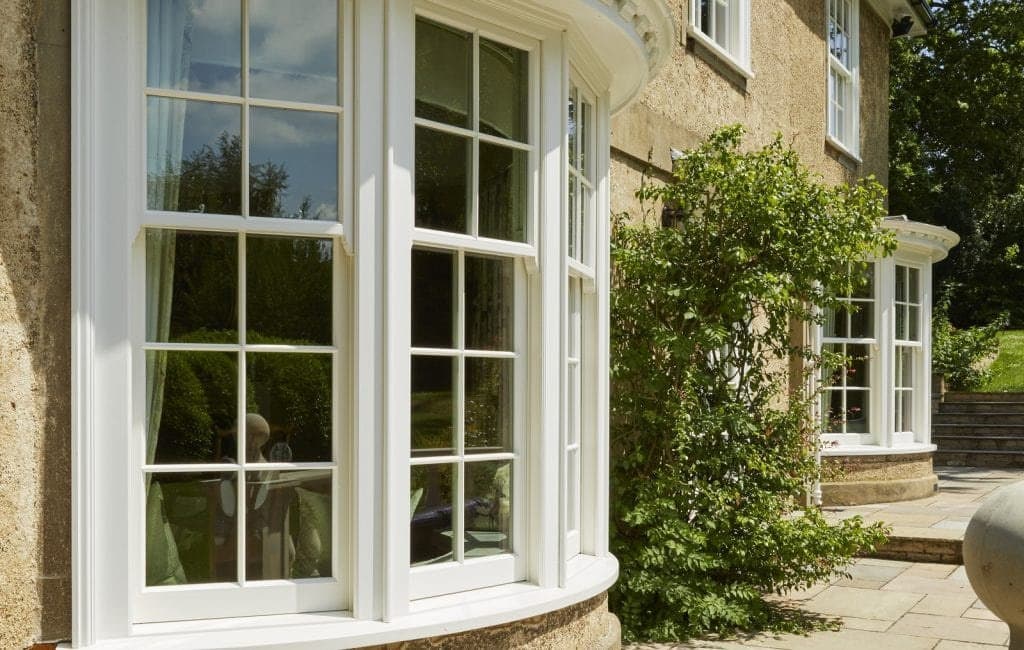
Are Sash Windows More Expensive? A Complete Guide to Sash Window Costs
Sash windows, celebrated for their classic elegance and historical charm, are often associated with period properties, but they've also become popular in modern...
Box Sash Windows vs Spring Balanced Sash Windows: Which is the Best for Your Home?
However, when choosing between box sash windows and spring balanced sash windows, understanding the key differences can help you make the right decision for you...
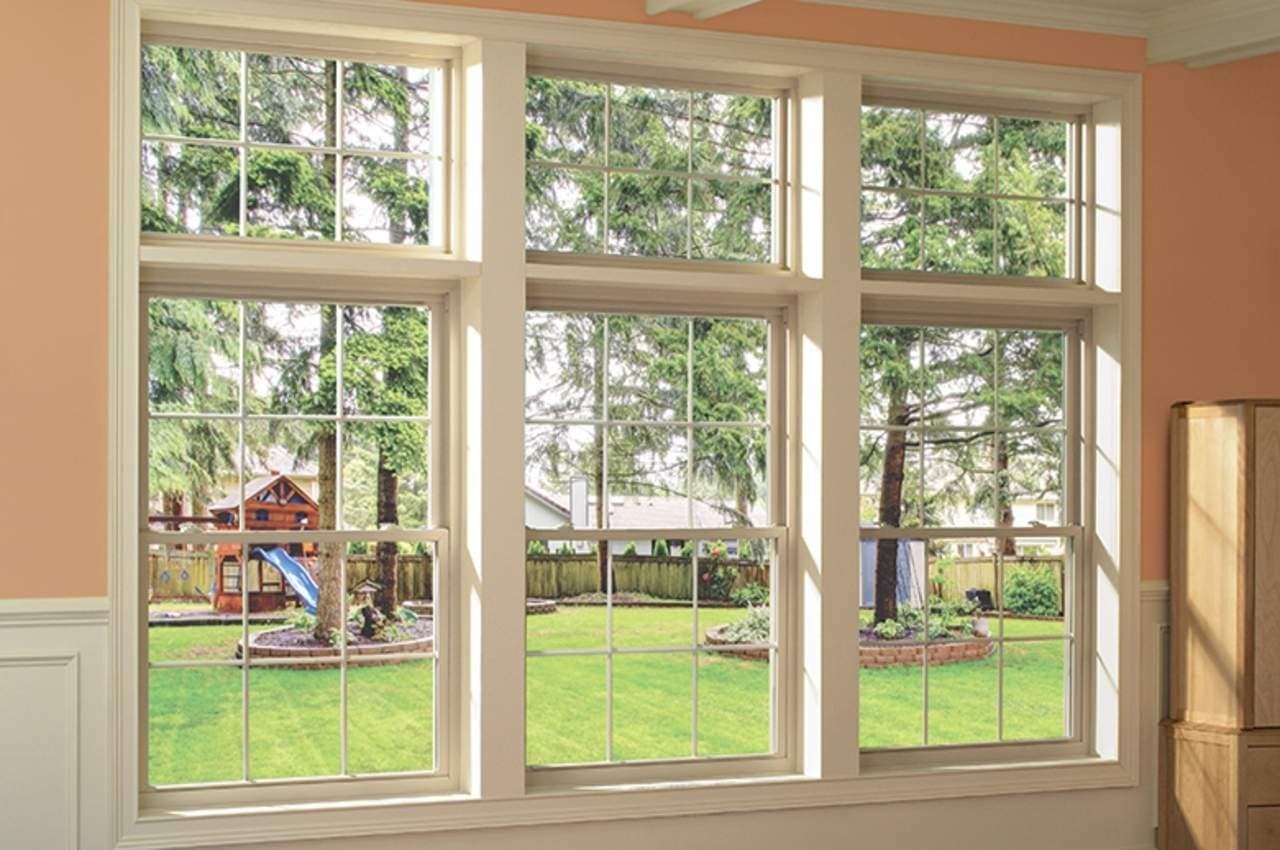
Double Hung Sash Windows: A Classic and Versatile Choice for Your Home
These windows consist of two moveable sashes that slide vertically, allowing for flexible ventilation and ease of use. Whether you're renovating a period proper...