.svg)


Timber Windows: A Guide to Choosing the Best Wooden Windows for Your Home
Table of Contents
Quick Answer
When choosing timber windows, consider the wood species (softwood is affordable at 700 to 1,500 per window; hardwood is premium at 1,200 to 2,800), window style (casement, sash, or tilt and turn), and finish (painted, stained, or natural). Key factors include FSC certification for sustainability, factory-applied microporous paint for longevity, and double or triple glazing for energy efficiency. Timber windows suit all property types and are essential for conservation areas.
Key Takeaways
- Timber windows can last 50 to 100 years or more with proper maintenance.
- UPVC cannot be easily repaired if damaged, has a shorter lifespan of around 20-30 years, and is less recyclable.
- You must also ensure your new windows comply with Building Regulations Part L for energy efficiency.
- As a general guide, softwood timber windows start from around £500 to £900 per window.
- Bespoke designs, triple glazing, and specialist ironmongery will increase the overall price.
Timber windows have long been the gold standard for homeowners who value beauty, tradition, and durability. Offering a timeless aesthetic that complements both period properties and modern homes, timber windows combine the natural charm of wood with exceptional thermal performance and longevity.
But with so many options for timber window designs, materials, and manufacturers, how do you choose the besttimber windowsfor your home?
In this article, we’ll explore everything you need to know abouttimber windows—from selecting the right styles and materials to choosing reputabletimber window manufacturersandtimber window suppliers. Whether you’re looking fortimber windows and doorsfor a full renovation or simply replacing your existing windows, we’ll guide you through the process to ensure you make a choice that will enhance your home’s appearance and value.
What Are Timber Windows?
Timber windowsare windows constructed primarily from wood, a material known for its natural beauty, versatility, and insulation properties. Traditionally used in older homes, timber windows have evolved to offer modern benefits such as advanced glazing, weatherproof finishes, and secure locking systems. Timber windows are popular for their ability to blend seamlessly with a wide range of architectural styles, from rustic cottages to elegant Georgian townhouses.
Key Features of Timber Windows:
What Are the Benefits of Choosing Timber Windows?
Choosingtimber windowsfor your home offers a host of benefits beyond just aesthetics. Here’s why many homeowners opt for timber over other materials like uPVC or aluminium:
1. Timeless Beauty and Charm
There’s no denying thattimber windowsexude a warmth and charm that other materials simply can’t replicate. The natural grain and texture of wood add a sense of elegance and authenticity that suits both period and contemporary properties.
2. Outstanding Thermal Performance
Timber has excellent insulating properties, keeping your home at a stable temperature and reducing energy bills. When combined with modern double or triple glazing,timber windowscan achieve high energy ratings.
3. Durability and Longevity
High-qualitytimber windowscan last for decades when properly cared for. With the right treatments and finishes, they resist warping, rot, and insect damage.
4. Environmentally Friendly
Sustainably sourced timber is a renewable resource. Manytimber window manufacturersoffer windows made from FSC-certified wood, ensuring that your purchase supports sustainable forestry practices.
5. Customisation Options
From traditional sash windows to sleek, modern designs,timber windowscan be customised in countless ways. Choose from a variety of wood types, colours, finishes, and glazing options to create a window that perfectly matches your home’s character.
How Do You Choose the Right Style of Timber Windows?
When selectingtimber windows, it’s important to choose a style that complements your home’s architecture. Here are some of the most popular options:
1. Timber Casement Windows
Timber casement windowsare side-hinged and open outward like a door. This style is versatile and suits both traditional and modern homes. Casement windows provide excellent ventilation and an unobstructed view of the outdoors.
- Best For: Period homes, cottages, and modern properties.
- Customisation: Choose from a variety of glazing patterns, finishes, and hardware options.
2. Timber Sash Windows
Timber sash windowsare a quintessential feature of Georgian, Victorian, and Edwardian properties. They consist of two sashes that slide vertically, creating a classic look that adds elegance and sophistication.
- Best For: Period properties and heritage homes.
- Customisation: Opt for traditional sash horns, custom glazing bars, and heritage colour finishes.
3. Timber Bay and Bow Windows
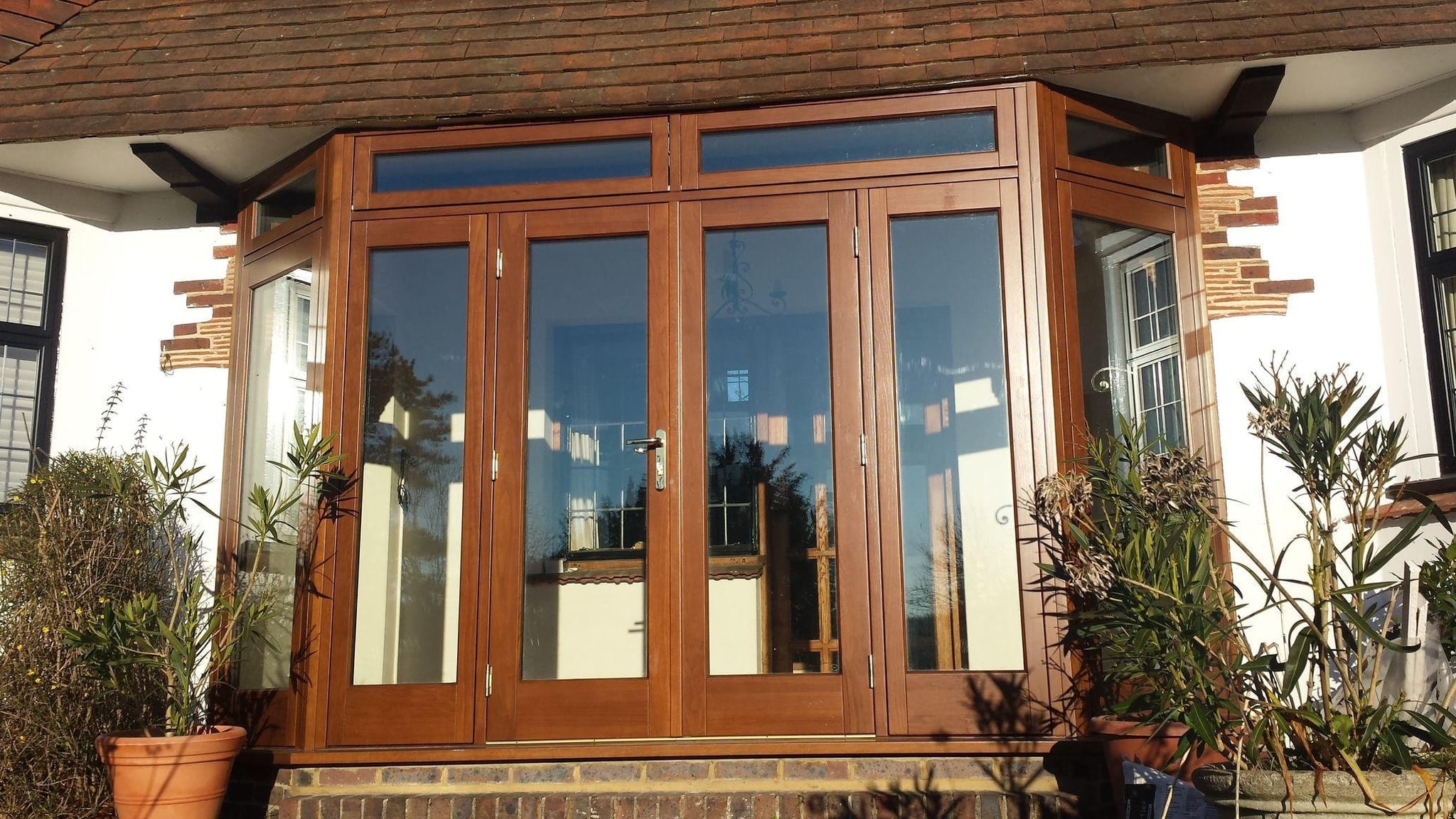
Timber bay and bow windowsproject outward from the exterior wall, creating a spacious feel inside and adding character to your home. Bay windows are typically angular, while bow windows have a gentle curve.
- Best For: Enhancing light and creating a feature in living rooms or master bedrooms.
- Customisation: Choose from sash or casement configurations and bespoke glazing options.
4. Timber Tilt and Turn Windows
Timber tilt and turn windowsoffer a modern twist on the traditional timber frame. They can tilt inward from the top for ventilation or fully swing open for easy cleaning and emergency exits.
- Best For: Contemporary homes or properties with limited exterior space.
- Customisation: Available in a range of wood types and finishes.
Finding the Right Timber Window Manufacturer and Supplier
Choosing the righttimber window manufacturerortimber window supplieris crucial to ensuring you get high-quality windows that stand the test of time. Here’s what to look for:
1. Experience and Reputation
Look fortimber window manufacturerswith a proven track record of producing high-quality products. Check reviews, ask for references, and look for industry certifications to ensure you’re working with a reputable company.
2. Customisation Options
A goodtimber window suppliershould offer a range of customisation options, including wood types, glazing choices, finishes, and hardware. This ensures that your windows are tailored to your specific needs and preferences.
3. Sustainable Sourcing
Choose a manufacturer that uses sustainably sourced timber, such as FSC-certified wood. This not only supports environmentally friendly practices but also ensures that your windows are made from high-quality, durable materials.
4. Warranty and Aftercare
Timber windows are an investment, so choose a supplier that offers a comprehensive warranty and aftercare services. This includes regular maintenance, refinishing, and repairs to keep your windows looking and performing their best.
Top Timber Window Manufacturers and Suppliers in the UK
If you’re looking for the besttimber window manufacturers in the UK, consider the following:
1. Local Timber Window Companies
Working with a localtimber window companysuch asHarrington Windowsoffers the advantage of personalised service and a deep understanding of regional architectural styles. Local manufacturers can also provide quicker turnaround times and easier access to aftercare services.
2. Specialist Timber Window Suppliers
Specialist suppliers focus exclusively on timber products, offering a wider range of options and expertise. They often work with bespoke manufacturers to create custom designs that suit heritage and conservation requirements.
3. National Timber Window Manufacturers
Larger national manufacturers have the resources to produce high-qualitytimber windowsat scale, often offering a wide selection of styles and competitive pricing.
Caring for Your Timber Windows
To keep yourtimber windowslooking their best and performing well for decades, regular maintenance is key. Here are some tips:
1. Regular Cleaning
Use a mild detergent and soft cloth to clean the frames and glass regularly, removing dirt and grime that can build up over time.
2. Inspect for Damage
Check your timber windows periodically for signs of rot, warping, or peeling paint. Early intervention can prevent minor issues from becoming major problems.
3. Repainting or Refinishing
Depending on the type of wood and finish, your timber windows may need to be repainted or refinished every few years to protect them from the elements.
4. Lubricate Moving Parts
For casement and sash windows, lubricate the hinges and tracks to ensure smooth operation.
Upgrade Your Home with Beautiful Timber Windows Today
Choosingtimber windowsfor your home is an investment in beauty, durability, and timeless style. Whether you’re restoring a period property or adding a touch of tradition to a new build, our team of experts can help you find the perfecttimber window and doorsolutions.
Frequently Asked Questions
Timber window costs in the UK vary depending on the type, size, timber species, and glazing specification. As a general guide, softwood timber windows start from around £500 to £900 per window, hardwood options range from £900 to £1,500, and engineered timber windows cost between £1,000 and £2,000 per window. Sash windows tend to be more expensive than casement styles. Installation costs typically add £150 to £400 per window depending on location and complexity. Bespoke designs, triple glazing, and specialist ironmongery will increase the overall price.
The best timber depends on your budget, aesthetic preference, and maintenance expectations. Softwoods like Scandinavian pine are affordable, easy to machine, and work well with painted finishes, though they require more frequent maintenance. Hardwoods such as oak, meranti, and sapele offer superior durability, natural resistance to decay, and beautiful grain patterns, making them ideal for stained finishes and exposed locations. Engineered laminated timber, made from bonded wood layers, resists warping and swelling, providing excellent stability for larger windows. All timber should ideally be FSC-certified for sustainability.
Timber windows can last 50 to 100 years or more with proper maintenance. Many original Georgian and Victorian timber windows are still in service today, demonstrating the material's exceptional longevity. The lifespan depends on the timber species, quality of manufacturing, exposure to weather, and maintenance regime. Hardwood windows generally last longer than softwood. Key maintenance tasks include repainting or re-staining every three to five years, checking for early signs of rot, maintaining seals and weather stripping, and lubricating hardware annually. Modern factory-applied coatings further extend the life of timber windows.
Timber and uPVC windows each have distinct advantages. Timber windows offer superior aesthetics with a natural warmth that uPVC cannot replicate, better thermal insulation per unit thickness, and are the preferred choice for period properties and conservation areas. They are also more environmentally sustainable as a renewable resource. uPVC windows are cheaper, require less maintenance, and resist rot without treatment. However, uPVC cannot be easily repaired if damaged, has a shorter lifespan of around 20-30 years, and is less recyclable. For homeowners valuing aesthetics, longevity, and environmental credentials, timber is the better choice.
Standard timber window replacement in a non-listed property outside a conservation area typically does not require planning permission, as it falls under permitted development rights. However, if your property is a listed building, you will need Listed Building Consent before changing any windows. Properties in conservation areas, Areas of Outstanding Natural Beauty, or National Parks may also require planning approval, particularly if the new windows differ from the originals in material or design. You must also ensure your new windows comply with Building Regulations Part L for energy efficiency. Always check with your local authority first.
To find a reputable timber window supplier, start by checking for industry accreditations such as FENSA, Certass, or membership of the British Woodworking Federation. Look for companies that use FSC-certified timber from sustainable sources. Read independent customer reviews on platforms like Trustpilot and check for a solid portfolio of past projects. Request references from previous clients, particularly for projects similar to yours. A good supplier should offer comprehensive warranties on both products and installation, provide detailed quotations, and be willing to visit your property to carry out a survey before providing recommendations.
Yes, modern timber windows can be fitted with either double or triple glazing. Double-glazed units are the standard choice, offering good thermal and acoustic performance with typical U-values around 1.2 W/m2K. Triple glazing provides enhanced insulation with U-values as low as 0.8 W/m2K, making it ideal for energy-conscious homeowners or properties in exposed locations. Low-emissivity coatings and argon or krypton gas fills between the panes further improve performance. Modern timber frames are designed to accommodate the extra weight and width of triple-glazed units without compromising the window's proportions or operation.
Related Posts
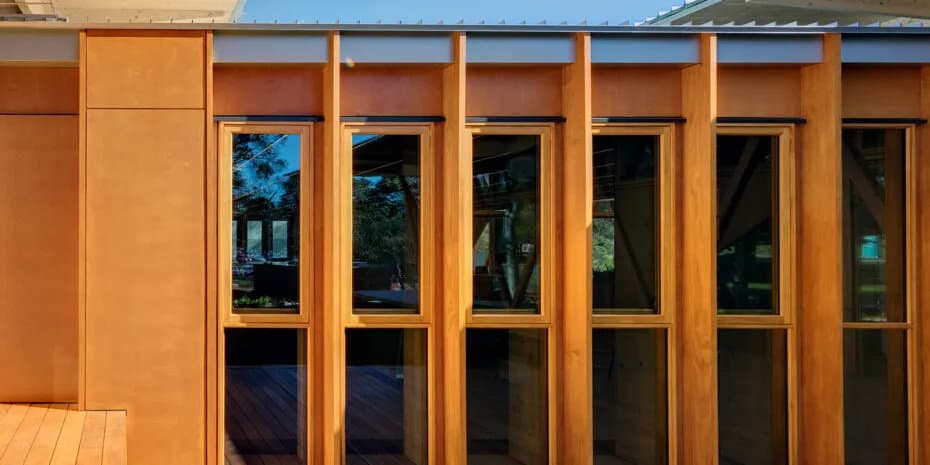
Accoya Timber Windows: The Ultimate Choice for Durability and Sustainability
Made from sustainably sourced wood, Accoya windows undergo a revolutionary modification process to enhance their durability, making them more resistant to rot, ...
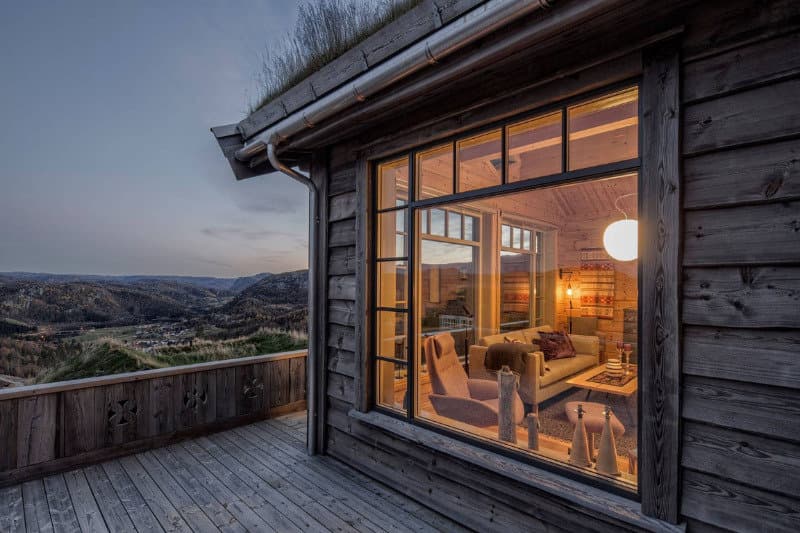
Alu Clad Timber Windows: The Perfect Blend of Durability and Aesthetic
These windows feature timber on the inside, providing warmth and traditional charm, while the aluminium cladding on the outside protects against harsh weather c...
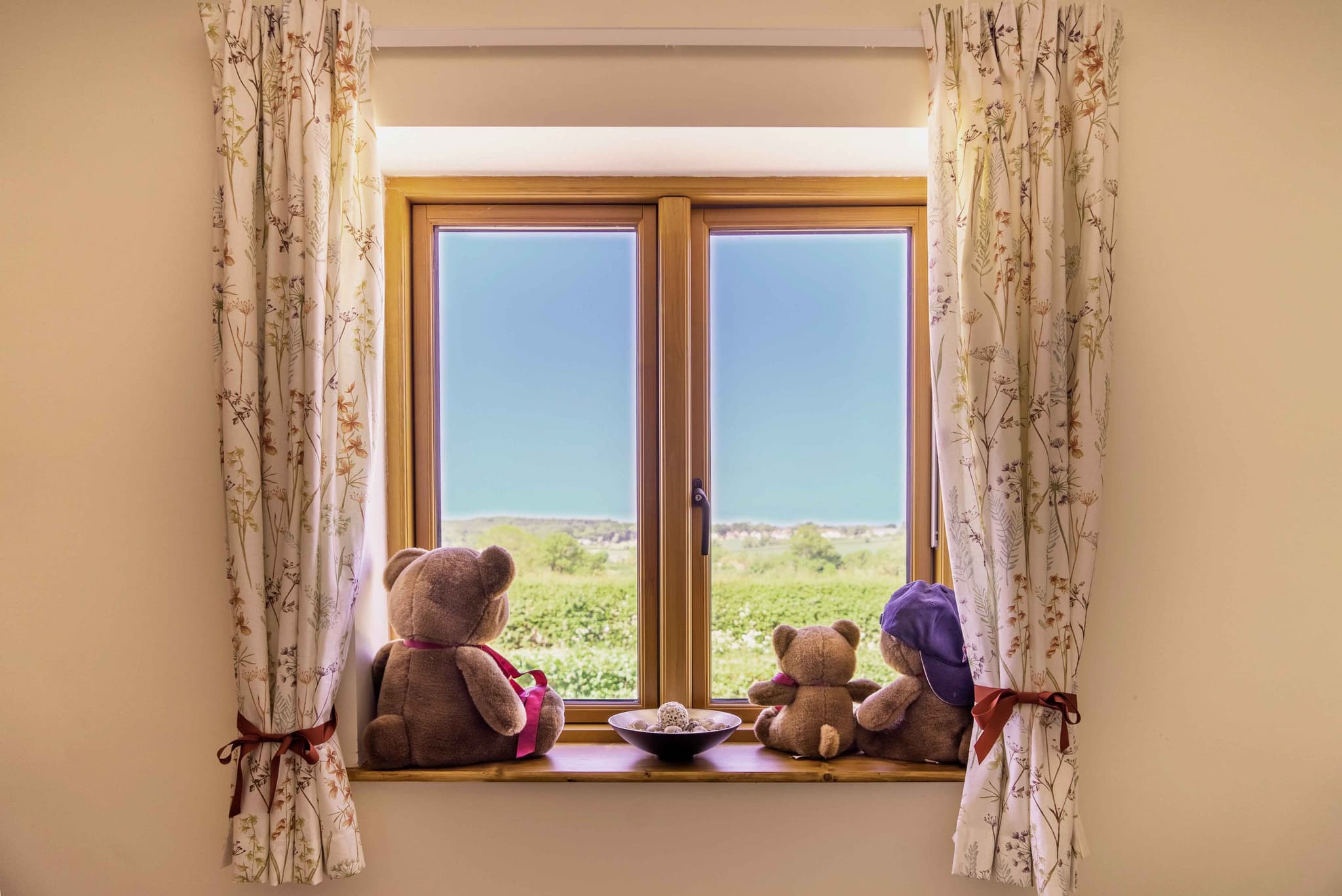
Are Timber Windows more expensive? (Timber vs Aluminium Windows)
In this article, we'll comparetimber windowsandaluminium windowsin terms of cost, performance, and longevity to help you make an informed decision.