.svg)


uPVC Sash Windows vs Timber: Prices, Pros & Cons Compared (2026)
Table of Contents
Quick Answer
uPVC sash windows replicate the appearance of traditional timber sash windows at a lower cost and with minimal maintenance. They typically cost 600 to 1,200 per window compared to 1,200 to 2,800 for timber equivalents. Modern uPVC sash windows feature realistic woodgrain finishes, tilt-in sashes for easy cleaning, multi-point locking, and U-values from 1.2 W/m2K. However, they may not be accepted in conservation areas.
Key Takeaways
- High-quality uPVC sash windows typically last between 20 and 35 years, depending on the quality of the product and installation.
- Modern uPVC sash windows can achieve energy ratings of A+ or even A++ when fitted with high-performance double or triple.
- From a distance, it can be very difficult to distinguish a high-quality uPVC sash window from a genuine timber one.
- UPVC sash windows in the UK typically cost between £400 and £900 per window, including installation.
- Many suppliers, including Harrington Windows, offer free no-obligation quotes so you can get an accurate price for your specific requirements.
Sash windows offer timeless elegance and are a defining feature of many British homes, particularly period properties. Traditionally made from timber, modern advancements now provide homeowners with the option of uPVC sash windows. But what are they, and could they be the right choice for your home? Harrington Windows offers expertly crafted uPVC sash windows that blend classic style with modern convenience.
What are uPVC Sash Windows?
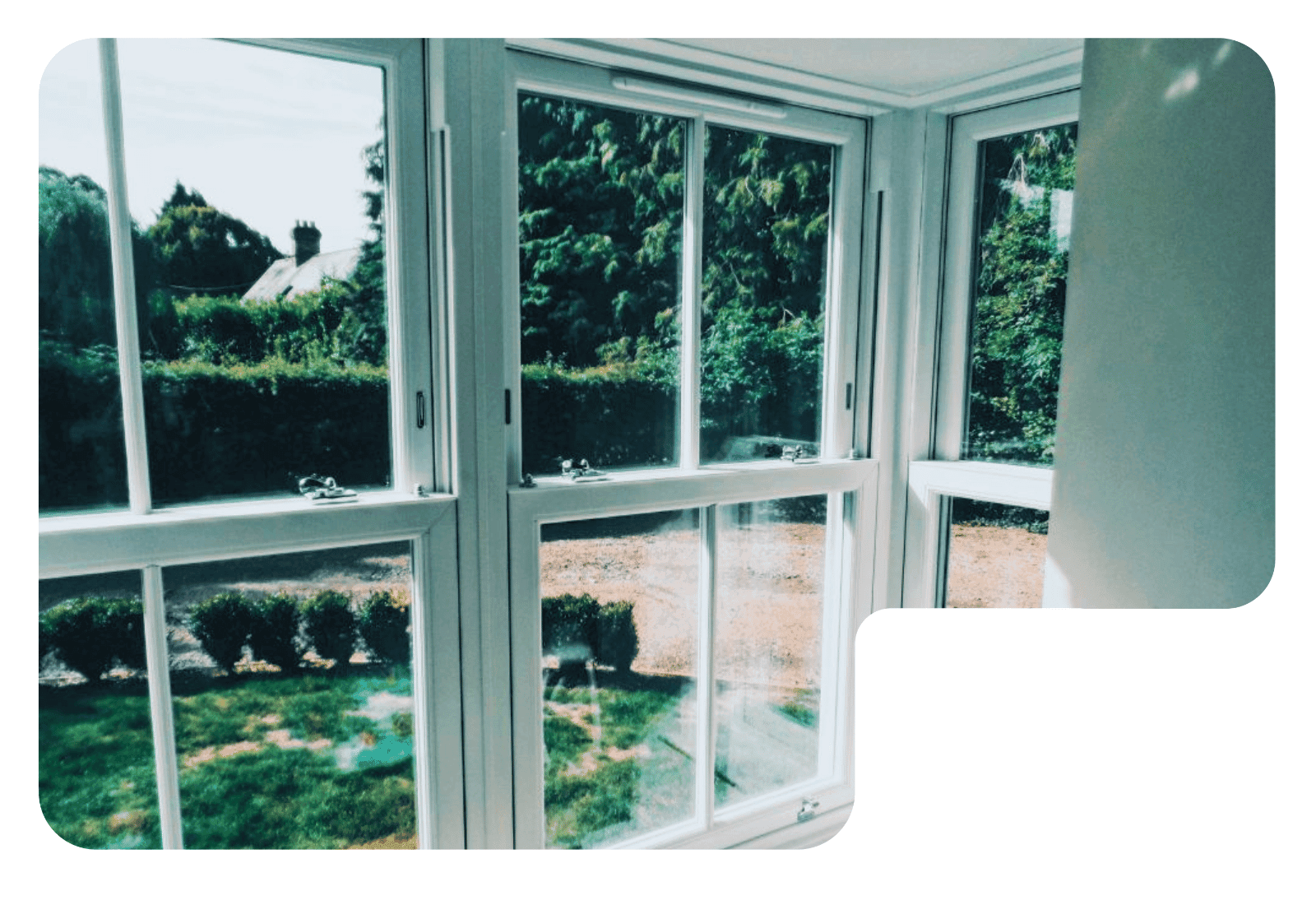
uPVC (unplasticized polyvinyl chloride) sash windows replicate the appearance and vertical sliding mechanism of traditional timber sash windows but are constructed from durable, low-maintenance uPVC frames. They typically feature two sashes that slide up and down within the frame, often with a tilt-in feature for easy cleaning.
Benefits of Choosing uPVC Sash Windows
uPVC sash windows have become increasingly popular due to their compelling advantages:
1. Low Maintenance
Unlike timber, uPVC doesn't require regular painting or sealing. It won't warp, rot, or swell, and cleaning typically just involves wiping down the frames with soapy water. This saves homeowners significant time and effort over the window's lifespan.
2. Energy Efficiency
Modern uPVC frames feature multi-chambered profiles that trap air, providing excellent insulation. Combined with high-performance double or triple glazing, uPVC sash windows significantly reduce heat loss, helping to lower energy bills and improve home comfort.
3. Durability and Security
uPVC is a strong, weather-resistant material built to withstand the UK climate. Quality uPVC sash windows incorporate robust locking mechanisms and reinforced frames, enhancing home security.
4. Authentic Aesthetics
Modern manufacturing techniques allow uPVC sash windows to closely mimic the appearance of traditional timber. Features like slim sightlines, authentic sash horns, and woodgrain foil finishes mean you don't have to sacrifice classic style for modern performance. Harrington Windows offers options specifically designed for conservation areas.
5. Cost-Effectiveness
Generally, uPVC sash windows have a lower initial cost compared to their timber counterparts, making them an attractive option for budget-conscious homeowners seeking the sash style.
Are uPVC Sash Windows Right for Your Home?
uPVC sash windows are an excellent choice for many homeowners, especially those prioritising low maintenance, energy efficiency, and value. They are suitable for various property types. However, for listed buildings or properties in very strict conservation areas, timber might still be required or preferred to maintain absolute authenticity.
Quality uPVC Sash Windows from Harrington Windows
At Harrington Windows, we supply and install premium uPVC sash windows known for their quality construction, authentic appearance, and superior performance. Our range includes options suitable for various architectural styles, all backed by expert installation and our 10-year warranty.
**Explore the benefits of modern uPVC sash windows. Contact Harrington Windows today for expert advice and a free, no-obligation quote tailored to your needs.**
Frequently Asked Questions
uPVC sash windows in the UK typically cost between £400 and £900 per window, including installation. The exact price depends on factors such as the size of the window, the type of glazing (double or triple), any woodgrain foil finishes, and the complexity of the installation. This is generally 30-50% less expensive than equivalent timber sash windows. Many suppliers, including Harrington Windows, offer free no-obligation quotes so you can get an accurate price for your specific requirements.
In many conservation areas across the UK, uPVC sash windows can be installed, provided they closely replicate the appearance of the original timber windows. Modern uPVC sash windows feature slim sightlines, authentic sash horns, and woodgrain finishes that satisfy many local planning authorities. However, requirements vary between councils, and some stricter conservation areas or Grade I and II listed buildings may still require timber. It is always advisable to check with your local planning department before proceeding with any window replacement in a conservation area.
High-quality uPVC sash windows typically last between 20 and 35 years, depending on the quality of the product and installation. Premium uPVC frames are UV-stabilised to resist discolouration and are engineered to withstand the UK's variable weather conditions without warping, rotting, or cracking. The hardware components such as locks and spring balances may need replacing or servicing during the window's lifespan, but the frames themselves require very little maintenance beyond occasional cleaning with soapy water.
uPVC sash windows offer several practical advantages over timber, including significantly lower maintenance, better resistance to rot and warping, and a lower purchase price. Modern manufacturing allows uPVC sash windows to closely replicate the look of timber with woodgrain finishes and authentic detailing. However, timber sash windows may be preferred for listed buildings or where absolute authenticity is required. In terms of energy efficiency and security, high-quality uPVC sash windows perform on par with or better than timber equivalents.
Yes, most modern uPVC sash windows include a tilt-in feature that allows the sashes to tilt inward for easy cleaning from inside the property. This is particularly useful for upper-floor windows where exterior access is difficult. The tilt mechanism is built into the window design and can be operated with simple catch releases. This feature is a significant advantage over traditional timber sash windows, which typically require external access or specialist equipment to clean properly.
Modern uPVC sash windows can achieve energy ratings of A+ or even A++ when fitted with high-performance double or triple glazing. Their multi-chambered frame profiles provide excellent thermal insulation, with U-values as low as 1.2 W/m2K for double-glazed units and below 1.0 W/m2K for triple-glazed options. This level of performance comfortably exceeds UK Building Regulations requirements and can lead to meaningful reductions in heating bills, particularly when replacing older single-glazed timber sash windows.
Yes, modern uPVC sash windows can be manufactured with a range of authentic features that closely replicate traditional wooden sash windows. These include realistic woodgrain foil finishes in colours such as oak, mahogany, and cream, decorative sash horns, run-through horns, Georgian bar detailing, and slim sightlines. From a distance, it can be very difficult to distinguish a high-quality uPVC sash window from a genuine timber one, making them an excellent option for homeowners who want the period look without the ongoing maintenance.
Yes, standard uPVC casement windows are generally the most affordable option, typically costing between £250 and £600 per window including installation. Traditional timber sash windows are considerably more expensive, ranging from £800 to £2,000 per window depending on size and specification. uPVC sash windows offer a middle ground, usually costing between £400 and £900 per window. The price difference reflects the more complex manufacturing and installation requirements of sash-style windows compared to standard casement designs.
In most cases, replacing sash windows with uPVC alternatives does not require planning permission under permitted development rights, provided you are not in a conservation area or a listed building. However, if your property is in a conservation area, you may need to obtain planning consent, and the replacement windows may need to closely match the original design. For listed buildings, listed building consent is almost always required. It is always wise to check with your local planning authority before proceeding, as conditions can vary between councils across England, Wales, Scotland, and Northern Ireland.
Modern uPVC casement windows tend to offer slightly better energy efficiency than traditional timber sash windows due to their multi-chambered frame profiles and tighter seals. uPVC casement windows typically achieve U-values of 1.2-1.4 W/m2K with double glazing. However, modern uPVC sash windows have closed the gap significantly and can achieve comparable thermal performance. Traditional timber sash windows, especially older single-glazed ones, are less energy efficient, though they can be upgraded with double glazing and draught-proofing to improve their performance substantially.
Sash windows can add significant value to UK properties, particularly period homes such as Georgian, Victorian, and Edwardian houses. Estate agents often note that authentic or high-quality replacement sash windows are a strong selling point, as they preserve the property's architectural character. In conservation areas, having appropriate sash windows can be especially important for maintaining property values. While exact figures vary, well-maintained sash windows can contribute to a property value increase of 5-10%, as they enhance both kerb appeal and the perceived quality of the home.
uPVC sash windows require significantly less maintenance than timber sash windows. Timber sash windows need regular repainting or staining every 3-5 years, periodic checks for rot and decay, and ongoing attention to ensure the wood remains sealed against moisture. uPVC sash windows, by contrast, only need occasional wiping with soapy water to stay clean and maintain their appearance. They will not rot, warp, or need repainting. This makes uPVC sash windows particularly attractive for homeowners who want the traditional sash look without the time and expense of regular upkeep.
Yes, sash windows can work beautifully in modern homes, though they are most commonly associated with period properties. Modern uPVC sash windows come in a range of contemporary finishes and colours that can complement newer architectural styles. Their vertical sliding operation offers excellent ventilation control and they can be fitted with high-performance double or triple glazing for optimal energy efficiency. For modern homes, flush sash windows offer a particularly clean and streamlined appearance that blends traditional functionality with contemporary aesthetics.
Standard uPVC casement windows typically last between 20 and 35 years before needing replacement. uPVC sash windows have a similar lifespan of 20-30 years. Traditional timber sash windows, when properly maintained with regular painting and repairs, can last 60 years or more, and many original Victorian and Georgian sash windows are still in service today after over 100 years. However, timber sash windows require considerably more ongoing maintenance investment to achieve this longevity. The choice often comes down to whether you prefer lower upfront maintenance or maximum long-term durability.
Eco slide sash windows are modern, energy-efficient windows designed to replicate the traditional appearance of timber sash windows. They are typically made from uPVC or other sustainable materials and feature advanced thermal insulation, double or triple glazing, and low-maintenance construction. They provide the classic vertical sliding operation of traditional sash windows while delivering significantly better energy performance and requiring far less upkeep.
Eco slide sash windows can be suitable for some conservation areas, depending on the local planning authority's requirements. Many modern eco slide sash windows feature slim sightlines, authentic woodgrain finishes, and traditional detailing such as sash horns and run-through horns that closely replicate period originals. However, some conservation officers may insist on timber windows. Always check with your local planning authority before purchasing.
Eco slide sash windows can achieve energy ratings of A or A+, making them significantly more efficient than traditional single-glazed timber sash windows. They feature multi-chambered uPVC profiles, double or triple glazing with argon gas fill, and low-emissivity glass coatings. The Energy Saving Trust estimates that upgrading to energy-efficient windows can save UK households up to £120 per year on heating bills.
One of the biggest advantages of eco slide sash windows is their low maintenance requirements. Unlike traditional timber sash windows that need regular painting, varnishing, and rot treatment, uPVC eco slide sash windows only require occasional cleaning with warm soapy water. The frames will not rot, warp, or fade, and the hardware typically needs just periodic lubrication to maintain smooth operation.
Yes, eco slide sash windows can be fitted with trickle vents to comply with UK Building Regulations (Part F) which require adequate ventilation in habitable rooms. Trickle vents allow a controlled amount of background ventilation without significantly affecting the thermal performance or appearance of the window. They can usually be discreetly integrated into the window frame or head rail.
Modern eco slide sash windows come with advanced security features including multi-point locking systems, reinforced sashes, anti-lift blocks, and secure keeps. Many models meet Secured by Design standards, which is a police-backed initiative to improve the security of buildings and their surroundings. These features make eco slide sash windows significantly more secure than traditional timber sash windows with simple catches.
Related Posts
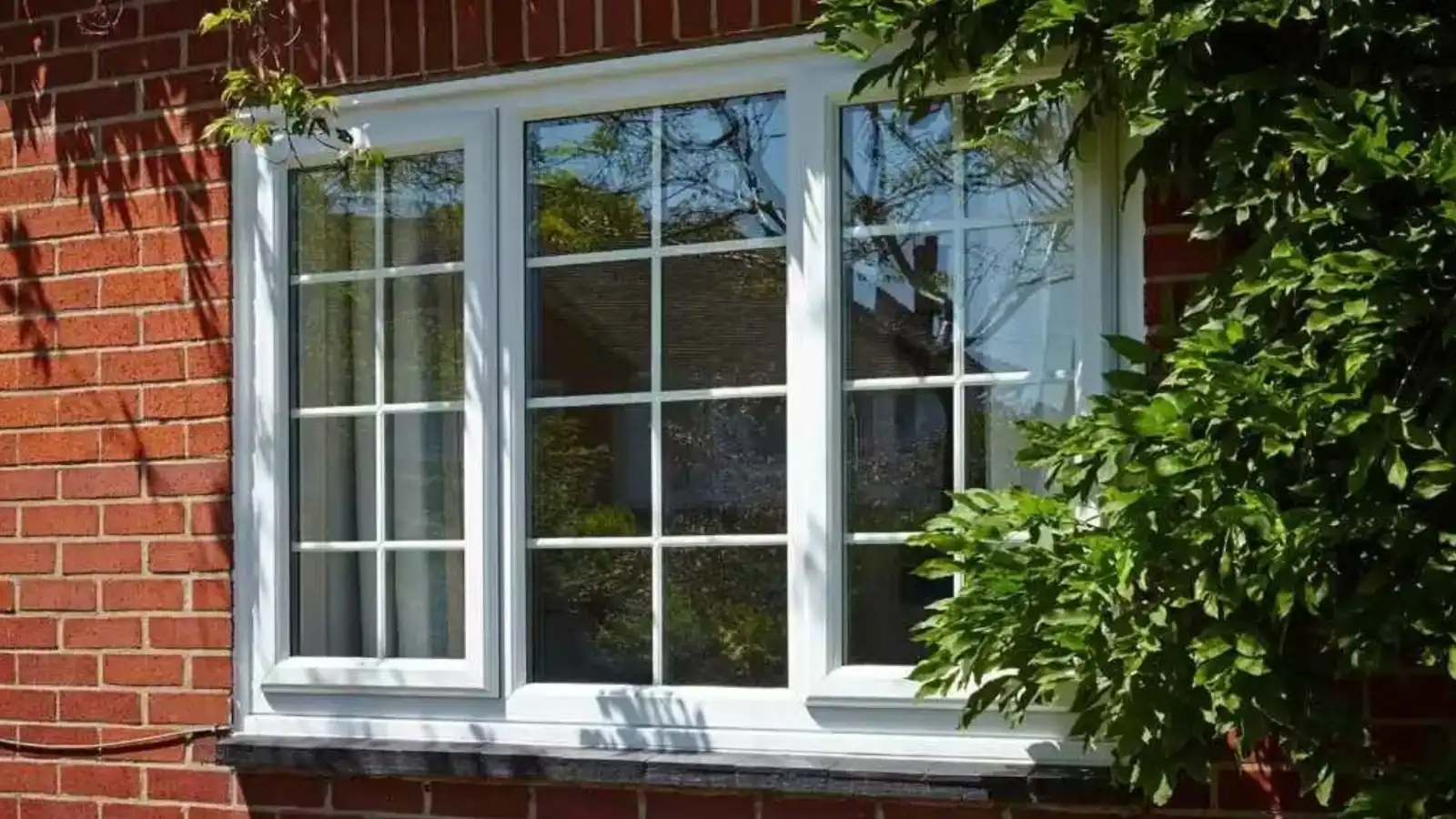
Georgian uPVC Windows: Prices, Colours & Conservation Area Guide
Georgian uPVC windows are a modern adaptation of the traditional Georgian window design, combining the architectural significance and aesthetic appeal of window...
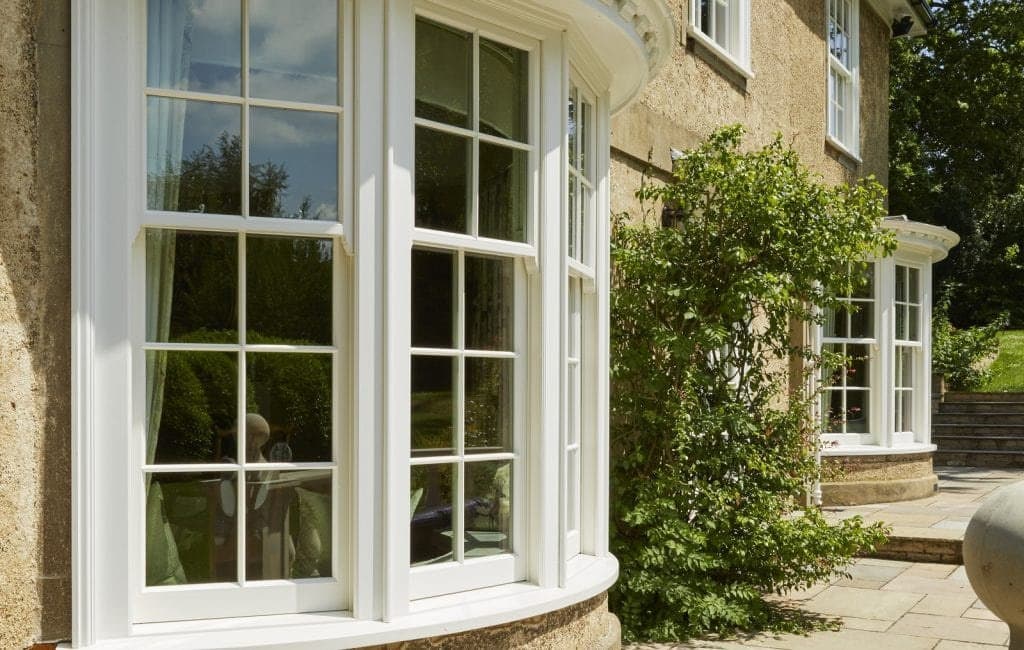
Are Sash Windows More Expensive? A Complete Guide to Sash Window Costs
Sash windows, celebrated for their classic elegance and historical charm, are often associated with period properties, but they've also become popular in modern...
Are Timber Windows more expensive? (Timber vs Aluminium Windows)
In this article, we'll comparetimber windowsandaluminium windowsin terms of cost, performance, and longevity to help you make an informed decision.