.svg)


Victorian Sash Windows: Restoring Timeless Elegance to Your Home
Table of Contents
Quick Answer
Victorian sash windows (1837-1901) evolved from Georgian designs with larger panes, decorative horns, and elaborate moulding profiles. Common patterns include two-over-two and one-over-one glazing. Replacement Victorian sash windows cost 1,000 to 2,800 in timber or 500 to 1,000 in uPVC. Conservation-grade replacements with slim-profile double glazing preserve period authenticity while improving thermal performance to U-values of 1.2 to 1.6 W/m2K.
Key Takeaways
- These units are typically 12-16mm thick, compared to standard double glazing at 24-28mm.
- Victorian timber sash windows typically need repainting every 5 to 8 years to maintain their protective coating and keep them.
- Alternatively, secondary glazing can be fitted behind the existing single-glazed sash window, providing improved insulation without altering the external appearance.
- These improvements mean that upgraded Victorian sash windows can approach the thermal performance of modern replacement windows while preserving the.
- Basic restoration including draught-proofing, re-glazing, and repainting may cost around £300-£500 per window.
Victorian sash windows are an iconic feature in British architecture, celebrated for their elegance, craftsmanship, and historical significance.
Originating in the Victorian era, these windows have become a defining element of period homes across the UK, often featuring intricate detailing and beautiful, tall frames that bring in ample natural light.
In this article, we’ll explore the charm and practicality ofVictorian sash windows, their unique features, and why they’re an excellent choice for homeowners looking to maintain or restore the authenticity of their period properties.
1. What Are Victorian Sash Windows?
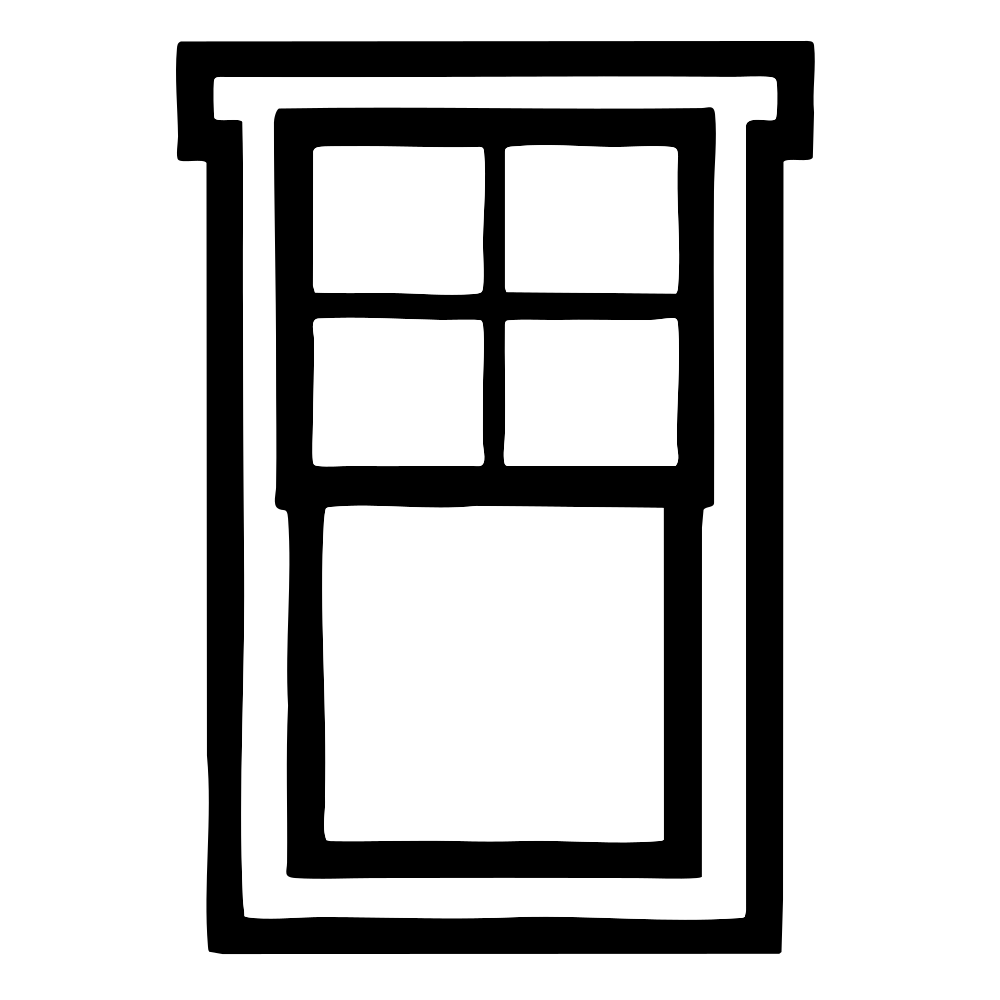
Victorian sash windowsare typically characterised by their two-sash design, where each sash slides vertically. This style gained popularity during the 19th century, an era marked by architectural grandeur and intricate detailing. Unlike earlier Georgian sash windows, which usually had six or more panes per sash,Victorian sash windowsoften feature two larger panes, creating a more open and airy look.
Key Features of Victorian Sash Windows
- Tall and Narrow Design: Victorian sash windows are often tall with narrow frames, perfectly suited for high ceilings.
- Two-Pane Structure: Unlike Georgian sash windows with multiple small panes, Victorian sash windows commonly have one or two large panes per sash, enhancing light flow.
- Ornate Detailing: Many Victorian sash windows come with decorative elements such as stained glass or intricate woodwork, adding to their unique appeal.
For more on the evolution of sash window styles, explore our article onGeorgian vs Victorian sash windows.
2. Benefits of Victorian Sash Windows
a. Timeless Elegance
The classic design ofVictorian sash windowsadds a sense of historical charm to any home. They bring a unique elegance that complements period properties, making them a popular choice for homeowners looking to retain the original character of their homes.
b. Excellent Ventilation
With two sashes that can slide open independently, Victorian sash windows offer flexible ventilation options. You can open the top sash to allow warm air to escape while keeping the bottom sash closed for safety.
c. Enhanced Natural Light
The larger glass panes in Victorian sash windows allow more natural light to flood into your home, brightening up your interiors. This is particularly beneficial for rooms with high ceilings or limited wall space.
For more information on maximising natural light in your home, read our guide onlarge house windows.
3. Victorian Sash Windows vs Modern Sash Windows
Here’s a look at how traditional Victorian sash windows compare to modern sash designs:
If you’re considering Victorian sash windows for your period property, we recommend looking intotimber sash windowsfor a more authentic feel. Explore our guide ontimber windowsfor insights on choosing the best material.
4. Victorian Sash Window Restoration and Replacement
Restoring or replacingVictorian sash windowscan be a rewarding investment. Here are some tips for maintaining the historical accuracy and durability of your windows:
a. Choose Authentic Materials
While modern materials likeuPVCandaluminiumcan mimic the look of timber, nothing matches the authenticity ofwooden sash windows. Timber windows offer a closer resemblance to the original Victorian designs and can be custom-finished to match your home’s style.
b. Upgrade to Double Glazing
Many Victorian sash windows were single-glazed, making them less energy-efficient. Upgrading todouble glazingcan improve insulation and reduce energy costs without compromising the historical look. For more benefits of double glazing, check out our article ondouble glazed wooden windows.
c. Regular Maintenance
Victorian sash windows, especially those made of timber, require regular maintenance to prevent issues such as rot, warping, or draughts. Simple measures like re-painting, applying weatherstripping, and lubricating moving parts can extend the life of your sash windows.
5. Are Victorian Sash Windows Right for You?
Victorian sash windowsare ideal for homeowners who want to preserve the authenticity of their period property. With proper care and occasional upgrades, these windows can be just as functional as their modern counterparts while adding significant value to your home.
If you're torn between traditional and modern options, our article on sash windows vs uPVC windows may help clarify the benefits of each style.
Conclusion
Whether you’re restoring a period property or adding historical charm to a newer home,Victorian sash windowsare an elegant, functional choice. They offer flexibility in ventilation, excellent natural light, and a timeless aesthetic that enhances any room.
For those who appreciate classic British architecture, Victorian sash windows are truly unmatched.
Frequently Asked Questions
Restoring Victorian sash windows in the UK typically costs between £300 and £800 per window, depending on the extent of the work required. Basic restoration including draught-proofing, re-glazing, and repainting may cost around £300-£500 per window, while more extensive work involving timber splice repairs, new sash cords, and hardware replacement can reach £600-£800. Full replacement with like-for-like timber sash windows starts from around £1,200 per window. For properties with many windows, restoration is often more cost-effective than full replacement and helps preserve the property's historical character.
Yes, Victorian sash windows can be double glazed using several methods. Slim-profile double glazed units are specifically designed to fit within existing sash window frames without significantly altering their appearance. These units are typically 12-16mm thick, compared to standard double glazing at 24-28mm. Alternatively, secondary glazing can be fitted behind the existing single-glazed sash window, providing improved insulation without altering the external appearance. For listed buildings and conservation areas, secondary glazing is often the preferred approach as it preserves the original window intact.
The most reliable way to distinguish Victorian sash windows from Georgian ones is by the number of panes. Georgian sash windows (1714-1830) typically have six or more small panes per sash, arranged in a grid pattern, because glass manufacturing limitations meant only small panes could be produced. Victorian sash windows (1837-1901) generally have one or two large panes per sash, as advances in glass production allowed larger sheets. Victorian sash windows also tend to feature sash horns at the bottom of the upper sash, which were a structural necessity introduced during this period.
If your property is in a conservation area or is a listed building, you will likely need planning permission or listed building consent to replace Victorian sash windows. The local planning authority will typically require that replacement windows match the original design, materials, and proportions as closely as possible. For non-listed properties outside conservation areas, replacement windows fall under permitted development rights, meaning planning permission is usually not required, though the work must still comply with Building Regulations and should be installed by a FENSA-registered installer.
Draught-proofing is one of the most effective and affordable improvements you can make to Victorian sash windows. Professional draught-proofing involves fitting brush or compression seals into the channels where the sashes meet the frame, sealing the gap between the meeting rails, and addressing the gap at the bottom of the lower sash. This can reduce heat loss by up to 50% and significantly improve comfort. The work typically costs £200-£400 per window and can be completed without altering the window's appearance, making it suitable for listed buildings and conservation areas.
For replacing Victorian sash windows, the most commonly recommended timbers are engineered Accoya, engineered Sapele (a hardwood), and engineered European Redwood. Accoya is a modified softwood that offers exceptional durability, dimensional stability, and rot resistance, backed by a 50-year guarantee. Sapele is a tropical hardwood that provides excellent strength and a fine grain finish. Engineered timber, where layers are laminated together, is preferred over solid timber as it is less prone to warping, twisting, and shrinking. The choice of timber should balance durability, cost, and the specific requirements of your property.
Original single-glazed Victorian sash windows offer relatively poor insulation by modern standards, with U-values of around 5.0 W/m2K. However, with appropriate upgrades they can be significantly improved. Draught-proofing alone can make a substantial difference to comfort and heat retention. Adding slim-profile double glazing can bring U-values down to around 1.4-1.6 W/m2K, while secondary glazing typically achieves around 1.8-2.0 W/m2K. These improvements mean that upgraded Victorian sash windows can approach the thermal performance of modern replacement windows while preserving the period character of your home.
Victorian timber sash windows typically need repainting every 5 to 8 years to maintain their protective coating and keep them looking their best. The exact frequency depends on the quality of the paint used, the orientation of the windows (south-facing windows weather more quickly), and exposure to the elements. Before repainting, any flaking or peeling paint should be removed, bare timber primed, and any minor rot treated with a wood hardener. Using a high-quality exterior microporous paint allows the timber to breathe and provides longer-lasting protection between repainting cycles.
Related Posts
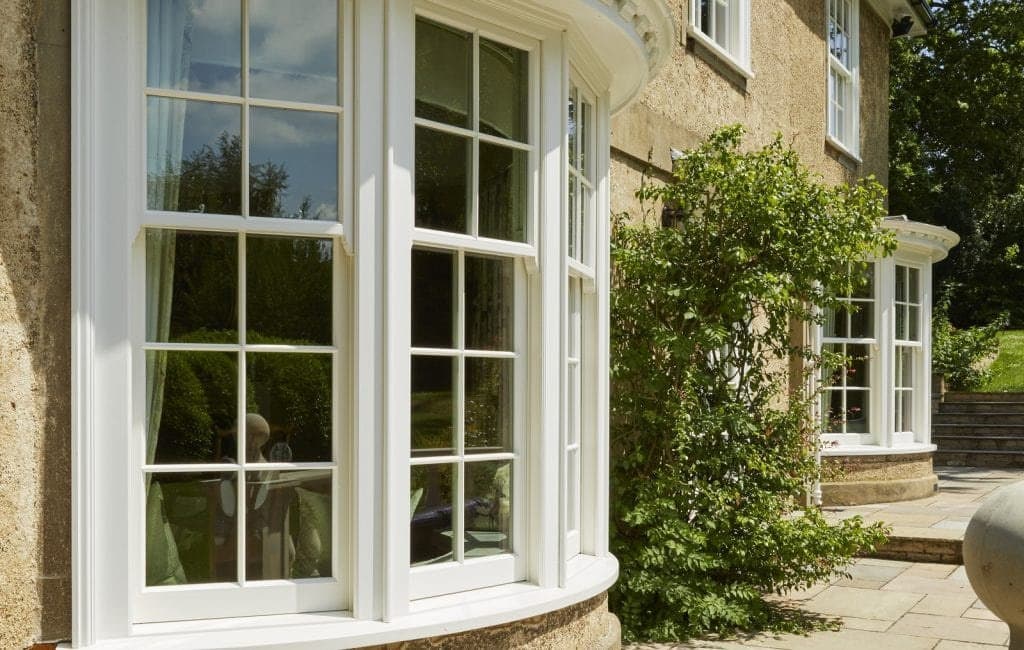
Are Sash Windows More Expensive? A Complete Guide to Sash Window Costs
Sash windows, celebrated for their classic elegance and historical charm, are often associated with period properties, but they've also become popular in modern...
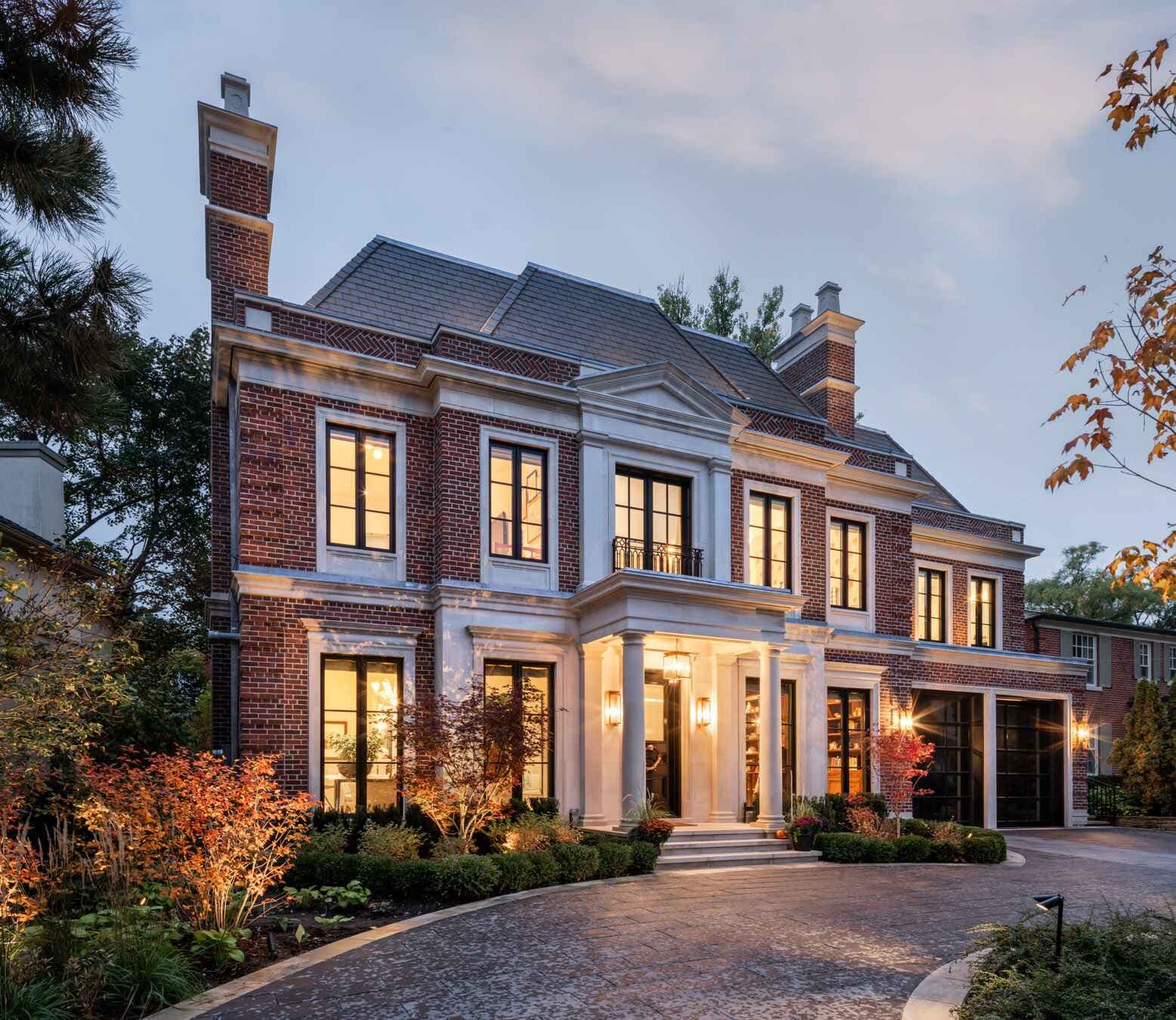
Box Sash Windows vs Spring Balanced Sash Windows: Which is the Best for Your Home?
However, when choosing between box sash windows and spring balanced sash windows, understanding the key differences can help you make the right decision for you...
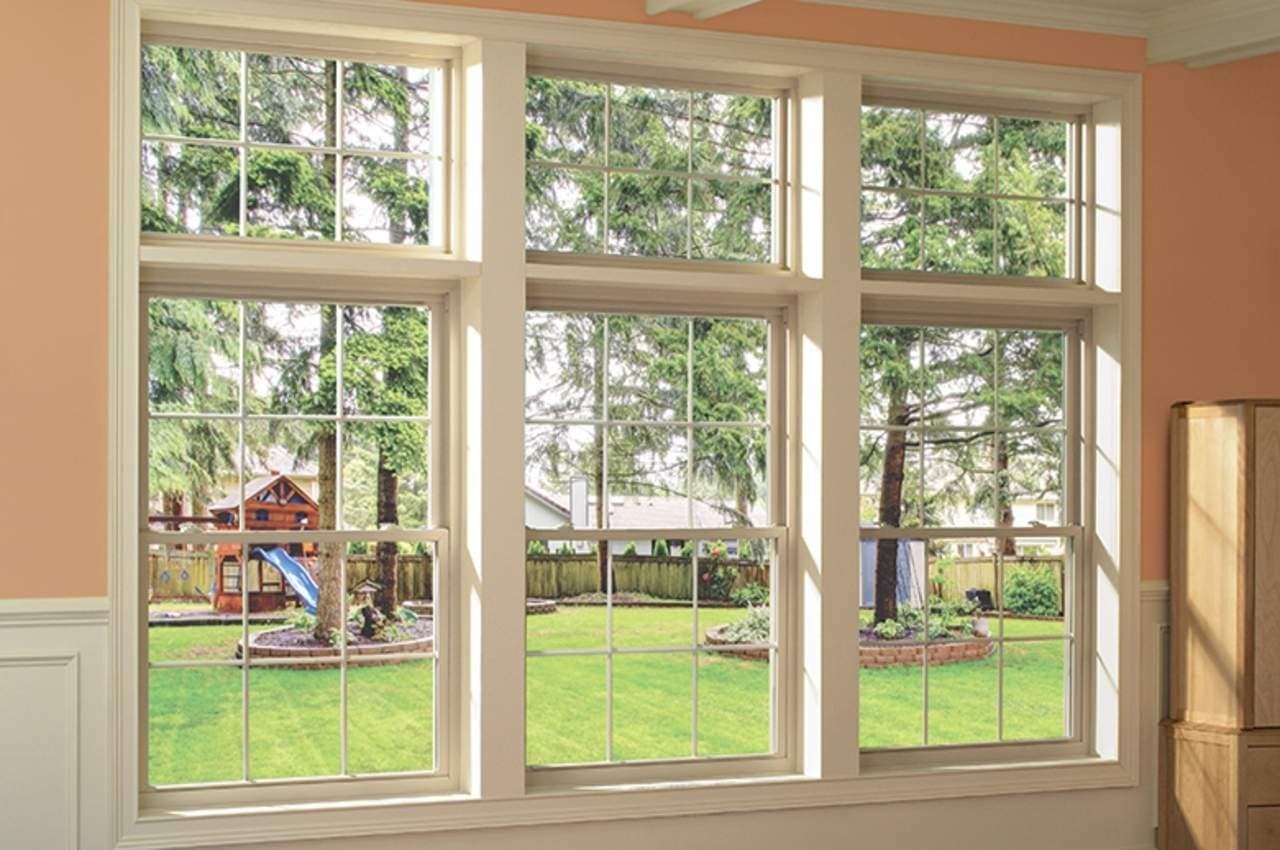
Double Hung Sash Windows: A Classic and Versatile Choice for Your Home
These windows consist of two moveable sashes that slide vertically, allowing for flexible ventilation and ease of use. Whether you're renovating a period proper...