.svg)








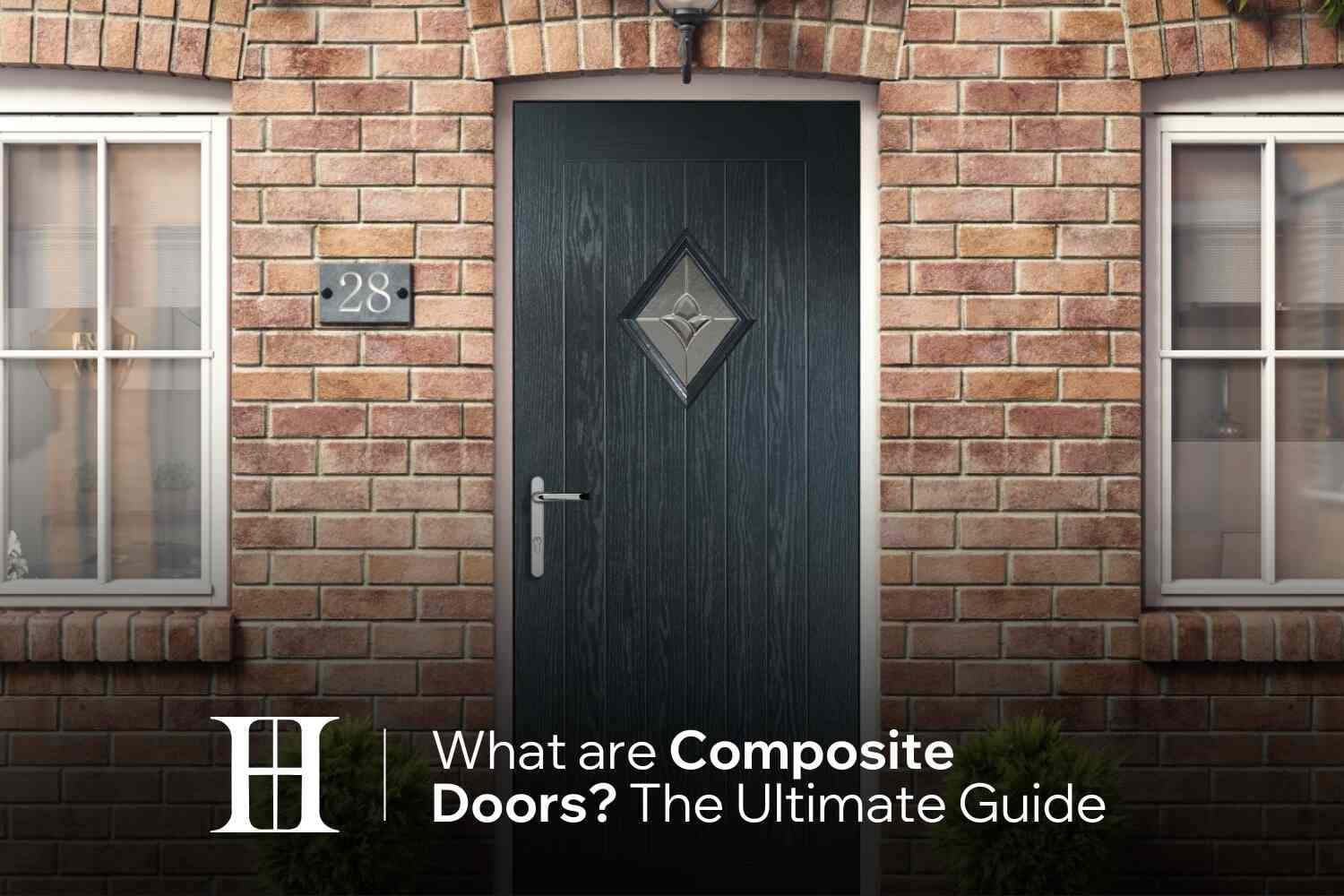

What are Composite Doors? The Ultimate Guide
Table of Contents
Quick Answer
Composite doors are made from a combination of materials, typically a solid timber core surrounded by glass reinforced plastic (GRP), with a thermally insulating polyurethane foam filling and a uPVC or aluminium subframe. This construction delivers superior strength, thermal insulation (U-values from 0.9 W/m2K), security (PAS 24 rated), and weather resistance compared to single-material doors. Prices range from 800 to 2,000.
Key Takeaways
- A standard composite door is typically around 44-48mm thick, which is considerably thicker than a uPVC door at approximately 28mm.
- Composite doors typically last 30-35 years with minimal maintenance, outperforming most uPVC and wooden doors.
- It is important to use a FENSA-approved installer to ensure the door meets Building Regulations and to benefit from warranty.
- A typical guarantee for the door itself is 10 years, covering defects in materials and manufacturing, including resistance to warping.
- Some premium brands offer extended guarantees of up to 15 or even 20 years.
A composite door combines multiple materials, such as timber, uPVC, and a glass-reinforced plastic (GRP) outer layer, to provide durability, energy efficiency, and low maintenance. A composite door is made of these materials to ensure robust construction and sleek appearance, making them a leading choice for homeowners seeking security and style.
This guide explores their benefits, costs, and key considerations to help you decide if they are the right fit for your home.
What is a Composite Door?
A composite door is a marvel of modern engineering, crafted from a blend of materials including solid timber, uPVC, foam, and Glass Reinforced Plastic (GRP).
This unique combination results in a door that is not only strong and durable but also offers superior security and thermal efficiency.
The multi-material construction ensures that composite doors are built to last, providing a long-lasting, low-maintenance solution for homeowners.
Whether you’re looking for a new front door, back door, or any other exterior door, composite doors stand out as an ideal choice for their robust performance and aesthetic appeal.
Why Choose Composite Doors?
Benefits of Composite Doors
Composite doors offer unmatched advantages:
- Composite door Stability:They create a strong first impression, provide security with multi-point locking mechanisms, and enhance energy efficiency by preventing heat loss.
- Durability: Constructed from durable materials like GRP and solid timber cores, they resist wear and tear.
- Thermal Efficiency: Their insulation properties help retain heat, lowering energy bills.
- Security: Equipped with high-performance locking systems, they provide peace of mind.
- Low Maintenance: Composite doors require minimal upkeep; a damp cloth is often enough to maintain their finish.
- Kerb Appeal: They enhance the exterior aesthetic of any property with a classic style and modern touches.
Energy Efficiency & Heat Retention
Composite doors are thermally efficient, offering exceptional insulation.
Most composite doors feature a robust construction, highlighted by a 48mm thick solid timber core, which enhances their durability and resistance to warping.
The multiple layers, including high-density polyurethane foam, significantly reduce heat transfer, ensuring energy savings throughout the year.
For those looking to reduce their carbon footprint, these doors provide a sustainable option.
Composition and Materials
Composite doors are meticulously designed using a variety of materials, each selected for its specific benefits. At the heart of these doors is a solid timber core, which provides exceptional strength and stability.
Surrounding this core is a uPVC layer that offers excellent weather resistance and durability, ensuring the door can withstand the elements. The foam core within the door enhances its thermal insulation properties, making composite doors highly energy-efficient and environmentally friendly.
The outermost layer is made of GRP (Glass Reinforced Plastic), which adds an extra level of security and durability. This GRP layer makes the door resistant to scratches, dents, and other forms of damage, ensuring it remains in pristine condition for years to come.
Security Features
When it comes to security, composite doors are in a league of their own. Designed with a solid timber core and a robust GRP layer, these doors provide a formidable barrier against potential intruders.
The multi-point locking mechanism further enhances security by ensuring the door is securely locked at multiple points, making it extremely difficult to force open. Additionally, the materials used in composite doors are inherently resistant to forced entry, providing homeowners with peace of mind.
For those who prioritise the safety of their property and family, composite doors are an excellent choice, offering unparalleled protection.
Design Options
One of the standout features of composite doors is their versatility in design.
Available in a wide array of styles, colours, and finishes, composite doors can be tailored to match any home’s aesthetic. Whether you prefer a modern, sleek look or a more traditional, classic appearance, there is a composite door to suit your taste.
Furthermore, these doors can be customized with various hardware options, including handles, hinges, and letter plates, allowing you to create a truly unique and personalised entrance to your home. The ability to customize composite doors ensures that they not only enhance the security and efficiency of your home but also add to its overall curb appeal.
How Composite Doors Are Made
Composite doors are crafted using several materials, including timber, uPVC, and GRP, bonded together for optimal performance. A composite door made with a solid timber core ensures structural support, while the GRP outer layer offers weather resistance and durability.
This layered construction makes them more robust than single-material doors like traditional timber or uPVC.
Composite Doors vs Other Doors
Composite doors offer a range of benefits that make them superior to other types of doors.
Unlike timber doors, composite doors do not warp, crack, or rot, making them a low-maintenance option that retains its appearance and functionality over time.
Compared to uPVC doors, composite doors provide a more authentic and natural look, appealing to homeowners who desire a traditional aesthetic. Unlike steel doors, composite doors are energy-efficient and environmentally friendly, contributing to a sustainable home.
Overall, composite doors combine the best features of timber, uPVC, and steel doors, offering unmatched security, durability, and aesthetic appeal. For homeowners seeking a high-quality, long-lasting door, composite doors are an excellent investment.
Composite Doors vs Other Doors Comparison Table
Composite doors strike a balance between traditional timber doors and low-cost uPVC doors, offering the best of both worlds.
Common Questions About Composite Doors
What Are the Disadvantages of Composite Doors?
Composite doors can be more expensive upfront compared to uPVC doors. A durable composite door, with its combination of various layers and a solid timber core, offers enhanced strength and resistance to common issues. Additionally, their weight requires proper installation to prevent operational issues.
Is a Composite Door Better than uPVC?
Yes, composite doors are more durable, energy-efficient, and secure than uPVC doors. Composite front doors, made from a combination of materials, offer remarkable thickness and robust locking systems, making them highly secure options for homes. While uPVC is more budget-friendly, composite doors provide long-term value.
How Much Does a Composite Door Cost in the UK?
A composite door, including installation, typically costs between £1,000 and £2,000. Choosing a FENSA Approved Installer for the installation of a new composite door ensures adherence to strict standards and building regulations. Factors like size, glazing, and design influence the price.
Can You Paint Composite Doors?
Yes, composite doors can be painted using specialised paints designed for GRP surfaces, allowing for easy customisation.
Do Composite Doors Require Maintenance?
Composite doors are low-maintenance. A new door made from composite materials offers durability and requires minimal upkeep, making it a worthwhile investment for homeowners. Regular cleaning with a damp cloth keeps them looking new, and the GRP layer ensures weather resistance.
How Do You Choose the Right Composite Door?
When selecting a composite door, consider the following: Other composite doors may be made solely from materials like GRP, which can be lighter but do not offer the same strength, security, and energy efficiency as higher-quality options.
- Security Features: Opt for doors with multi-point locking systems and toughened glass for maximum protection.
- Glazing Options: Decorative glass options can enhance natural light and aesthetics.
- Colour & Finish: Composite doors come in a variety of colours and finishes to suit different home styles.
- Professional Installation: Ensure the door is installed correctly for optimal performance and longevity.
FAQs: Composite Doors
What are composite doors made of?
Composite doors are made from a combination of materials, including a solid timber core, uPVC, and a GRP outer layer, for durability and thermal efficiency.
Are composite doors worth the investment?
Yes, composite doors are worth the investment due to their durability, energy efficiency, and low maintenance requirements.
Can composite doors fade over time?
No, the GRP outer layer is designed to be UV-resistant, preventing fading and maintaining its colour for years.
What is the lifespan of a composite door?
Composite doors typically last 30-35 years with minimal maintenance, outperforming most uPVC and wooden doors.
Do composite doors improve energy efficiency?
Yes, their multi-layered construction helps retain heat, reducing energy bills and improving overall thermal performance.
Frequently Asked Questions
The average cost of a composite door in the UK, including professional installation, ranges from £1,000 to £2,000. Basic designs in standard colours typically start around £1,000, while premium designs with decorative glass panels, sidelights, or bespoke finishes can reach £2,000 or more. Factors influencing price include the door's size, glazing options, colour, hardware choices, and the complexity of the installation. It is important to use a FENSA-approved installer to ensure the door meets Building Regulations and to benefit from warranty protection.
Composite doors offer several advantages over traditional wooden doors. They are significantly more durable, resistant to warping, cracking, and rotting, and require far less maintenance as they do not need regular painting or staining. Composite doors also provide superior thermal insulation and security thanks to their multi-layered construction and multi-point locking systems. Wooden doors, however, can offer a more authentic traditional appearance and can be more easily repaired locally. For most UK homeowners seeking a combination of security, insulation, low maintenance, and long-term value, composite doors are the better choice.
A standard composite door is typically around 44-48mm thick, which is considerably thicker than a uPVC door at approximately 28mm thick. This greater thickness is due to the composite door's solid timber core surrounded by insulating foam, uPVC edging, and the GRP outer layer. The increased thickness contributes directly to the composite door's superior insulation, soundproofing, and security performance. The solid feel of a composite door when opening and closing is noticeably different from the lighter, more hollow feel of a uPVC door.
Yes, most reputable composite door manufacturers and installers in the UK offer guarantees. A typical guarantee for the door itself is 10 years, covering defects in materials and manufacturing, including resistance to warping, cracking, and colour fading. Some premium brands offer extended guarantees of up to 15 or even 20 years. The installation work is usually covered separately, often with a 10-year insurance-backed guarantee when fitted by a FENSA-registered installer. Always check the specific terms of the guarantee before purchasing.
Yes, composite doors can be repainted to change their colour, although the process requires specific preparation and materials. The GRP surface should be cleaned, lightly sanded, and treated with an appropriate primer before applying a paint designed for use on GRP or composite surfaces. Specialist composite door paints are available from manufacturers such as Rustins and Colron. It is worth noting that repainting may affect the manufacturer's warranty, so it is advisable to check the guarantee terms first. Many homeowners choose their preferred colour at the point of purchase, as factory-applied finishes are more durable.
A high-quality composite door typically achieves a U-value of around 0.8 to 1.0 W/m2K for the solid panel section, making it one of the most thermally efficient door options available. When the door includes glazed panels, the overall U-value may be slightly higher, typically around 1.2 to 1.6 W/m2K depending on the amount and type of glazing used. By comparison, a standard uPVC door achieves U-values of approximately 1.4 to 1.8 W/m2K. The composite door's excellent thermal performance helps reduce energy bills and meets or exceeds current UK Building Regulations.
A standard composite door weighs between 40 and 55 kilograms, which is significantly heavier than a uPVC door at around 20-25 kilograms. The weight comes primarily from the solid timber core and multi-layered construction. This substantial weight is one of the reasons composite doors feel more secure and robust, and contributes to their excellent soundproofing properties. However, the weight does mean that composite doors require strong, well-fitted hinges and a properly prepared frame. Professional installation is strongly recommended to ensure correct alignment and smooth operation.
Related Posts

The Best Safe Front Doors in the UK (2024)
When it comes to securing your home, choosing the right front door is one of the most critical decisions you can make. High security front doors serve as the ma...
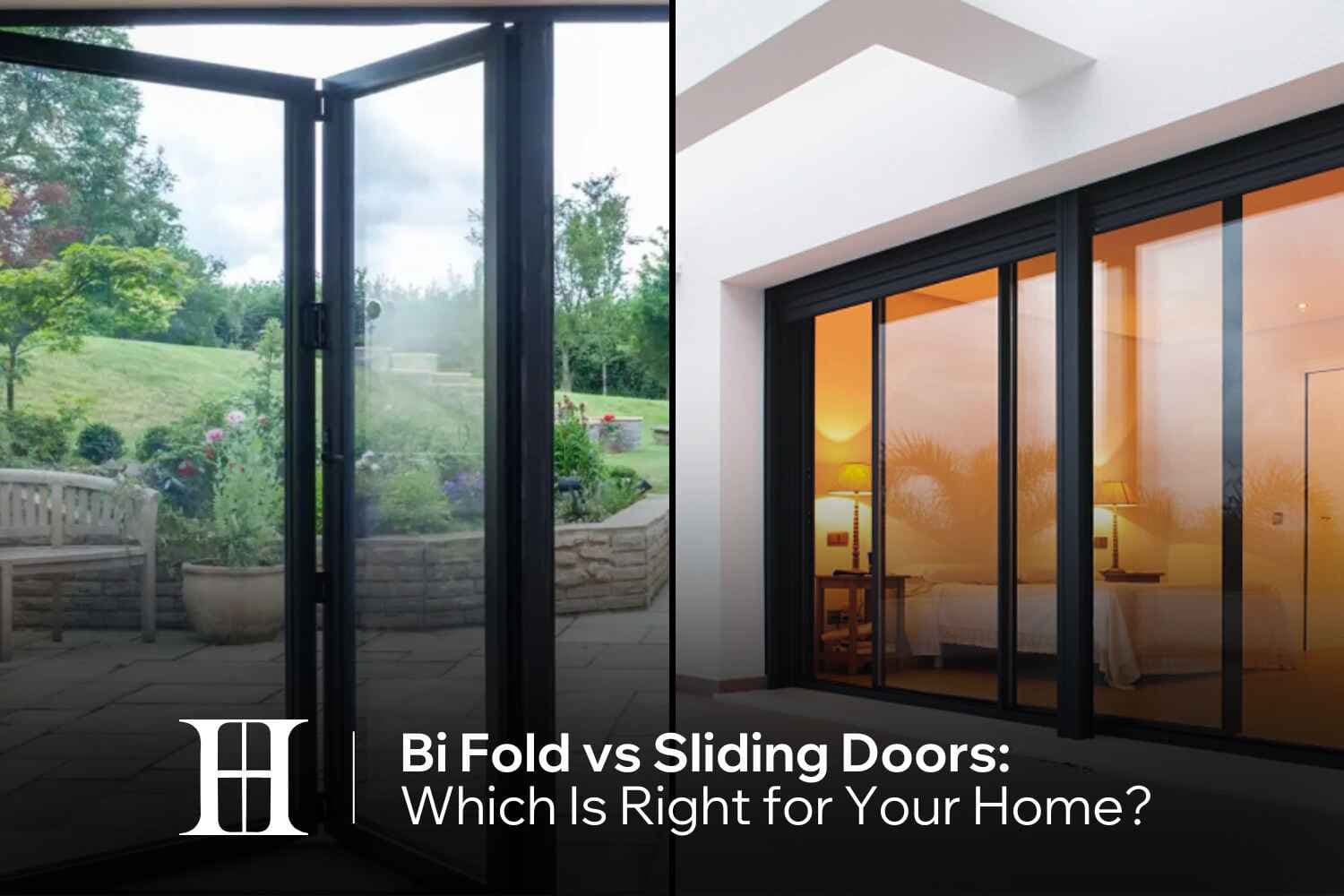
Bi Fold vs Sliding Doors: Which Is Right for Your Home?
When considering doors for your home, the choice often boils down tobi folding doorsorsliding doors. Bi folding doors are known for their functional benefits an...
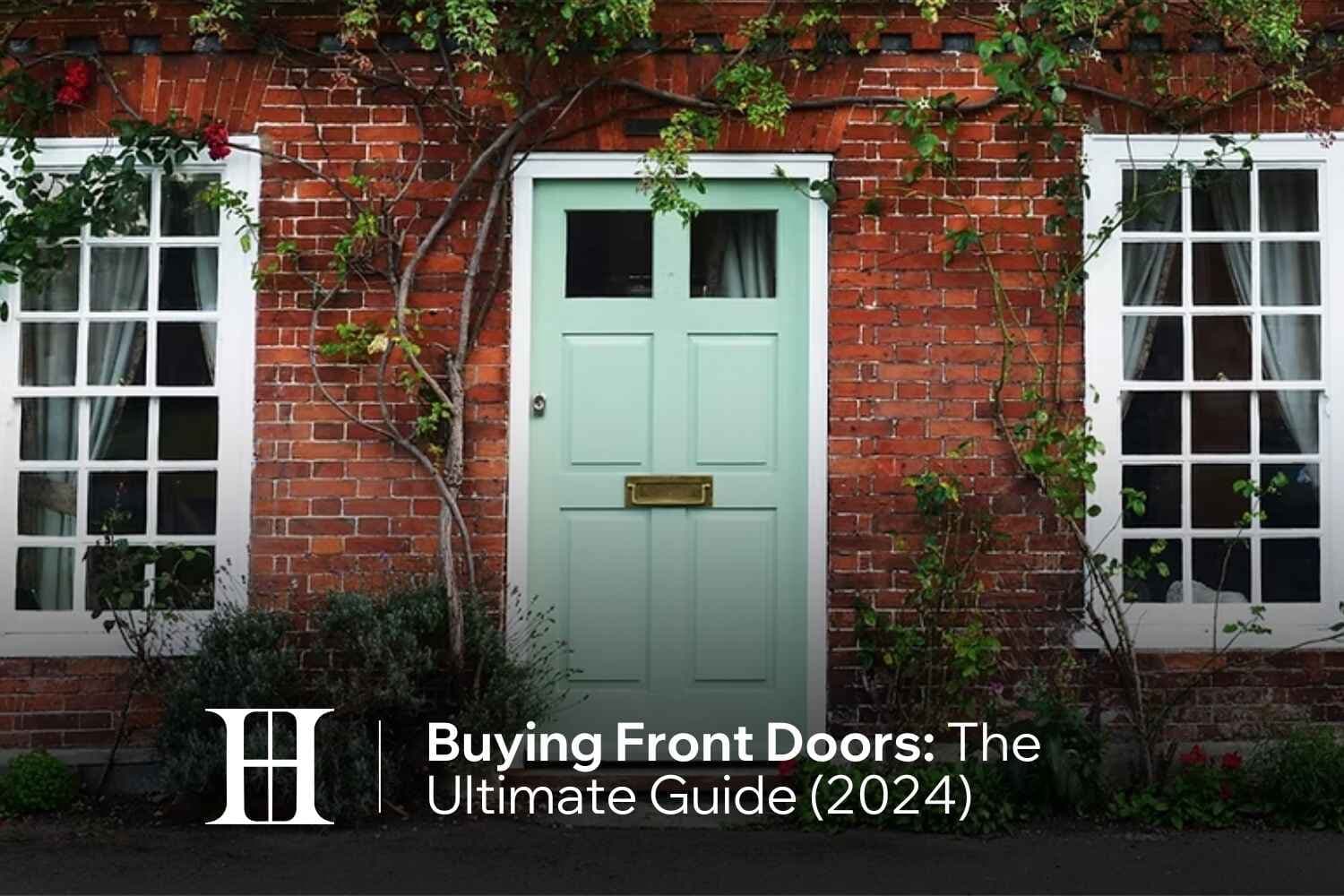
Buying Front Doors: The Ultimate Guide (2024)
Your front door is the gateway to your home, and it plays a crucial role in its overall aesthetics, security, and energy efficiency. With so many options availa...