.svg)


Which Is the Right Choice for Your Home: uPVC Windows or Timber Windows?
Table of Contents
Quick Answer
uPVC windows cost 250 to 800 per window, require virtually no maintenance, and last 20-30 years. Timber windows cost 750 to 2,800, need repainting every 5-8 years, but last 50+ years and offer superior aesthetics. Choose uPVC for affordability and convenience, timber for character, conservation area compliance, and long-term value. Both materials achieve comparable energy ratings when fitted with modern double glazing.
Key Takeaways
- Well-maintained hardwood timber windows can last 50 to 60 years or more.
- UPVC is a petroleum-based plastic that requires more energy to produce, though it can be recycled up to 10 times.
- Timber requires regular upkeep including repainting or re-staining every 3 to 5 years and periodic checks for rot or insect.
- Timber windows typically need repainting or re-staining every 3 to 5 years to maintain their protective finish and prevent moisture.
- UPVC windows have an average lifespan of 20 to 25 years before they may need replacing.
When it comes to adding a touch of elegance and functionality to your home, choosing the right windows plays a significant role. Among the myriad of options available today, uPVC and Timber windows stand out as popular choices for homeowners looking to enhance their living spaces. But which material should you opt for when it comes to uPVC windows versus timber windows? Let's delve into the details to help you make an informed decision for your home.
Understanding uPVC Windows
uPVC windows, short for unplasticized polyvinyl chloride windows, have gained popularity due to their durability and low maintenance qualities. These windows are known for their energy efficiency, noise reduction properties, and cost-effectiveness. The sleek and modern aesthetic of uPVC windows has made them a preferred choice for many homeowners looking to give their homes a contemporary look.
Exploring Timber Windows
On the other hand, timber windows exude a timeless charm and warmth that can elevate the overall ambiance of any home. Timber windows are renowned for their natural beauty, excellent insulation properties, and sustainability. The classic appeal of timber windows adds a touch of sophistication and tradition to both modern and traditional home designs.
Factors to Consider
1. Aesthetic Appeal
- uPVC Windows: Offer a sleek and modern appearance.
- Timber Windows: Provide a timeless and warm aesthetic.
2. Durability and Maintenance
- uPVC Windows: Low maintenance, durable, and long-lasting.
- Timber Windows: Require more maintenance but can last for decades with proper care.
3. Energy Efficiency
- uPVC Windows: Known for their excellent energy efficiency properties.
- Timber Windows: Natural insulators that can help in reducing energy costs.
4. Environmental Impact
- uPVC Windows: Can be recycled but not biodegradable.
- Timber Windows: Environmentally friendly and biodegradable.
5. Cost
- uPVC Windows: Generally more cost-effective than timber windows.
- Timber Windows: Higher initial cost but can add significant value to the property.
Making the Right Choice
To decide between uPVC and Timber windows, consider your specific needs and preferences. If you value low maintenance, energy efficiency, and a modern look, uPVC windows could be the ideal choice for your home. On the other hand, if you seek a classic appeal, sustainability, and are willing to invest in maintenance, timber windows might be the perfect fit for your living space.
Both uPVC and Timber windows have their unique advantages and charm, so the ultimate decision depends on what aligns best with your home style, budget, and long-term goals. Whether you opt for the sleekness of uPVC or the warmth of timber, upgrading your windows is a sure way to enhance the beauty and functionality of your home.
In conclusion, when choosing between uPVC and Timber windows, consider what matters most to you and your home. Each material has its strengths, and by understanding your priorities, you can make a well-informed decision that will not only elevate your living space but also add value in the long run.
So, are you team uPVC or team Timber? The choice is yours!
Remember, when it comes to enhancing your home, the windows you choose can make a world of difference.
Let the elegance and functionality of your home windows speak volumes about your unique style and preference.
Frequently Asked Questions
Yes, uPVC windows are generally more affordable than timber windows. A standard uPVC casement window costs between £400 and £600 installed, while an equivalent timber window typically ranges from £800 to £1,200. However, timber windows can add more value to a property, particularly period homes, and may offer a better return on investment when selling. Over a 30-year period, the total cost of ownership for uPVC can still be lower due to minimal maintenance requirements, whereas timber needs regular repainting and sealing.
Both uPVC and timber windows offer excellent energy efficiency when fitted with modern double or triple glazing. Timber is a natural insulator with slightly better thermal performance than uPVC in like-for-like comparisons. However, modern multi-chambered uPVC profiles have closed the gap considerably and can achieve A+ energy ratings. The overall energy performance depends more on the glazing type, installation quality, and seal integrity than the frame material alone. Both options comfortably meet current UK Building Regulations for thermal performance.
With proper maintenance, timber windows can last significantly longer than uPVC. Well-maintained hardwood timber windows can last 50 to 60 years or more, while softwood timber frames typically last 30 to 40 years. uPVC windows have an average lifespan of 20 to 25 years before they may need replacing. However, timber requires regular upkeep including repainting or re-staining every 3 to 5 years and periodic checks for rot or insect damage, which adds to the long-term cost and effort.
Timber windows are often the preferred or required choice for properties in conservation areas and for listed buildings in the UK. Local planning authorities typically require that replacement windows match the original materials and style to preserve the character of the area. uPVC windows are frequently rejected in conservation areas due to their modern appearance. If you live in a conservation area, consult your local council's planning department before ordering replacement windows to understand the specific requirements that apply to your property.
Timber windows typically need repainting or re-staining every 3 to 5 years to maintain their protective finish and prevent moisture damage. The frequency depends on the type of timber, the quality of the paint or stain used, and the window's exposure to weather. South-facing windows may need attention more frequently due to greater UV exposure. Using high-quality microporous paints can extend the interval between repainting. Regular inspection for early signs of flaking or cracking allows you to address issues before they lead to rot.
Modern uPVC windows have improved significantly in terms of design and can now closely replicate the appearance of traditional timber windows. Options such as woodgrain foil finishes, authentic-looking astragal bars, and mechanical joints help uPVC windows blend with period property aesthetics. However, for listed buildings or properties in conservation areas, uPVC may not be accepted by the local planning authority. For non-listed period homes outside conservation areas, uPVC can be a practical and cost-effective alternative to timber.
Timber windows are generally considered more environmentally friendly than uPVC. Timber is a natural, renewable resource with a lower carbon footprint during manufacture, and it is biodegradable at the end of its life. FSC or PEFC certified timber ensures responsible forestry practices. uPVC is a petroleum-based plastic that requires more energy to produce, though it can be recycled up to 10 times. Both materials contribute to energy savings through improved insulation, but timber has the edge in overall environmental impact across its full lifecycle.
Related Posts
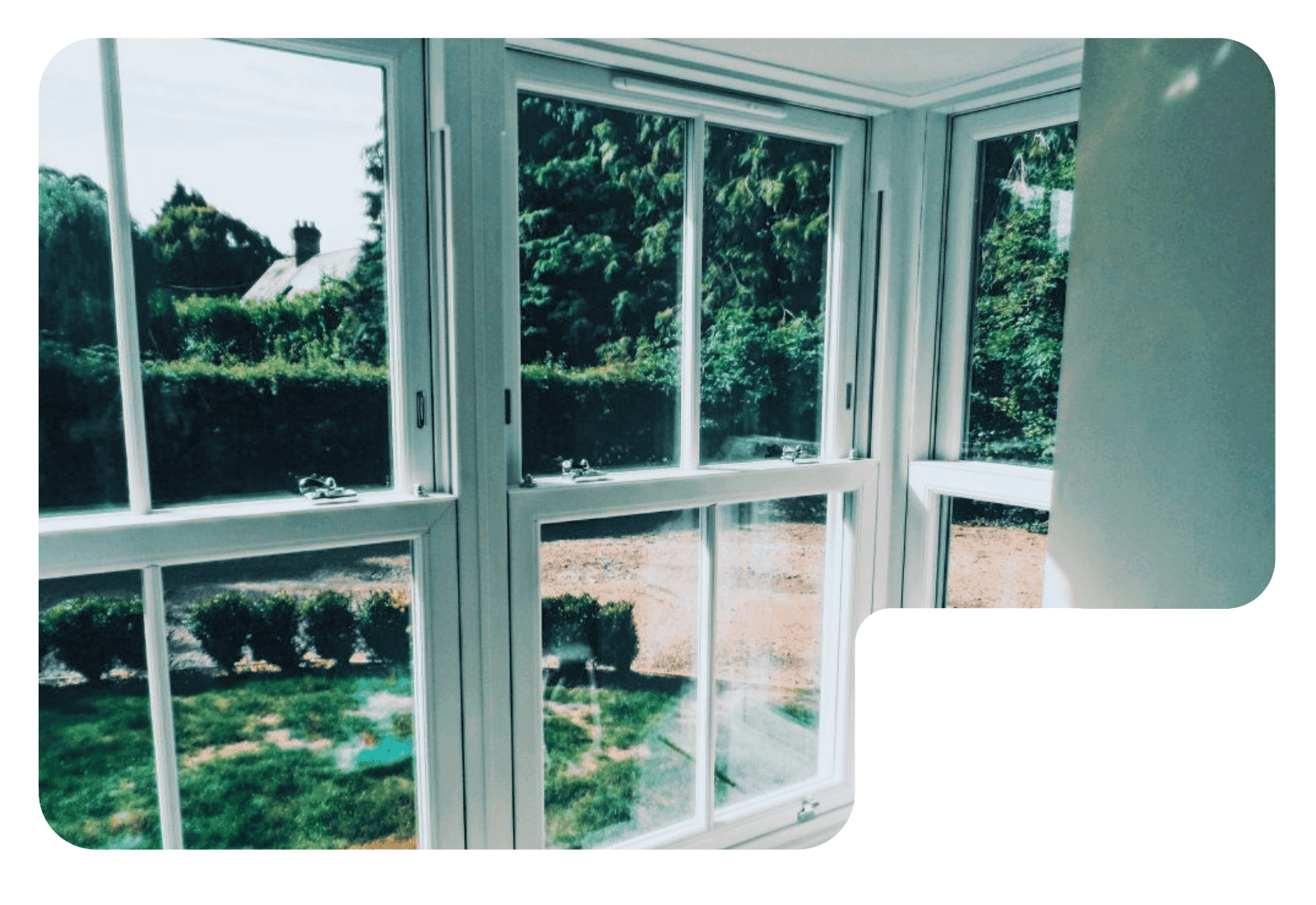
uPVC Sash Windows vs Timber: Prices, Pros & Cons Compared (2026)
Sash windows offer timeless elegance and are a defining feature of many British homes, particularly period properties. Traditionally made from timber, modern ad...
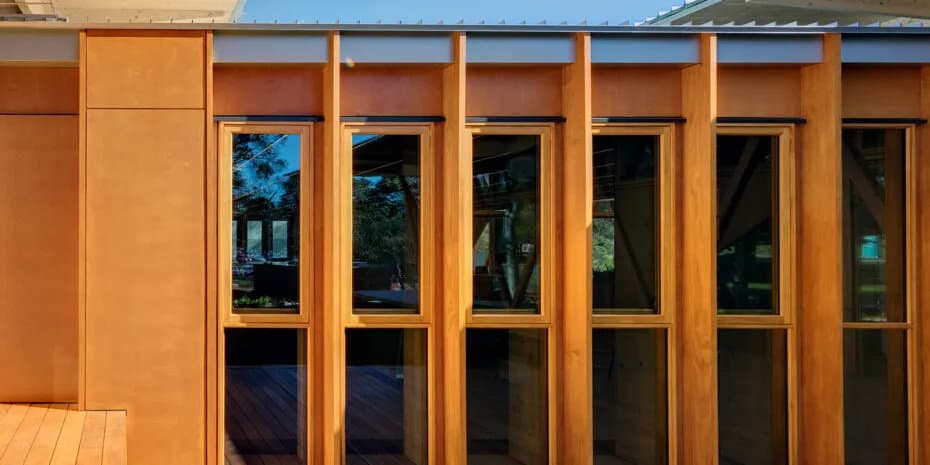
Accoya Timber Windows: The Ultimate Choice for Durability and Sustainability
Made from sustainably sourced wood, Accoya windows undergo a revolutionary modification process to enhance their durability, making them more resistant to rot, ...
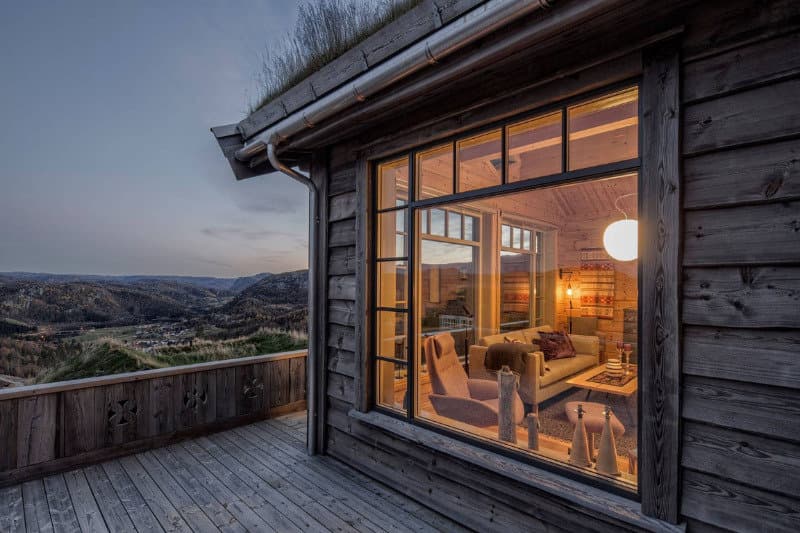
Alu Clad Timber Windows: The Perfect Blend of Durability and Aesthetic
These windows feature timber on the inside, providing warmth and traditional charm, while the aluminium cladding on the outside protects against harsh weather c...