.svg)
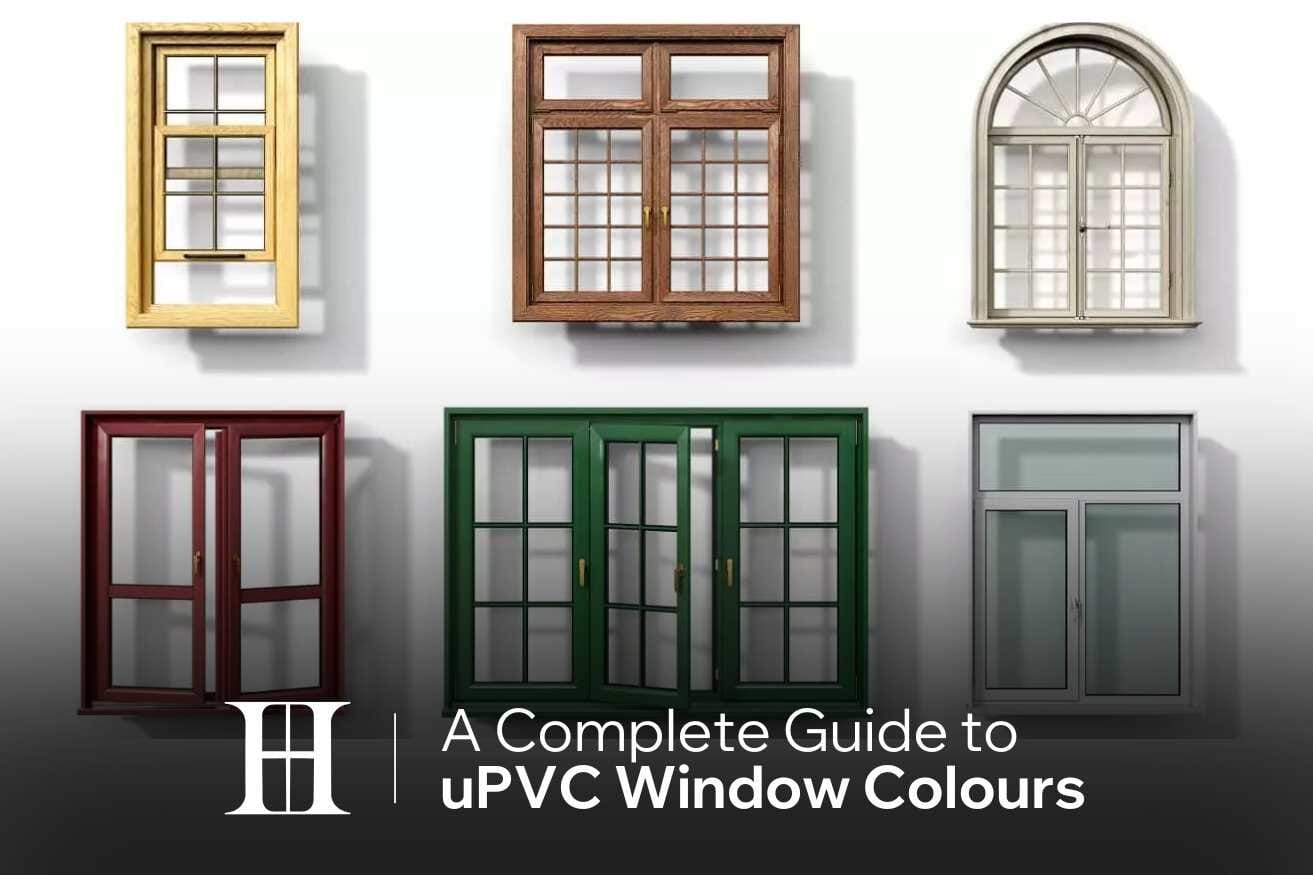
uPVC Window Colours: All 30+ Options, Prices & Most Popular in 2026
Table of Contents
Quick Answer
uPVC windows are available in over 30 standard colours plus RAL colour matching. The most popular colours in the UK are Anthracite Grey (RAL 7016), Chartwell Green, Irish Oak woodgrain, and classic White. Coloured uPVC windows typically cost 10-20% more than white, with dual-colour options (different inside/outside colours) also available.
Key Takeaways
- Professional spraying with proper primers and topcoats lasts 10-15 years.
- Modern coloured uPVC windows use UV-stabilised foils that resist fading for 15-25 years under normal UK weather conditions.
- Coloured uPVC windows typically cost 10-20% more than white.
- A standard white uPVC casement window costing £400 would cost approximately £440-£480 in a single colour.
- Existing uPVC windows can be recoloured using specialist spray painting (£80-£150 per window) or vinyl wrapping (£60-£100 per window).
When upgrading or installing new uPVC windows, the right colour can significantly impact your home's aesthetic and value.
Gone are the days when white uPVC was the only option. Today, uPVC window colours and coloured windows offer an extensive range of styles to suit every homeowner's preferences.
The variety of window frame colours includes popular choices like Anthracite Grey and Chartwell Green, allowing for customization that matches both external and internal aesthetics. From grey uPVC windows to natural woodgrain finishes, the choices allow for customisation that enhances both the interior and exterior of your property.
This guide explores popular colour options, trends, benefits, and how choosing the right colour can add character and value to your home.
What uPVC Window Colour Options Are Available?
What Are Coloured uPVC Windows?
Coloured uPVC windows are a fantastic way to combine the practical benefits of traditional uPVC windows with the aesthetic appeal of a coloured finish. These windows are crafted from a durable, low-maintenance material that resists warping, cracking, and fading, making them a long-lasting choice for any home. Available in a wide array of colours and finishes, including realistic woodgrain effects, coloured uPVC windows can complement various architectural styles and personal tastes.
The creation of coloured uPVC windows involves a process known as foiling, where a coloured laminate is meticulously applied to the uPVC frame. This technique allows for an extensive palette of colours and finishes, ranging from classic white and cream to bold, contemporary shades like anthracite grey and black.
The coloured laminate is designed to be highly durable and resistant to fading, ensuring that your windows maintain their vibrant appearance over time. Whether you're looking to match your home's exterior or make a bold statement, coloured uPVC windows offer a versatile and stylish solution.
Why Choose Coloured uPVC Windows?
Coloured uPVC windows combine low maintenance, durability, and style, making them an ideal choice for modern and traditional homes alike. The variety of uPVC window frames offers endless opportunities to create a perfect match with your home's exterior or interior décor.
Key Benefits of Coloured uPVC Windows:
- Wide range of colours for personalisation.
- Extremely durable coatings that resist fading.
- Enhanced property value with stylish window designs.
- Easy to clean and maintain.
Popular uPVC Window Colours and Styles
With advancements in the manufacturing process, uPVC windows are now available in various shades and finishes, from natural woodgrain to contemporary colours. Below are some of the most popular options.
Aluminium windows, on the other hand, offer a stylish and durable choice with a long lifespan and low maintenance requirements, enhancing both modern and traditional property aesthetics.
1. White uPVC Windows
The classic and most popular colour for uPVC windows, offering a timeless, clean look suitable for any property style.
2. Anthracite Grey Windows
A favourite among homeowners seeking a contemporary colour, anthracite grey pairs perfectly with modern homes, offering a sleek and elegant appearance.
3. Golden Oak and Irish Oak
These natural woodgrain finishes replicate the look of traditional wooden window frames, perfect for period properties or adding warmth to modern homes.
4. Chartwell Green
This subtle, soft green shade is ideal for homes in rural or conservation areas, blending seamlessly with natural surroundings.
5. Cream uPVC Windows
A versatile option for traditional and modern homes, cream uPVC windows offer a softer alternative to white, adding warmth and sophistication.
6. Black uPVC Windows
Black uPVC windows provide a bold, dramatic aesthetic and work well with dual colour windows where the interior frame is kept white.
Trending uPVC Window Colours for 2026
The uPVC window colour market continues to evolve, with homeowners increasingly moving away from standard white towards more expressive and characterful colour choices. Here are the key trends shaping window colour selections in 2026.
Heritage Colours Gaining Popularity
Heritage colours are seeing a significant surge in demand, particularly among homeowners in conservation areas and those with period properties. Heritage Green offers a distinguished, classic appearance that works beautifully on Victorian and Edwardian homes. Storm Grey has emerged as a sophisticated alternative to Anthracite Grey, providing a softer, more muted tone that suits both traditional and transitional properties. Cream White continues to grow in popularity as homeowners seek a warmer, more authentic alternative to brilliant white that better complements older brickwork and stonework.
Dual-Colour Options
Dual-colour uPVC windows allow you to have a different colour on the exterior and interior of your window frames. This has become one of the most requested options, with grey outside and white inside being the most popular combination by a significant margin. This approach lets homeowners achieve a contemporary kerb appeal while maintaining a bright, clean interior finish that complements most interior décor schemes. Other popular dual-colour pairings include black exterior with white interior and Irish Oak exterior with white interior.
Woodgrain Finishes
Woodgrain foil finishes continue to be a strong choice for homeowners who want the appearance of timber without the maintenance demands. Irish Oak remains the most popular woodgrain finish, prized for its rich, warm tone that closely resembles natural hardwood. Rosewood, once the dominant woodgrain choice, has seen a gradual decline but still holds a loyal following, particularly for replacement windows on 1990s and 2000s-era homes. Golden Oak offers a lighter, honey-toned alternative that pairs well with yellow and buff-coloured brickwork.
RAL Colour Matching
For homeowners who need an exact shade that is not available in standard foil ranges, RAL colour matching provides the solution. This process allows uPVC windows to be finished in any colour from the RAL colour chart, which includes over 200 standard shades. RAL colour matching is particularly useful for commercial properties, listed buildings where a specific colour has been stipulated by the local planning authority, or for homeowners who simply want a unique colour that sets their property apart. While RAL-matched windows carry a premium of around 20-30% over standard foil colours, the ability to achieve a precise colour match makes this a worthwhile investment for many projects.
Factors Affecting the Price of uPVC Windows
Colour and Price
The colour of your uPVC windows can significantly influence their price. While classic white uPVC windows are typically the most budget-friendly option, opting for coloured uPVC windows can come with a higher price tag. The cost variation is due to the additional manufacturing processes required to achieve certain colours and finishes. For instance, popular shades like anthracite grey and black may be more expensive due to the intricate foiling process involved.
However, the investment in coloured uPVC windows can be well worth it. Not only do they enhance your home's kerb appeal, but they can also increase its overall value. The aesthetic versatility and modern look of coloured uPVC windows make them a popular choice for homeowners looking to add a touch of sophistication to their property.
Window Size, Style, and Shape
The size, style, and shape of your uPVC windows are other crucial factors that can affect their price. Larger windows, such as bay windows or sliding sash windows, generally cost more due to the increased amount of materials and labour required. Similarly, windows with unique shapes or intricate designs, like arched or circular windows, can be more expensive to manufacture and install.
The style of the window also plays a role in the overall cost. For example, uPVC windows with a woodgrain effect or a dual colour option tend to be pricier than standard uPVC windows. These additional features require more complex manufacturing processes, but they offer a higher level of customisation and aesthetic appeal.
Glazing Type
The type of glazing you choose for your uPVC windows can also impact the price. Double glazing, which consists of two panes of glass separated by a gap, is generally more expensive than single glazing. However, it offers significant benefits in terms of energy efficiency and sound insulation, making it a worthwhile investment for many homeowners.
Triple glazing, featuring three panes of glass, is even more costly but provides the highest level of energy efficiency and sound insulation. This option is ideal for those looking to minimize their energy bills and enhance their home's comfort. Additionally, Low-E glass, designed to reduce heat loss and improve energy efficiency, can be more expensive than standard glass. Despite the higher initial cost, Low-E glass offers substantial long-term savings by reducing energy consumption and lowering utility bills.
By considering these factors, you can make an informed decision about the best uPVC windows for your home, balancing cost with the desired benefits and aesthetic appeal.
Coloured uPVC vs. White uPVC:Which Is Right for You?
While white frames remain a popular choice, coloured uPVC windows are becoming increasingly sought-after due to their ability to add character and complement modern window styles.
However, it's important to consider that coloured options typically cost more due to the heat bonding process required for the durable finish.
Trends in Window Colours for uPVC Windows
The latest trends in window frame colours include:
- Dual colour options: Different shades for the interior and exterior frames.
- Agate Grey: A lighter shade of grey, blending traditional and modern aesthetics.
- Natural woodgrain finishes: Perfect for blending with timber windows.
- Bold colours like black or Chartwell Green for statement designs.
For more ideas on contemporary window styles, visit ourcasement windowspage.
Matching Colours to Your Home's Style
Choosing the perfect colour for your window frames involves considering:
uPVC windows offer a balance between aesthetics and functionality. For example, grey uPVC windows enhance modern properties, while golden oak complements traditional homes.
FAQs About Coloured uPVC Windows
What colour do uPVC windows come in?
uPVC windows are available in a wide range of colours, including white, grey, Chartwell Green, golden oak, black, and more. Many offer dual colour options with different shades for interior and exterior frames.
Are coloured uPVC windows more expensive?
Yes, coloured uPVC windows are generally more expensive than standard white options due to the heat bonding process and specialised coatings required for durability.
What is the most popular colour for uPVC windows?
Anthracite grey and Chartwell Green are among the most popular colours, especially for modern and period properties. Golden oak is a favourite for homes seeking a natural woodgrain finish.
How long do coloured uPVC windows last?
Coloured uPVC windows are extremely durable, lasting 20–30 years or more, depending on maintenance and exposure to elements.
Can you get uPVC windows in dual colours?
Yes, dual colour windows are available, offering one shade for the exterior and another for the interior, allowing more customisation.
What is the most popular uPVC window colour in 2026?
Anthracite Grey (RAL 7016) has been the most popular uPVC window colour since 2022, chosen for approximately 35% of coloured window orders. It works well with both modern and traditional properties. Other trending colours include Agate Grey (RAL 7038) and Slate Grey for contemporary homes.
Can you change the colour of uPVC windows?
Yes, existing uPVC windows can be recoloured using specialist spray painting (£80–£150 per window) or vinyl wrapping (£60–£100 per window). Professional spraying with proper primers lasts 10–15 years. However, for the best finish and longevity, factory-applied foils on new windows are recommended.
Do coloured uPVC windows fade?
Modern coloured uPVC windows use through-coloured foils that are highly resistant to fading for 15–25 years. Some lighter colours like Cream may show slight fading over time, while darker colours like Anthracite Grey maintain their colour well. All quality foils are UV-stabilised to BS EN 12608 standards.
Frequently Asked Questions
Modern uPVC windows are available in over 30 standard colours plus RAL colour matching for bespoke shades. Popular options include Anthracite Grey (RAL 7016), Chartwell Green, Irish Oak woodgrain, Rosewood, Cream, and Black. Dual-colour options allow different colours inside and outside, such as grey exterior with white interior.
Anthracite Grey (RAL 7016) has been the most popular coloured uPVC window choice since 2022, selected for approximately 35% of all coloured window orders in the UK. White remains the most common overall choice, but grey tones including Agate Grey and Slate Grey are rapidly growing in popularity for both modern and traditional properties.
Yes, coloured uPVC windows typically cost 10-20% more than white. A standard white uPVC casement window costing £400 would cost approximately £440-£480 in a single colour. Dual-colour options (different inside and outside) add a further 5-10% premium. Woodgrain foils like Irish Oak or Rosewood are usually the same price as solid colours.
Yes, existing uPVC windows can be recoloured using specialist spray painting (£80-£150 per window) or vinyl wrapping (£60-£100 per window). Professional spraying with proper primers and topcoats lasts 10-15 years. However, for the best finish and longevity, factory-applied foils on new windows are recommended as they won't peel or chip.
Modern coloured uPVC windows use UV-stabilised foils that resist fading for 15-25 years under normal UK weather conditions. Darker colours like Anthracite Grey and Black maintain their appearance particularly well. Lighter colours may show slight fading over extended periods. All quality foils meet BS EN 12608 weathering standards.
Victorian properties typically suit heritage colours such as Chartwell Green, Painswick (a soft sage green), Cream, or traditional White. For a more contemporary update, Anthracite Grey creates a striking contrast. Woodgrain finishes in Rosewood or Irish Oak can complement the warm tones of Victorian brickwork. In conservation areas, colour choice may be restricted.
Yes, dual-colour (or dual-foil) uPVC windows are widely available. The most popular combination is grey or coloured on the outside with white on the inside, maintaining a bright interior while achieving the desired exterior look. This option adds approximately 5-10% to the window cost compared to a single-colour finish.
Most UK window manufacturers offer 20-30 standard RAL colours including RAL 7016 (Anthracite Grey), RAL 7038 (Agate Grey), RAL 9005 (Jet Black), RAL 6005 (Moss Green), and RAL 5011 (Steel Blue). Bespoke RAL colour matching is available from many manufacturers for an additional premium, typically requiring minimum order quantities.
Related Posts
Georgian uPVC Windows: Prices, Colours & Conservation Area Guide
Georgian uPVC windows are a modern adaptation of the traditional Georgian window design, combining the architectural significance and aesthetic appeal of window...
Georgian Style Windows: Patterns, Prices & Materials Guide (2026)
Georgian windowsare a timeless architectural feature that has been used in homes since the Georgian era. Known for their elegant design, these traditional Georg...
uPVC Sash Windows vs Timber: Prices, Pros & Cons Compared (2026)
Sash windows offer timeless elegance and are a defining feature of many British homes, particularly period properties. Traditionally made from timber, modern ad...