.svg)








Windows and Condensation: Causes, Solutions, and Prevention Tips
Table of Contents
Quick Answer
Window condensation occurs when warm, moist air meets a cold surface. Interior condensation is caused by excess humidity and poor ventilation. Exterior condensation on double glazing actually indicates effective insulation. Condensation between panes signals a failed seal requiring unit replacement. Reduce interior condensation by using extractor fans, opening trickle vents, maintaining heating at a consistent temperature, and ensuring adequate ventilation throughout your home.
Key Takeaways
- If the frames are also damaged, draughty, or over 20 years old, a complete window replacement may be more cost-effective.
- Modern energy-efficient windows can sometimes increase internal condensation because they create a more airtight seal, reducing natural ventilation.
- Everyday activities such as cooking, showering, drying clothes indoors, and even breathing increase indoor humidity levels.
- To reduce condensation on double-glazed windows, improve ventilation by using extractor fans in kitchens and bathrooms.
- Maintain a consistent indoor temperature rather than allowing sharp drops overnight.
If you’ve noticed water droplets forming on your windows,you’re not alone.
Windows and condensationare common problems for many homeowners, especially in the colder months. While a little moisture on the glass may not seem like a big deal, prolongedcondensation inside windowscan lead to mould, mildew, and even structural damage over time. But what causes this issue, and how can you tackle it?
In this article, we’ll explore the causes ofmoisture on windows, how to prevent it, and what solutions are available to reducewindow condensation insideyour home.
What Causes Condensation on Windows?
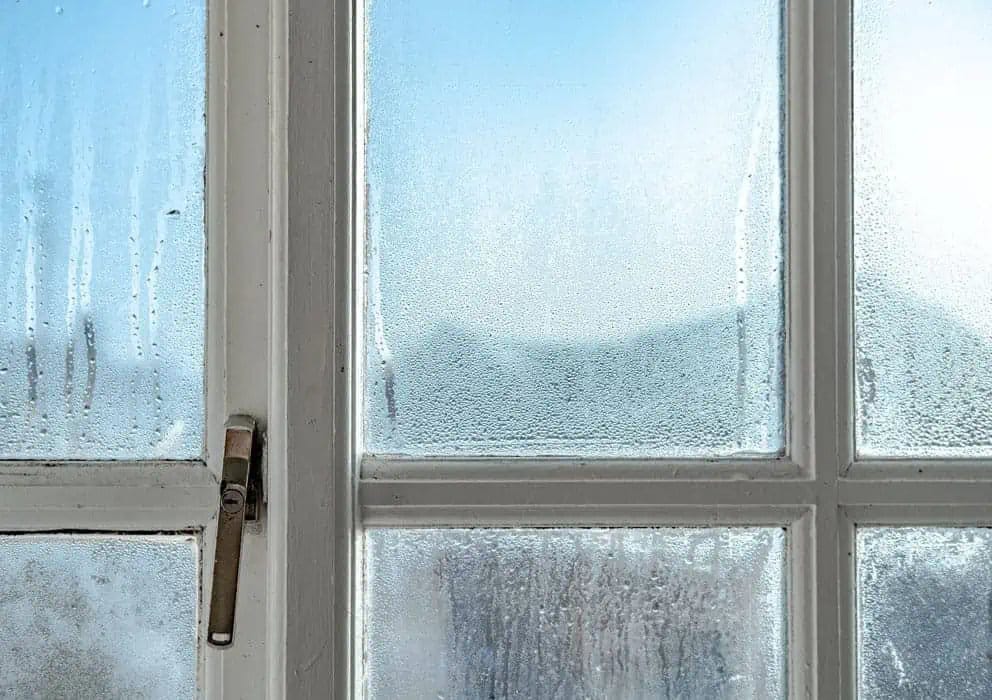
Condensationoccurs when warm, humid air comes into contact with a cold surface, such as a window. As the air cools down, it loses its ability to hold moisture, causing water droplets to form on the glass. There are several factors that can contribute tomoisture on the inside of windows, including:
1. High Indoor Humidity Levels
One of the most common reasons forcondensation inside windowsis high humidity inside the home. Everyday activities like cooking, showering, and even breathing release moisture into the air. When this warm, moist air meets the cooler surface of a window, condensation occurs.
2. Poor Ventilation
Insufficient airflow in your home can trap moisture, leading to increased humidity and, ultimately,condensation on windows. Rooms such as bathrooms and kitchens are particularly prone to condensation if they lack proper ventilation.
3. Cold Weather
In winter, the temperature difference between the inside and outside of your home is more extreme. This makes the windows colder and increases the likelihood of condensation forming, especially in the mornings.
4. Single Glazed Windows
Single glazed windows lack the insulating properties of double or triple glazing, making them more susceptible to condensation. Upgrading to double glazing can help reduce the amount ofmoisture on inside of windows.
5. New Windows and Airtight Homes
Ironically, new, energy-efficient windows can sometimes cause morewindows condensationissues. Modern windows are designed to be airtight, which is great for energy efficiency but can also reduce natural ventilation, trapping moisture inside the home.
Why is Condensation on Windows a Problem?
While a bit of moisture on your windows might seem harmless, persistent condensation can cause a range of issues, including:
1. Mould and Mildew Growth
Excess moisture provides the ideal environment for mould and mildew to grow. Not only is this unsightly, but it can also pose health risks, particularly for those with respiratory issues.
2. Damage to Window Frames
Prolonged exposure to moisture can causetimber window framesto rot and paint to peel. Even uPVC and aluminium frames can suffer damage over time if the condensation issue isn’t addressed.
3. Reduced Energy Efficiency
Condensation is often a sign of poor insulation. If your windows are regularly fogging up, it’s a good indication that your home is losing heat, which can result in higher energy bills.
4. Uncomfortable Indoor Environment
Excess moisture in the air can make your home feel damp and uncomfortable. It can also cause unpleasant odours and damage to walls, floors, and furnishings.
How to Prevent Condensation on Windows
If you’re struggling withwindows condensation inside, don’t worry — there are several effective ways to tackle the problem. Here are some practical tips to reducemoisture on inside of windows:
1. Improve Ventilation
One of the easiest ways to preventmoisture on windowsis to increase ventilation. Make sure extractor fans are installed in high-humidity areas like bathrooms and kitchens, and use them regularly. Opening windows, even for a few minutes a day, can also help circulate fresh air and reduce humidity.
2. Use a Dehumidifier
If your home tends to be humid, consider investing in a dehumidifier. Dehumidifiers remove excess moisture from the air, helping to prevent condensation from forming on your windows.
3. Adjust Your Heating
Keeping your home at a consistent temperature can help minimisewindows condensation. Avoid sudden drops in temperature, which can increase the likelihood of condensation forming. Try to keep your home evenly heated throughout the day.
4. Upgrade to Double Glazing
If you’re still using single glazed windows, upgrading to double or triple glazing can make a significant difference.Double glazingprovides an insulating layer that keeps the inner pane warmer, reducing the chance of condensation forming.
5. Use Moisture Absorbers
Place moisture absorbers, such as silica gel packs or dehumidifying crystals, on your windowsills. These can help absorb excess moisture and keep your windows dry.
6. Keep Window Surfaces Warm
Closing curtains or blinds at night can help keep the inside surface of your windows warmer, reducing the temperature difference and lowering the risk of condensation.
Solutions for Persistent Window Condensation
If you’ve tried the above tips and still noticemoisture on inside of windows, it might be time to consider more advanced solutions:
1. Install Trickle Vents
Trickle vents allow a small amount of air to flow into your home even when the windows are closed. This helps maintain a balanced humidity level without sacrificing energy efficiency.
2. Use Thermal Curtains
Thermal curtains are designed to keep the warmth in and the cold out. Using them during colder months can help keep the inside pane of your windows warmer, reducing the likelihood of condensation.
3. Consider Window Film
Applying window film can provide an extra layer of insulation, helping to keep your windows at a stable temperature. This can be especially helpful if upgrading to double glazing isn’t currently an option.
4. Professional Inspection and Sealing
If you’ve tried everything and still experiencecondensation on windows, it might be time to call in a professional. They can inspect your windows for any hidden leaks or gaps that may be allowing moisture to enter and recommend additional solutions.
When to Replace Your Windows
In some cases, persistentwindows condensationcan indicate that your windows are no longer performing as they should. If you have older single glazed windows or notice other issues such as draughts or rot, it might be time for a replacement.
Signs You Need New Windows:
- Frequent Condensation: Indicates poor insulation or failing seals.
- Difficulty Opening and Closing: Suggests warped or damaged frames.
- Visible Damage or Rot: Particularly in timber frames, this can lead to more serious structural issues.
- High Energy Bills: Inefficient windows often lead to increased heating costs.
Replacing your windows with modern, energy-efficient models can solve condensation problems while improving your home’s comfort and appearance.
Get Help with Window Condensation Today
Struggling withwindows condensationand need professional advice? Our team of experts can assess your home and recommend the best solutions to reducemoisture on windows. Whether you need new double glazing or advice on ventilation, we’re here to help.
Contact us today to schedule a consultation and keep your home warm, dry, and condensation-free.
Frequently Asked Questions
Condensation forms on the inside of windows when warm, moist air in your home meets the cold glass surface. The air cools below its dew point and releases moisture as water droplets. This is most common in winter when the temperature difference between indoors and outdoors is greatest. Everyday activities such as cooking, showering, drying clothes indoors, and even breathing increase indoor humidity levels. Rooms with poor ventilation, such as bathrooms and kitchens, are particularly prone to internal condensation.
Not necessarily. Condensation on the inside of windows is usually caused by excess humidity in the home rather than faulty windows. In fact, modern energy-efficient windows can sometimes increase internal condensation because they create a more airtight seal, reducing natural ventilation. However, condensation between the two panes of a double-glazed unit indicates a failed seal, which means the window needs repair or replacement. Persistent external condensation on new windows is actually a sign they are performing well thermally.
To reduce condensation on double-glazed windows, improve ventilation by using extractor fans in kitchens and bathrooms, opening windows briefly each day, and ensuring trickle vents are open. Use a dehumidifier to lower indoor humidity levels, particularly during winter. Avoid drying clothes on radiators near windows. Maintain a consistent indoor temperature rather than allowing sharp drops overnight. Keep curtains slightly away from the glass to allow air circulation. If condensation appears between the glass panes, the sealed unit has failed and will need professional replacement.
The ideal indoor relative humidity level to prevent condensation on windows is between 40% and 50%. Above 60%, condensation becomes increasingly likely, especially during cold weather. You can monitor humidity levels using an inexpensive hygrometer. In the UK, indoor humidity often rises during autumn and winter due to less ventilation and more indoor activities. Using extractor fans, opening windows for short periods, and running a dehumidifier can help keep humidity within the recommended range and reduce window condensation.
Yes, persistent condensation on windows is one of the leading causes of mould growth in UK homes. When moisture repeatedly collects on window frames and surrounding walls, it creates the damp conditions that mould needs to thrive. Black mould (Aspergillus niger or Stachybotrys) commonly appears around window frames, on silicone seals, and on nearby walls. Mould poses health risks including respiratory problems, allergic reactions, and asthma aggravation. Addressing condensation promptly through improved ventilation and humidity control is essential to prevent mould.
Yes, trickle vents are an effective solution for reducing condensation. These small, adjustable ventilation slots fitted into the window frame allow a controlled flow of fresh air into the home even when windows are closed. This continuous background ventilation helps remove excess moisture and maintain healthy indoor air quality. Since June 2022, UK Building Regulations require trickle vents on all new and replacement windows. They can also be retrofitted to existing windows. Trickle vents have minimal impact on energy efficiency while significantly reducing condensation risk.
External condensation on new windows is actually a positive sign indicating that your windows are performing well. It occurs because the outer pane of energy-efficient double or triple glazing stays cold, as very little heat escapes through the glass. When the outside temperature rises after a cold night, moisture in the air condenses on the cold outer surface. This phenomenon is most common in spring and autumn mornings and usually clears as the sun warms the glass. No action is needed as this is a natural occurrence.
If you notice a misty or foggy appearance between the glass panes of your double-glazed windows, this indicates the sealed unit has failed and the inert gas fill has been compromised. In many cases, you do not need to replace the entire window frame. A glazier can replace just the sealed glass unit, which typically costs between £50 and £150 per window, significantly less than a full window replacement. However, if the frames are also damaged, draughty, or over 20 years old, a complete window replacement may be more cost-effective.
Related Posts

How to Measure Windows for Replacement: UK Step-by-Step Guide (with Diagrams)
Measuring your windows accurately is the first and most crucial step when planning a replacement project.

How to Clean Sash Windows: Best Tips for Sparkling Results
Wondering how to clean sash windows effectively? This article will provide you with easy steps and top tips to make your sash windows shine. From removing dust ...
Sash Window Maintenance: How to Clean, Lubricate & Fix Stiff Windows
However, as they age, it’s common for sash windows to become difficult to open and close smoothly. If you’re experiencing sticky or jammed sash windows, don’t w...