.svg)


Wood Windows: Timeless Elegance and Lasting Performance
Table of Contents
Quick Answer
Wood windows deliver timeless elegance with natural grain patterns and character that synthetic materials cannot replicate. Available in softwood from 700 and hardwood from 1,200 per window, they achieve excellent U-values from 1.2 W/m2K and last 50+ years with proper maintenance. Timber is the only window material universally accepted in conservation areas and for listed buildings across the UK.
Key Takeaways
- Softwood windows such as pine typically last 25 to 35 years, while hardwood windows made from oak, sapele.
- Engineered timber windows often last 30 to 40 years.
- They should be repainted or re-stained every 3 to 5 years to protect against moisture, UV damage, and rot.
- Regular maintenance including repainting every 3 to 5 years, checking seals.
- While the upfront cost is higher than uPVC, timber windows add significant character and value to a property.
When it comes to choosing the perfect windows for your home, few options rival the natural beauty and enduring quality ofwood windows.
Known for their charm, versatility, and exceptional insulation properties,timber window framesare a favourite among homeowners looking to elevate the style and comfort of their property. Whether you’re restoring a period home or adding character to a modern build,window frames woodcan provide a touch of class and sophistication that other materials simply can’t match.
But what makeswooden window framesstand out, and are they the right choice for your home? This guide will explore everything you need to know aboutwood windows, including their benefits, types, maintenance, and why investing in them is a decision you won’t regret.
Why Choose Wood Windows?
1. Unmatched Aesthetics and Style
One of the primary reasons homeowners choosewood windowsis for their classic and timeless appeal. The natural grain and texture ofwindow frame woodenstyles add warmth and character to any property, making them ideal for both traditional and contemporary homes. Additionally, wooden frames can be customised with various paints, stains, and finishes to complement your interior and exterior décor.
2. Excellent Insulation and Energy Efficiency
Unlike some other materials,timber window framesoffer superior thermal insulation, helping to keep your home warm in the winter and cool in the summer. Wood is a natural insulator, reducing heat loss and energy consumption, which can lower your utility bills. For even better performance, consider double or triple glazing options combined withwindow frames woodto enhance energy efficiency.
3. Sustainability and Environmental Benefits
Concerned about your environmental impact?Wood windowsare a more sustainable option compared to uPVC or aluminium. Timber is a renewable resource, and when sourced responsibly, it has a much lower carbon footprint. Plus, at the end of their life cycle,window frame woodenstyles can be recycled or repurposed, making them an eco-friendly choice.
4. Long-Lasting Durability
With proper maintenance,wood windowscan last for decades, if not longer. Modern treatments and finishes maketimber window framesresistant to rot, warping, and insect damage, ensuring that your windows retain their beauty and structural integrity over time.
5. Versatility in Design
Wood is a highly adaptable material, allowing for custom shapes and designs that are difficult to achieve with other frame types. Whether you need traditionalsash windows, casement styles, or bespokewindow frames, wood provides the flexibility to create a design that perfectly fits your home’s aesthetic.
What Are the Different Types of Wooden Window Frames?
When choosingwindow frames wood, it’s essential to select the right type of timber for your needs. Each variety offers different benefits in terms of appearance, durability, and maintenance. Here are the most popular types:
1. Softwood Frames
Softwood options, such as pine or fir, are typically more affordable and offer a smooth finish that can be easily painted or stained. Softwoods are ideal for homeowners looking for a cost-effective way to enjoy the benefits oftimber window frames.
2. Hardwood Frames
Hardwoods like oak, mahogany, and teak are known for their durability, making them more resistant to wear and weathering. Although they are generally more expensive, hardwoodwindow frames woodenoptions are perfect for homeowners looking for premium quality and longevity.
3. Engineered Wood Frames
Engineered wood is a modern alternative to traditional solid timber. Made by bonding layers of wood together, it’s incredibly strong and resistant to warping. Engineeredwindow frames woodoffer a balance between cost and durability, making them a popular choice for bespoke windows.
How Do You Maintain Your Wood Windows?
Proper maintenance is key to ensuring that yourwood windowsstay in great condition for years to come. Here’s a simple guide to keeping yourtimber window frameslooking and performing their best:
1. Regular Cleaning
Clean your windows and frames every few months using a gentle wood cleaner and a soft cloth. Avoid using abrasive cleaners that could damage the finish of yourwindow frames wood.
2. Inspect and Repair
Regularly inspect your windows for signs of rot, peeling paint, or cracks. Small issues can be easily fixed with a bit of sanding and a fresh coat of paint or sealant, but more severe damage should be addressed by a professional.
3. Repaint or Refinish Every Few Years
To protect the wood from moisture and UV damage, repaint or refinish yourwindow frame woodenstyles every 3-5 years, depending on your local climate. This will not only maintain their appearance but also extend their lifespan.
4. Check for Proper Sealing
Make sure the seals around your windows are intact to prevent draughts and water ingress. If you notice gaps or signs of wear, reseal the frames with high-quality weather stripping.
Wood Windows vs. Other Window Frame Materials
Still deciding betweenwood windowsand other options like uPVC or aluminium? Here’s a quick comparison to help you decide:
1. Wood vs. uPVC
While uPVC windows are low maintenance and budget-friendly, they lack the charm and customisation options oftimber window frames. Wood offers a more traditional look, better insulation, and the ability to be painted or stained in any colour.
2. Wood vs. Aluminium
Aluminium frames are known for their strength and slim profile, making them ideal for modern homes. However, they can’t match the thermal performance and natural beauty ofwooden window frames. Wood is also a better insulator, reducing energy costs and improving comfort.
3. Wood vs. Composite
Composite frames combine materials like wood, aluminium, and uPVC for a blend of benefits. While they offer good performance, they don’t have the authentic look and feel of naturalwindow frame woodenstyles.
Is It Time to Upgrade to Wood Windows?
If you’re looking for a window option that combines beauty, performance, and sustainability,wood windowsare an excellent choice. Their timeless appeal, superior insulation, and customisation potential make them a top contender for any home improvement project.
Get Expert Advice on Wood Windows
Ready to upgrade your home withtimber window frames? Our team of experts can help you choose the perfectwindow frames woodstyle and material for your property. Whether you’re renovating a period home or building a new one, we offer bespoke solutions tailored to your unique needs.
Contact us today for a consultation and explore our range of beautiful, high-quality wood windows.
Frequently Asked Questions
The lifespan of wooden windows depends on the timber type and maintenance regime. Softwood windows such as pine typically last 25 to 35 years, while hardwood windows made from oak, sapele, or accoya can last 50 to 60 years or longer. Engineered timber windows often last 30 to 40 years. Regular maintenance including repainting every 3 to 5 years, checking seals, and promptly repairing any damage significantly extends the life of wooden windows. With proper care, timber windows can outlast both uPVC and aluminium alternatives.
Timber windows in the UK typically cost between £800 and £1,200 per window including installation for softwood frames. Hardwood options such as oak or sapele range from £1,000 to £1,800 per window. Bespoke timber sash windows for period properties can cost £1,200 to £2,000 or more depending on the design complexity. A full set of timber windows for a three-bedroom house usually costs between £7,000 and £15,000. While the upfront cost is higher than uPVC, timber windows add significant character and value to a property.
Timber is a natural insulator and generally provides better thermal performance than uPVC in like-for-like frame comparisons. Wood has lower thermal conductivity, meaning less heat transfers through the frame. When combined with modern double or triple glazing, timber windows can achieve excellent energy ratings that meet or exceed current UK Building Regulations. However, the overall insulation performance depends on the complete window unit including glass, gas fills, and seals. Modern multi-chambered uPVC profiles have narrowed the gap, but timber retains a slight edge.
Wooden windows require regular maintenance to stay in good condition. They should be repainted or re-stained every 3 to 5 years to protect against moisture, UV damage, and rot. Clean the frames with a soft cloth and mild wood-safe cleaner several times a year. Inspect annually for signs of rot, cracking, or peeling paint, addressing any issues promptly. Check weather seals and replace them if they show wear. Lubricate hinges and locks annually. While this is more maintenance than uPVC or aluminium, the reward is windows that look beautiful and last for decades.
Timber windows are typically the required choice for listed buildings in the UK. English Heritage and local conservation officers generally insist on like-for-like replacement, meaning timber must be replaced with timber using traditional profiles and construction methods. Listed building consent is required before making any changes to windows, and the application should detail the timber species, profile design, and finishing method. Working with a specialist timber window manufacturer experienced in heritage projects ensures your replacement windows meet both the aesthetic and regulatory requirements.
The best timber for window frames depends on your budget and requirements. Accoya is a modified softwood that offers exceptional durability and dimensional stability, with a 50-year guarantee against rot. Sapele and iroko are popular hardwoods offering excellent weather resistance and rich natural colour. European oak is a premium choice with outstanding strength and longevity but comes at a higher price. For a more affordable option, Scandinavian redwood (pine) treated with modern preservatives performs well in the UK climate. Engineered timber offers excellent stability and resistance to warping.
Wooden windows are among the most environmentally friendly window options available. Timber is a renewable natural resource, and when sourced from FSC or PEFC certified forests, it supports sustainable forestry practices. The manufacturing process for timber windows requires significantly less energy than producing uPVC or aluminium frames, resulting in a lower carbon footprint. Wood acts as a carbon store throughout its life, locking away CO2 absorbed during the tree's growth. At the end of their life, timber windows can be recycled, repurposed, or will biodegrade naturally.
Yes, modern wooden windows can accommodate both double and triple glazing. Timber frames are well suited to holding thicker glazing units due to the material's strength and workability. Double-glazed timber windows are the standard specification, but triple glazing is increasingly popular for superior thermal and acoustic performance. The combination of timber's natural insulating properties with triple glazing creates an exceptionally energy-efficient window. Most UK timber window manufacturers offer both options, and the frame profiles can be designed to suit the specific glazing depth required.
Related Posts
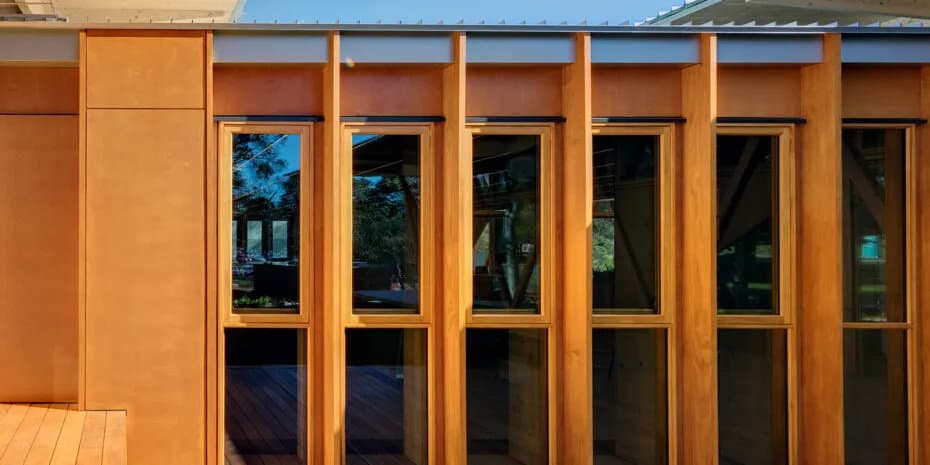
Accoya Timber Windows: The Ultimate Choice for Durability and Sustainability
Made from sustainably sourced wood, Accoya windows undergo a revolutionary modification process to enhance their durability, making them more resistant to rot, ...
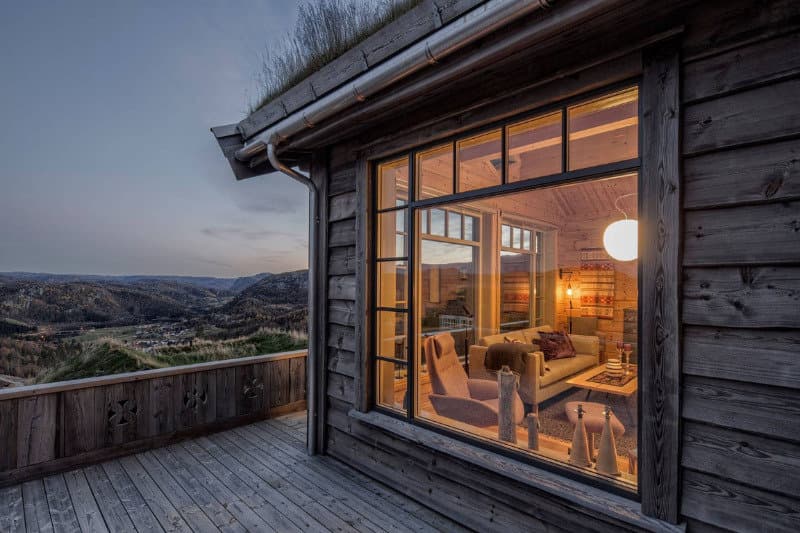
Alu Clad Timber Windows: The Perfect Blend of Durability and Aesthetic
These windows feature timber on the inside, providing warmth and traditional charm, while the aluminium cladding on the outside protects against harsh weather c...
Are Timber Windows more expensive? (Timber vs Aluminium Windows)
In this article, we'll comparetimber windowsandaluminium windowsin terms of cost, performance, and longevity to help you make an informed decision.