.svg)








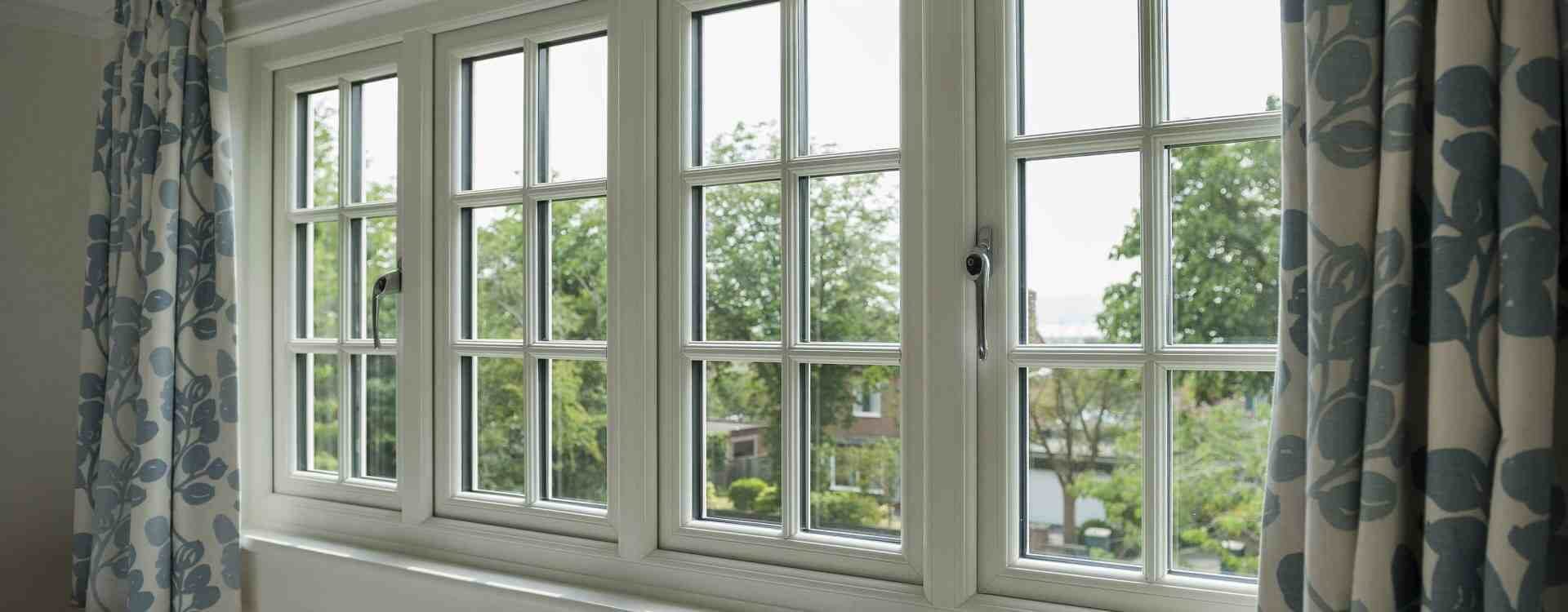

10 Benefits of Double Glazing Windows
Table of Contents
Quick Answer
Double glazing provides ten key benefits: reduced energy bills by up to 25%, noise reduction of 60-70%, enhanced home security with multi-point locking, reduced condensation, increased property value by 5-10%, UV protection for furniture, improved thermal comfort, lower carbon emissions, reduced maintenance compared to single glazing, and year-round temperature regulation.
Key Takeaways
- For maximum noise reduction, look for double glazing with different thickness glass panes.
- The Energy Saving Trust estimates that replacing single-glazed windows with double glazing in a semi-detached house could save around 100.
- Acoustic laminated glass is another excellent option, reducing noise by up to 40 decibels.
- Most double glazed windows are designed to last 20-25 years with proper maintenance.
- Upgrading to double glazing can dramatically improve thermal efficiency, reduce draughts, and lower energy bills.
Upgrading to double glazing windows is a home improvement that enhances more than just the look of your property.
From energy savings to added security, double glazing offers a variety of benefits that make it a smart investment.
Let’s dive into the top 10 advantages of double glazing windows and why they’re an essential upgrade for any home.
1. Reduced Energy Bills
Double glazing is highly effective at insulating your home. The two panes of glass trap a layer of air or gas between them, reducing heat loss. This added insulation keeps warmth inside during the winter and helps regulate indoor temperatures, leading to lower energy bills. Studies indicate that homeowners can save up to 30% on heating costs with double glazing.
2. Enhanced Noise Reduction
Double glazing acts as a buffer against external noise. With two layers of glass, sound waves are significantly diminished before they reach your interiors. Whether you live near a busy road, a school, or any noisy area, double glazing offers peace and quiet, making your home a tranquil space.
3. Minimised Condensation and Dampness
Condensation can lead to mold growth, which is not only unsightly but can also pose health risks. Double glazing reduces the risk of condensation buildup by keeping the interior glass warmer, helping to prevent moisture from accumulating on window surfaces and reducing potential dampness in your home.
4. Improved Home Security
Double glazing provides an extra layer of security, as it is harder to break than single-pane windows. The two panes of glass make it more difficult for intruders to penetrate, and opting for reinforced glass adds even more protection. This increased resilience gives you added peace of mind, knowing that your home is safer.
5. Increased Property Value
Homebuyers view double glazing as a valuable feature due to its energy efficiency and low maintenance. Upgrading to double glazing can increase your property value by up to 10%, making it a worthwhile investment that pays off if you decide to sell your home.
6. UV Protection for Interiors
Double glazing helps protect your interior furnishings from UV radiation, which can cause fading in carpets, furniture, and artwork. This benefit extends the life of your decor, keeping it looking fresh and vibrant while still allowing natural light into your home.
7. Enhanced Comfort Year-Round
Double glazing not only insulates against heat loss but also helps block excessive heat during the summer. This keeps your home’s temperature stable, making it more comfortable all year round. With regulated temperatures, you can reduce the need for both heating and air conditioning.
8. Low Maintenance and Durability
Double glazing windows are built to last. They are less prone to issues like condensation, which makes them easier to clean and maintain over time. With simple maintenance, double glazing can retain its quality and appearance for decades, offering long-term value and convenience.
9. Aesthetic Appeal with Versatile Designs
Double glazing is available in a range of styles to suit any architectural design, from traditional sash windows to sleek casement or tilt-and-turn options. The choice of materials, such as uPVC, aluminium , and wood, lets you match your windows to your home’s aesthetic, enhancing both its interior and exterior appeal.
10. Environmental Impact Reduction
By reducing the need for heating and cooling, double glazing lowers your carbon footprint. This energy efficiency makes double glazing an environmentally friendly choice, contributing to sustainable living while reducing greenhouse gas emissions associated with excessive energy use.
Benefits at a Glance
Frequently Asked Questions (FAQs about Double Glazing)
1. How long do double glazed windows last?
Most double glazed windows are designed to last 20-25 years with proper maintenance. High-quality materials and professional installation can extend their lifespan.
2. Are double glazed windows worth the investment?
Yes, double glazing offers a range of benefits, from energy savings and noise reduction to increased property value. Over time, the savings on energy bills can offset the initial investment.
3. Can double glazed windows completely eliminate outside noise?
While double glazing significantly reduces noise, it doesn’t completely eliminate it. For even greater noise reduction, consider acoustic or triple glazing.
4. How often should I clean double glazed windows?
Regular cleaning, at least every few months, is recommended to keep the glass clear and the frames in good condition. Avoid abrasive cleaners, as they can damage the glass or frames.
5. Do double glazed windows prevent condensation?
Double glazing reduces the likelihood of condensation on interior surfaces by keeping the inner pane warmer. However, proper ventilation is also necessary to manage indoor humidity.
6. Can I install double glazed windows in a listed building?
Some listed buildings have restrictions on window modifications. Consult with your local authority or heritage organization to determine if double glazing is permitted and explore alternative options like secondary glazing.
7. Does double glazing work with all window styles?
Yes, double glazing can be fitted into most window styles, including casement, sash, tilt and turn, and bay windows, making it a versatile choice.
8. What gas is used between the panes of double glazed windows?
Argon is commonly used due to its insulating properties. Other gases, such as krypton, are also used in specific cases for enhanced thermal performance.
9. Will double glazed windows increase my home’s value?
Yes, double glazed windows are often seen as a desirable feature, adding up to 10% to your property’s market value due to the energy efficiency and security benefits they provide.
10. Can I repair double glazed windows if they get foggy?
Fogging between the panes usually indicates a seal failure. Repair options are limited; in most cases, it’s best to replace the affected unit to restore clarity and insulation.
Frequently Asked Questions
UK homeowners can typically save between 10% and 30% on heating costs by upgrading to double glazing, depending on the property type and existing windows. The Energy Saving Trust estimates that replacing single-glazed windows with double glazing in a semi-detached house could save around 100 to 150 pounds per year on energy bills. The exact savings depend on factors such as the size of your home, the number of windows replaced, and the efficiency rating of the units installed.
In most cases, replacing windows with double glazing falls under permitted development rights, so planning permission is not required. However, if you live in a listed building or within a conservation area, you will likely need approval from your local planning authority before making changes. Building regulations still apply regardless, meaning the installation must comply with Part L (energy efficiency) standards. Always check with your local council before starting work to avoid potential issues.
For maximum noise reduction, look for double glazing with different thickness glass panes, such as a 6mm outer pane and a 4mm inner pane, combined with a wider air gap of 16mm or more. Acoustic laminated glass is another excellent option, reducing noise by up to 40 decibels. Argon or krypton gas fills between the panes also help dampen sound transmission. For homes near busy roads, airports, or railways in the UK, acoustic double glazing can make a significant difference to comfort levels.
A typical double glazing installation for an average UK home with 10 to 12 windows usually takes between two and four days. A single window can often be fitted in about one to two hours by experienced installers. Factors that affect installation time include the window style, whether structural alterations are needed, and weather conditions. Most reputable installers will complete the work with minimal disruption to your daily routine, and the old windows are usually removed and disposed of as part of the service.
The Window Energy Rating (WER) scale runs from A++ (most efficient) to E (least efficient). A-rated double glazing offers superior thermal performance, with a U-value typically around 1.4 W/m2K or lower, meaning less heat escapes through the glass. C-rated windows still meet building regulations but allow more heat to pass through. For UK homeowners looking to maximise energy savings and meet the latest Building Regulations Part L requirements, A-rated or above is recommended as it provides the best return on investment over time.
Yes, double glazing significantly reduces internal condensation by keeping the inner pane of glass closer to room temperature. Single-glazed windows allow the glass to become very cold, causing moisture in the warm indoor air to condense on the surface. With double glazing, the insulating air gap keeps the inner pane warmer, reducing this effect. However, adequate ventilation is still essential, as high humidity from cooking, bathing, and drying clothes indoors can still cause condensation even with double glazing installed.
Double glazing is particularly worthwhile for older UK homes, which often have single-glazed windows with poor insulation. These properties typically lose 20% to 30% of their heat through windows alone. Upgrading to double glazing can dramatically improve thermal efficiency, reduce draughts, and lower energy bills. For period properties, slim-profile or heritage-style double glazing is available that replicates the look of original windows while delivering modern performance. The improvement in comfort and reduction in heating costs usually makes the investment very worthwhile.
Related Posts
8 Energy-Efficient Window Options to Transform Your Home
Are you looking to enhance your home's energy efficiency while adding a touch of style and elegance? Investing in energy-efficient windows can not only reduce y...
Benefits of Choosing Double Glazed Glass Windows for Your Home
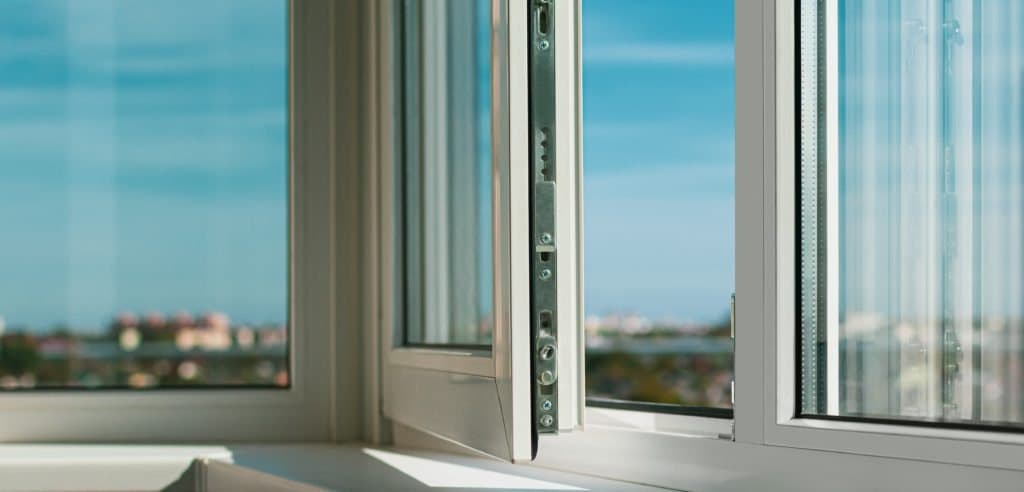
Double glazed sealed units consist of two glass panels separated by a spacer bar and filled with inert gas like Argon to enhance insulation.
Why Double Glazed Windows Are Essential for London Homes
Living in a bustling city like London comes with its unique set of challenges — from relentless noise pollution and fluctuating weather to skyrocketing energy c...