.svg)





Benefits of Choosing Double Glazed Glass Windows for Your Home
Table of Contents
Quick Answer
Benefits of Choosing Double Glazed Glass Windows for Your Home
Key Takeaways
- Frame lifespan varies by material: uPVC frames last 20 to 30 years, aluminium frames 40 to 50 years.
- Modern double glazing units from reputable manufacturers typically last 20 to 25 years.
- Timber double-glazed windows range from 800 to 1,500 pounds, and aluminium frames sit between 500 and 1,200 pounds per window.
- If your windows are over 20 years old, they likely lack modern energy-efficient features like Low-E coatings and gas fills.
- Standard double glazing can reduce noise levels by 25 to 30 decibels, which is a noticeable improvement.
What are Double Glazed Windows?
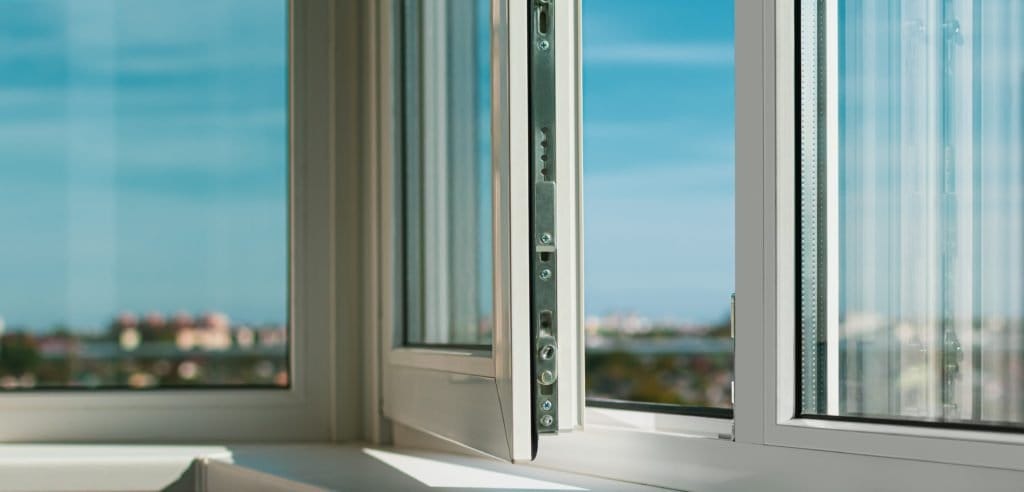
Double glazed sealed units consist of two glass panels separated by a spacer bar and filled with inert gas like Argon to enhance insulation.
These windows are specifically designed to reduce heat loss and improve energy efficiency in homes. The double glazed unit acts as a barrier against external temperatures, ensuring a comfortable indoor environment.
By reducing heat transfer, double glazing helps maintain a consistent temperature, keeping your home warmer in winter and cooler in summer. For more information on the benefits ofuPVCoptions, check out ouruPVC Windowspage.
Definition and Explanation
Double glazing units are engineered to prevent heat loss and provide outstanding insulation. The two glass panels form a sealed glazed unit, which traps air between them, creating an insulated barrier that significantly lowers energy consumption. Low E Argon-filled glass further enhances the u-value, improving the window’s energy efficiency. This makes double glazed windows a popular choice for both residential and commercial properties.
Energy Efficiency and Sustainability
Double glazed windows are renowned for their energy efficiency. Gas filled units, such as those filled with Krypton or Argon, are designed for better insulation compared to non-filled ones. The insulating properties of the glazing units reduce the need for constant heating and cooling, resulting in lower energy bills.
Opting for windows with double glazing not only cuts costs but also decreases your carbon footprint, making it a sustainable choice for homeowners. Interested in energy-efficient flush designs? Visit ourFlush Sash Windowssection.
How Double Glazing Saves Energy
Double glazing units are designed to prevent heat escape during winter and reduce heat gain in summer. By using Low E Argon-filled glass, these windows improve insulation and reduce condensation on the window surface. This enhanced insulation keeps your home warmer for longer, reducing the need for additional heating and leading to substantial savings on energy bills.
Environmental Benefits
Reducing Carbon Footprint
Double glazed windows play a pivotal role in reducing your home’s carbon footprint by minimizing heat loss and energy consumption. The energy-efficient design of double glazing units helps retain warmth during the winter and keep the heat out in the summer, leading to lower energy bills and a reduced carbon footprint. By choosing double glazed windows, homeowners can contribute to a more sustainable future and lessen their environmental impact. This not only benefits your wallet but also the planet, making double glazing a smart and eco-friendly choice for any home.
Noise Reduction and Soundproofing
Minimizing External Noise
Double glazed windows are expertly designed to minimize external noise, providing a peaceful and quiet living environment. The gap between the two glass panes acts as a sound barrier, significantly reducing the transmission of sound waves and keeping unwanted noise out. This feature is particularly beneficial for homes located in noisy areas, such as near airports or busy roads. By installing double glazed windows, homeowners can enjoy a more serene and tranquil living space, free from the disturbances of the outside world.
Security and Safety
Enhanced Security Features
Double glazed windows offer enhanced security features, providing an additional layer of protection against intruders. The two glass panes make it more challenging for burglars to break through, and the sealed unit adds an extra barrier against forced entry. Additionally, double glazed windows can be fitted with advanced security features, such as laminated glass and secure locking systems, to provide even greater protection. By choosing double glazed windows, homeowners can enjoy a safer and more secure living environment, giving you peace of mind whether you’re at home or away.
What Are the Benefits of Double Glazed Units?
Reduced Noise PollutionDouble glazed windows provide excellent sound insulation, reducing external noise significantly. This is especially beneficial for homes located near busy roads or in noisy urban areas. The two layers of glass combined with sealed units reduce sound transmission, turning your home into a peaceful retreat.
Increased SecurityDouble glazed units are much more secure than single pane glass. The extra glass panel and the robust glazing unit make it more difficult for intruders to break through. This added security is a major benefit for homeowners concerned about safety.
What Are the Different Types of Double Glazed Windows?
uPVC Double Glazed Flush Casement Windows and uPVC double glazed windows are popular due to their durability, low maintenance, and cost-effectiveness.
Wooden windows also offer excellent energy efficiency and a variety of styles to suit different properties. Flush casement windows provide a sleek design that complements both modern and traditional homes. Explore our options in theCasement Windowssection.
Double Glazed Integral BlindsFor a stylish yet practical solution, double glazed integral blinds are an excellent choice. These blinds are installed within the sealed glass units, eliminating the need for dusting and making them maintenance-free. They enhance privacy while allowing you to control the amount of natural light entering your home.
Comparison with Other Options
When comparing differenttypes of windows, it's important to consider the complete assembly of a double glazed window, which includes both the glass and the frame.
Single Pane Glass vs Double Glazed Windows
Single pane glass lacks the insulation benefits provided by double glazing. In contrast, double glazed windows are designed to improve energy efficiency, reduce heat loss, and increase overall comfort. The extra layer of glass in double glazed units serves as a thermal barrier, making them far superior to single pane options.
Triple Glazed Units: For homeowners wanting optimal insulation, triple glazing offers even greater energy efficiency and noise reduction. These units consist of three layers of glass with insulating air or gas between them, making them ideal for maximum comfort.
Conclusion
Summary of the Benefits of Double Glazed WindowsChoosing double glazed windows offers multiple benefits, from enhancing energy efficiency to reducing noise pollution and increasing security. These windows not only improve comfort but also add to the aesthetic appeal of your home, making them an excellent choice for both residential and commercial properties. For further inquiries, feel free to visit ourContact Page.
Common Questions about Double Glazing
What is the difference between double glazed windows and sealed glass units?
Double glazed windows consist of twoglass panelsseparated by aspacer bar, while double glazed sealed units refer to anyglass panessealed together for insulation, enhancing thermal and acoustic insulation.
How do double glazed windows reduce energy bills?
By providing an insulated barrier, double glazed windows minimiseheat loss, reducing the need for excessive heating and lowering your energy bills.
What is the average cost of double glazed windows?
The cost varies depending on the type ofglazing unitsand the size of the windows. However, investing in double glazing is a cost-effective way to boost your home’senergy efficiencyand property value. For more insights, check our guide onDouble Glazing Benefits.
What type of glass is best for double glazing?
The best type of glass for double glazing isLow-E (low emissivity) glass. This type of glass has a special coating that reflects heat back into the room while allowing natural light to pass through. Low-E glass enhancesenergy efficiencyby reducing heat loss in winter and heat gain in summer.
Is it worth replacing 25 year old double glazing?
Yes, it is generally worth replacing25-year-old double glazing, especially if you notice condensation between the panes, draughts, or reduced thermal performance. Moderndouble glazing unitsare more energy-efficient due to advancements likeargon-filled glassand improvedspacer bars, which can significantly reduce your energy bills and increase home comfort.
What is the difference between cheap and expensive double glazing?
The difference between cheap and expensive double glazing usually comes down to the quality of materials and technology used.Expensive double glazingoften featuresLow-E glass,argon gas filling, and high-qualityspacer bars, which improve insulation and reduce heat loss. Cheaper options may use lower-grade materials, leading to shorter lifespans, less energy efficiency, and poorer noise insulation.
What are double glazed windows filled with?
Double glazed windows are typically filled with aninert gaslikeargon, krypton, or xenon between the two glass panes. These gases improve insulation by reducing heat transfer, making the windows more energy-efficient than those filled with just air. When ordering, consider the comprehensive UK delivery service that ensures the safe transport of these sealed units.
How can you tell if double glazing is argon-filled?
You can usually tell if double glazing is argon-filled by checking for alabelon the window frame provided by the manufacturer. Additionally,argon-filled windowstend to feel slightly warmer to the touch on cold days compared to standard air-filled units, as argon reduces heat loss more effectively.
What are double glazed windows sealed with?
Double glazed windows are sealed withdurable rubber sealsor silicone to create an airtight seal around theglazing unit. These seals prevent moisture from entering the space between the glass panes, reducing the risk of condensation and ensuring long-term performance.
What are the disadvantages of argon glass?
One of the main disadvantages of argon glass is that it can slowly leak over time. If thesealsaround the window are not of high quality, theargon gasmay escape, reducing the window’s insulating properties. Additionally, argon-filledwindows can be more expensivethan standard air-filled ones.
Does all double glazing have argon?
No, not all double glazing has argon. Whileargon-filled double glazingis popular due to its insulation benefits, some double glazed windows are filled with air or other inert gases like krypton. The choice often depends on budget and the desired level of insulation.
Do argon-filled windows stop condensation?
Yes, argon-filled windows can help reduce condensation on the inside of the glass because theargon gasacts as an insulator, reducing heat transfer. However, if condensation forms between the panes, it usually indicates that the window seals have failed, and the unit may need to be replaced.
Frequently Asked Questions
Double glazing costs in the UK vary depending on the window size, frame material, and glazing specification. As a guide, a standard uPVC double-glazed casement window costs between 300 and 600 pounds installed. Timber double-glazed windows range from 800 to 1,500 pounds, and aluminium frames sit between 500 and 1,200 pounds per window. Sash windows are typically more expensive due to their complexity. Prices also vary by region, with London and the South East generally commanding higher installation costs. Always obtain at least three quotes from FENSA or CERTASS registered installers.
Both argon and krypton are inert gases used between the panes of double glazing to improve insulation. Argon is the most commonly used gas, offering good thermal performance at an affordable price point and improving insulation by approximately 30% compared to air-filled units. Krypton is a denser gas that provides superior insulation, approximately 40% better than air, but costs significantly more. Krypton is typically used in slimmer units where space between the panes is limited, such as heritage-style or slim-profile double glazing for period properties.
Key signs that your double glazing needs replacing include persistent condensation or misting between the glass panes, which indicates seal failure. Draughts around the window frame suggest deteriorating seals or warped frames. Difficulty opening or closing windows may indicate frame distortion. Visible damage such as cracks in the glass, discolouration of the frame, or rotting timber surrounds are clear indicators. If your windows are over 20 years old, they likely lack modern energy-efficient features like Low-E coatings and gas fills, meaning replacement could significantly reduce your heating bills.
Yes, double glazing significantly reduces noise from traffic and other external sources. Standard double glazing can reduce noise levels by 25 to 30 decibels, which is a noticeable improvement. For homes on busy roads, acoustic double glazing with laminated glass and varying pane thicknesses can achieve noise reductions of up to 40 decibels or more. The width of the air gap between panes also affects sound reduction, with wider gaps generally providing better acoustic insulation. Triple glazing offers further improvement for properties in particularly noisy locations across the UK.
Low-E (low emissivity) glass has a microscopically thin metallic oxide coating, typically applied to the inner surface of the outer pane in a double-glazed unit. This coating reflects long-wave infrared radiation (heat) back into the room while allowing short-wave solar energy and visible light to pass through. Low-E glass can reduce heat loss through the window by up to 50% compared to standard clear glass. In the UK, most modern double glazing units incorporate Low-E glass as standard to meet Building Regulations Part L energy efficiency requirements.
Triple glazing offers improved thermal insulation with U-values as low as 0.6 W/m2K compared to around 1.2 to 1.4 W/m2K for standard double glazing. However, triple glazing costs approximately 20% to 30% more than double glazing. For most UK homes, high-quality A-rated double glazing provides excellent performance and represents the best value for money. Triple glazing is most beneficial for north-facing elevations, properties in exposed locations, passive house builds, or homeowners seeking the absolute best thermal and acoustic performance regardless of cost.
Modern double glazing units from reputable manufacturers typically last 20 to 25 years, though many installations remain effective for 30 years or more. The sealed glass unit is usually the first component to fail, with the gas fill gradually leaking out over time and seals deteriorating. Frame lifespan varies by material: uPVC frames last 20 to 30 years, aluminium frames 40 to 50 years, and timber frames 60-plus years with proper maintenance. Regular inspection and maintenance of seals, drainage slots, and moving hardware can help extend the overall lifespan of your installation.
Related Posts
10 Benefits of Double Glazing Windows
From energy savings to added security, double glazing offers a variety of benefits that make it a smart investment.
8 Energy-Efficient Window Options to Transform Your Home
Are you looking to enhance your home's energy efficiency while adding a touch of style and elegance? Investing in energy-efficient windows can not only reduce y...
Why Double Glazed Windows Are Essential for London Homes
Living in a bustling city like London comes with its unique set of challenges — from relentless noise pollution and fluctuating weather to skyrocketing energy c...