.svg)


Double Glazed Wooden Windows: Combining Classic Elegance with Modern Performance
Table of Contents
Quick Answer
Double-glazed wooden windows combine the natural beauty of timber frames with modern sealed glazing units for superior thermal and acoustic performance. They typically achieve U-values of 1.2 to 1.4 W/m2K, reduce external noise by up to 70%, and last 50 years or more with regular maintenance. Prices range from 800 for softwood to 2,500 for hardwood per window.
Key Takeaways
- Double glazed wooden windows can last 40 to 60 years or more with proper maintenance.
- The double glazing units themselves typically last 20 to 25 years before the seals may begin to fail and need.
- Triple glazing can further enhance thermal performance for maximum energy savings.
- Repaint or re-stain the exterior every 3 to 5 years, or as recommended by the manufacturer.
- Modern slim-profile double glazing units can be fitted within traditional-looking frames.
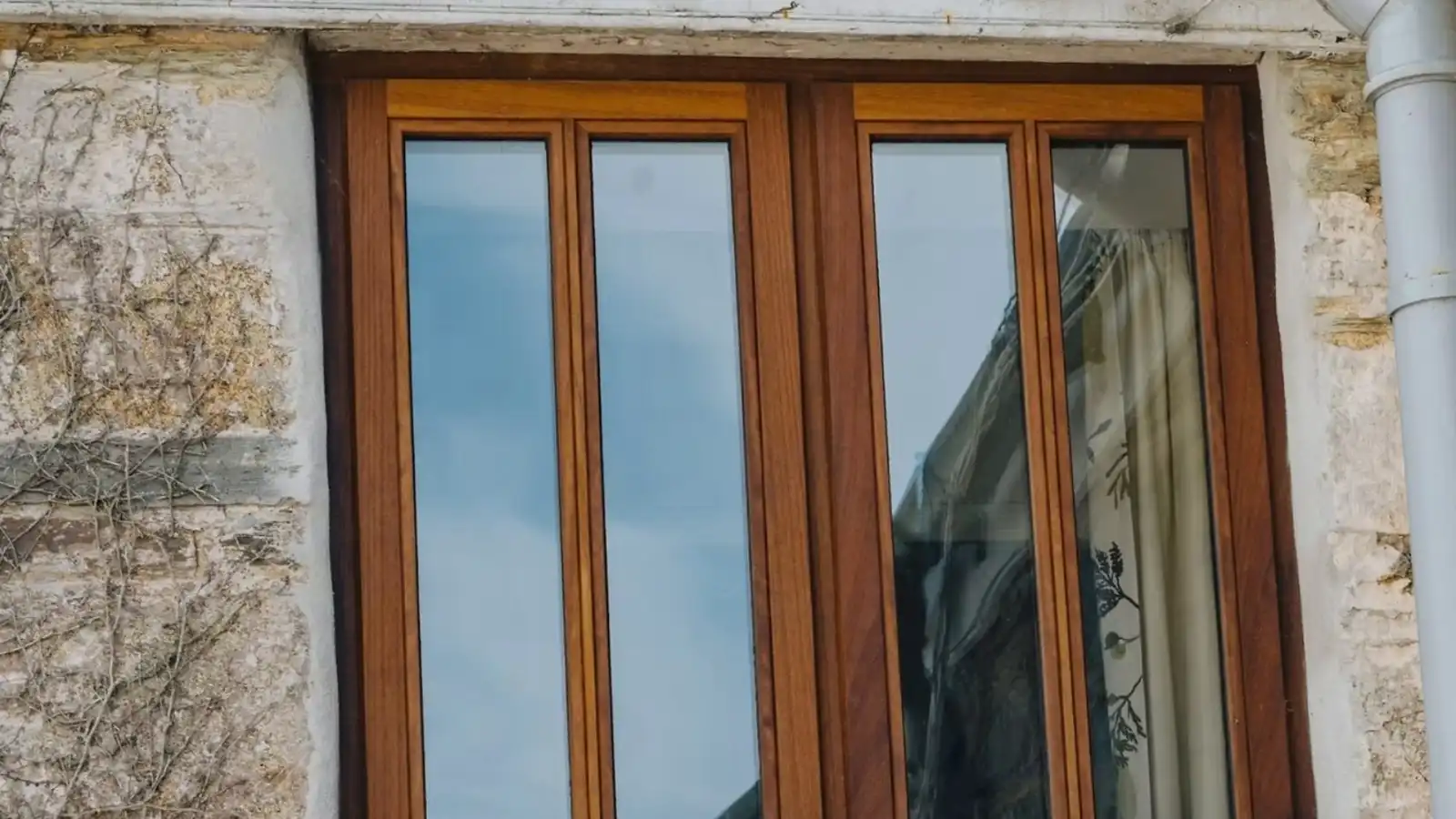
Double glazed wooden windowsare the perfect choice for homeowners who want to blend traditional aesthetics with modern energy efficiency. Known for their timeless appeal and superior insulation,double glazing wooden windowsare ideal for period properties and contemporary homes alike.
With options ranging fromhardwood double glazed windowstotimber frame double glazing, these windows offer the best of both worlds—beauty and performance.
In this guide, we’ll explore everything you need to know aboutdouble glazed wood windows, including their benefits, design options, and how to choose the best material for your home. Whether you’re upgrading your current windows or installing new ones, this guide will help you make an informed decision.
Why Choose Double Glazed Wooden Windows?
Double glazed wooden windowscombine the charm of natural wood with the energy efficiency of modern double glazing. They are particularly popular for homeowners looking to maintain the authenticity of period properties while enjoying the benefits of thermal insulation and noise reduction.
Key Benefits of Double Glazed Wooden Windows:
What Are the Different Types of Wood Used in Double Glazed Windows?
Choosing the right type of wood for your double glazed windows is crucial for achieving the perfect balance between aesthetics, durability, and cost. Here are the most popular options:
1. Hardwood Double Glazed Windows
Hardwoodis a dense, durable material that is ideal for windows in exposed or high-traffic areas. Known for its strength and natural beauty, hardwood options include oak, mahogany, and sapele.
- Best For: Period properties, heritage homes, and high-end installations.
- Benefits: High durability, rich colour tones, and long-lasting performance.
- Drawbacks: Higher cost compared to softwood.
2. Softwood Double Glazed Windows
Softwood, such as pine or spruce, is more affordable and easier to work with than hardwood. While not as durable, softwood can still provide excellent insulation and performance when treated and maintained properly.
- Best For: Budget-friendly options, new builds, and modern properties.
- Benefits: Lower cost, lightweight, and easily customisable.
- Drawbacks: Requires more maintenance and regular treatment to prevent rot.
3. Engineered Timber Double Glazed Windows
Engineered timber is made by bonding layers of wood together, creating a strong, stable material that resists warping and swelling. This type of timber is perfect for large window units and areas with high humidity.
- Best For: Large window units, modern homes, and properties in damp climates.
- Benefits: High stability, minimal warping, and versatile design options.
- Drawbacks: Higher initial cost compared to solid softwood.
Popular Styles of Double Glazed Wooden Windows
Double glazed wooden windows come in a variety of styles to suit different architectural preferences and functional needs. Here are some of the most popular styles:
1. Casement Double Glazed Wooden Windows
Casement windows are side-hinged and open outward like a door. They are one of the most popular window styles for both traditional and modern homes.
- Best For: Living rooms, kitchens, and bedrooms.
- Features: Excellent ventilation, unobstructed views, and tight seals for energy efficiency.
2. Sash Double Glazed Wooden Windows
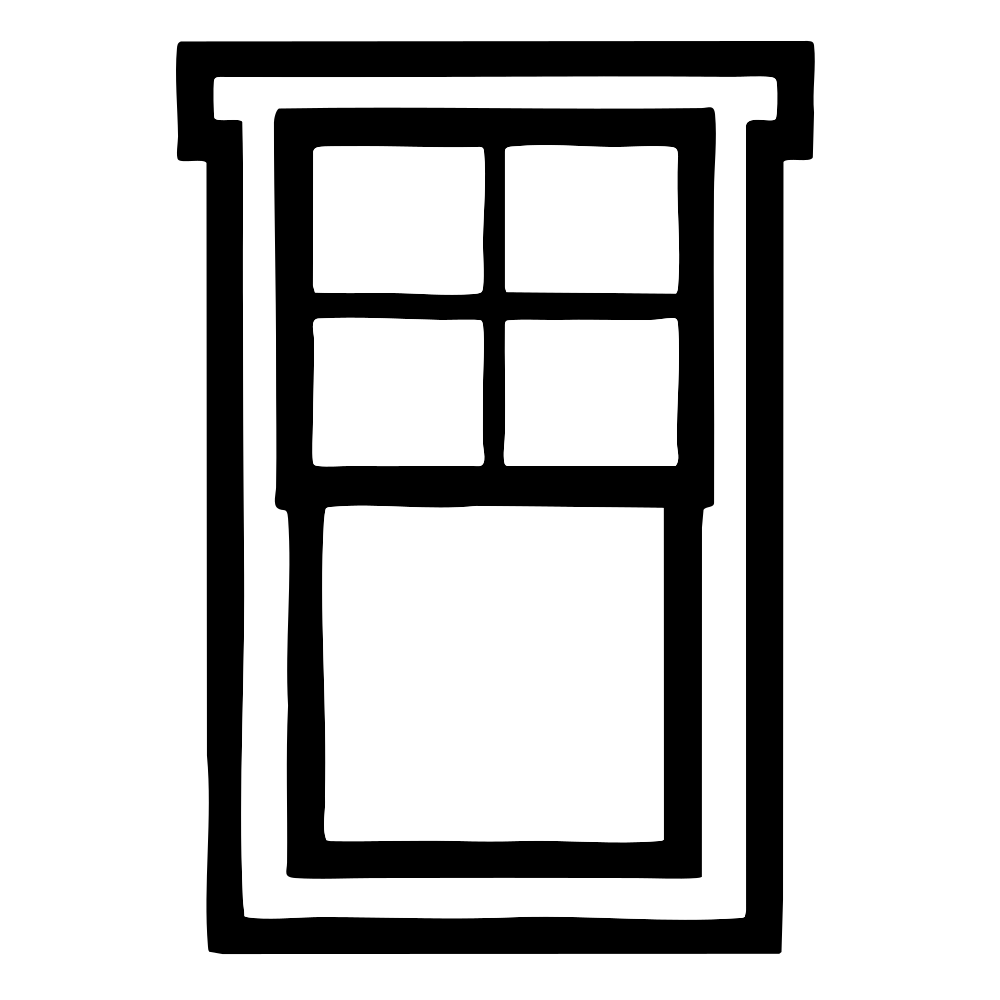
Sash windows are a quintessential feature of period properties. They consist of two sashes that slide vertically or horizontally, creating a classic look that suits Georgian, Victorian, and Edwardian homes.
- Best For: Period properties, listed buildings, and conservation areas.
- Features: Timeless design, smooth sliding mechanism, and improved insulation with double glazing.
3. Bay and Bow Double Glazed Wooden Windows
Bay and bow windows project outward from the home, creating additional interior space and a panoramic view. These windows often consist of a combination of casement or sash units.
- Best For: Enhancing space and light in living rooms or master bedrooms.
- Features: Creates a focal point, adds architectural interest, and improves light flow.
4. Tilt and Turn Double Glazed Wooden Windows
Tilt and turn windows offer a modern twist on traditional wooden frames. With a dual-function opening system, they can tilt inward from the top or swing inward from the side for easy cleaning and ventilation.
- Best For: High-rise apartments, bedrooms, and modern homes.
- Features: Versatile functionality, secure ventilation, and sleek design.
How Much Do Double Glazed Wooden Windows Cost?
Thecost of double glazed wooden windowscan vary significantly depending on the type of wood, style, and glazing options. Here’s a rough estimate:
- Softwood Double Glazed Windows: £500 - £900 per window.
- Hardwood Double Glazed Windows: £900 - £1,500 per window.
- Engineered Timber Double Glazed Windows: £1,000 - £2,000 per window.
Note: These prices are approximate and can vary based on size, customisation, and supplier.
How Do You Maintain Your Double Glazed Wooden Windows?
To ensure yourdouble glazed wooden windowslast for decades, regular maintenance is essential. Here’s how to keep them in top condition:
How Do You Choose the Right Glazing for Wooden Windows?
The type of glazing you choose will impact the performance and energy efficiency of yourdouble glazed wooden windows. Here are the main options:
- Double Glazing: Two layers of glass with an insulating gap between. Offers good thermal performance and noise reduction.
- Triple Glazing: Three layers of glass for maximum insulation. Ideal for properties in colder climates.
- Low-E Glass: Coated with a special layer to reflect heat back into your home, enhancing energy efficiency.
- Acoustic Glass: Reduces noise pollution, perfect for homes in busy urban areas.
Upgrade Your Home with Beautiful Double Glazed Wooden Windows
Whether you’re looking to restore the charm of a period property or add warmth and character to a new build,double glazed wooden windowsare the perfect solution.
With a range of styles, materials, and glazing options available, you can create the perfect windows to suit your home’s unique needs.
Frequently Asked Questions
Double glazed wooden window prices in the UK vary by timber type and style. Softwood double glazed windows range from £500 to £900 per window, hardwood options cost between £900 and £1,500 per window, and engineered timber versions range from £1,000 to £2,000 per window. Sash-style double glazed wooden windows are at the higher end of these ranges due to their more complex mechanism. Installation adds approximately £150 to £300 per window. Custom sizes, special glazing options, and premium finishes will increase the price. For a full house, expect to pay significantly more than equivalent uPVC installations.
Yes, double glazed wooden windows are among the most energy-efficient options available. Timber is a natural insulator with low thermal conductivity, and when combined with modern double glazing featuring argon gas filling and low-emissivity coatings, these windows achieve excellent U-values as low as 1.2 W/m2K. This comfortably meets and often exceeds UK Building Regulations requirements of 1.4 W/m2K. The combination of timber frames and double glazing significantly reduces heat loss, lowering heating bills and improving indoor comfort. Triple glazing can further enhance thermal performance for maximum energy savings.
Maintaining double glazed wooden windows involves regular care to protect the timber and keep the windows functioning well. Clean the frames and glass every few months with a mild detergent and soft cloth. Inspect frames annually for signs of rot, peeling paint, or cracks, and address any issues promptly. Repaint or re-stain the exterior every 3 to 5 years, or as recommended by the manufacturer. Lubricate hinges, locks, and sliding mechanisms annually. Check weatherstripping and seals to ensure they remain airtight. Modern factory-applied finishes and micro-porous paints have made maintenance easier than with older timber windows.
The best wood depends on your budget and requirements. Hardwoods such as oak, sapele, and meranti are the most durable, offering natural resistance to weathering and a rich, attractive grain. They are ideal for premium installations and heritage properties. Softwoods like Scandinavian redwood and pine are more affordable and work well when properly treated, though they require more frequent maintenance. Engineered timber, made from bonded layers of wood, provides excellent dimensional stability with minimal warping, making it ideal for larger windows. For UK conditions, sustainably sourced hardwood or engineered timber offers the best long-term performance.
Yes, double glazed wooden windows are often the preferred or required choice for listed buildings in the UK. Timber frames can be crafted to precisely replicate the original window profiles, mouldings, and proportions, preserving the building's historical character. Modern slim-profile double glazing units can be fitted within traditional-looking frames, providing the thermal and acoustic benefits of double glazing while maintaining an authentic appearance. Listed Building Consent is always required before replacing windows in a listed property, and the application should demonstrate that the new windows closely match the originals in design, materials, and finish.
Double glazed wooden windows can last 40 to 60 years or more with proper maintenance, depending on the timber type and quality of construction. Hardwood frames tend to outlast softwood, with some oak windows lasting over a century. The double glazing units themselves typically last 20 to 25 years before the seals may begin to fail and need replacing, but this is a straightforward repair that does not require replacing the timber frames. Regular maintenance including repainting, seal checks, and hardware lubrication is essential to achieving maximum lifespan. Well-maintained timber windows often outlast uPVC alternatives.
Double glazed wooden windows are available in a wide range of styles to suit any UK property. Casement windows are the most common, with side-hinged sashes that open outward. Sash windows feature two sliding panels and are the classic choice for Georgian, Victorian, and Edwardian homes. Bay and bow windows project outward to create extra space and light. Tilt and turn windows offer modern dual-function opening. French casement windows provide wide openings without a central mullion. Each style can be customised with Georgian bars, leaded glass, various moulding profiles, and a choice of stains or paint colours to match your property.
Related Posts
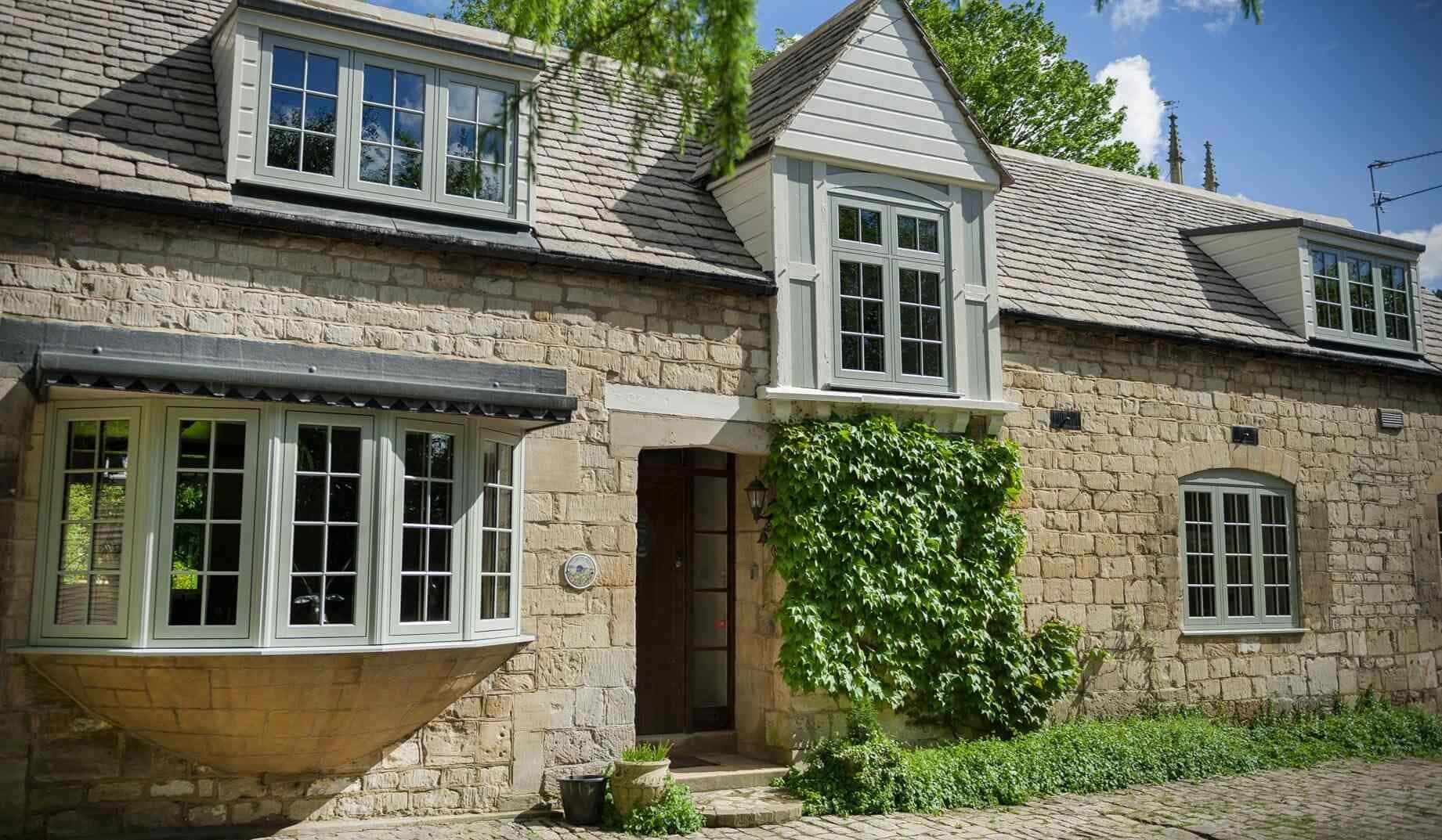
Replacing Glass in Timber Windows: What You Need to Know
Whether it's due to broken panes, foggy double glazing, or simply upgrading to more energy-efficient glass, replacing the glass intimber windowsis a key part of...
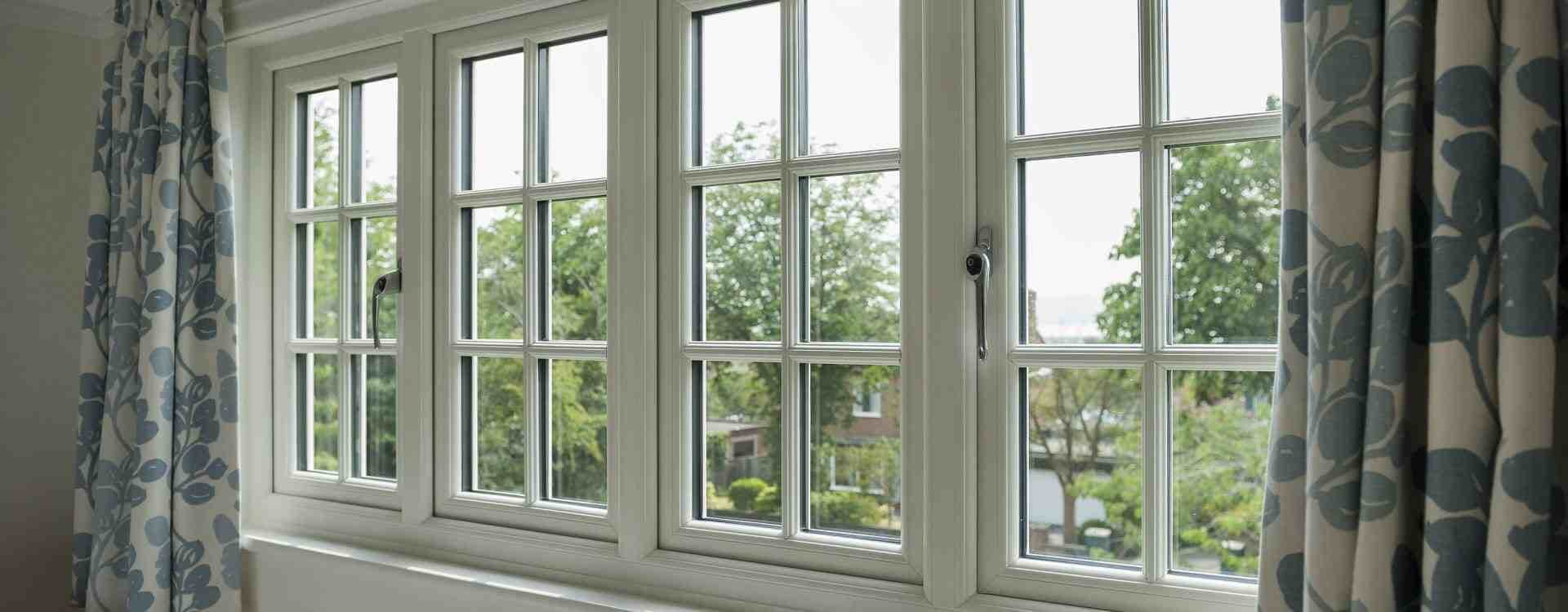
10 Benefits of Double Glazing Windows
From energy savings to added security, double glazing offers a variety of benefits that make it a smart investment.
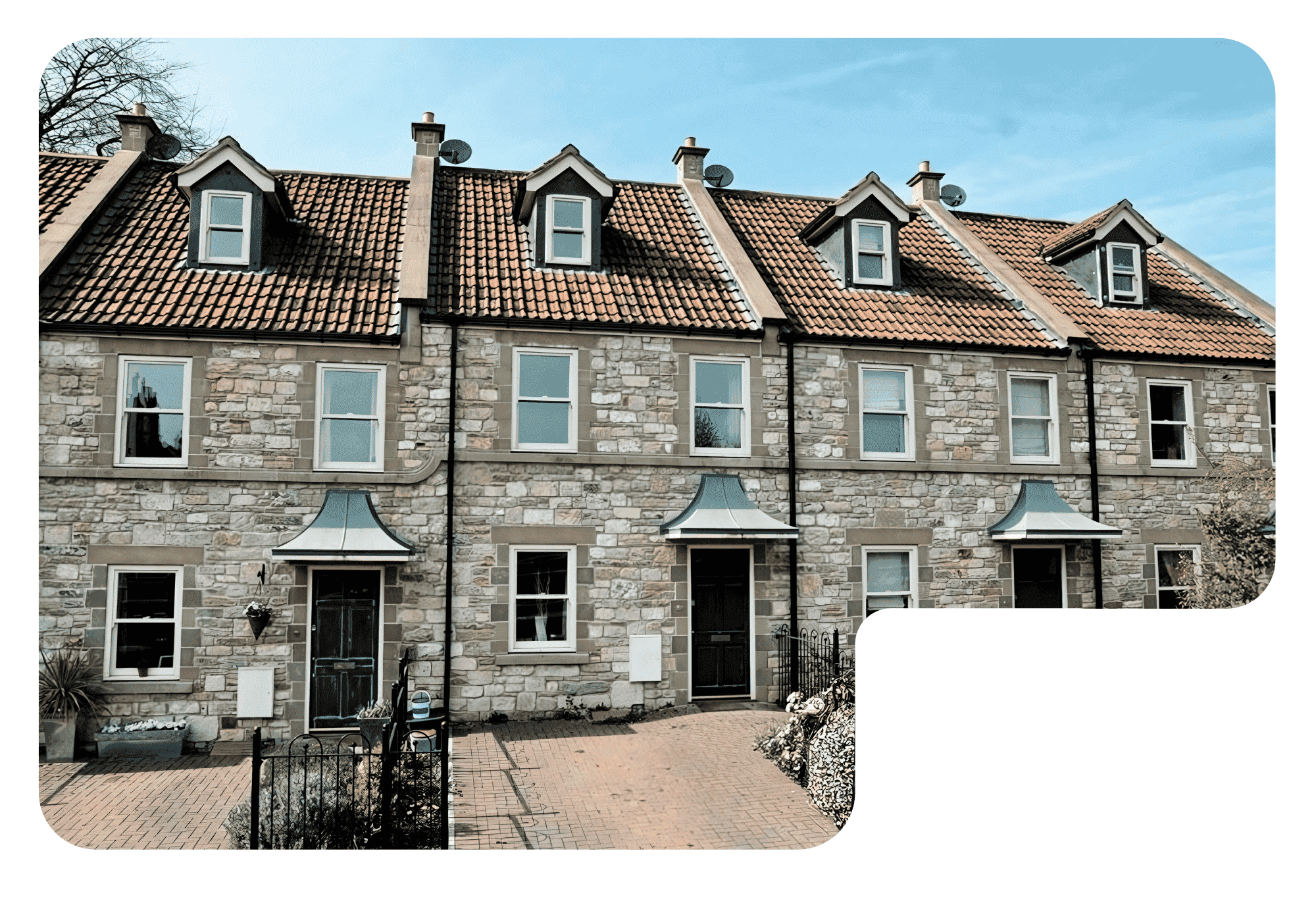
8 Energy-Efficient Window Options to Transform Your Home
Are you looking to enhance your home's energy efficiency while adding a touch of style and elegance? Investing in energy-efficient windows can not only reduce y...