.svg)









Double Glazing: The Smart Way to Save on Energy Bills
Table of Contents
Quick Answer
Double glazing reduces heat loss through windows by up to 50%, saving UK households 100 to 200 per year on energy bills. Modern A-rated double-glazed windows achieve U-values as low as 1.0 W/m2K, keeping homes warmer in winter and cooler in summer. The investment typically pays for itself within 8-12 years through energy savings alone, while also reducing condensation and external noise by up to 70%.
Key Takeaways
- Over 20 years, this can amount to £2,000 to £4,700 in cumulative savings, making double glazing a sound financial investment.
- For a typical 3-bedroom semi-detached house, a full set of uPVC double glazed windows costing around £5,000 to £7.
- UK homeowners can save between £100 and £235 per year on energy bills by upgrading from single glazed to modern.
- The thermal insulation provided by double glazing can reduce heating costs by up to 30% annually.
- The payback period for double glazing in the UK typically ranges from 10 to 20 years.
If you’re a homeowner looking to boost energy efficiency and reduce heating costs, installing windows with double glazing is one of the best investments you can make.
Double glazing has become a staple in homes across the UK, offering a range of benefits that go far beyond just keeping your home warmer. From improving security to cutting down on noise, this modern window solution is a must-have for anyone looking to upgrade their property.
In this article, we’ll cover the key benefits of double glazing, what makes it so effective, and why choosing the rightwindows double glazingsolution can make a significant difference in your home’s comfort and energy bills.
What is Double Glazing?
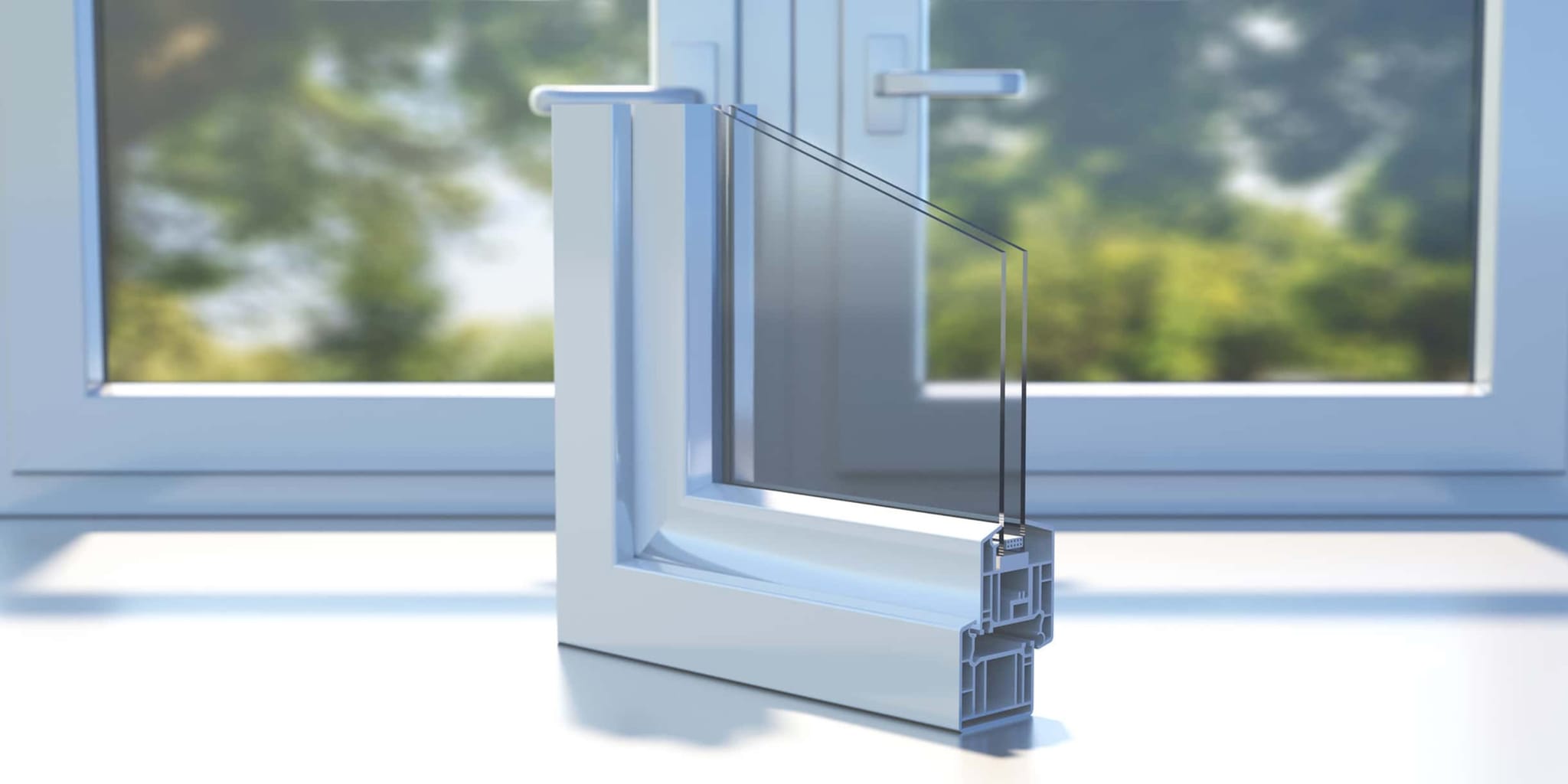
Double glazingrefers to windows that feature two panes of glass separated by a layer of inert gas, typically argon or krypton. This gas acts as an insulating barrier, minimizing heat transfer between the inside and outside of your home. The design also reduces condensation, noise pollution, and provides additional security — makingdouble glazed windowsa versatile choice for any property.
Top Benefits of Double Glazed Windows
How Do You Choose the Right Double Glazing for Your Home?
When selectingdouble glazing, it’s essential to consider the specific needs of your home. Here are a few factors to keep in mind:
Why Investing in Double Glazing Pays Off
Althoughdouble glazingmay seem like a hefty upfront cost, the long-term benefits far outweigh the initial investment. Here’s why making the switch is worth it:
- Lower Energy Bills: The thermal insulation provided bydouble glazingcan save you up to 30% on energy costs annually.
- Increased Comfort: No more cold drafts or uncomfortable rooms — enjoy consistent temperatures throughout your home.
- Reduced Environmental Impact: Using less energy means you’re also reducing your carbon footprint, makingdouble glazingan eco-friendly choice.
- Enhanced Curb Appeal: Well-fitted,new double glazing windowslook sleek and modern, enhancing your home’s appearance and value.
What Are the Signs That It’s Time to Replace Your Windows?
If you already have olderdouble glazing, it’s important to watch for these signs that a replacement might be needed:
- Condensation Inside the Glass: This means the seal is failing, reducing the window’s efficiency.
- Draughts Around the Frame: Gaps or warping around the frame can undermine the insulating properties.
- Noise Leaks: If you’re hearing more outside noise than usual, it’s a sign your windows aren’t providing adequate soundproofing.
Double Glazing: Installation Considerations
Proper installation is key to maximizing the benefits of your newwindows glazing. Poorly fitted windows can lead to draughts, water leaks, and reduced efficiency. Always work with a certified installer to ensure yourdouble glazed windowsare fitted correctly. This guarantees that the insulation properties are fully utilised, and your investment pays off in the long run.
Get Started with Double Glazing Today
But how do you find the best solution for your home?
With options fordouble glazing UK-approved products and certified installations, we’re here to make your home more comfortable, secure, and energy-efficient.
Knowing all of the benefits is one thing, but actually going through the process of turning your project vision into reality is another.But don't worry, that’s exactly why we're here.
Frequently Asked Questions
UK homeowners can save between £100 and £235 per year on energy bills by upgrading from single glazed to modern double glazed windows, according to the Energy Saving Trust. The thermal insulation provided by double glazing can reduce heating costs by up to 30% annually. Exact savings depend on your property size, heating system, and the condition of your existing windows. Homes with larger window areas or those in colder regions of the UK will see greater savings. Over 20 years, this can amount to £2,000 to £4,700 in cumulative savings, making double glazing a sound financial investment.
Low-emissivity (Low-E) glass is the best option for energy-efficient double glazing. It features a microscopic metallic coating that reflects heat back into the room while allowing sunlight to pass through, significantly improving thermal insulation without reducing natural light. When combined with argon or krypton gas filling between the panes, Low-E glass can reduce heat loss through windows by up to 50%. For the highest energy performance, look for windows rated A+ or A++ on the Window Energy Rating (WER) scheme. Pilkington K Glass and Saint-Gobain Planitherm are among the leading Low-E glass brands used in UK double glazing.
Yes, double glazing significantly reduces internal condensation compared to single glazed windows. Condensation forms when warm moist air meets a cold surface, and single glazed windows are much colder than double glazed ones. The insulating gas layer in double glazing keeps the inner pane warmer, reducing the temperature difference and preventing most condensation from forming. However, double glazing does not eliminate condensation entirely, particularly in kitchens and bathrooms where moisture levels are high. Adequate ventilation through trickle vents or extractor fans is still important. If condensation appears between the panes, it indicates a failed seal that needs repair.
The payback period for double glazing in the UK typically ranges from 10 to 20 years, depending on the type of windows installed and the windows being replaced. Replacing single glazing with uPVC double glazing offers the fastest payback, as the energy savings are most dramatic. For a typical 3-bedroom semi-detached house, a full set of uPVC double glazed windows costing around £5,000 to £7,000 could pay for itself through energy savings in approximately 15 to 20 years. Beyond energy savings, double glazing also adds value to your property, improves comfort, and reduces maintenance costs, all of which contribute to the overall return on investment.
You should consider replacing your double glazing if you notice condensation or misting between the glass panes, which indicates seal failure. Other signs include noticeable drafts around the frames, difficulty opening or closing windows, increased external noise coming through, visible damage to frames such as warping, cracking, or discolouration, and rising energy bills despite no change in usage. Double glazing typically lasts 20 to 25 years before the sealed units begin to fail. If your windows are over 15 years old and showing any of these symptoms, it is worth getting a professional assessment to determine whether repair or replacement is the best option.
Double glazing is not a legal requirement for existing windows, but all replacement windows must comply with Building Regulations, which require a maximum U-value of 1.4 W/m2K. In practice, this means double glazing is effectively mandatory for any new or replacement windows, as single glazing cannot meet this standard. New build properties must also meet strict energy efficiency requirements that necessitate double or triple glazing. Landlords in England and Wales must ensure rental properties meet a minimum EPC rating of E, which often requires double glazing. The standard is expected to tighten to EPC rating C by 2030.
The Window Energy Rating (WER) scheme rates windows from A++ (most efficient) to E (least efficient) based on their overall energy performance, considering thermal insulation, solar heat gain, and air leakage. A-rated windows have a WER of zero or above, meaning they gain as much or more energy from sunlight as they lose through heat transfer. C-rated windows still meet Building Regulations but allow more heat loss. The practical difference is approximately £20 to £40 per year in energy savings for a full house of A-rated versus C-rated windows. A-rated or above is recommended for the best long-term value and comfort.
Yes, double glazing can be installed year-round in the UK, including during winter. Professional installers work efficiently to minimise the time each window opening is exposed to the elements, typically completing each window in 1 to 2 hours. Modern sealants and adhesives are formulated to cure effectively in cold temperatures. Installing in winter can actually be advantageous, as some companies offer discounts during their quieter season, and you will immediately benefit from improved insulation during the coldest months. Reputable installers will ensure each window is fully sealed and weatherproof before moving on to the next.
Related Posts
10 Benefits of Double Glazing Windows
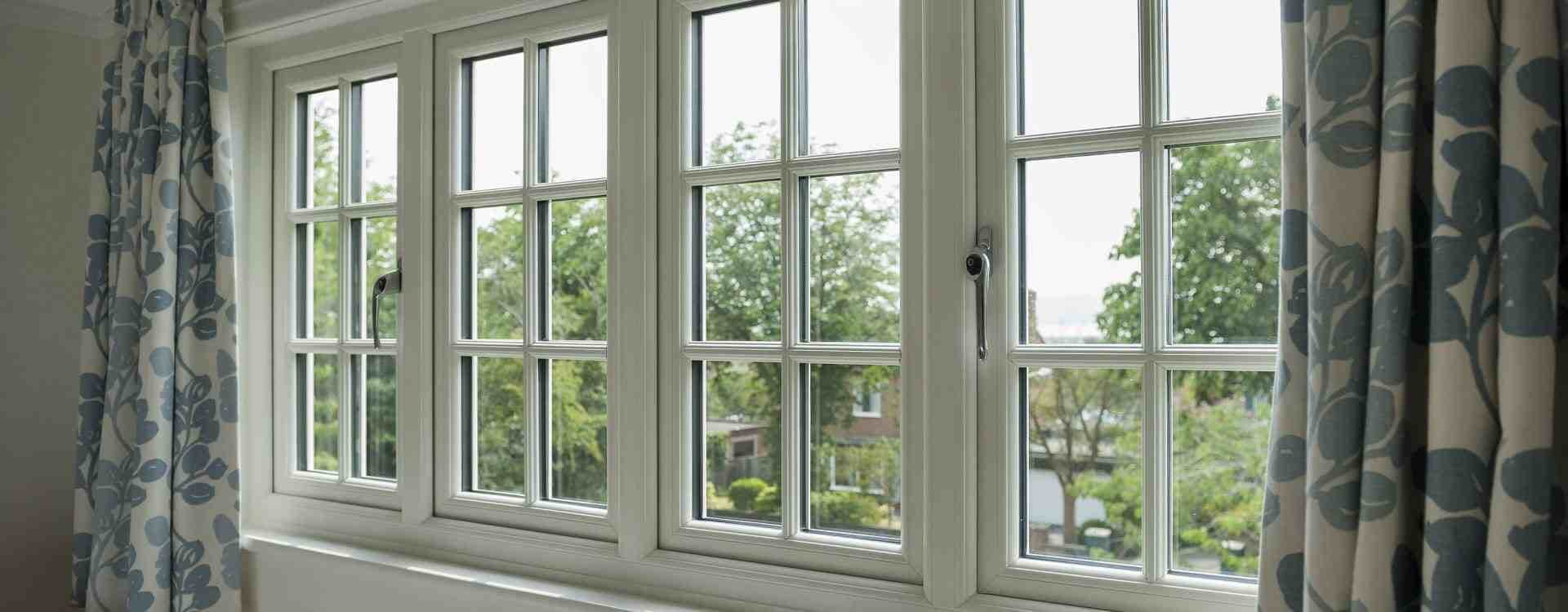
From energy savings to added security, double glazing offers a variety of benefits that make it a smart investment.
8 Energy-Efficient Window Options to Transform Your Home
Are you looking to enhance your home's energy efficiency while adding a touch of style and elegance? Investing in energy-efficient windows can not only reduce y...
Benefits of Choosing Double Glazed Glass Windows for Your Home
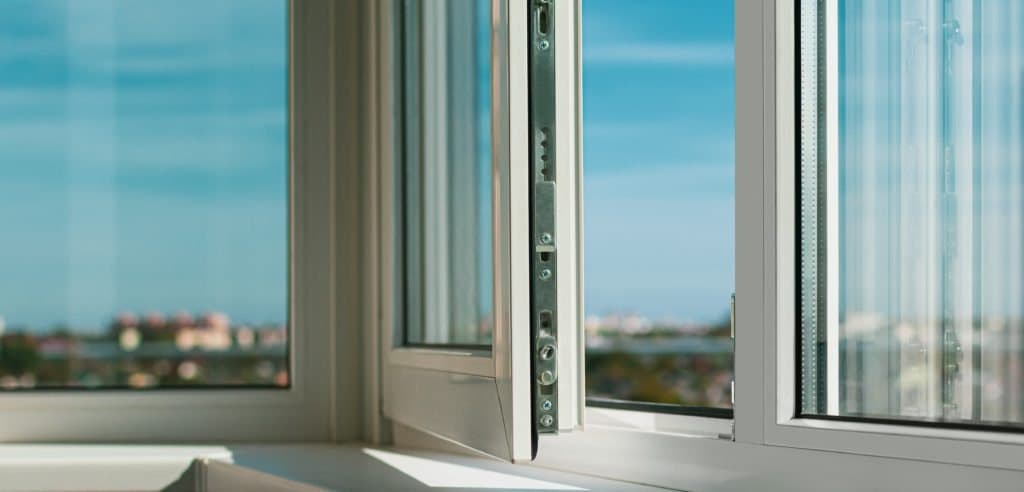
Double glazed sealed units consist of two glass panels separated by a spacer bar and filled with inert gas like Argon to enhance insulation.