.svg)


Sash Window Double Glazing: Retrofit Options, Costs & Slim-Profile Units (2026)
Table of Contents
Quick Answer
Sash window double glazing involves fitting sealed double-glazed units into sash window frames, either by replacing the entire window or retrofitting slim-profile units into existing timber frames. Retrofit double glazing for sash windows costs 400 to 800 per window, while full replacement costs 800 to 2,500. Slim-profile units as thin as 11mm allow installation without altering the original frame proportions.
Key Takeaways
- Slim-profile double glazing units, typically 12mm to 16mm thick, are designed specifically for sash windows to maintain the traditional appearance.
- Standard double glazing can reduce noise by around 30 decibels, making a noticeable difference for homes near busy roads, railways.
- This is a popular option for UK homeowners who want to improve energy efficiency and reduce noise without losing the.
- The energy savings alone can recoup the cost over time, and the improvement in comfort and property value makes it.
- For conservation areas, vacuum-sealed units as thin as 6mm are available.
When it comes to upgrading windows in period properties or traditional homes, box sash windows offer aesthetic and functional advantages, making them the perfect solution to keep the traditional look while increasing energy efficiency and ease of maintenance.
Whether you’re looking to double glaze timber sash windows, uPVC sash windows, or replace old windows altogether, this guide will take you through the benefits, costs, and key considerations.
What are Sash Windows?
Definition and History
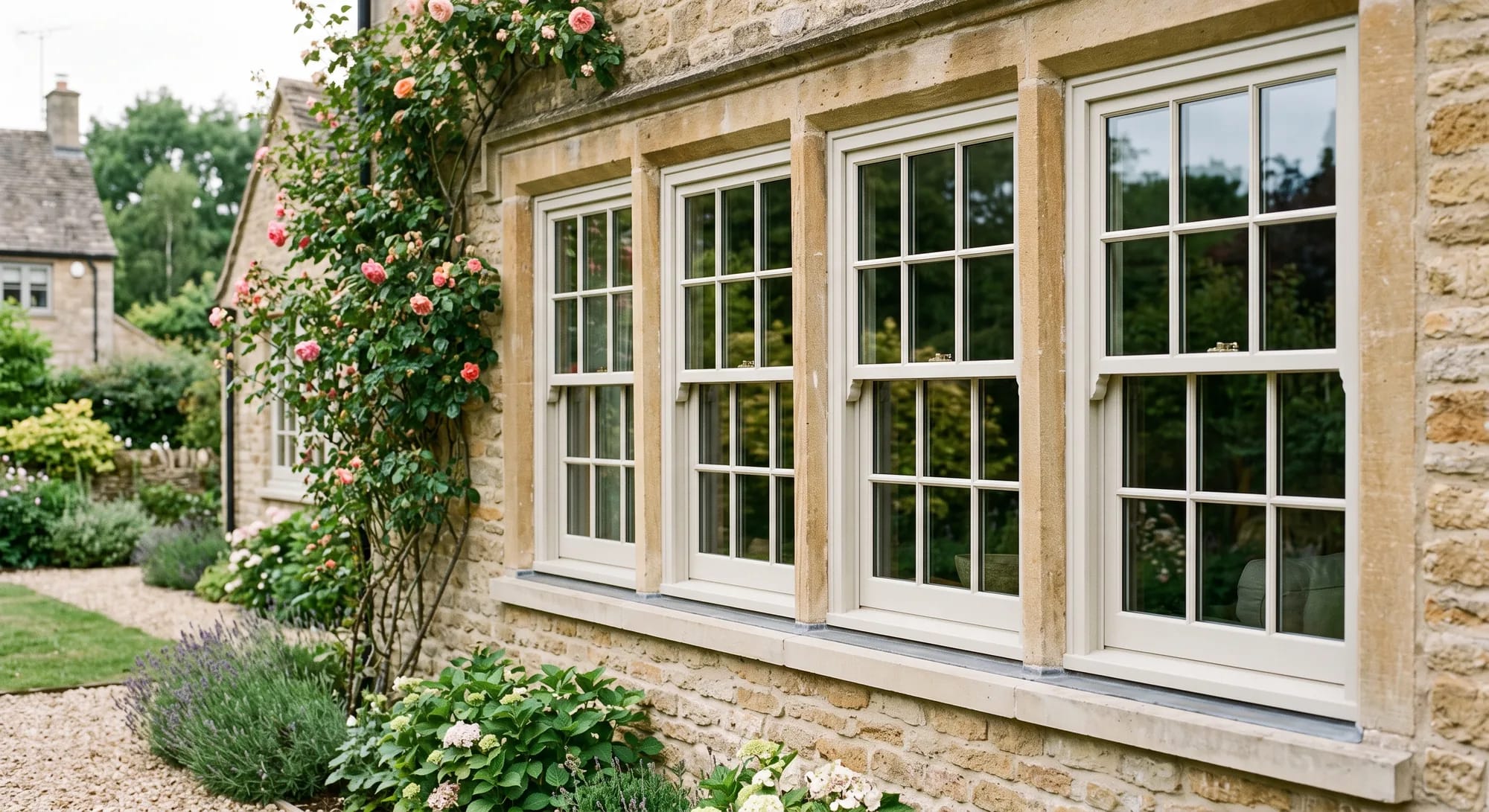
Sash windows are a classic window style that features two glazed panels, known as sashes, which slide vertically within a frame. These windows are often found in period properties and traditional homes, adding a touch of elegance and historical charm. Originating in the 17th century, sash windows were initially designed to improve ventilation and allow more natural light into homes.
Over the centuries, they have evolved to incorporate modern materials like uPVC and advanced technologies such as double glazing, enhancing their energy efficiency and overall performance. Whether crafted from timber or uPVC, sash windows remain a popular choice for homeowners looking to blend traditional aesthetics with contemporary benefits.
Why Double Glazed Sash Windows?
Double glazing involves two panes of glass separated by an insulation barrier to reduce heat transfer and improve thermal performance. The use of slim-profile double-glazing units for sash windows is perfect as it increases energy efficiency, reduces external noise, and adds modern functionality whilst keeping the classic look.
Benefits:
- Energy Efficiency: Double-glazed units reduce heat loss so your home is warmer in winter and cooler in summer.
- Noise Reduction: Two panes of glass provide sound insulation so your home is quieter.
- Durability: Toughened or laminated glass increases lifespan.
- Condensation Reduction: Double glazing reduces moisture build-up on window panes.
- Preserves Period Features: Keep the charm of traditional sash windows with a modern twist.
See more aboutuPVC sash windowsto keep the classic looks with low maintenance benefits.
Double Glazed Sash Windows
Timber Sash Windows
Timber sash windows are perfect for listed buildings and conservation areas. They keep the authenticity of traditional wooden sash windows with modern double glazing for better thermal performance. These windows often have deep bottom rails and Georgian bars for the classic look.
Learn more abouttimber sash windowshere.
Sliding Sash Windows
uPVC sash windows are a cost-effective, low-maintenance solution for homeowners. These windows feature safety enhancements like travel restrictors to limit the window's opening and robust locking systems to ensure security and prevent unauthorised access. With multi-chambered frames, these windows have excellent insulation properties and a modern look. uPVC sliding sash windows are popular in modern builds looking for a traditional style.
Check out ourSliding Sash windowsfor more details.
Alu-Clad Sash Windows
Aluminium clad timber windowscombine the look of wood with the durability of aluminium. These composite windows have an aluminium exterior for weather resistance and a timber frame for warmth and charm.
Read aboutalu-clad timber windowsin our composite window guide.
Retrofitting Double Glazing to Existing Sash Windows
Can Existing Windows be Double-Glazed?
Absolutely, existing sash windows can be retrofitted with double glazing. This process involves replacing the original single-glazed sashes with new double-glazed units, significantly boosting the windows’ energy efficiency and performance.
Retrofitting is an excellent option for homeowners who wish to maintain the original character and charm of their sash windows while enjoying the modern benefits of reduced heat loss and lower energy bills.
By upgrading to double glazing, you can enhance the comfort of your home without compromising its historical integrity.
Double Glazing Sash Windows Cost
The cost of double glazing sash windows depends on the material, size, and style. On average:
- uPVC sash windows: £400 - £600 per window
- Timber sash windows: £900 - £1,200 per window
- Aluminium-clad windows: £1,200 - £1,800 per window
Verticalsliding sash windowsoffer cost benefits due to their low maintenance and energy efficiency, making them a smart investment for homeowners.
Seecasement windowsfor alternative pricing.
Double Glazed Sash Window Material Comparison
Frequently Asked Questions about Sash Window Double Glazing
Can sash windows be double glazed?
Yes, sash windows can be double glazed. This involves installing new double-glazed units into existing frames or replacing the sashes entirely. It's advisable to consult with a specialist to ensure compatibility and maintain the window's integrity.
How much does it cost to double glaze a sash window?
The cost to double glaze a sash window ranges from £500 to £1,800 per window, depending on materials, size, and design. uPVC options are generally more affordable, while timber and aluminium-clad versions are more expensive.
How do you stop condensation on sash windows?
To reduce condensation:
- Improve Ventilation: Use trickle vents or open windows to allow moist air to escape.
- Use Dehumidifiers: These devices reduce indoor humidity levels.
- Upgrade to Double Glazing: Double-glazed windows have warmer internal surfaces, reducing condensation.
Should you wipe condensation off windows?
Yes, wiping condensation off windows is recommended to prevent moisture damage and mould growth. Use a dry cloth or squeegee to remove excess moisture, and ensure the area is well-ventilated to aid drying.
How do you insulate sash windows for winter?
To insulate sash windows:
- Install Draught Proofing: Seal gaps around the window frame.
- Use Heavy Curtains or Thermal Blinds: These add insulation.
- Apply Secondary Glazing: An additional pane installed internally improves insulation.
Frequently Asked Questions
Yes, you can retrofit double glazing into existing sash windows. The process involves replacing the original single-glazed sashes with new double-glazed units while retaining the existing frame. Slim-profile double glazing units, typically 12mm to 16mm thick, are designed specifically for sash windows to maintain the traditional appearance. This is a popular option for UK homeowners who want to improve energy efficiency and reduce noise without losing the character of their period property.
The cost of double glazing sash windows in the UK varies by material and size. uPVC double glazed sash windows typically cost between £400 and £600 per window, timber versions range from £900 to £1,200, and aluminium-clad options cost between £1,200 and £1,800. Retrofitting double glazing into existing frames is often more affordable than full replacement. Prices also depend on window size, glazing specification, and whether any frame repairs are needed.
Double glazing sash windows is well worth the investment for most UK homeowners. Benefits include up to 50% reduction in heat loss, lower energy bills, improved sound insulation, reduced condensation, and enhanced security. For period properties, double glazed sash windows preserve the traditional aesthetic while delivering modern performance. The energy savings alone can recoup the cost over time, and the improvement in comfort and property value makes it a sound long-term investment.
The best double glazing for sash windows uses slim-profile sealed units with Low-E coated glass and argon gas filling. This combination maximises thermal performance while keeping the unit thin enough to fit within traditional sash frames. For conservation areas, vacuum-sealed units as thin as 6mm are available. Timber frames with double glazing offer the most authentic look, while uPVC provides a lower-maintenance alternative. The choice depends on your property type, budget, and planning requirements.
Yes, double glazed sash windows significantly reduce external noise compared to single glazed versions. Standard double glazing can reduce noise by around 30 decibels, making a noticeable difference for homes near busy roads, railways, or flight paths. For even greater sound reduction, acoustic laminated glass or triple glazing can be specified. Combined with proper draught-proofing and well-sealed frames, double glazed sash windows create a much quieter and more comfortable living environment.
Planning permission for double glazed sash windows in UK conservation areas depends on your local authority. Many councils now accept slim-profile double glazing in timber sash windows, provided the sight lines, proportions, and detailing match the originals. Some authorities still require single glazing for listed buildings. It is advisable to contact your local planning department before proceeding. Using like-for-like timber frames with authentic features such as sash horns and glazing bars improves the chance of approval.
Condensation on sash windows can be reduced by improving ventilation, using trickle vents, and running a dehumidifier in rooms with high moisture levels such as kitchens and bathrooms. Upgrading to double glazing is the most effective long-term solution, as the inner pane stays warmer, reducing the temperature difference that causes condensation. If condensation appears between the panes of double glazed units, the seal has likely failed and the unit will need replacing.
Related Posts
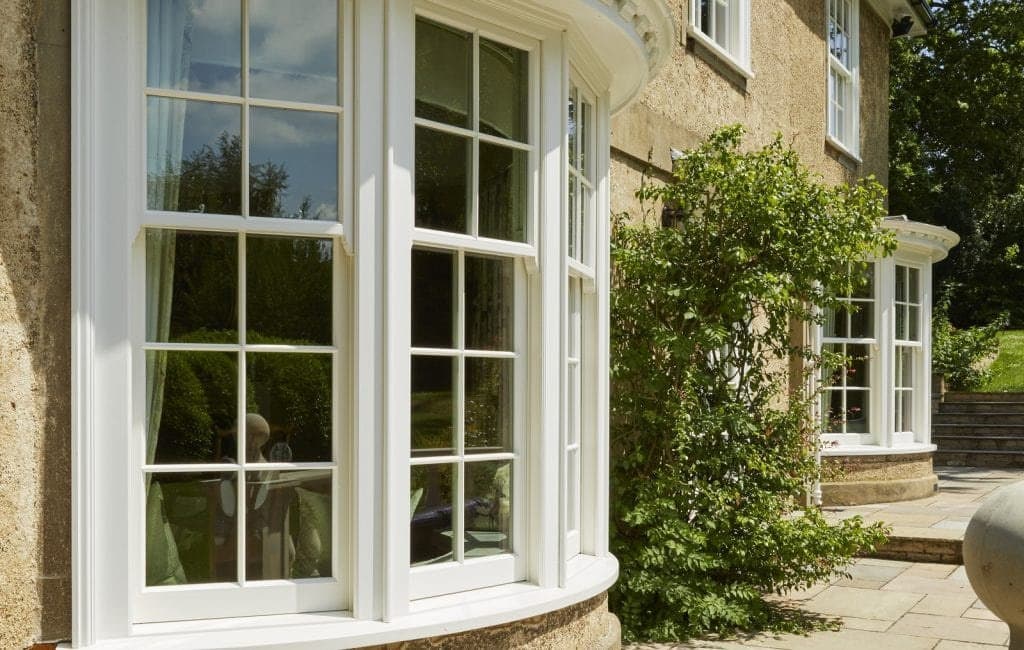
Are Sash Windows More Expensive? A Complete Guide to Sash Window Costs
Sash windows, celebrated for their classic elegance and historical charm, are often associated with period properties, but they've also become popular in modern...
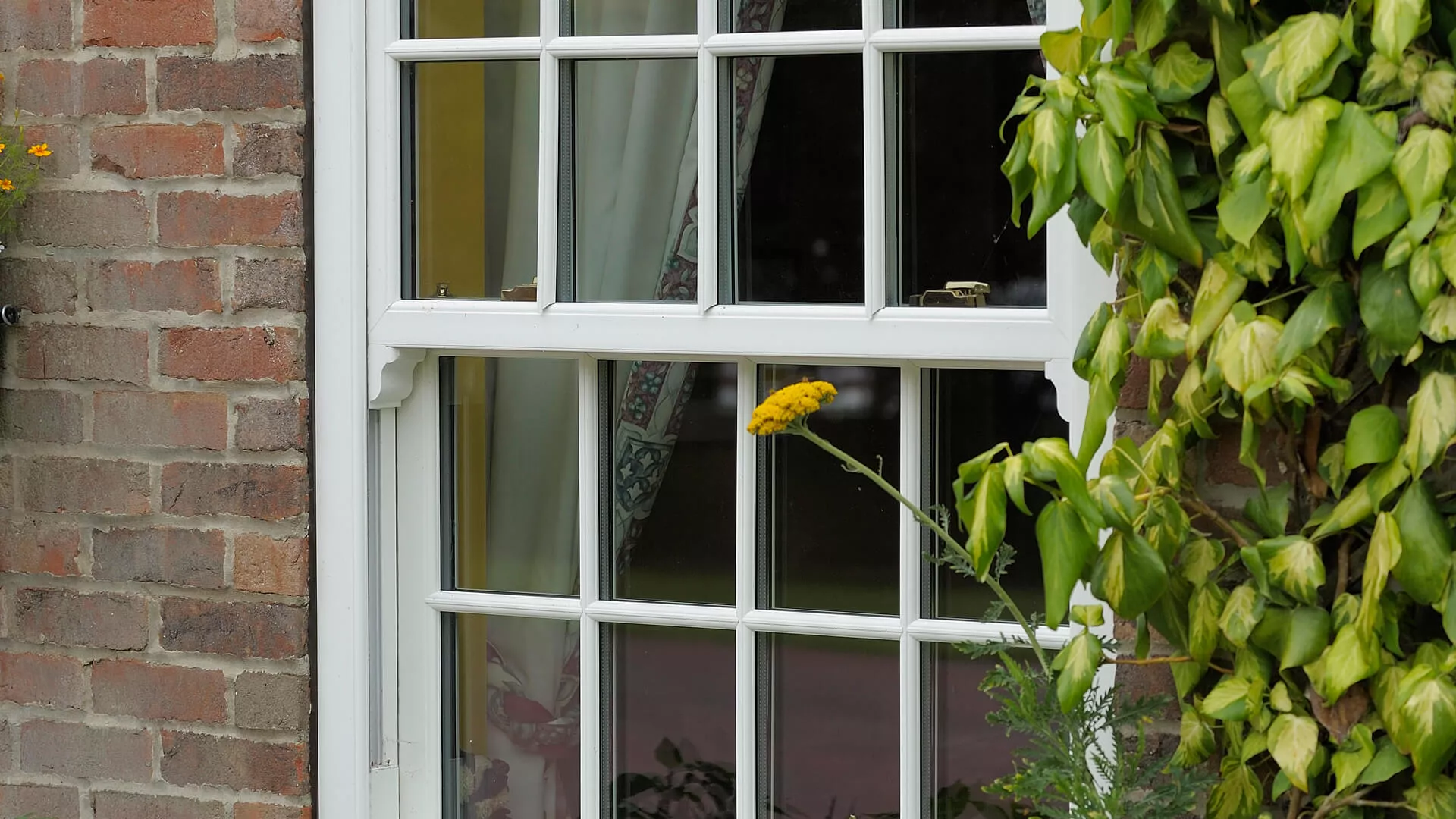
Sash Windows: The Complete UK Guide to Types, Mechanisms & Costs (2026)
Sash windows have been a hallmark of British architecture for centuries, gracing everything from grand Georgian townhouses to quaint country cottages. Renowned ...
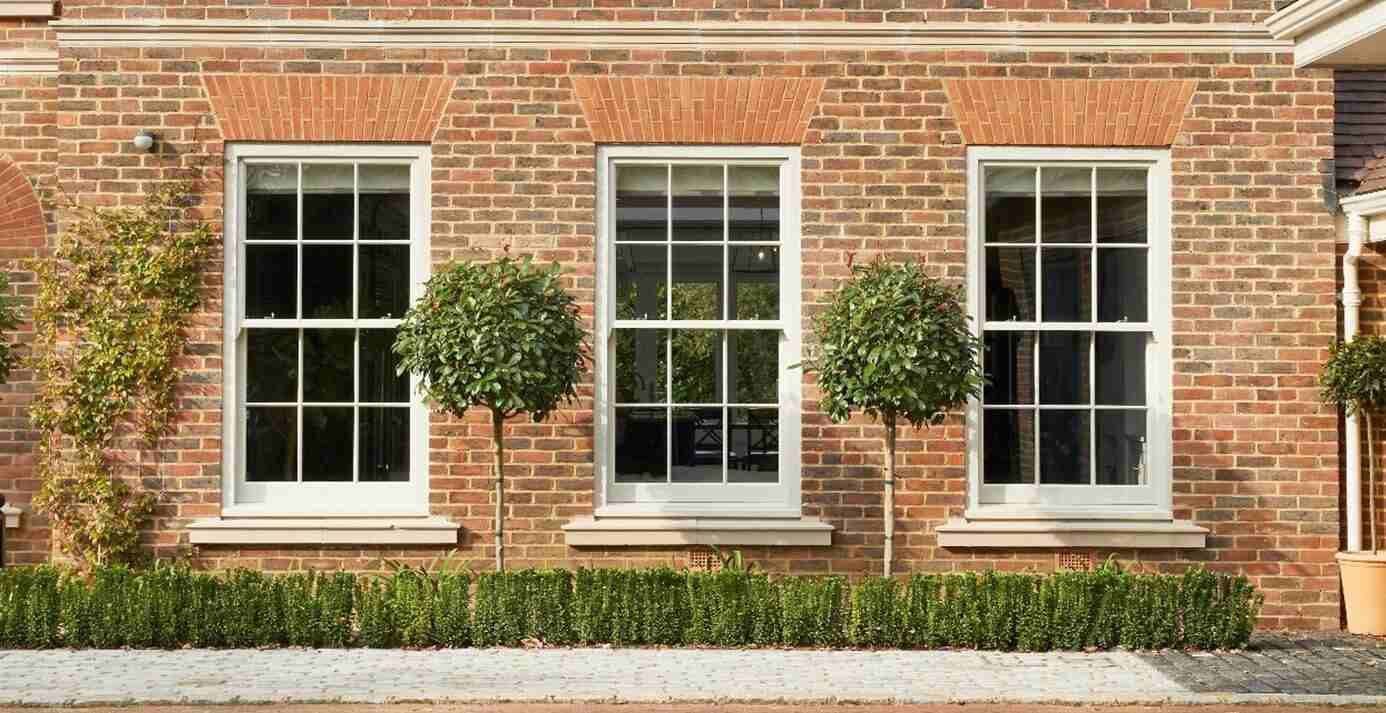
Georgian Style Windows: Patterns, Prices & Materials Guide (2026)
Georgian windowsare a timeless architectural feature that has been used in homes since the Georgian era. Known for their elegant design, these traditional Georg...