.svg)


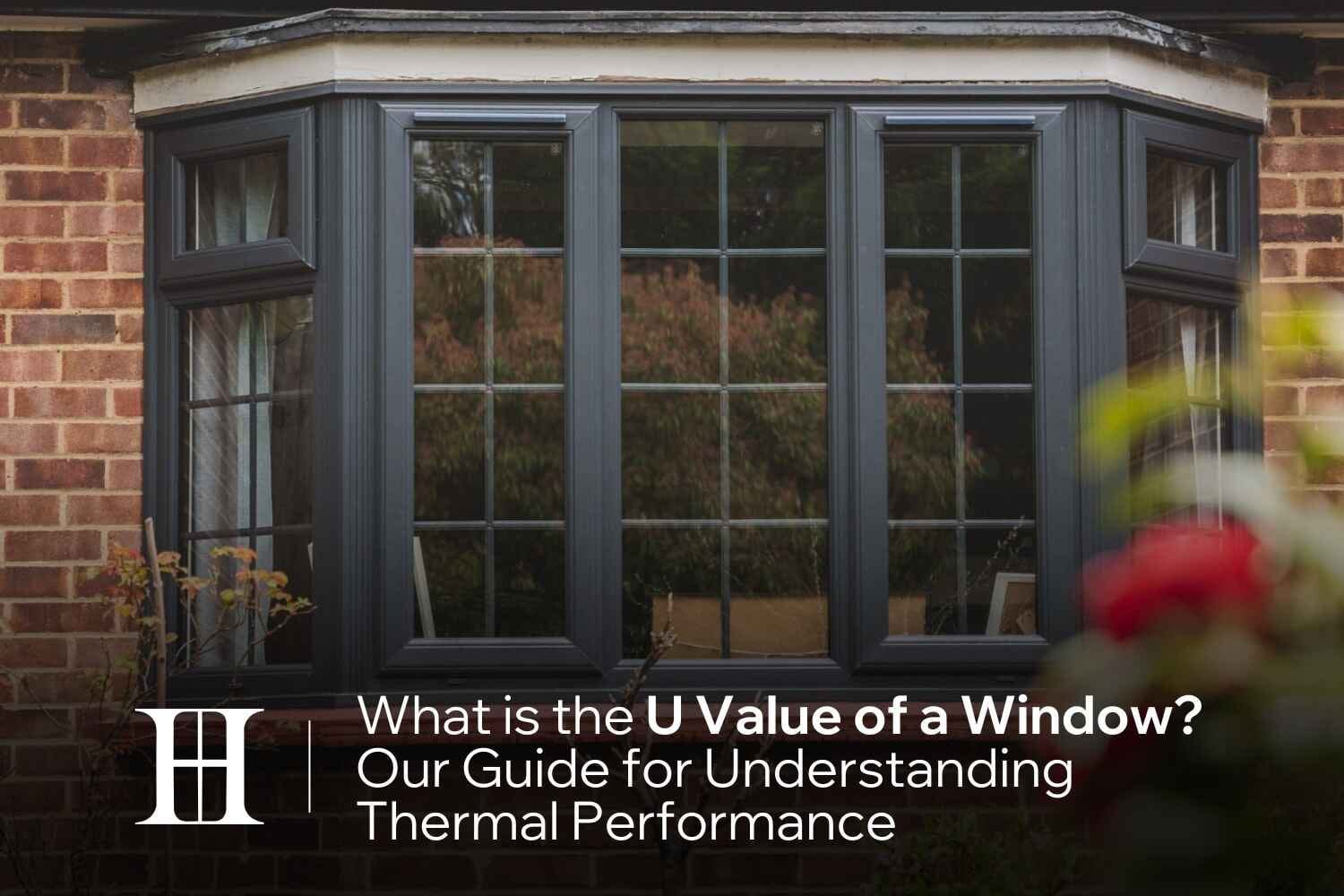

Window U-Values Explained: What They Mean, Building Regs & How to Improve
Table of Contents
Quick Answer
A window U-value measures heat transfer rate in watts per square metre per degree Kelvin (W/m2K). Lower U-values indicate better insulation. Single glazing has a U-value of about 5.0 W/m2K, standard double glazing 1.2 to 1.6, and triple glazing 0.8 to 1.0. UK Building Regulations require replacement windows to achieve a minimum U-value of 1.4 W/m2K or a Window Energy Rating of band C or above.
Key Takeaways
- For properties with single glazing, this upgrade typically pays for itself through energy savings within 8-12 years.
- When choosing replacement windows, aim for the lowest U-value that fits your budget.
- A window can have a moderate U-value but still achieve a high WER if it captures significant solar energy.
- Upgrading from single to double glazing is one of the most impactful energy efficiency improvements a homeowner can make.
- According to the Energy Saving Trust, upgrading from single glazing to A-rated double glazing in a typical semi-detached house can.
When considering replacement windows or upgrading to energy-efficient windows, understanding the U-value of different building components is critical.
The U-value measures how effectively a window prevents heat transfer, influencing energy bills, comfort, and environmental impact.
This guide will provide an in-depth look at U-values for windows, their importance, and how they contribute to energy efficiency.
What is a U-Value for Windows?
The U-value, also known as thermal transmittance, quantifies the rate of heat transfer through a window. A lower U-value indicates better insulation and less heat loss, contributing to a more energy-efficient home. This metric is crucial in reducing energy consumption and maintaining a comfortable indoor environment, especially in colder climates.
Window U Value Calculator(Free Tool)
Why Are U-Values Important for Energy Efficiency?
Reducing Heat Loss
Windows with low U-values minimise heat loss, keeping homes warm in winter and reducing heating costs. Double glazed windows typically achieve U-values of 1.2-1.4 W/m²K, while triple glazed windows can go as low as 0.8 W/m²K.
Enhancing Comfort
A good U-value ensures a consistent temperature difference, eliminating cold spots near windows. This contributes to a comfortable indoor environment throughout the year.
Meeting Building Regulations
In the UK, building regulations require minimum U-value standards for windows in new and existing dwellings. Currently, the minimum U-value for windows is 1.6 W/m²K for new builds, but opting for lower U-values helps enhance energy efficiency and supports sustainability in construction practices.
Factors Influencing U-Values
Frame Materials
The choice of frame material significantly impacts a window’s U-value:
- uPVC Windows: Known for low thermal conductivity, uPVC windows typically achieve U-values of 1.2-1.4 W/m²K.
- Timber Windows: Provide natural insulation, resulting in U-values around 1.4-1.6 W/m²K.
- Aluminium Windows: Require thermally broken frames to achieve competitive U-values, often around 1.6 W/m²K.
Glass Panes and Spacer Bars
- Double Glazing: Features two glass panes separated by a spacer bar, achieving U-values of 1.2-1.4 W/m²K. Single glazed windows, on the other hand, have high U-values indicating poor insulation and energy performance.
- Triple Glazing: Incorporates an additional pane, reducing U-values to 0.8-1.0 W/m²K.
What Are the Benefits of Low U-Value Windows?
Lower Energy Bills
By reducing heat loss, windows with low U-values lower heating requirements, translating to significant energy bill savings.
Improved Thermal Efficiency
Efficient windows contribute to better insulation, less heat transfer, and reduced carbon footprint.
Enhanced Property Value
Homes with energy-efficient windows are more attractive to buyers, making them a worthwhile investment.
How to Choose the Right U-Value for Your Home
- Consider Your Climate: Homes in colder regions benefit from windows with U-values below 1.2 W/m²K.
- Check Building Regulations: Ensure your choice complies with or exceeds the minimum U-value requirements.
- Balance Cost and Performance: While triple glazed windows offer the lowest U-values, double glazed windows often provide a good balance of cost and thermal performance.
Comparison of Window Types and U-Values
Frequently Asked Questions About U-Values
What is a normal U-value for a window?
A typical U-value for a modern window ranges from 1.2 to 1.6 W/m²K, depending on materials and glazing.
Is 1.4 a good U-value for windows?
Yes, a U-value of 1.4 W/m²K is considered energy-efficient and meets UK building regulations for most residential properties.
What is the U-value of a triple glazed window?
Triple glazed windows typically achieve U-values between 0.8 and 1.0 W/m²K, offering superior insulation compared to double glazing.
How do U-values affect energy efficiency?
Lower U-values reduce heat loss and energy consumption, resulting in lower heating bills and a smaller carbon footprint.
What is the U-value of UPVC frames?
uPVC frames typically achieve U-values of 1.2 to 1.4 W/m²K, making them an energy-efficient choice for modern homes.
Frequently Asked Questions
Under current UK Building Regulations (Part L), replacement windows in existing dwellings must achieve a maximum U-value of 1.6 W/m2K or a minimum Window Energy Rating of band C. For new build properties, the requirements are typically more stringent, with U-values of 1.4 W/m2K or lower generally expected. In Scotland, the regulations require a maximum U-value of 1.6 W/m2K for replacement windows and 1.2 W/m2K for new builds. These standards are periodically updated to drive improvements in energy efficiency, so it is always advisable to check the latest regulations with your installer.
U-value and Window Energy Rating (WER) are both measures of window energy performance, but they work differently. The U-value measures only the rate of heat loss through the window, expressed in W/m2K, where lower numbers indicate better insulation. The WER takes a more holistic approach, factoring in heat loss (U-value), solar heat gain through the glass, and air leakage. WER is expressed on a scale from G (worst) to A++ (best). A window can have a moderate U-value but still achieve a high WER if it captures significant solar energy. Both metrics are accepted for Building Regulations compliance in the UK.
Triple glazing offers a measurable improvement in U-value over double glazing, typically achieving 0.8-1.0 W/m2K compared to 1.2-1.4 W/m2K for double glazing. Whether this improvement is worth the additional cost depends on your circumstances. Triple glazing adds approximately 15-25% to the window cost. It is most worthwhile for properties in exposed or northern locations, north-facing windows, and bedrooms where improved sound insulation is also valued. For most UK homes, high-performance double glazing with a low-emissivity coating and argon gas fill provides excellent value and meets Building Regulations comfortably.
Single glazed windows have a U-value of approximately 5.0-5.8 W/m2K, which is very poor by modern standards. This means they allow heat to escape roughly four times faster than standard double-glazed windows (1.2-1.4 W/m2K) and six times faster than triple-glazed windows (0.8-1.0 W/m2K). Upgrading from single to double glazing is one of the most impactful energy efficiency improvements a homeowner can make, potentially reducing heat loss through windows by around 75%. For properties with single glazing, this upgrade typically pays for itself through energy savings within 8-12 years.
Low-emissivity (low-E) glass has a microscopically thin metallic coating that reflects heat back into the room while still allowing sunlight to pass through. This coating significantly improves a window's U-value. A standard double-glazed unit without low-E coating might achieve a U-value of around 2.8 W/m2K, while the same unit with low-E glass typically achieves 1.2-1.4 W/m2K. When combined with argon gas fill between the panes, U-values can be further reduced to around 1.0-1.2 W/m2K. Low-E glass is now standard in most quality double and triple glazed windows sold in the UK.
Yes, the frame material has a significant impact on the overall window U-value. uPVC frames offer good thermal performance with multi-chambered profiles, contributing to overall window U-values of 1.2-1.4 W/m2K. Timber frames provide natural insulation, achieving similar or slightly higher U-values of 1.4-1.6 W/m2K. Aluminium is naturally conductive, but modern thermally broken aluminium frames use an insulating polyamide strip to interrupt heat transfer, achieving U-values of around 1.5-1.6 W/m2K. The frame typically accounts for 20-30% of the total window area, so its thermal performance matters.
A good U-value for replacement windows in the UK is 1.4 W/m2K or lower. This comfortably exceeds the Building Regulations minimum requirement of 1.6 W/m2K and provides a meaningful improvement in energy efficiency for most homes. Premium double-glazed windows can achieve U-values of 1.0-1.2 W/m2K, while triple-glazed units can reach 0.8 W/m2K. When choosing replacement windows, aim for the lowest U-value that fits your budget, as even small improvements in U-value translate to measurable energy savings over the 20-30 year lifespan of the windows.
The savings from installing low U-value windows depend on what you are replacing and the size of your home. According to the Energy Saving Trust, upgrading from single glazing to A-rated double glazing in a typical semi-detached house can save around £175-£235 per year on energy bills. Replacing older double glazing (U-value around 2.8 W/m2K) with modern units (U-value 1.2 W/m2K) can save approximately £75-£110 per year. Over the 20-30 year lifespan of the windows, these savings are substantial. Additionally, improved energy efficiency can boost your EPC rating, potentially increasing your property's value.
Related Posts
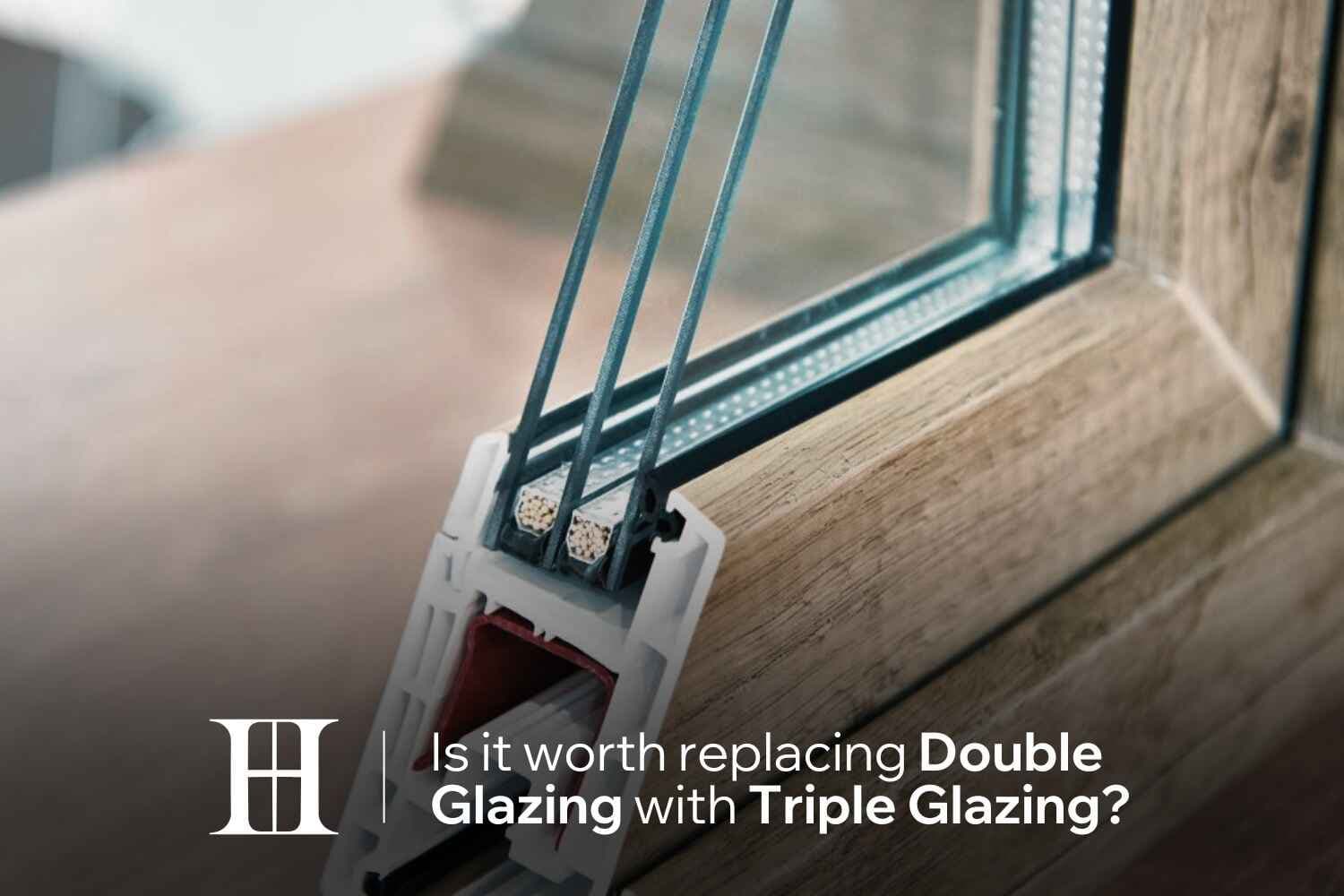
Is it worth replacing Double Glazing with Triple Glazing?
When looking to upgrade yourhome’s windows, you might feel overwhelmed by the options on the market. Among these, triple glazing has become a popular choice, pr...
Sash Window Double Glazing: Retrofit Options, Costs & Slim-Profile Units (2026)
When it comes to upgrading windows in period properties or traditional homes, box sash windows offer aesthetic and functional advantages, making them the perfec...
10 Benefits of Double Glazing Windows
From energy savings to added security, double glazing offers a variety of benefits that make it a smart investment.