.svg)


Your Complete Guide to Windows for Every Home
Table of Contents
Quick Answer
UK homeowners can choose from four main window materials: uPVC (250 to 800, low maintenance, 20-30 year lifespan), aluminium (650 to 1,500, slim profiles, 40-50 years), timber (750 to 2,800, traditional aesthetics, 50+ years), and composite (1,000 to 2,500, combined benefits, 40-60 years). The best choice depends on your property style, budget, maintenance preferences, and whether you live in a conservation area.
Key Takeaways
- If your windows are over 20 years old and showing any of these symptoms.
- Rising energy bills despite no change in usage can indicate poor window insulation.
- Modern multi-chambered uPVC profiles also achieve high thermal performance at a lower cost.
- New windows can add significant value to a UK property.
- Quality replacement windows typically increase a home's value by 5 to 10%.
Key Takeaways
- 🪟 Choosing windowsimpacts aesthetics and home value
- 💡 Energy-efficientwindows can lower energy costs
- 🔧 Proper installationprevents drafts and window damage
- 🏗️ Replacing windowsimproves comfort and security
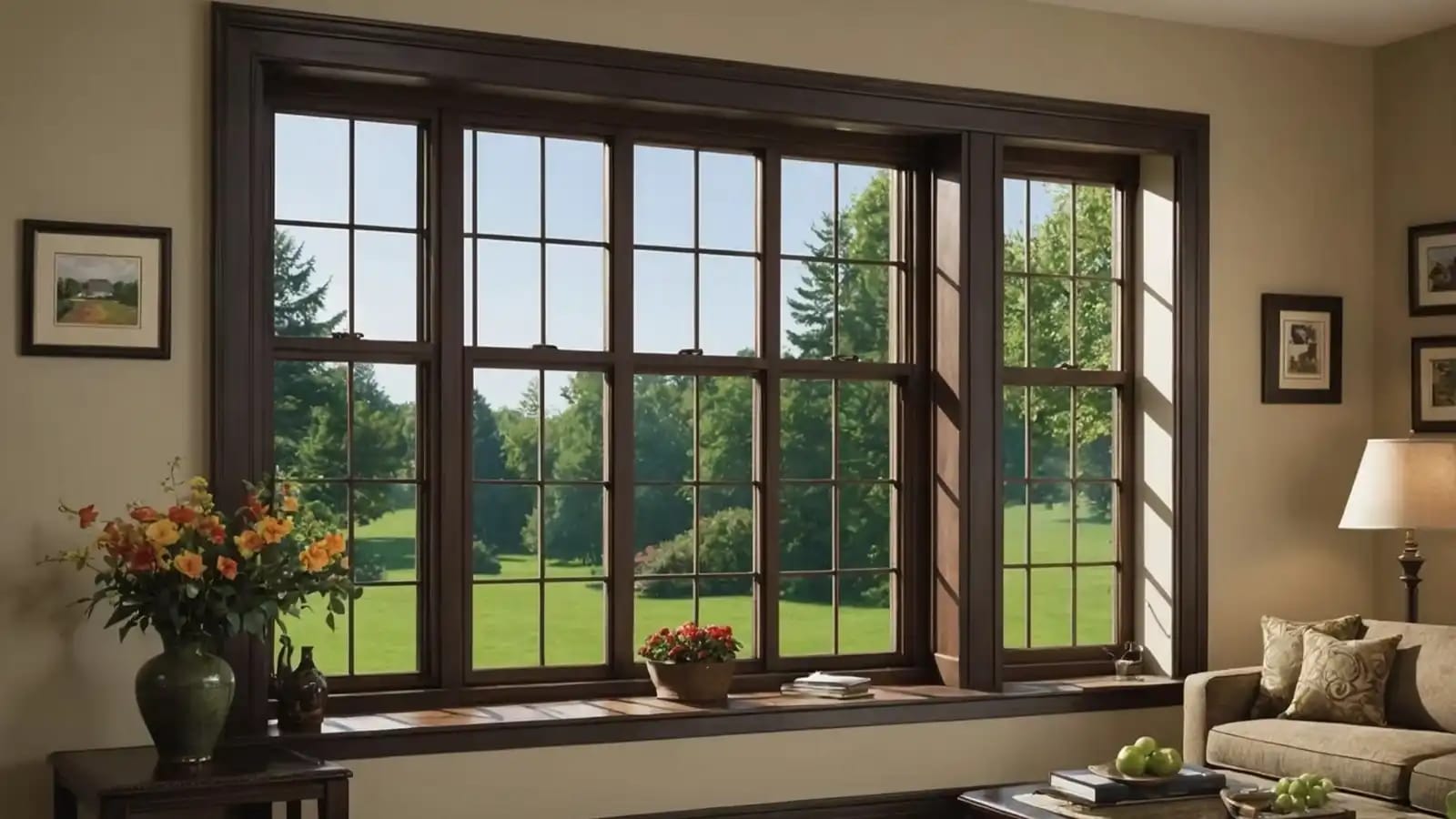
Windows are an essential part of any home, playing a vital role in ventilation, natural light, and energy efficiency. Choosing the right windows can enhance your home's aesthetic, improve comfort, and even increase property value. This guide explores everything homeowners need to know about windows, from types and materials to installation, energy efficiency, and beyond.
Introduction to House Windows
House windows aren't just functional; they play a significant role in defining your home's style. Well-chosen windows improve indoor air quality through proper ventilation, increase natural light, and help regulate indoor temperatures. They also contribute to energy efficiency, reducing heating and cooling costs. Furthermore, the aesthetic appeal of windows can enhance your home's curb appeal and overall market value, making them an important consideration for every homeowner.
What Are the Different Types of House Windows?
Choosing the right window type is crucial for both functionality and style. Here are the most popular types of house windows:
- Single-Hung Windows: Only the bottom sash moves, making these windows an affordable and classic choice.
- Double-Hung Windows: Both the top and bottom sashes move, allowing for better ventilation and easier cleaning.
- Casement Windows: These windows are hinged at the side and open outward, ideal for maximum airflow and energy efficiency.
- Picture Windows: Large, fixed windows that provide expansive views and allow plenty of natural light but don’t open.
- Slider Windows: These windows open horizontally, offering ease of use and a modern look.
- Bay Windows: A combination of three or more windows that project outward from the house, creating a spacious feel and enhancing the exterior look.
- Bow Windows: Similar to bay windows but with a rounded appearance, bow windows are composed of four or more windows in a curved arrangement.
- Skylight Windows: Installed in the roof, skylights offer natural light in spaces where traditional windows aren’t feasible.
Window Materials
The material you choose for your windows affects durability, maintenance, and energy efficiency. Here’s a comparison of the most common materials:
- Wood Windows: Known for their traditional aesthetic and excellent insulation, wood windows require regular maintenance to prevent rot and warping. Best for homes that want a classic, high-end look.
- Vinyl Windows: Affordable, low-maintenance, and energy-efficient, vinyl windows are resistant to moisture but may not provide the same visual appeal as wood.
- Fiberglass Windows: Durable and low-maintenance, fiberglass windows are energy-efficient and can mimic the appearance of wood. They are more expensive but offer great longevity.
- Aluminum Windows: Lightweight and strong, aluminum windows are ideal for modern homes but are less energy-efficient due to high heat conductivity.
Each material has its own strengths, and the best choice depends on your climate, budget, and aesthetic preferences.
Window Styles and Designs
The design and style of your windows play a key role in your home's architectural integrity and resale value. Some of the most popular styles include:
- Colonial Style Windows: Characterized by small panes of glass divided by muntins, giving a traditional look.
- Modern Windows: Clean lines, large panes of glass, and minimalistic frames make modern windows a popular choice for contemporary homes.
- Traditional Windows: Classic designs that blend well with older homes or homes that want to retain a timeless feel.
- Custom Windows: Tailored to specific needs and preferences, custom windows can combine various elements for unique shapes, sizes, and styles.
Selecting the right window style ensures a cohesive look and can dramatically enhance both the interior and exterior of your home.
Window Installation and Maintenance
Proper window installation is critical for ensuring your windows function correctly and provide maximum energy efficiency. Professional installation helps prevent drafts, leaks, and operational issues down the line.
How Do You Maintain Your Windows?
- Regularly check for cracks, gaps, or any damage in the frame.
- Clean window panes with a glass cleaner to prevent buildup.
- Repaint or reseal wooden windows every few years to avoid moisture damage.
- Check seals on energy-efficient windows to ensure optimal performance.
Upgrading to modern, energy-efficient windows can also reduce maintenance needs and save on long-term energy costs.
Energy Efficiency and Sustainability
Energy-efficient windows can make a significant impact on your home’s energy consumption. Look for windows withEnergy Starratings, which indicate they meet high energy efficiency standards. Some eco-friendly window options include:
- Low-E Glass: Reflects heat while letting light in, helping keep your home cooler in the summer and warmer in the winter.
- Double or Triple Glazing: Insulates your home better than single-pane windows by trapping air between layers of glass, reducing heat loss.
- Argon or Krypton Gas Fills: These gases between panes provide superior insulation, reducing heat transfer.
Government rebates are often available for energy-efficient window installations, helping you save even more on upgrades.
Window Replacement Guide
Knowing when to replace your windows can prevent higher costs in the future. Signs you need new windows include drafts, condensation between panes, difficulty opening or closing windows, and increasing energy bills.
Cost Considerations:
- Window Replacement Cost: Varies based on window type, material, and installation method, with professional installation generally offering better longevity and performance.
- DIY vs. Professional Installation: While DIY window replacement might save money upfront, professional installation ensures proper fitting, insulation, and long-term performance.
Finding a reliable contractor can make the replacement process smoother and ensure you get the most value for your investment.
Popular Window Brands and Manufacturers
When choosing windows, it’s important to consider trusted brands known for quality and durability. Some top window brands include:
- Harrington Windows:Premium yet affordable, extremely energy efficient & stylish
- Anderson Windows: Known for energy efficiency and customisable designs.
- Pella Windows: Offers a wide range of styles and materials, including wood, vinyl, and fiberglass.
- Marvin Windows: High-end windows with a focus on custom designs and energy efficiency.
- Jeld-Wen Windows: Offers affordable, reliable windows in various styles and materials.
Each brand has its strengths, and the right choice depends on your specific needs and budget.
Window Treatments and Accessories
Window treatments and accessories not only enhance the appearance of your windows but can also improve functionality. Popular options include:
- Curtains and Drapes: Provide privacy and light control while adding to the room’s décor.
- Blinds and Shades: Offer a sleek, modern look with easy light control and insulation benefits.
- Window Film: Adds a layer of UV protection and privacy without obstructing views.
- Window Hardware: Handles, locks, and latches are small details that can make a big difference in both security and design.
Choosing the right treatments and accessories helps you get the most out of your windows in terms of style and practicality.
FAQs About House Windows
How do I measure windows for replacement?
Measure the width and height from the inside of the window frame for accurate sizing.
What are the best practices for cleaning windows?
Use a mixture of water and mild soap or a glass cleaner, and clean windows on a cloudy day to avoid streaks from sunlight.
What are common window problems?
Condensation between panes, drafts, and difficulty opening or closing are signs of worn-out windows.
How can I enhance window security?
Install window locks, use tempered or laminated glass, and consider window alarms for additional protection.
Frequently Asked Questions
The most popular window types in UK homes are casement windows, which are side-hinged and open outward, making them suitable for most property styles. Double-hung sash windows are widely used in Victorian and Georgian properties. Bay and bow windows remain popular for adding space and light to living areas. Tilt-and-turn windows are gaining popularity in modern homes and apartments for their versatile ventilation and easy cleaning. Fixed windows are used where maximum light is desired without the need for ventilation, such as in stairwells.
Several signs indicate your windows need replacing. Persistent draughts even when windows are closed suggest failing seals or warped frames. Condensation forming between the glass panes of double glazing means the sealed unit has failed. Difficulty opening, closing, or locking windows indicates frame damage or warping. Visible rot, cracks, or flaking paint on timber frames signals deterioration. Rising energy bills despite no change in usage can indicate poor window insulation. If your windows are over 20 years old and showing any of these symptoms, replacement is likely the most cost-effective solution.
For energy efficiency, timber and uPVC are the top-performing frame materials. Timber is a natural insulator with low thermal conductivity, making it excellent at preventing heat transfer. Modern multi-chambered uPVC profiles also achieve high thermal performance at a lower cost. The glazing has the greatest impact on energy efficiency; A-rated double glazing with Low-E coatings and argon gas fills is the minimum standard for UK Building Regulations. Triple glazing offers the best insulation performance, particularly for north-facing or exposed windows. The overall energy rating matters more than the frame material alone.
Replacement window costs in the UK vary by material and style. Standard uPVC casement windows cost £400 to £600 per window installed. Timber casement windows range from £800 to £1,200, and aluminium frames typically cost £600 to £900. Sash windows are more expensive at £600 to £1,500 depending on the material. Bay windows can cost £1,500 to £3,000 due to their size and structural requirements. For a typical three-bedroom home requiring 8 to 10 windows, budget between £4,000 and £12,000 depending on specifications.
Yes, new windows can add significant value to a UK property. Quality replacement windows typically increase a home's value by 5 to 10%, and the improvement in kerb appeal can make your property more attractive to buyers. An improved Energy Performance Certificate (EPC) rating from energy-efficient windows is increasingly important as UK regulations tighten around minimum EPC standards for rental and sale properties. New windows also signal to buyers that the home has been well maintained, reducing concerns about hidden maintenance costs.
Casement windows are hinged at the side, top, or bottom and open outward or inward on a hinge mechanism. They provide excellent ventilation, form a tight seal when closed, and are the most common window type in UK homes. Sash windows have two panels (sashes) that slide vertically past each other in a frame. They are traditional to Georgian, Victorian, and Edwardian architecture. Casement windows are generally more affordable and energy-efficient, while sash windows offer a period-appropriate aesthetic essential for heritage properties.
Double glazing is the standard choice for most UK homes and provides good thermal insulation, noise reduction, and security. It meets current Building Regulations and is the most cost-effective upgrade from single glazing. Triple glazing is best suited for north-facing windows, exposed or elevated locations, properties in northern regions with harsher winters, or homes near noise sources such as main roads or airports. Triple glazing costs 20 to 30% more but offers around 40% better thermal insulation. For most UK homes, A-rated double glazing provides the best balance of performance and value.
To improve window security in your UK home, choose windows with multi-point locking systems that engage at several points around the frame. Opt for toughened or laminated glass, which is much harder to break than standard glass. Ensure windows have internal beading so the glass cannot be removed from outside. Look for products with Secured by Design accreditation, a police-backed initiative certifying enhanced security. Fit key-operated window locks and consider window restrictors for upper floors. For ground-floor windows, anti-lift devices and shoot-bolt locks provide additional protection.
Related Posts
10 Benefits of Double Glazing Windows
From energy savings to added security, double glazing offers a variety of benefits that make it a smart investment.
8 Energy-Efficient Window Options to Transform Your Home
Are you looking to enhance your home's energy efficiency while adding a touch of style and elegance? Investing in energy-efficient windows can not only reduce y...

How to Measure Windows for Replacement: UK Step-by-Step Guide (with Diagrams)
Measuring your windows accurately is the first and most crucial step when planning a replacement project.