
.svg)

Cottage vs Casement Windows: Complete Style & Performance Guide
Our Verdict
Standard casement windows are the practical, versatile choice for the majority of UK homes, offering excellent performance, wide availability and competitive pricing from £300 per window. Cottage-style windows are the ideal choice for period cottages, rural properties and character homes where multi-pane charm, smaller proportions and traditional aesthetics are essential to maintaining architectural authenticity.
At a Glance
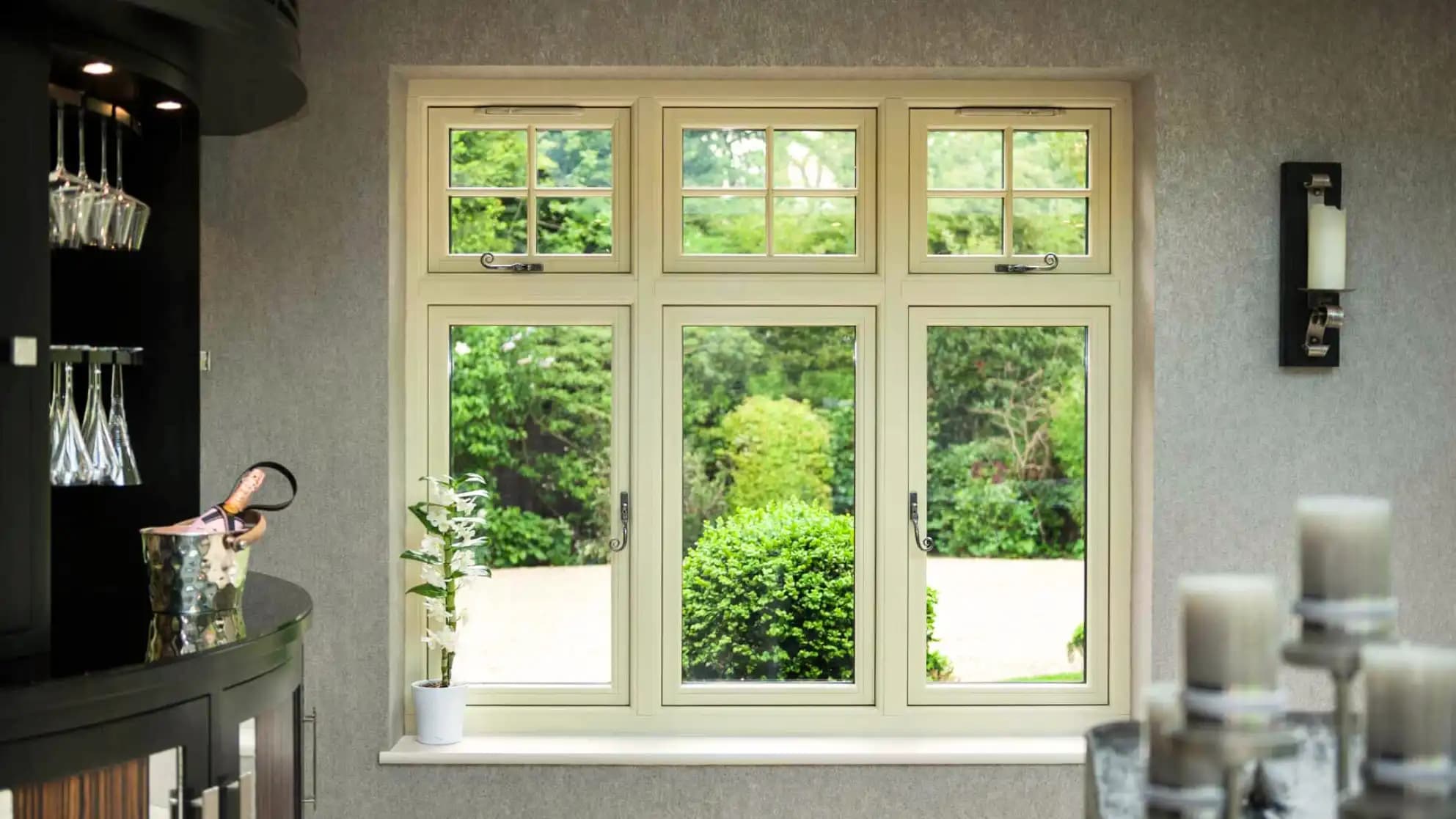
Cottage Windows
Key Specs
- Multi-pane design with glazing bars (typically 4, 6 or 8 panes)
- Smaller proportions suited to cottage-scale openings
- Available in timber, uPVC and aluminium
- Often features traditional ironmongery (stays, cockspur handles)
Casement Windows
Key Specs
- Single large pane per opening light
- Side-hung, top-hung or fixed configurations
- Available in uPVC, aluminium, timber and composite
- Multi-point locking and friction hinges standard
Detailed Comparison
| Feature | Cottage Windows | Casement Windows |
|---|---|---|
| Typical Cost (per window, installed) | £500-£1,500 | £300-£900 |
| Pane Configuration | Multi-pane (4, 6, 8 or more panes) | Single pane per opening light |
| Glazing Bars | Yes — through-bars or applied bars | None (or optional applied bars) |
| Typical Window Size | Smaller — 600-900mm wide | Standard — 600-1200mm wide |
| Period Authenticity | Excellent for pre-1900 cottages | Neutral — suits modern and period styles |
| Frame Material Options | Timber, uPVC, aluminium | uPVC, aluminium, timber, composite |
| Thermal Performance (double glazed) | U-value 1.4-1.6 W/m²K | U-value 1.2-1.4 W/m²K |
| Natural Light | Slightly reduced by glazing bars | Maximum — unobstructed glass area |
| Ventilation | Good — side-hung or top-hung openers | Excellent — large opening area |
| Ironmongery Style | Traditional stays, cockspur or monkey-tail handles | Modern espagnolette handles, friction stays |
| Conservation Area Suitability | Excellent — matches original cottage style | Variable — may need period detailing |
| Cleaning Ease | More effort — multiple small panes | Easy — large single panes |
| Noise Reduction | 25-30 dB (similar to standard) | 25-30 dB |
| Lead Time | 2-6 weeks (often bespoke) | 1-3 weeks (standard sizes available) |
Choose Cottage Windows If...
- Your property is a period cottage, farmhouse or rural building with small, character window openings
- You are in a conservation area or have a listed building that requires traditional multi-pane windows
- You value the visual charm of glazing bars and traditional ironmongery as essential to your home's character
- The window openings are smaller than modern standard sizes (under 900mm wide)
Choose Casement Windows If...
- Your property is a modern or post-war home with standard window openings
- You want maximum natural light and unobstructed views through large single panes
- Budget and availability are priorities — standard casements are cheaper and faster to supply
- You prefer clean, minimal lines with modern multi-point locking and friction-stay hinges
Cost Comparison
For a typical cottage with 8 windows, cottage-style timber windows with through-glazing bars and traditional ironmongery cost £8,000-£12,000 installed. The same property fitted with uPVC cottage-style windows with applied bars would cost £4,500-£7,000. Standard uPVC casement windows for the same openings would cost £2,800-£5,000 — a saving of 35-60% over timber cottage windows. However, for period properties, the value proposition extends beyond raw cost. Authentic cottage windows maintain the property's character and can protect or enhance its resale value. Estate agents report that period cottages with appropriate windows command a 5-15% premium over those with obviously modern replacements. On a £400,000 cottage, that premium represents £20,000-£60,000 of property value — dwarfing the extra cost of proper cottage windows.
Frequently Asked Questions
A cottage window is a specific style of casement window characterised by smaller proportions, multiple panes divided by glazing bars, and traditional ironmongery. All cottage windows are casement windows (they open on hinges), but not all casement windows are cottage-style. The term 'casement window' in modern usage usually refers to a single-pane design without glazing bars.
Yes, several manufacturers produce uPVC cottage-style windows with applied glazing bars, woodgrain foil finishes and traditional-look ironmongery. Prices range from £500-£800 per window. While not as authentic as timber, they offer a convincing cottage appearance with the low maintenance of uPVC. Some conservation areas accept them; others do not.
Slightly. Glazing bars typically reduce the glass area by 5-10%, which translates to a modest reduction in natural light. In practice, most homeowners do not notice the difference. The visual effect of the bars breaking up the glass can actually make a room feel more characterful and cosy rather than darker.
Traditional cottage window ironmongery includes peg stays (also called casement stays), cockspur handles or monkey-tail espagnolette handles, and pin hinges. Black or pewter finishes are most authentic for older cottages. For security, specify locking cockspur handles or espagnolette bolts with key-locking mechanisms. Avoid obviously modern chrome furniture on period cottages.
Cottage windows with through-glazing bars are slightly less thermally efficient than single-pane casements because the bars create additional thermal bridges. The difference is approximately 0.1-0.2 W/m²K in U-value. Cottage windows with applied bars (decorative strips on a single pane) match the thermal performance of standard casements because the sealed unit is identical.
Multi-pane cottage windows require more effort to clean due to the glazing bars. Each small pane must be cleaned individually, and the bars themselves accumulate dirt and cobwebs. Traditional squeegee methods work well, or use a small cloth and glass cleaner. If the windows open fully, cleaning both sides is manageable. For upper floors, consider windows that tilt inward or employ a window cleaner.
A flush casement sits flat within the window frame when closed, rather than overlapping the frame like a standard stormproof casement. Flush casements are the traditional construction method for cottage windows and are more authentic in appearance. Many modern window manufacturers now offer flush casement options in both uPVC and timber to meet demand for heritage-style windows.
Yes, applied glazing bars can be retrofitted to existing single-pane windows to create a cottage appearance. Kits are available for £30-£80 per window for DIY installation. While not as authentic as through-bars, they can significantly improve the period character of a property at minimal cost. Both internal and external bars should be fitted for a convincing effect.
Like-for-like replacements (matching the existing style, material and proportions) generally fall under permitted development. Changing from cottage-style to standard casement (or vice versa) may require planning permission in conservation areas. Listed buildings require Listed Building Consent for any window changes, including like-for-like replacements that use different materials.
Cottage windows are generally smaller than modern standard windows. Typical widths range from 600-900mm and heights from 800-1200mm, though this varies considerably depending on the age and style of the property. Some older cottages have very small windows (as little as 450mm wide) dictated by thick stone walls and limited historical glass sizes. Replacement windows are made to match the existing opening dimensions.
Need Help Choosing?
Our window specialists can help you choose the right windows for your property. Get a free, no-obligation consultation.