
.svg)

Traditional vs Modern Windows: Complete Style & Performance Comparison
Our Verdict
Modern uPVC and aluminium windows deliver superior thermal performance, lower maintenance and better value for most UK homeowners. Traditional timber sash windows remain the right choice for period properties, listed buildings and conservation areas where architectural authenticity is paramount. The best decision depends on your property type, planning constraints and whether you prioritise character or convenience.
At a Glance
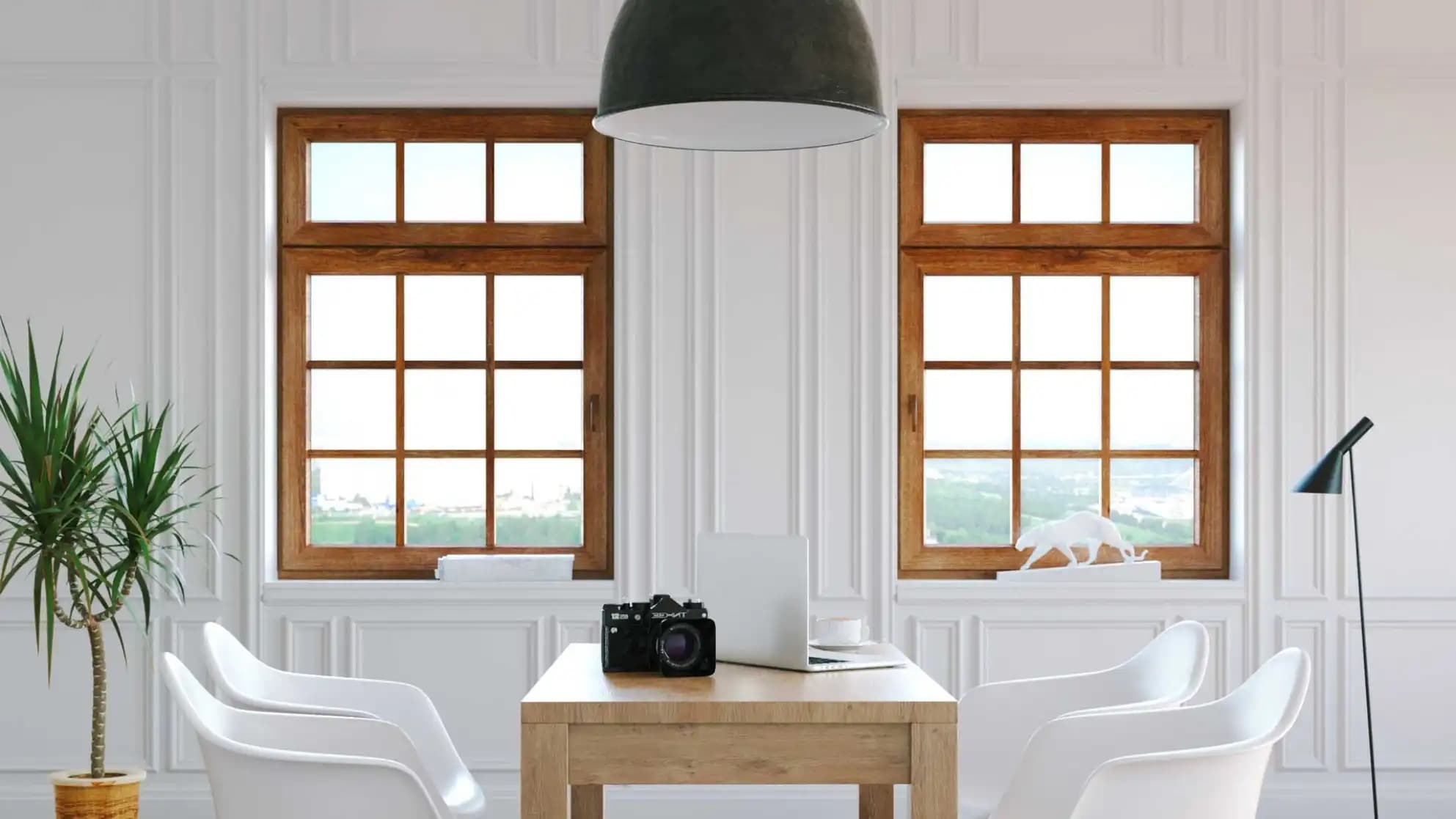
Traditional Windows
Key Specs
- Timber construction (softwood or hardwood)
- Sash or casement opening styles
- U-value: 1.4-1.6 W/m²K (double glazed timber)
- Lifespan: 40-60+ years with maintenance
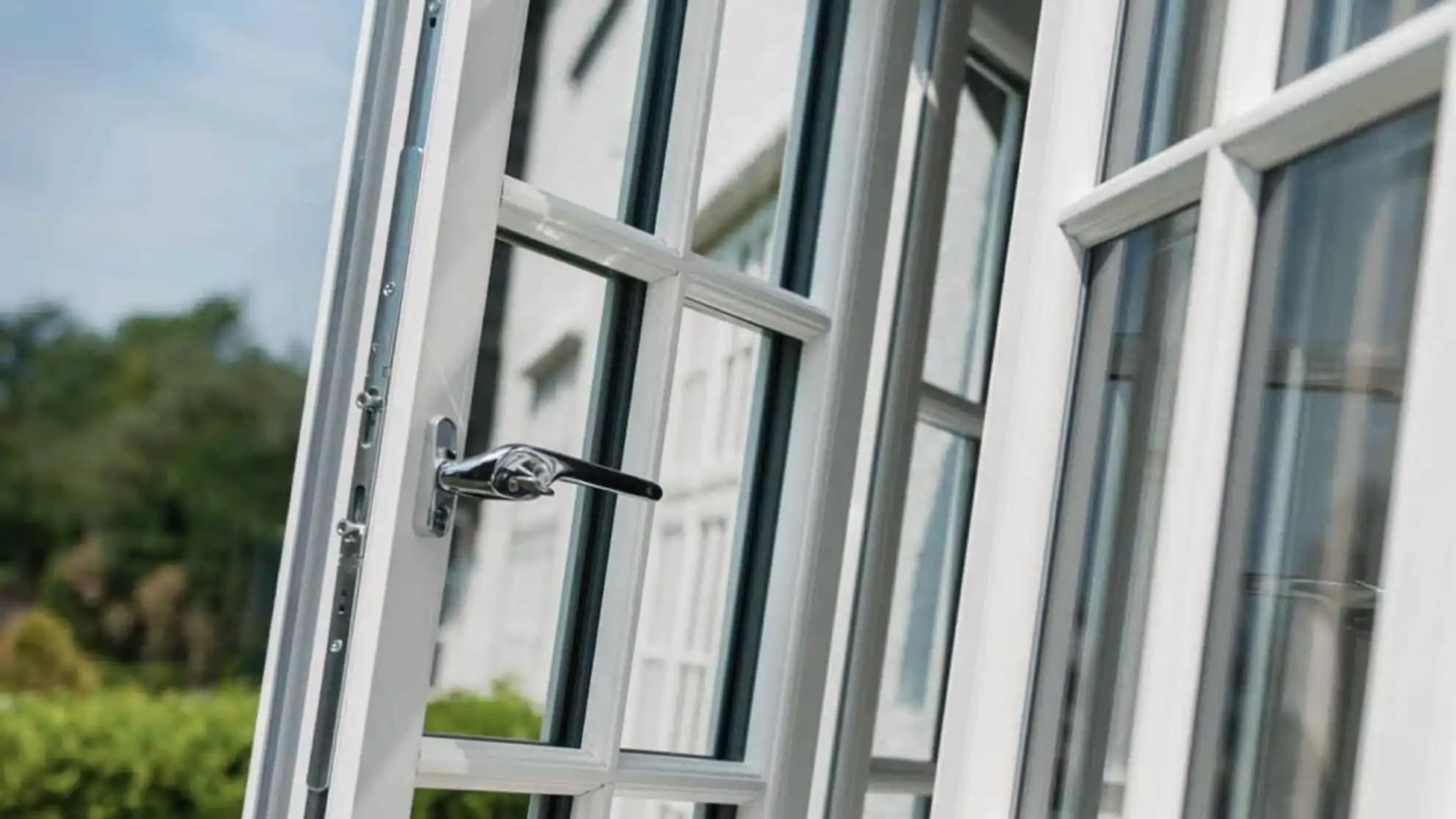
Modern Windows
Key Specs
- uPVC, aluminium or composite construction
- Tilt-and-turn, casement or sliding sash styles
- U-value: 1.0-1.4 W/m²K (double glazed)
- Lifespan: 20-30 years (uPVC) / 30-45 years (aluminium)
Detailed Comparison
| Feature | Traditional Windows | Modern Windows |
|---|---|---|
| Typical Cost (per window, installed) | £800-£3,000 | £300-£1,200 |
| Frame Material | Softwood or hardwood timber | uPVC, aluminium or composite |
| U-Value (double glazed) | 1.4-1.6 W/m²K | 1.0-1.4 W/m²K |
| Maintenance Required | Repaint every 5-8 years; regular checks | Minimal — occasional cleaning |
| Expected Lifespan | 40-60+ years (with maintenance) | 20-30 years (uPVC) / 30-45 (aluminium) |
| Aesthetic Character | Authentic period appearance | Clean, contemporary lines |
| Conservation Area Suitability | Excellent — generally accepted | Variable — depends on local policy |
| Listed Building Suitability | Required — usually like-for-like | Rarely accepted for principal elevations |
| Colour Options | Any paint colour; stain finishes | Wide range; foil wraps available |
| Sustainability | Renewable, repairable, low embodied energy | Recyclable (aluminium); uPVC recyclable but energy-intensive |
| Draught Performance | Good with modern seals | Excellent — multi-point locking + compression seals |
| Security Features | Sash locks, restrictors available | Multi-point locking as standard |
| Frame Sightlines | Slender (30-50mm visible) | Wider (50-70mm visible for uPVC) |
| Repairability | Excellent — timber can be spliced and repaired | Limited — damaged frames usually replaced |
Choose Traditional Windows If...
- Your property is listed or in a conservation area where planning restrictions apply
- You own a pre-1919 property where period character is important to kerb appeal and value
- Environmental sustainability is a priority — timber is the most eco-friendly frame material
- You value longevity and repairability over low short-term maintenance
Choose Modern Windows If...
- You want the lowest maintenance option with no painting or regular upkeep required
- Budget is a primary concern — modern windows cost 40-70% less than equivalent timber
- Your property is post-war and has no period character that would be compromised
- You want the best thermal performance at the lowest price point
Cost Comparison
Traditional timber sash windows cost £800-£3,000 per window installed, while modern uPVC equivalents cost £300-£800 and aluminium costs £500-£1,200. For a full house replacement (8-10 windows), expect £8,000-£25,000 for timber, £3,000-£8,000 for uPVC, and £5,000-£12,000 for aluminium. However, the whole-life cost comparison narrows the gap considerably. Over 30 years, timber windows require approximately £4,000-£10,000 in maintenance and redecoration, while uPVC requires near-zero maintenance but may need replacing after 25 years (adding another £3,000-£8,000). Aluminium sits in between with minimal maintenance and a longer 30-45 year lifespan. The most cost-effective choice for a non-listed, non-conservation property is typically uPVC. For period properties where character matters, timber offers the best value when longevity and repairability are factored in.
Frequently Asked Questions
It depends on the local authority. Some conservation areas permit uPVC windows if they closely match the original design in proportions, glazing pattern and colour. Others explicitly prohibit uPVC on front and visible elevations, insisting on timber. Always check with your local planning department before ordering windows for a conservation area property.
Quality uPVC windows typically last 20-30 years. The frames themselves may last longer, but the sealed glass units, hardware and gaskets have a natural lifespan that limits overall window life. Budget uPVC can show yellowing, warping or seal failure within 15-20 years, while premium brands may exceed 30 years. They cannot be repaired as effectively as timber.
Yes, many manufacturers offer uPVC windows with woodgrain foil finishes that simulate the appearance of timber from a distance. These are available in oak, rosewood, cream and other colours. While convincing from the pavement, they lack the depth and texture of real timber at close range and may not satisfy conservation officers.
Modern uPVC and aluminium windows generally offer better security out of the box, with multi-point locking mechanisms and anti-bump cylinders as standard. Traditional timber windows can be retrofitted with security hardware (sash locks, key-operated restrictors, shoot bolts) but rarely match the integrated security of modern systems. Both can achieve Secured by Design certification.
On period properties, yes. Estate agents report that appropriate timber windows can add 5-10% to the value of a Georgian, Victorian or Edwardian property, while inappropriate uPVC replacements can reduce value. On modern properties, the window material has less impact on value, though aluminium is increasingly seen as a premium feature.
Composite windows use a timber core clad in aluminium or uPVC on the external face. They offer the aesthetic warmth of timber internally, the weather resistance of aluminium or uPVC externally, and reduced maintenance compared with all-timber windows. They cost 20-40% more than standard timber but are an excellent compromise for homeowners who want character without the full maintenance commitment.
Traditional timber windows should be repainted every 5-8 years, or every 3-5 years in exposed or coastal locations. Modern factory-applied paint systems (such as micro-porous coatings) can extend this to 8-12 years. Regular inspection and prompt touch-up of any chips or cracks will prevent moisture entering the timber and extend the interval between full redecorations.
Modern aluminium windows incorporate a thermal break — an insulating polyamide strip within the frame that prevents heat conducting through the metal. This eliminates the cold-to-the-touch sensation associated with older aluminium frames and achieves U-values of 1.4-1.6 W/m²K. Older aluminium windows without thermal breaks are very poor insulators and should be replaced.
Yes, this is a common and sensible approach for period properties. Timber sash windows at the front preserve the street-facing character, while modern uPVC or aluminium at the rear provides performance and convenience where authenticity is less critical. Conservation area rules typically apply only to elevations visible from public spaces.
Timber is the most environmentally sustainable window material. It is renewable, has low embodied energy, stores carbon, is repairable and is biodegradable. Aluminium is infinitely recyclable and requires only 5% of the energy of virgin production when recycled. uPVC is the least sustainable due to its petroleum-based production and lower recycling rates, though it is improving.
Need Help Choosing?
Our window specialists can help you choose the right windows for your property. Get a free, no-obligation consultation.