
.svg)

Georgian vs Victorian Windows: Period Style Identification & Replacement Guide
Our Verdict
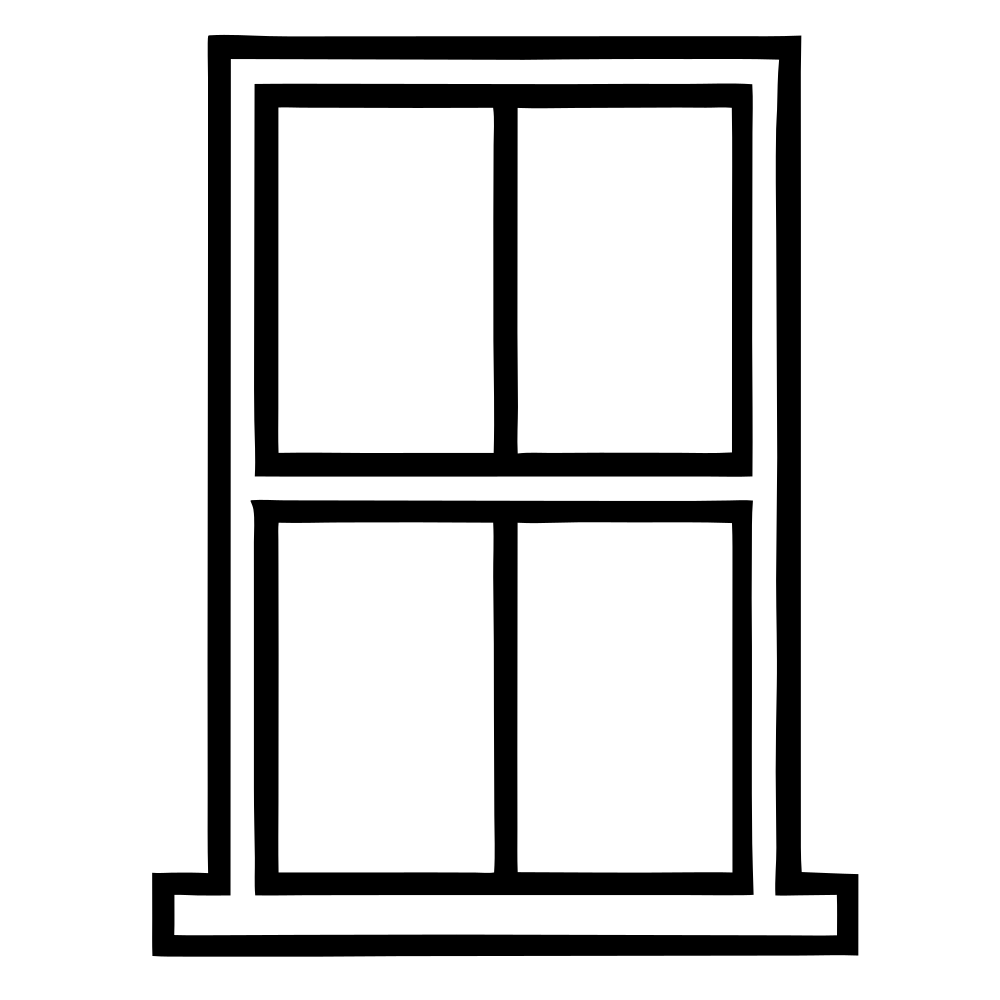
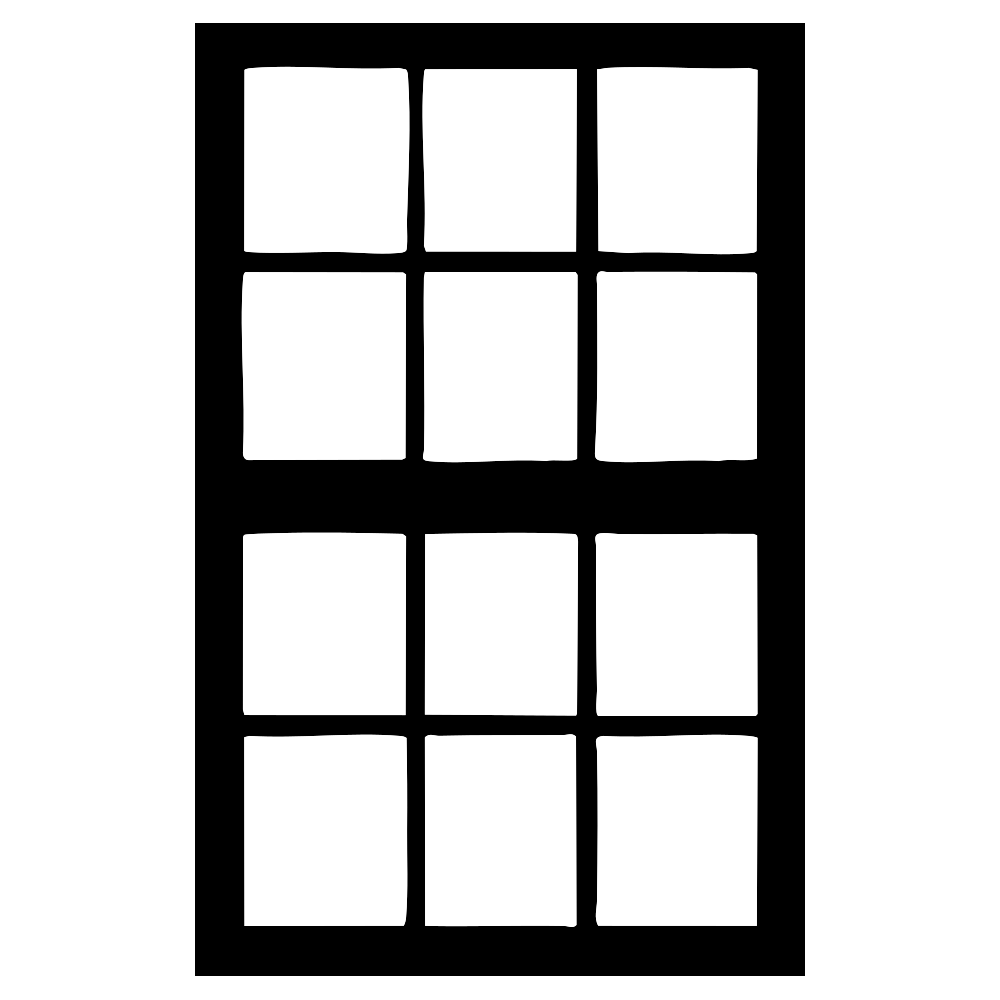
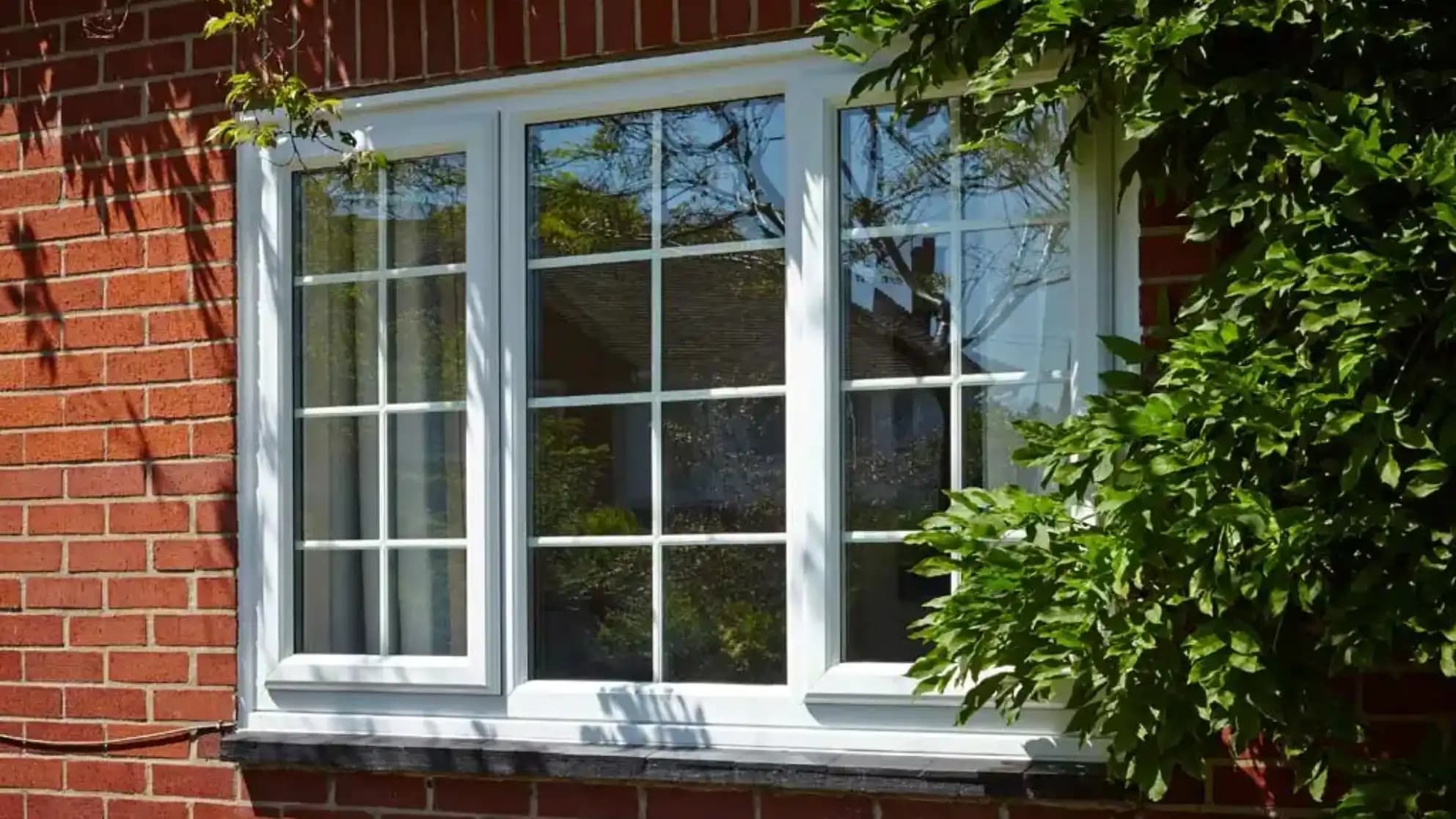
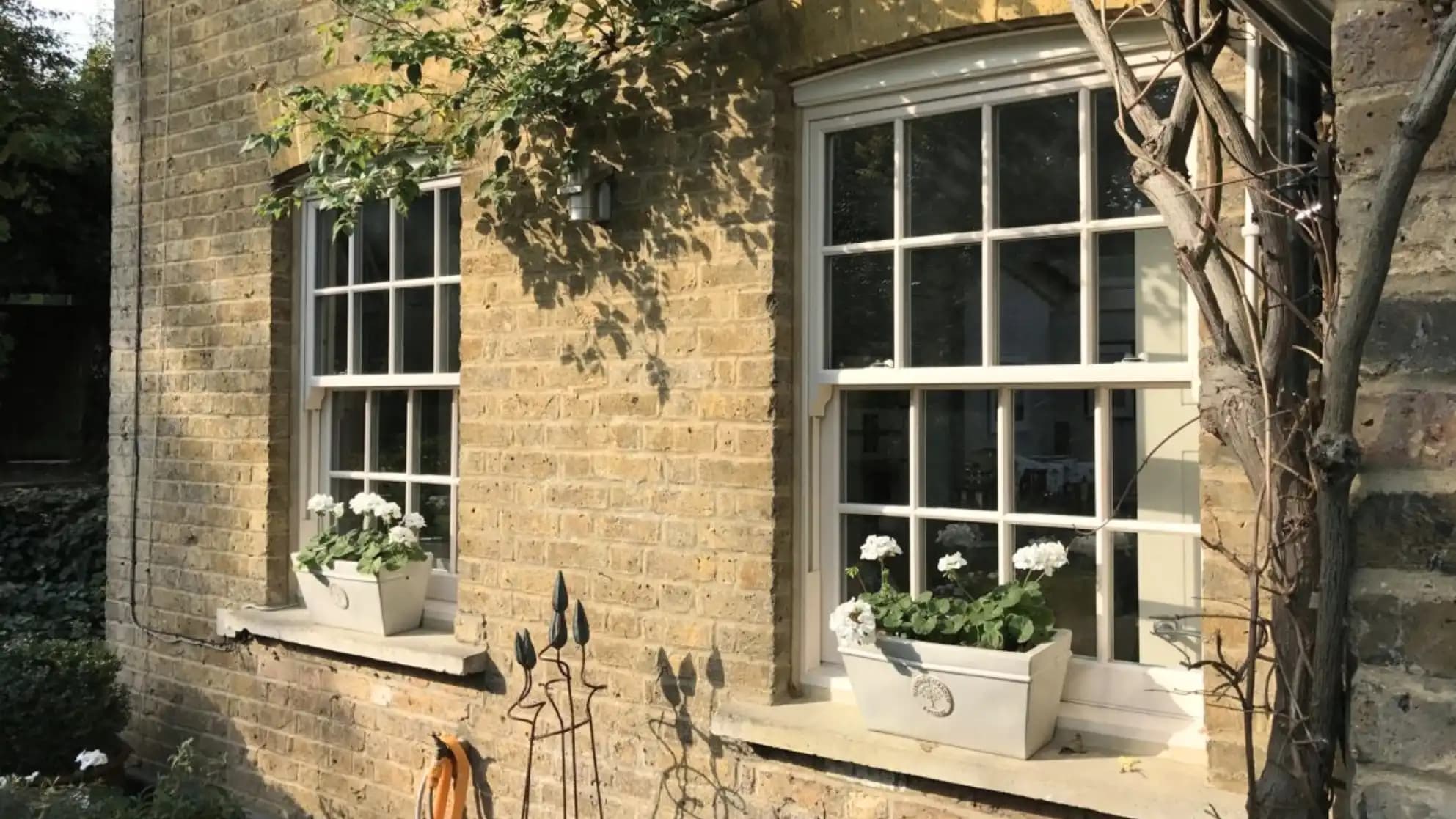
Georgian windows are defined by their symmetrical multi-pane sash design with slender glazing bars, typically in six-over-six or eight-over-eight configurations. Victorian windows evolved towards larger panes with simpler two-over-two or one-over-one layouts as glass manufacturing improved. Correctly identifying your period style is essential for conservation compliance and choosing authentic replacement windows.
At a Glance
Georgian Windows
Key Specs
- Six-over-six or eight-over-eight pane configuration
- Slender timber glazing bars (15-20mm wide)
- Crown or cylinder glass (original); float glass (replacement)
- Box sash with lead or cast iron weights
Victorian Windows
Key Specs
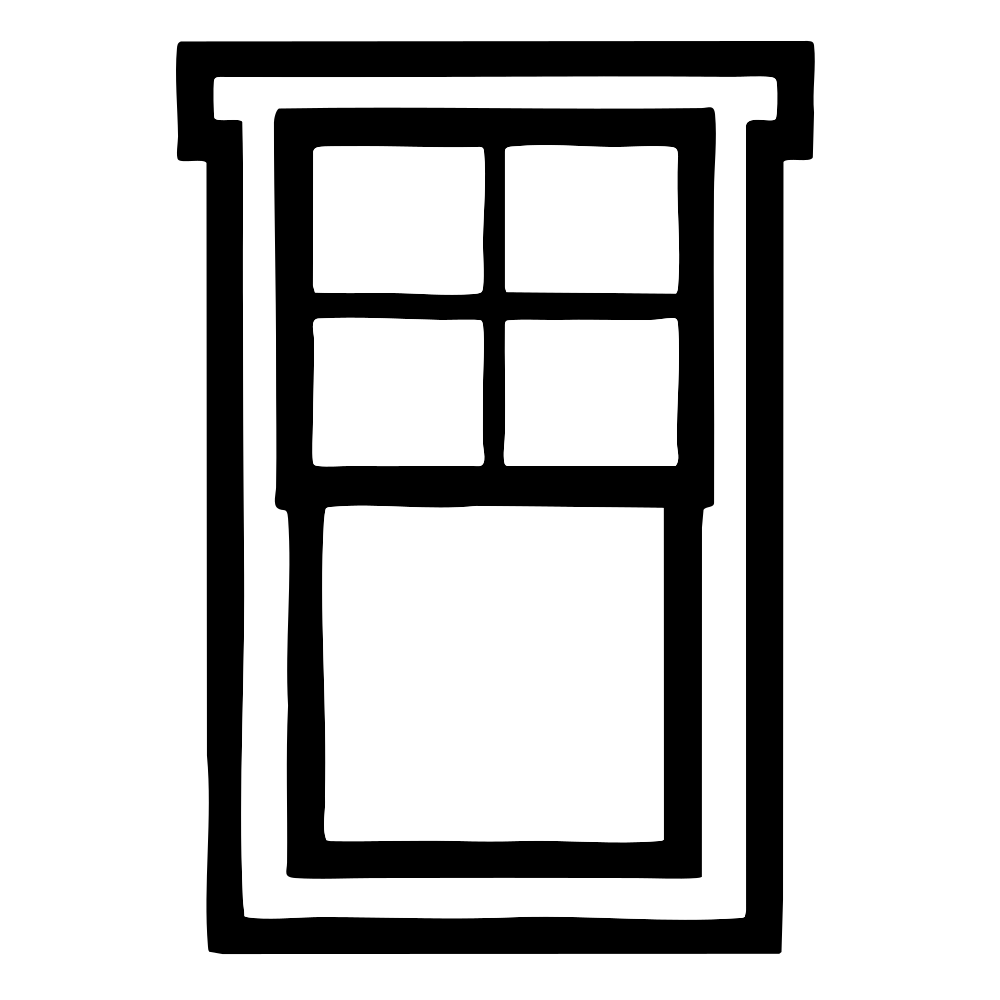
- Two-over-two or one-over-one pane configuration
- Thicker horned sash with decorative mouldings
- Plate or sheet glass (original); float glass (replacement)
- Box sash with cast iron weights and horns
Detailed Comparison
| Feature | Georgian Windows | Victorian Windows |
|---|---|---|
| Historical Period | 1714-1830 (Georgian era) | 1837-1901 (Victorian era) |
| Typical Pane Configuration | 6-over-6, 8-over-8, 12-over-12 | 2-over-2, 1-over-1, 4-over-4 (early) |
| Glazing Bar Width | Slender: 15-20mm | Wider: 20-30mm (or absent) |
| Sash Horns | Absent — not needed with small panes | Present — structural support for larger panes |
| Glass Type (original) | Crown glass (wavy, imperfect) | Plate/sheet glass (flatter, clearer) |
| Window Proportions | Tall and narrow (2:3 or 3:5 ratio) | Taller top sash, shorter bottom sash common |
| Decorative Details | Simple, elegant mouldings | Ornate mouldings, carved brackets, horns |
| Typical Frame Material | Softwood (Baltic pine) | Softwood (Baltic pine or deal) |
| Weight Mechanism | Lead or cast iron sash weights | Cast iron sash weights |
| Replacement Cost (timber) | £1,200-£3,000 per window | £800-£2,500 per window |
| Replacement Cost (uPVC replica) | £500-£1,200 per window | £400-£1,000 per window |
| Conservation Sensitivity | Very high — strict like-for-like | High — like-for-like preferred |
| Glazing Bar Profile | Ovolo or lamb's tongue moulding | Ovolo moulding or no bars |
| Typical Property Types | Townhouses, manor houses, terraces | Terraces, semis, villas, bay-fronted |
Choose Georgian Windows If...
- Your property was built between 1714 and 1830 and retains its original Georgian proportions
- The existing windows have multi-pane configurations (6-over-6, 8-over-8) with slender glazing bars
- Your property is listed or in a conservation area that requires faithful Georgian reproduction
- You value the classical symmetry and refined elegance of the Georgian aesthetic
Choose Victorian Windows If...
- Your property was built between 1837 and 1901 with characteristic Victorian features
- The existing windows are two-over-two or one-over-one sashes with horns
- Your property has bay windows, which are quintessentially Victorian rather than Georgian
- You want larger panes of glass for maximum light while maintaining period authenticity
Cost Comparison
Georgian window replacements are the most expensive period option due to the complex multi-pane joinery. A full set of bespoke timber Georgian sashes for a three-bedroom townhouse (8-10 windows) typically costs £12,000-£25,000, including decoration. Victorian sash replacements for a similar property cost £8,000-£20,000. uPVC period replicas reduce these figures to £4,000-£10,000, though they may not be accepted in conservation areas. Window restoration (repair, draught-proofing and decoration) costs £3,500-£8,000 for a full house and is the most cost-effective option where the original timber is in reasonable condition. Heritage grants may be available from Historic England, local authorities or heritage lottery funds for listed building window restoration — these can cover 25-75% of costs for qualifying properties.
Frequently Asked Questions
The quickest way is to count the panes. Georgian windows typically have 6, 8 or 12 panes per sash with slender glazing bars. Victorian windows usually have 1, 2 or 4 panes per sash with thicker bars or no bars at all. Look for sash horns (small projections at the bottom of the upper sash) — their presence indicates Victorian or later. Also check the build date of your property through land registry or local history records.
If your property is listed, almost certainly not — Listed Building Consent would be refused. In a conservation area, it depends on the local authority; some accept high-quality uPVC replicas, others insist on timber. Outside conservation areas, there is no restriction on material choice, and uPVC Georgian-style sash windows offer a cost-effective alternative at £500-£1,200 per window.
Sash horns are small timber projections at the bottom corners of the upper sash in a vertical sliding window. They were introduced in the Victorian era to provide additional structural support when glazing bars were removed and pane sizes increased. The presence or absence of horns is a key dating feature: Georgian windows never have horns, while Victorian and later windows almost always do.
Yes. Slim-profile double glazed units (12-16mm thickness) are now available that fit within the traditional sash rebate depth. These achieve a centre-pane U-value of around 1.2-1.4 W/m²K while maintaining the slender sightlines of period windows. Many conservation officers now accept slim-profile double glazing in listed buildings provided the overall appearance is not materially altered.
A full sash window overhaul — including new sash cords, draught-proofing, putty renewal, partial timber splicing where rotten, easing and adjustment, and full redecoration — costs £400-£900 per window. This is significantly less than replacement (£800-£3,000) and preserves the original historic fabric, which is important for listed buildings.
Crown glass was the standard window glass used in the Georgian era, made by spinning molten glass into a flat disc. It has a characteristic slight waviness and occasional tiny imperfections that give it a distinctive visual quality. When replacing glass in listed Georgian windows, conservation officers may require the use of reproduction crown glass or cylinder glass to match the original appearance. This adds £30-£60 per pane to the cost.
Like-for-like repairs (replacing rotten timber with matching timber, renewing putty, replacing sash cords) generally do not require Listed Building Consent as they count as maintenance. However, any alteration that changes the character or appearance of the window — including changing the glazing pattern, adding double glazing or replacing timber with uPVC — does require consent.
Through glazing bars (also called true or structural bars) run through the full depth of the sash and hold individual panes of glass on either side. Applied bars (also called plant-on or stick-on bars) are decorative strips attached to the surface of a single large pane to simulate the appearance of multiple panes. Applied bars are cheaper but look less authentic and are usually rejected for listed buildings.
Grants may be available from Historic England, local authority heritage funds, or the National Lottery Heritage Fund for listed building window restoration. Eligibility varies by location and building grade. Some local authorities also offer discretionary grants for properties in conservation areas. Contact your local conservation officer for details of available funding.
The Regency period (approximately 1811-1837) represents a transition between Georgian and Victorian styles. Regency windows often feature larger panes than Georgian (typically two-over-two or three-over-six) but retain the elegance and slender proportions of Georgian design. They may or may not have sash horns depending on the exact date and regional traditions.
Need Help Choosing?
Our window specialists can help you choose the right windows for your property. Get a free, no-obligation consultation.