.svg)




Tilt and Turn Windows: The Complete Guide to Versatility & Style
Table of Contents
Quick Answer
Tilt and turn windows feature a dual-function mechanism that allows the sash to tilt inward from the top for ventilation or swing fully inward for cleaning and emergency egress. They are widely used across Europe and increasingly popular in the UK. uPVC tilt and turn windows cost 400 to 900, aluminium 700 to 1,400, and timber 800 to 2,000. They provide excellent weather sealing and security.
Key Takeaways
- UK Building Regulations Part B requires habitable rooms above ground floor level to have an emergency egress window with a.
- UPVC tilt and turn windows typically cost between £300 and £700 per window.
- Aluminium tilt and turn windows range from £500 to £1,200, while timber options cost between £800 and £2,000 per window.
- Triple glazing, bespoke sizes, and premium hardware add to the cost.
- Tilt and turn windows can be fitted in conservation areas, but you may need planning permission from your local authority.
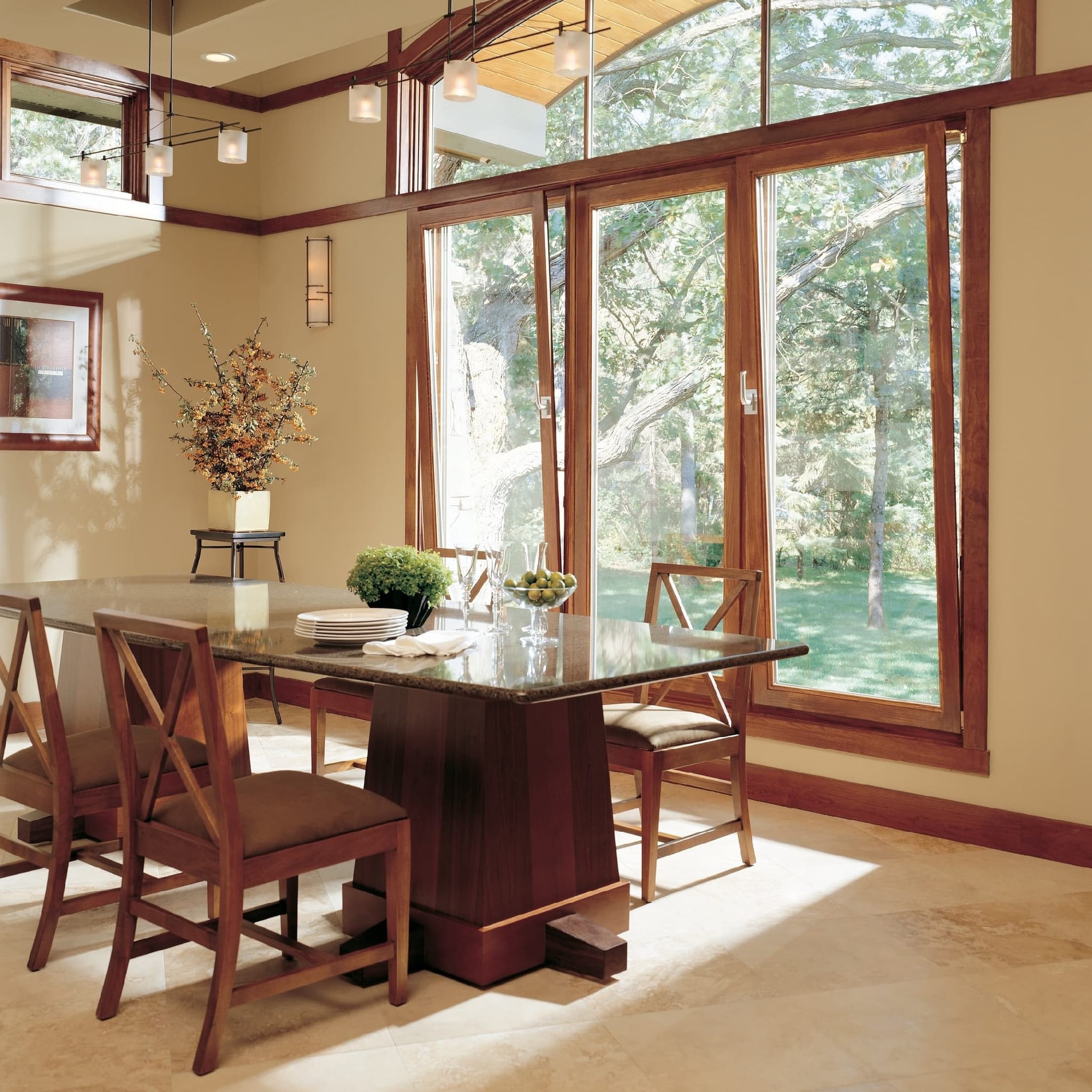
Tilt and turn windowsare quickly becoming one of the most popular window styles for modern homes, offering a unique blend of functionality, versatility, and sleek design. Their innovative two-way opening mechanism allows you to tilt the window inward for ventilation or fully swing it open like a door, making them perfect for spaces that require easy cleaning, emergency access, or simply better airflow.
In this guide, we’ll explore everything you need to know abouttilt and turn windows, from understanding how they work to the best materials and customisation options. Whether you’re looking foruPVC tilt and turn windows, largedouble glazed tilt and turn windows, or want to learn about their benefits and cost, this comprehensive guide will help you make an informed decision.
What Are Tilt and Turn Windows?
Tilt and turn windowsare a type of window that features a unique two-way opening mechanism. With just a simple twist of the handle, you can choose to tilt the top of the window inward for controlled ventilation or turn the window on its side hinges to fully open it inward. This makes them extremely versatile and ideal for various room types, including kitchens, bathrooms, and high-rise buildings.
Key Features of Tilt and Turn Windows:
How Does a Tilt and Turn Window Work?
The magic of atilt and turn windowlies in its hardware. Using a multi-point locking system and specialised hinges, the window can move in two distinct ways, depending on the position of the handle:
What Are the Benefits of Tilt and Turn Windows?
Choosingtilt and turn windowsfor your home comes with several benefits, making them a superior option compared to traditional window styles. Here’s why homeowners love them:
1. Enhanced Ventilation
The two-way opening system allows you to control how much fresh air enters your home. Use the tilt mode for a gentle breeze or the turn mode for maximum airflow. This flexibility makes them perfect for regulating temperature in any season.
2. Superior Security
When in tilt mode, the window is securely locked into position, preventing anyone from opening it further from the outside. This makestilt and turn windowsone of the safest window options for ground-floor rooms or homes with small children.
3. Easy Maintenance
One of the standout features oftilt and turn windowsis how easy they are to clean. You can access the exterior glass from inside your home, eliminating the need for ladders or external window cleaners.
4. Energy Efficiency
Most moderntilt and turn windowscome with double or triple glazing, offering excellent insulation. This helps maintain a stable indoor temperature, reducing energy bills and keeping your home comfortable year-round.
5. Modern Aesthetics
With their sleek frames and minimalist design,tilt and turn windowsare ideal for homeowners seeking a modern look. They’re available in various finishes, includinguPVC, aluminium, and timber, allowing you to choose a style that complements your home.
What Are the Best Materials for Tilt and Turn Windows?
Choosing the right material for yourtilt and turn windowsis essential for achieving the perfect balance between aesthetics, durability, and energy efficiency. Here are the top material options to consider:
1. uPVC Tilt and Turn Windows
uPVC (Unplasticized Polyvinyl Chloride)is a popular choice due to its affordability, low maintenance, and excellent thermal efficiency.uPVC tilt and turn windowsare available in a wide range of colours and finishes, including woodgrain effects.
- Benefits: Low cost, high energy efficiency, and easy to maintain.
- Drawbacks: Less customisation compared to timber or aluminium.
2. Aluminium Tilt and Turn Windows
Aluminium frames are strong, lightweight, and perfect for creating largetilt and turn windows. Their slim profiles allow for bigger glass panes, making them ideal for maximizing light and views.
- Benefits: Sleek, modern appearance; strong and durable.
- Drawbacks: Less insulation compared to uPVC unless thermally broken.
3. Timber Tilt and Turn Windows
Timber is the traditional choice for window frames, offering a classic look that suits period and heritage properties. Moderntimber tilt and turn windowsare treated to resist rot and weathering, making them a long-lasting option.
- Benefits: Natural beauty, excellent insulation, and highly customisable.
- Drawbacks: Higher maintenance requirements compared to uPVC or aluminium.
4. Composite Tilt and Turn Windows
Composite windows combine the best of both worlds, with a timber core for insulation and an external aluminium or uPVC layer for durability. This hybrid design offers superior performance and minimal upkeep.
- Benefits: Long-lasting, energy-efficient, and low maintenance.
- Drawbacks: Higher initial cost compared to single-material options.
Customising Your Tilt and Turn Windows
Withtilt and turn windows, customisation is key to achieving the perfect look and performance. Here’s what to consider:
1. Glazing Options
Choose from double or triple glazing to enhance insulation and reduce energy costs. Consider acoustic glass if noise reduction is a priority, or opt for tinted or obscured glass for added privacy.
2. Frame Colour and Finish
From classic white to bold black and woodgrain finishes, tilt and turn windows are available in a wide range of colours. Consider dual-colour frames (different colours for interior and exterior) to match your home’s design.
3. Window Size
Largetilt and turn windowscreate a dramatic, modern look and allow maximum light to enter. Consider custom sizes for unique architectural features.
4. Hardware and Accessories
Choose bespoke handles, locks, and hinge finishes that complement the overall aesthetic of your windows.
Common Questions About Tilt and Turn Windows
What is a Tilt and Turn Window?
Atilt and turn windowis a versatile window style that can open in two ways: tilting inward at the top for ventilation or swinging open inward like a door. This dual functionality makes it ideal for various applications, from living rooms to high-rise apartments.
How Much Do Tilt and Turn Windows Cost?
The cost oftilt and turn windowsdepends on the material, size, and customisation options.uPVC tilt and turn windowsare typically the most affordable, while timber and composite options are on the higher end. Expect to pay more for large or bespoke designs.
Are Tilt and Turn Windows Secure?
Yes,tilt and turn windowsare highly secure. When in tilt mode, they remain firmly locked, preventing forced entry. Modern versions often include multi-point locking systems for added security.
What Are the Best Uses for Tilt and Turn Windows?
Tilt and turn windows are ideal for areas that require flexibility, such as bathrooms, kitchens, or bedrooms. They are also a popular choice for high-rise buildings due to their easy cleaning and safety features.
Upgrade Your Home with Modern Tilt and Turn Windows Today
Ready to transform your home with the versatility and elegance oftilt and turn windows? Our team of experts can help you choose the perfect size, material, and customisation options to suit your needs. Whether you’re looking foruPVC tilt and turn windowsor largedouble glazed tilt and turn windows, we offer solutions to fit every style and budget.
Frequently Asked Questions
A tilt and turn window features a dual opening mechanism operated by a single handle. When the handle is turned to the vertical position, the window tilts inward from the top, creating a gap for controlled ventilation. When the handle is moved to the horizontal position, the window swings fully inward on its side hinges like a door, providing full access for cleaning or emergency escape. A multi-point locking system secures the window in the closed position. This design originated in Continental Europe and has become increasingly popular in the UK.
Tilt and turn window prices in the UK vary depending on the material, size, and glazing options. uPVC tilt and turn windows typically cost between £300 and £700 per window. Aluminium tilt and turn windows range from £500 to £1,200, while timber options cost between £800 and £2,000 per window. Triple glazing, bespoke sizes, and premium hardware add to the cost. Installation charges are additional and depend on your location and the complexity of the project. It is advisable to obtain at least three quotes from reputable installers.
Tilt and turn windows generally offer superior security compared to standard casement windows. When in tilt mode, the window is firmly locked at multiple points, preventing anyone from opening it further from the outside. Most tilt and turn windows feature multi-point locking systems that engage at several positions around the frame, making forced entry very difficult. The inward-opening design also means there are no exposed hinges on the exterior. Many models are available with Secured by Design accreditation, which is the UK police-preferred specification for home security.
The best material depends on your priorities and budget. uPVC is the most affordable and lowest maintenance option, offering good thermal performance and a wide range of colour finishes. Aluminium provides slim sightlines, strength for larger openings, and a contemporary appearance, though it requires thermal breaks for good insulation. Timber offers natural beauty, excellent insulation, and is ideal for period properties or conservation areas. Composite windows combine a timber interior with an aluminium exterior, offering durability with minimal upkeep. Each material has distinct advantages for UK homeowners.
Yes, tilt and turn windows can be fitted in conservation areas, but you may need planning permission from your local authority. Conservation officers typically require replacement windows to match the character and appearance of the existing property. Timber tilt and turn windows are often the most acceptable option because they use traditional materials. Some local authorities may require windows to replicate the original style, which could mean sash or casement designs are preferred. It is essential to consult your local planning department before proceeding with installation in a conservation area.
Tilt and turn windows provide excellent ventilation control. The tilt function creates a narrow opening at the top of the window, allowing fresh air to circulate naturally without creating strong draughts. This is particularly useful during rain, as the inward tilt prevents water from entering. The full turn function provides maximum airflow by opening the entire window inward. This dual ventilation system makes tilt and turn windows ideal for kitchens, bathrooms, and bedrooms where managing moisture and air quality is important throughout the year.
Yes, tilt and turn windows are exceptionally easy to clean, which is one of their main advantages. When the window is fully turned inward, you can access the exterior glass surface from inside your home. This eliminates the need for ladders or professional window cleaners, making them particularly practical for upper-floor windows and multi-storey properties. Simply open the window in turn mode, clean the outside pane with a suitable glass cleaner and cloth, and close it again. This convenience makes them one of the most maintenance-friendly window styles available in the UK market.
Yes, tilt and turn windows can function as emergency fire exits when opened in full turn mode. UK Building Regulations Part B requires habitable rooms above ground floor level to have an emergency egress window with a minimum clear opening of 450mm high and 450mm wide, and an unobstructed area of at least 0.33 square metres. Most standard-sized tilt and turn windows meet or exceed these requirements. This makes them a popular choice for bedrooms and upper-storey rooms where a fire escape route is needed.
Related Posts
Cased Windows vs Casement Windows: What's Best for Your Home?
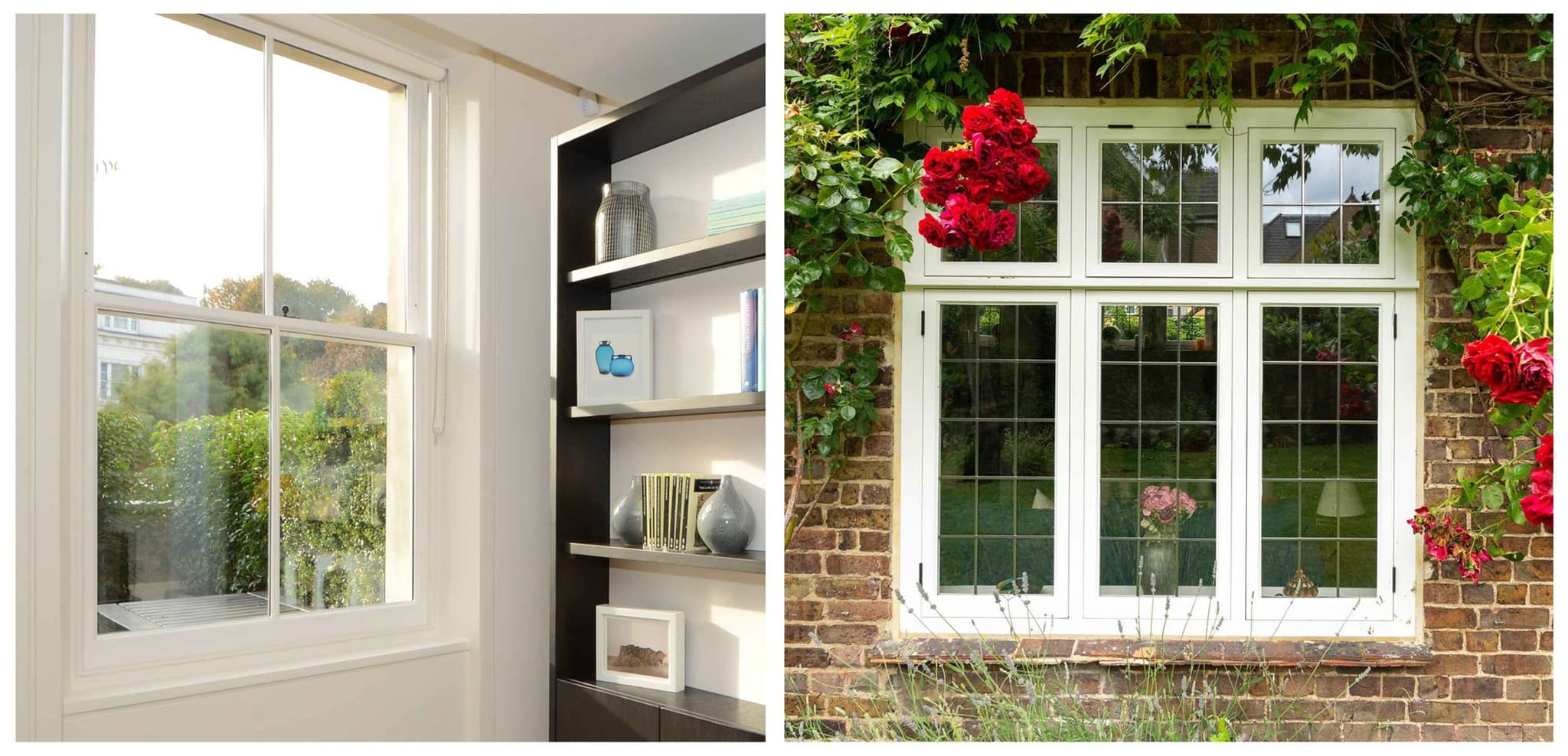
While they might sound similar, there are distinct differences between the two that can impact your home's appearance, functionality, and overall value. Whether...
Casement Timber Windows: A Perfect Blend of Tradition and Performance
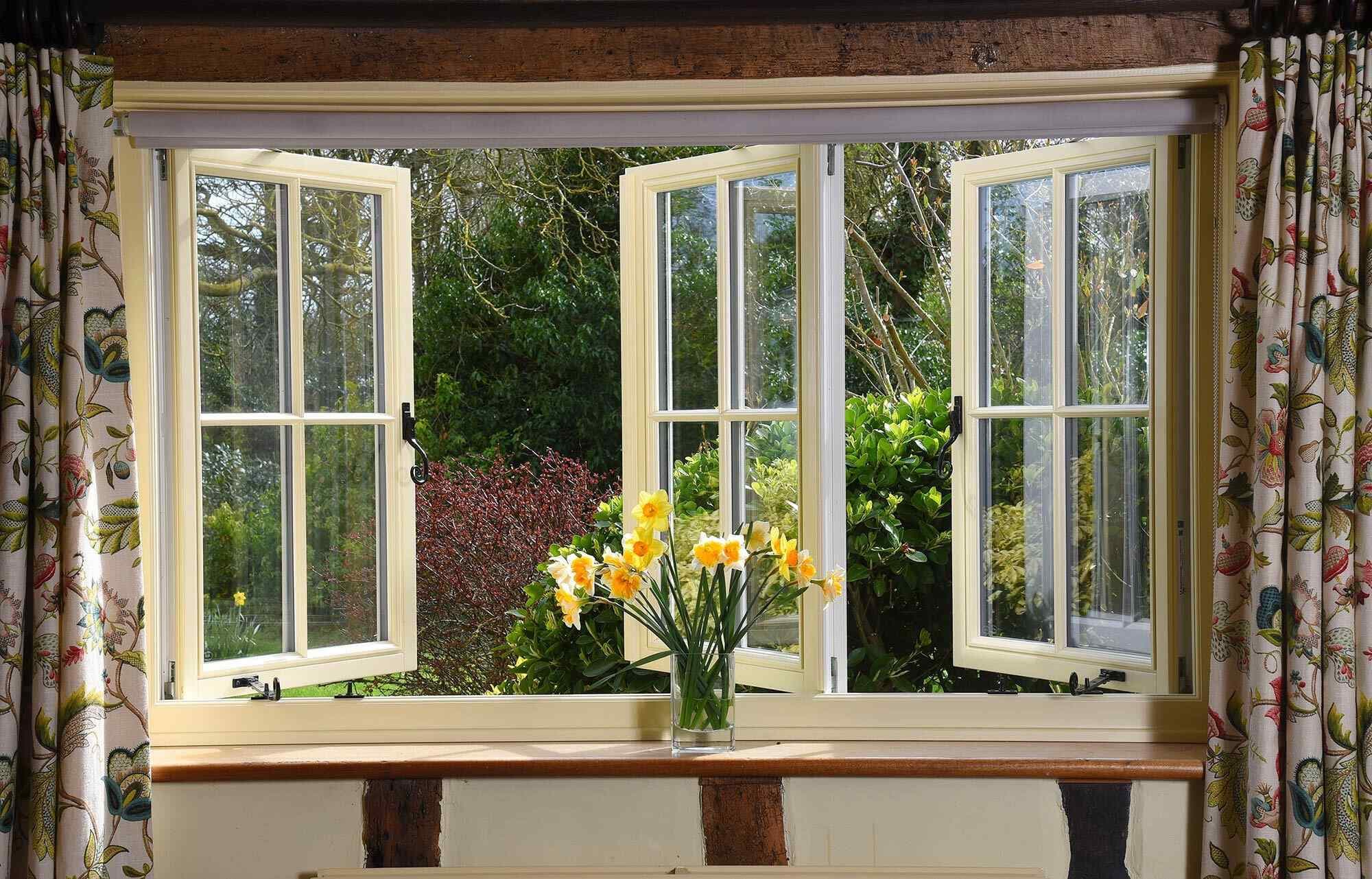
These windows, hinged on the side and designed to swing open like a door, are perfect for those looking to enhance the look of their home while maintaining ener...
Cottage Windows: Choosing the Perfect Style for Your Home
Finding the rightcottage windowsis essential to maintaining the cosy, rustic aesthetic that makes cottages so special, while still ensuring that your home is en...